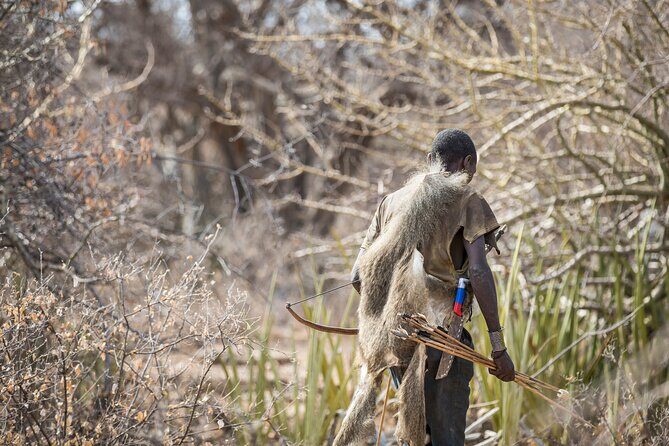
REVIEW · ARUSHA
Masai Village Tour
Book on Viator →Operated by Rupia Adventure · Bookable on Viator
A Maasai village visit can be a full story. This one pairs a real community stop at Okikareti with practical lessons you can actually see—crops, food preservation, and day-to-day life—plus an included hike for wide views. I also like that water, lunch, and private transport are built into the day, so you’re not spending the whole morning figuring out logistics. One thing to watch: the experience can feel short at the village if the schedule runs tight, so it’s worth asking how your time will be handled once you arrive.
Expect a 5-hour outing from Arusha with pickup offered and a small group capped at 15. You’ll be escorted by Rupia Adventure, visiting the area around Longido and Oldonyo Sambu, with admission for the activities included. If you’re hoping for a long, slow hang-out with minimal structure, this format may feel more like a guided introduction than an all-day immersion.
In This Review
- Key highlights at a glance
- Getting Oriented: Where the Day Starts in Arusha
- The 5-Hour Schedule: How to Think About Time and Value
- Longido Secondary School to Okikareti: The Community Stop That Makes It Work
- A practical tip before you go
- Maasai Zoo and the Natural World: An Unexpected Side of the Day
- Farming, Food Storage, and Local Business: What You’ll Actually Learn
- What to watch for
- Climbing Small Mountains Near Arusha: Views and Photo Time
- Price, Inclusions, and Group Size: Is It Worth $200?
- Who Should Book This Maasai Village Tour (and Who Might Not Enjoy It)
- Should You Book Rupia Adventure’s Maasai Village Tour?
- FAQ
- FAQ
- How long is the Maasai Village Tour from Arusha?
- What time does the tour start, and where is the meeting point?
- Is pickup included?
- What’s included in the price?
- How many people are in the group?
- What is the cancellation policy?
Key highlights at a glance
- Okikareti village visit (Oldonyo Sambu area) where you can learn how Maasai traditions fit into daily life
- Maasai zoo stop that adds a different angle to the visit and the local natural world
- Farming and food preservation lessons you can observe rather than just hear about
- Local business activities that show how people blend tradition with income
- Short mountain climb for photos and a better look at the surrounding area
Getting Oriented: Where the Day Starts in Arusha
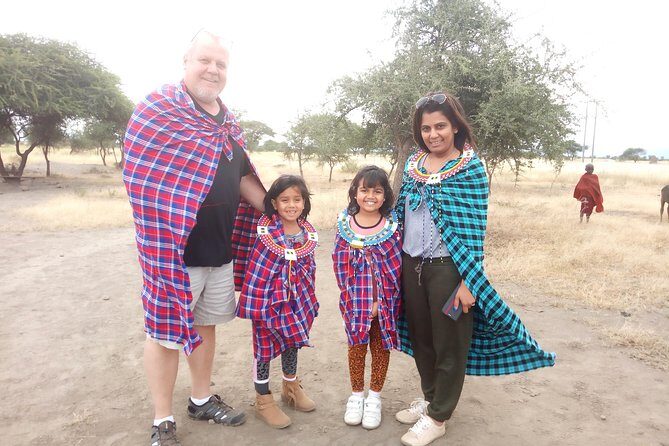
Your day begins with pickup from Mvuli Hotel on Kundayo Road in Arusha (Mvuli Hotel, Kundayo Road, Arusha 16114). Start time is listed as 7:30 am, which matters more than it sounds like.
Early starts help because you’ll be traveling out to the village area. The distance is significant enough that you don’t want to roll in late. Also, in this part of Tanzania, light and weather can change fast. Leaving earlier gives you a better shot at clear views later when you climb for photos.
You’ll be with Rupia Adventure, the provider named for this tour. That’s useful because it’s one team coordinating the day rather than a patchwork of random handoffs. The tour is designed for a small group, with a maximum of 15 travelers, so you’re less likely to get lost in a crowd.
Finally, you’ll receive a mobile ticket. That’s the sort of small detail that reduces stress: it’s one less thing to manage when you’re coordinating with a group and a driver.
You can also read our reviews of more tours and experiences in Arusha.

The 5-Hour Schedule: How to Think About Time and Value

This is about a half-day. The listed duration is 5 hours (approx.), which is a good fit if you don’t want to give up an entire morning or afternoon.
The structure looks like this: travel from Arusha to the community area, visit key stops (including the Maasai zoo and village-related learning), then finish with a short mountain climb for views and photos. In theory, that balances “people + daily life + scenery.” In practice, the value depends on whether the schedule gives you enough time at the main village.
Here’s how I’d judge it before you go. Ask yourself two questions:
1) Are you okay with a guided overview rather than hours of free wandering?
2) Do you want a photo-and-story day, or do you want a slow, conversational day where you can ask lots of questions?
The tour includes water, lunch, and private transportation. That’s a real benefit for comfort and reduces cost surprises. But it also hints at the pace: transport and meals mean the day has stops, and stops take time.
A final note: one negative experience shared in the review data mentioned very limited time at the village. I can’t predict how your day will go. Still, it’s smart to confirm your expected time at Okikareti and what your guide will cover once you arrive—so your day doesn’t feel like a drive-through.
Longido Secondary School to Okikareti: The Community Stop That Makes It Work
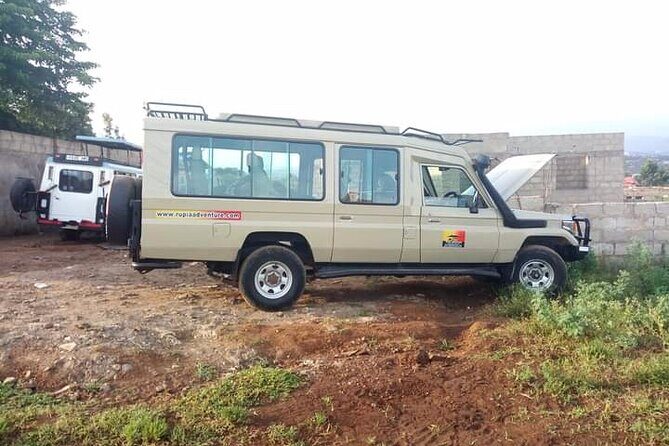
One of the core reasons to book a Maasai village tour is simple: you want a firsthand look at how people live, work, and preserve knowledge. This tour starts with a stop at Longido Secondary School, described as located about 47 km / 30 mi from Arusha.
From there, the day focuses on Maasai communities, including Okikareti village, described as being in the Oldonyo Sambu area. That matters, because Maasai life isn’t one single script. Seeing it in the context of a specific community helps you understand what you’re looking at.
What you’re set up to learn and observe is practical, not just ceremonial. The day highlights:
- agricultural methods (how crops are grown),
- food preparation and food storage/preservation,
- and local business ventures.
Those topics are valuable because they connect culture to everyday survival. You’re not just hearing about traditions. You’re seeing why certain practices make sense in the local environment—how food is kept, how work is organized, and how income might be shaped by local opportunities.
You’ll also be interacting with the community in a guided way, and the tour is described as visiting communities where you can meet kind, lovely Maasai people. That line is easy to gloss over, but it’s actually the heart of the tour. The difference between a good and a disappointing village visit is usually the quality of conversation and respect—not the number of stops.
A practical tip before you go
Bring a short list of questions in your head. For example: how food is stored, what crops matter most, or how daily routines change through the year. Those questions tend to lead to better answers than generic small talk.
Maasai Zoo and the Natural World: An Unexpected Side of the Day
This tour includes a stop described as a local Maasai zoo. That’s one of the more distinctive elements listed, and it changes the tone of the outing.
Instead of the day being only people and culture, you get a chance to observe animals and the natural world around the area. Even if you’re not a zoo person, it can be a useful lens: it helps you notice the environment that shapes daily living. It can also lead to questions about how animals fit into the local way of thinking and management.
The tour listing also frames this as a way to observe the surrounding area. That’s helpful because it keeps your experience connected to place. You’re not only moving between a vehicle and a single point; you’re getting a sense of how the village sits within the broader environment.
One thing to keep realistic expectations: a Maasai zoo stop doesn’t guarantee a long, separate sightseeing experience. It’s part of the overall 5-hour schedule. So plan for it as a focused add-on, not a full second attraction.
If you’re the type who needs time buffers, go in mentally flexible. The included admission helps with value, but the day still has a tight rhythm.

Farming, Food Storage, and Local Business: What You’ll Actually Learn
This is where the tour earns its value. The day’s theme is hands-on understanding of semi-nomadic life—especially the practical side.
The experience highlights how Maasai communities:
- grow crops using local methods,
- prepare food and store it (food preservation),
- and participate in local business activities.
That combination is smart because it tells you how people plan for the future. Food storage isn’t just a tradition; it’s a strategy. It affects what households can rely on, how they manage scarce times, and how routines work.
I also like that the tour frames “semi-nomadic life” as something you can grasp through observations, not just storytelling. Even if you don’t catch every farming detail in the time available, you’ll leave with a better mental model for how daily decisions connect to environment and community needs.
The local business venture portion is equally useful. A lot of visitors expect tradition only. Here, you’re nudged toward the reality that communities also adapt and participate in local economic life. You see that culture is lived, not frozen in time.
What to watch for
If the group pace is quick, you may only get a surface-level glimpse of these topics. Again, I can’t say how your exact day will unfold. But you can improve your odds by asking your guide to slow down for one or two specific questions about farming or food storage.
Climbing Small Mountains Near Arusha: Views and Photo Time
Near the end of the day, you’ll climb small mountains in the area where you can capture photos and enjoy a view from above. This is another key reason the day feels complete.
Even a short climb changes how you see a place. From higher ground, you can better understand the physical layout of the area and how farms, homes, and open space connect. It also adds variety: you move from village learning to a more scenic, breath-and-look moment.
Photo opportunities are specifically part of the plan, and that’s honest. This is a tour with moments designed for your camera. Still, don’t treat it like a checklist. If the weather is clear, take a few minutes without shooting. The view helps your brain connect the stories you heard earlier to what’s around you now.
Do note that the experience requires good weather. If conditions are poor, the tour may be canceled and you’ll be offered a different date or a full refund. That’s not something to ignore, because the climb depends on conditions.
Price, Inclusions, and Group Size: Is It Worth $200?
The price is listed at $200.00 per person, for about 5 hours. That’s not cheap, but it can still be good value if what you want is a structured, guided introduction with real stops and key inclusions.
Here’s what helps justify the price:
- pickup is offered,
- private transportation is included,
- water and lunch are included,
- admission for the activities is included,
- and the group is capped at 15, which typically makes it easier to hear your guide and ask questions.
The tour also carries “escort” from Rupia Adventure, which matters. When the day is small and time-limited, coordination is part of what you’re paying for.
Now the honest part: value depends on how your time is used at the main community visit. The review data you were given includes one complaint about spending only about half an hour in the village before the rest of the time became aimless walking. That’s a red flag for how tightly some schedules can squeeze the most important part of the day.
So here’s my practical advice. Before you pay or before you confirm, ask Rupia Adventure (or your booking channel) for a clear outline: how long you’ll be at Okikareti village and what the rest of your time will look like. You’re not being difficult. You’re being smart.
If you want a culture day with decent conversation time, that confirmation step is what protects your money.
Who Should Book This Maasai Village Tour (and Who Might Not Enjoy It)
This tour fits best if you want:
- a guided Maasai village introduction with specific topics (farming, food storage, food preparation),
- a structured itinerary with water, lunch, and transport handled,
- and a little hike for views and photos.
It’s also a good match if you don’t have a lot of time in Arusha. A 5-hour format makes it easy to fit into a multi-day plan.
You should consider rethinking if:
- you’re expecting hours at the village with lots of unstructured time,
- you’re very sensitive to pacing,
- or you want a more flexible itinerary that reacts to your questions on the spot.
The good news is that the tour says most travelers can participate. That’s a helpful reassurance for a mixed group. Still, the climb is part of the day, so if you have mobility limitations, ask about the actual effort level you should expect before you go.
Finally, this is capped at 15 travelers, which can help keep the experience more personal. But a small group doesn’t automatically mean lots of time at every stop. That’s why you should confirm the rhythm.
Should You Book Rupia Adventure’s Maasai Village Tour?
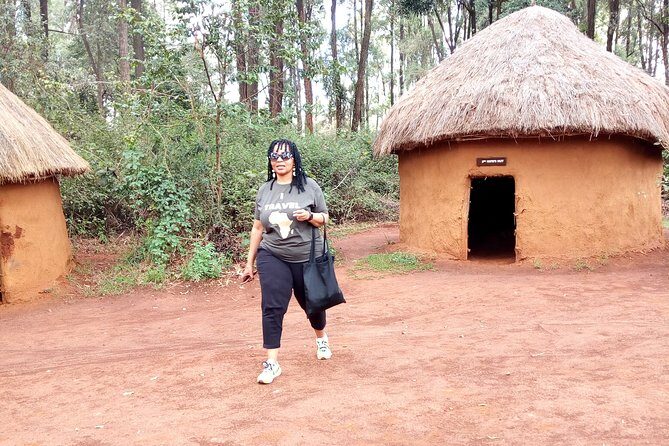
If you want a short, guided, see-it-for-yourself Maasai village day from Arusha, I think this tour can be a solid pick—especially because water, lunch, and private transport are included and the day focuses on agriculture and food preservation, not just photo poses.
But I’d book with your eyes open. The biggest potential weakness is schedule tightness. Make sure you know how long you’ll spend at the main village stop at Okikareti, because that’s the moment that determines whether the day feels meaningful or rushed.
If you go in expecting a guided overview plus a scenic finish, you’ll likely enjoy it more. If you’re the type who needs deep, slow conversation and lots of unhurried time, you may want a different format.
FAQ
FAQ
How long is the Maasai Village Tour from Arusha?
The tour lasts about 5 hours.
What time does the tour start, and where is the meeting point?
The start time is 7:30 am, and the meeting point is Mvuli Hotel on Kundayo Road in Arusha (16114), Tanzania.
Is pickup included?
Yes. Pickup is offered.
What’s included in the price?
Water, lunch, private transportation, admission ticket(s), and a Maasai zoo visit are included as part of the tour features.
How many people are in the group?
The tour has a maximum group size of 15 travelers.
What is the cancellation policy?
You can cancel for a full refund up to 24 hours before the experience’s start time. Free cancellation is available, and cancellations due to poor weather may offer a different date or a full refund.