REVIEW · MOSHI
5 Days Marangu Route Kilimanjaro hiking
Book on Viator →Operated by BEST Kilimanjaro CLIMB | HIKE | BIKE TREK | Tanzania Safaris from Moshi & Arusha · Bookable on Viator
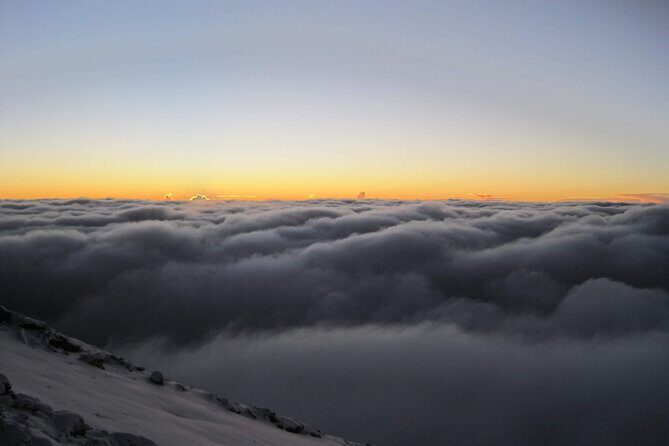
Kilimanjaro is loudest at night. This 5-day Marangu Route hike is built for a steadier pace, with hut sleeping and a guided team pushing you toward Uhuru Peak. You’ll also chase one of the best Kilimanjaro moments: sunrise at Gillman’s Point, right on the crater rim.
What I really like is how the trek stays “walkable” from a technical point of view while still giving you big-mountain drama. I also like that you’re not doing this solo: the operation includes a guide, cook, porters, and a crew built to keep things running, with people like Muddy, Mudi, Daniel, and Martin mentioned as standout leaders.
One thing to consider: even on the easier Marangu path, the summit push is still steep, cold, and mentally demanding. If you hate starting in the dark (midnight to 2am), this part will feel like the longest day of your life.
In This Review
- Key things to know before you go
- Marangu Route Kilimanjaro: A steady climb toward Uhuru Peak
- Price and what you actually get for $1,014 in Moshi
- Day 1: Rainforest to Mandara Hut, plus Maundi Crater side views
- The practical angle
- Day 2: Open moorlands to Horombo, with Mawenzi and Kibo in view
- Why this day matters for summit odds
- Day 3: The saddle between Kibo and Mawenzi and the moonscape feeling
- What I’d focus on here
- Day 4: Midnight summit start, Gilman’s Point, then Uhuru Peak
- My blunt advice
- Day 5: From moorland down to Mandara and the forest to Marangu Gate
- What the guided crew experience feels like in real life
- Sleeping in huts: easier logistics, different mountain expectations
- What to pack for a 5-day Kilimanjaro Marangu climb
- Who should choose this trek, and who should rethink it
- Should you book this 5-day Marangu Route to Uhuru Peak?
- FAQ
- How long is the Kilimanjaro hike on this Marangu route?
- Where does the trek start and what time does it begin?
- Does this tour include a guide and crew?
- Do you sleep in huts or tents?
- What meals are included?
- Are park fees included in the price?
- Is tipping included?
- Is there free cancellation?
Key things to know before you go
- Marangu is the gradual option: famous as the Coca-Cola route, with a smoother climb profile than many alternatives.
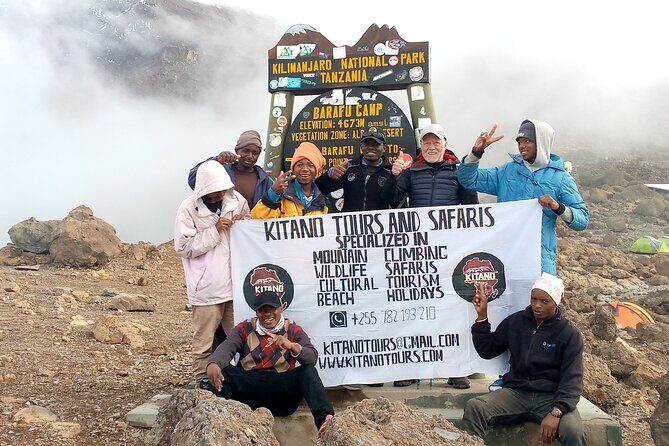
- Hut sleeping during the trek: you sleep in huts, not tents, which changes the whole feel of the trip.
- Summit night starts in the dark: expect a midnight to 2am start and very cold conditions.
- Wildlife and forest vibes early: day one runs through rainforest with eucalyptus, birdlife, and Colobus monkeys.
- Moonscape scenery at altitude: day three shifts from upper heathland into barren-looking terrain between Kibo and Mawenzi.
- A big crew helps you feel safe: multiple named guides and a full support team show up in the experience.
Marangu Route Kilimanjaro: A steady climb toward Uhuru Peak
If you want Kilimanjaro without the constant “technical workout” feeling, the Marangu Route is the classic choice. It’s often called the Coca-Cola route because it’s more gradual and direct, meaning you can focus on breathing, rhythm, and staying calm instead of fighting steep scrambling.
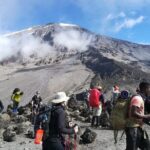
This is also a route that mixes ecosystems nicely. You start in rainforest, move into moorland, then rise into the barren zone. By the time you’re approaching Uhuru Peak, you’re dealing with thin air, cold, and a trail that can turn into heavy scree. That shift is part of the magic. The mountain doesn’t just get higher; it changes character.
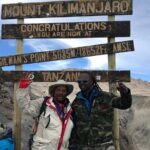
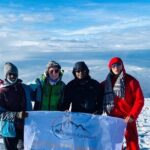
And yes, you’ll get the big payoff. Uhuru Peak is Africa’s highest point, and your guide will help you reach it and keep the group moving. You’ll also have time for the summit photo moment that people dream about when they plan this trip.
You can also read our reviews of more hiking tours in Moshi
Price and what you actually get for $1,014 in Moshi
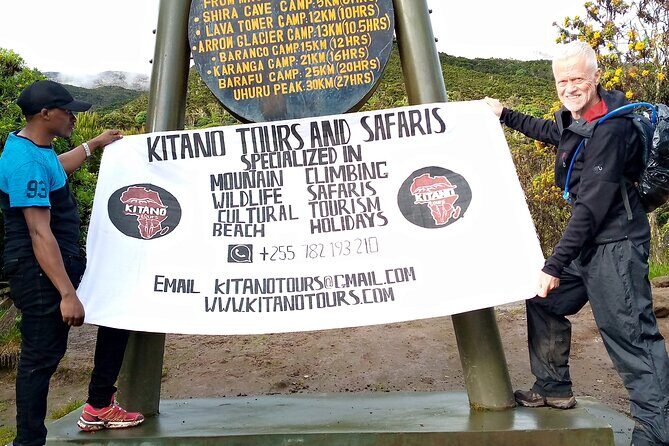
At $1,014 per person, this trek sits in the “serious but structured” category. What you’re paying for is not just the hiking. You’re buying the whole machine: guide, crew roles, cooking, porters, transfers to the gate, and hut-based sleeping while you walk up through major altitude zones.
Here’s what’s clearly included in the package:
- A guide, cook, and porters, plus crew wages and fair-salary support
- Gate transfer
- Hut sleeping during the climb
- Meals across the trekking days (breakfast, lunches, and dinners are listed as part of the included services)
What’s not included is important for budgeting:
- Park fees and tax
- Tipping the crew
- Visa-related items, flights, and personal expenses
So the value question comes down to this: do you want a managed Kilimanjaro plan where you’re not hiring staff yourself? If yes, the price starts to make sense fast. If you’re the type who wants full control and can plan logistics on your own, you might compare costs elsewhere. For most people, though, having the support team handled is the difference between “I hope this works” and “I’m ready.”
Day 1: Rainforest to Mandara Hut, plus Maundi Crater side views
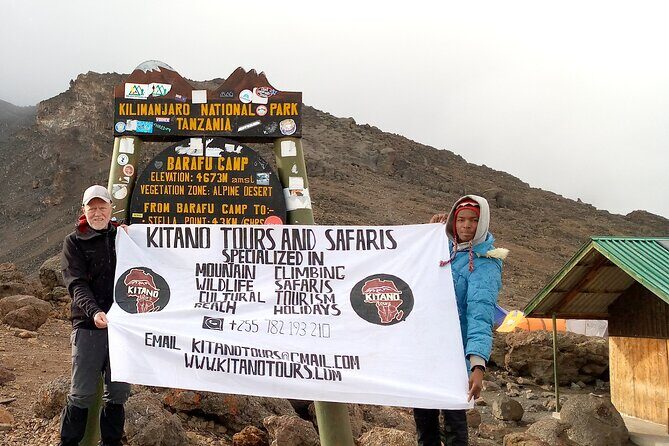
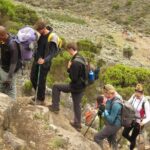
Your trek begins with a drive to the Kilimanjaro National Park gate (about 45 minutes after briefing). After you register, the hike starts through rainforest, which is a big deal on a Kilimanjaro route. Early on, you’re not just thinking about altitude; you’re also surrounded by living green—towering eucalyptus trees, birds, and you might spot Colobus monkeys.
You’ll hike to Mandara encampment and sleep at Mandara Hut. The altitude jump for day one runs roughly from 1,700m to 2,740m while covering about 7 km. That’s a solid “warm up” day: long enough to feel like a trek, short enough to keep you from arriving exhausted.
There’s also a side trip to Maundi Crater, which can add variety to your first day. Even if you don’t get every single view you hoped for, crater terrain gives you that Kilimanjaro feeling early: volcanic geography, dramatic angles, and a sense of scale that’s hard to grasp from down low.
The practical angle
Day one is where you learn your pace. If you go out too fast here, you pay for it later at altitude. Start steady, breathe, and keep your energy for the nights.
Day 2: Open moorlands to Horombo, with Mawenzi and Kibo in view
Day two pushes you out of the rainforest and into open moorlands. This is the day where the trail stops being lush and starts looking more spacious—and where the views start rewarding you every few bends.
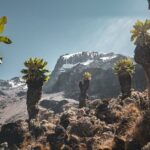
You’ll hike up toward Horombo encampment (about 8 hours walking). The scenery highlight is Mawenzi and Kibo in the distance, which makes the climb feel real. Look for giant lobelias and groundsels along the way.
Here’s the consideration: altitude may start to bite. The route description notes you may begin to feel the effects of altitude on this day. That means you should treat day two as a “listen to your body” day. If you get headaches or nausea, don’t try to power through out of stubbornness. Tell your guide early. A good crew watches the whole group, not just the distance on the GPS.
A few more Moshi tours and experiences worth a look

Why this day matters for summit odds
Your summit success is heavily influenced by how you handle altitude adjustment. Even though Marangu is the easier route profile, your body still needs time to adapt. Day two is part of that plan.
Day 3: The saddle between Kibo and Mawenzi and the moonscape feeling
Day three is where the trail vibe changes fast. You walk toward the saddle of Kilimanjaro between Kibo and Mawenzi. You’ll also pass the last watering point, which is a reminder to manage hydration before you reach higher, drier terrain.
Vegetation starts with upper heathland, then gradually disappears into what’s described as “moonscape.” That word fits the look: fewer plants, more rock, and a feeling that you’ve crossed a line into the harshest part of the mountain.
The altitude range listed for day three is roughly 3,700m to 4,700m, and the distance is about 10 km over 6–8 hours. You’ll then have dinner, rest, and prepare for the summit night.
What I’d focus on here
Day three isn’t about speed. It’s about setting yourself up for the cold and dark of summit night. Eat what’s offered, drink steadily, and sleep as much as your nerves allow. If you can, treat the final hours before bed like a mini recovery session.
Day 4: Midnight summit start, Gilman’s Point, then Uhuru Peak
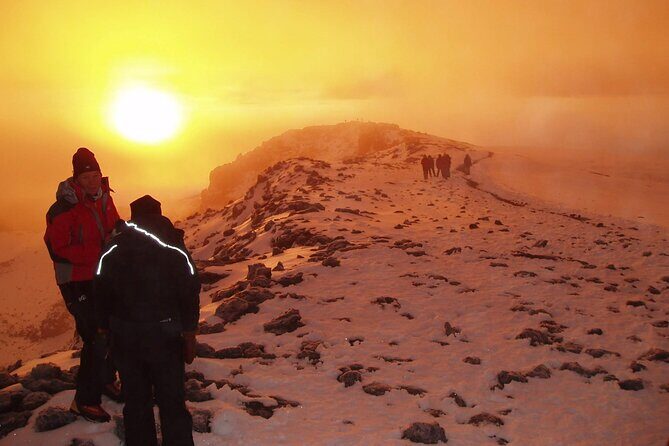
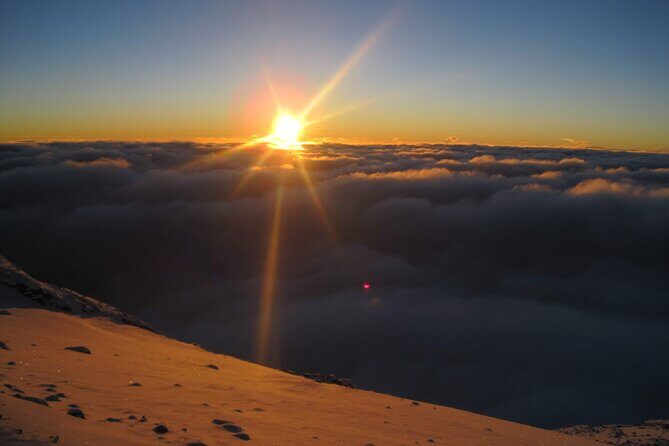
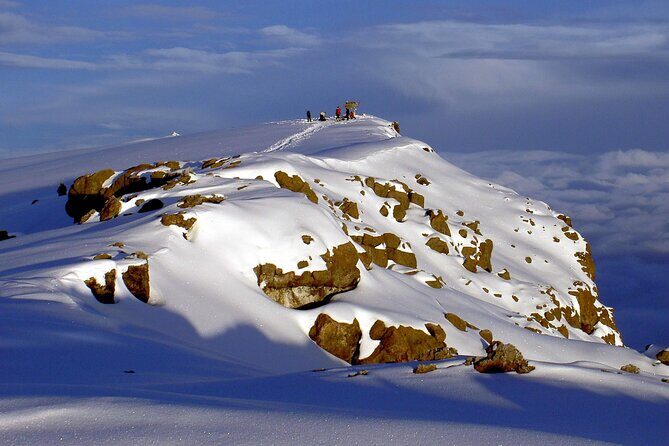
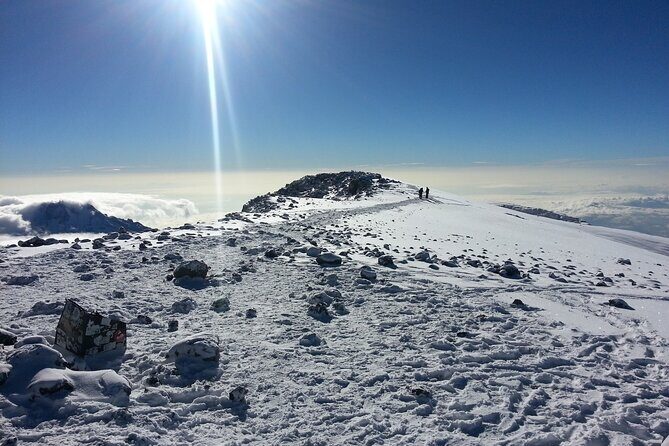
This is the day people remember forever, for good reason. You start very early—between midnight and 2am—and climb steep terrain up toward Gilman’s Point on the crater rim. The trail is described as steep and heavy scree or snow, so traction and careful foot placement matter.
From Gilman’s Point, you continue to Uhuru Peak, the highest point in Africa. Expect views at every turn. The guide also organizes the moment you’re there for: a picture taken at the summit so you can show friends and family what you actually did.
After that, you descend. You stop for lunch and rest at Kibo, then continue down to Horombo encampment. The beginning of the descent after summit is when it starts to feel more manageable, but conditions can stay brutal for a while.
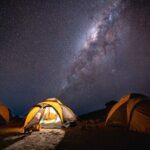
A key note in the route description: summit night is done in the dark. That means you need headlamps or flashlights, plus warm layers. It gets very cold until you start descending.
My blunt advice
If you’re cold easily, plan like it. Warm layers and good layering habits are part of your safety strategy here, not comfort fluff.
Day 5: From moorland down to Mandara and the forest to Marangu Gate
Day five is your reward day. After breakfast, you take a steady descent through moorland down to Mandara Hut, then continue into a lush forest path toward the National Park gate at Marangu.
The altitude drops from about 3,700m to 1,700m. You’ll cover around 18 km, typically 5–7 hours. This is long, but it’s moving in the right direction.
One thing you should take seriously: lower elevations can be wet and muddy. The route guidance suggests gaiters and trekking poles to help. Shorts and t-shirts might be enough at lower points, but keep rain gear and warmer clothing handy because mountain weather can flip fast.
At the end, you meet a vehicle at Marangu Gate to return to your hotel in Moshi or Arusha. It’s also a good moment to remember the human side of the climb. The tour info explicitly reminds you to tip your Tanzanian guides and porters if you want to show appreciation.
What the guided crew experience feels like in real life
This trek is run with a real support team: guides, cook, porters, and crew roles that keep you fed, moving, and safe. The reviews tied to this operation highlight a few patterns that matter to you as you hike:
- Guides who keep you motivated when it hurts
- A team that helps when someone in the group needs extra support
- A sense of organization on summit night, when conditions can shake confidence
- Good, filling meals that keep you going through long walking days
In the named examples, guides like Muddy, Tadey, Mudi, Martin, David, and Daniel show up as leaders people trust. That doesn’t guarantee your exact guide name, but it does tell you the operator takes staffing seriously.
If you like mountain travel where the details are handled and you can focus on your own pace, this kind of crew-based approach is exactly what you want.
Sleeping in huts: easier logistics, different mountain expectations
A big feature of the Marangu plan is that you sleep in huts during the climb. That changes the whole day-to-day feel. You don’t have to manage tents on your own schedule, and the nights become more about rest and warmth management than gear setup.
Hut sleeping also means you’re living on a schedule with your group. You’ll spend time resting, eating, and getting ready for the next section of trail. That fits well with a 5-day timeline because it keeps the rhythm controlled.
Still, huts don’t make altitude disappear. You can sleep and still feel the cold and thin air. The summit night reminder matters most: you’re wearing warm layers and moving carefully through heavy scree or snow.
What to pack for a 5-day Kilimanjaro Marangu climb
You don’t need fancy gear for Kilimanjaro, but you do need smart gear for cold nights, wet trail sections, and long days.
Based on the route notes, pack with these points in mind:
- Headlamp or flashlight for the midnight-to-early-morning summit start
- Warm layers for very cold conditions until you start descending
- Rain gear, because lower parts can be wet and muddy
- Trekking poles and gaiters to help on slippery, muddy sections
- Shorts and t-shirts might work for lower elevations, but bring layers for the upper cold
If you’re missing one item—especially headlamp or warm layers—you’ll feel it more on summit night than anywhere else. That day is why you came, and it demands your best preparation.
Who should choose this trek, and who should rethink it
This 5-day Marangu hike is best for you if:
- You want a route known as easier on the legs and more gradual in profile
- You prefer hut sleeping over camping logistics
- You like traveling with a staffed crew and a clear plan
- You’re aiming for the Kilimanjaro experience with a realistic 5-day structure
You might rethink it if:
- You strongly dislike early, dark starts (summit night begins between midnight and 2am)
- You want a very flexible, self-guided style of trekking
- You’re not comfortable with cold, especially during the steep push up toward Gilman’s Point and Uhuru Peak
Also note the group size note: the activity listing allows up to 100 travelers. That means the vibe can range from calm to busy depending on the exact day and group. You’ll do best if you can handle waiting for logistics and keeping your own pace regardless of crowd energy.
Should you book this 5-day Marangu Route to Uhuru Peak?
I think this is a good choice if you want Kilimanjaro with support, hut comfort, and a route profile designed to be more manageable. The Marangu path gives you rainforest and wildlife early, moorlands and big views mid-trek, and then the crater experience that makes Kilimanjaro feel like Kilimanjaro.
Book it if:
- Your priority is reaching Uhuru Peak with a guided plan and meals handled
- You want the summit moment without the extra complexity of a more technical route
- You appreciate a crew-based approach with guides who motivate and manage safety
Consider another option if:
- You’re not okay with summit night cold and steep, scree-heavy walking
- You want fewer group dynamics and more independence
- You’d rather budget your own park fees, tipping, and logistics instead of working within a set package
If you can handle the dark start and the cold, this trek gives you a very direct path to the summit dream—plus the classic Marangu “gradual climb” feel that makes the whole thing more human.
FAQ
How long is the Kilimanjaro hike on this Marangu route?
It runs for about 5 days.
Where does the trek start and what time does it begin?
The start is at Cable Millan, 3445 Rengua Rd, 3445, Tanzania, and the start time is 8:30 am.
Does this tour include a guide and crew?
Yes. The package includes a guide, cook, and porters, along with crew wages.
Do you sleep in huts or tents?
During the climb, you sleep in huts.
What meals are included?
Meals included are breakfasts and lunches, plus dinners during the trekking days (listed as dinner, breakfast, and lunch in the included services).
Are park fees included in the price?
No. Park fees and tax are not included.
Is tipping included?
No. Tipping the crew is not included.
Is there free cancellation?
Yes, you can cancel for free up to 24 hours in advance for a full refund.