REVIEW · KILIMANJARO
Kilimanjaro Climbing 5 days Marangu route
Book on Viator →Operated by Kilinge Adventures · Bookable on Viator
Kilimanjaro hits harder than you expect. This 5-day Marangu route focuses on steady acclimatization, with guides and hut stays that keep you moving from rainforest to Uhuru Peak.
Two things I really like: the hands-on support from guides such as Victor and Thomas, and the food setup that can be very accommodating (including vegan diets, when needed). One thing to watch: the Kilimanjaro National Park fee isn’t included, and the amount can feel like a surprise if you don’t plan for it.
From Mandara Hut to Horombo, then on toward Kibo, the pacing is the whole game—and this itinerary lays it out in a way you can actually manage. You start with pickup from Moshi, hike with a full team (guides, porters, cooks), and finish with a descent that gets you out of the altitude grind faster than longer routes. Still, it’s a demanding climb, and you’ll need real stamina and patience on the long walking days.
In This Review
- Key Highlights You’ll Care About
- Marangu Route to Uhuru Peak: What You’re Really Buying
- Moshi Pickup and Getting to the Trail Without Stress
- Day 1: Marangu Gate to Mandara Hut (4 Hours Through the Rainforest)
- Day 2: Mandara to Horombo Hut (The Long Alpine-Moor Stretch)
- Day 3: Horombo to Kibo Hut (Upper Route, Mawenzi Foot, and Acclimatization)
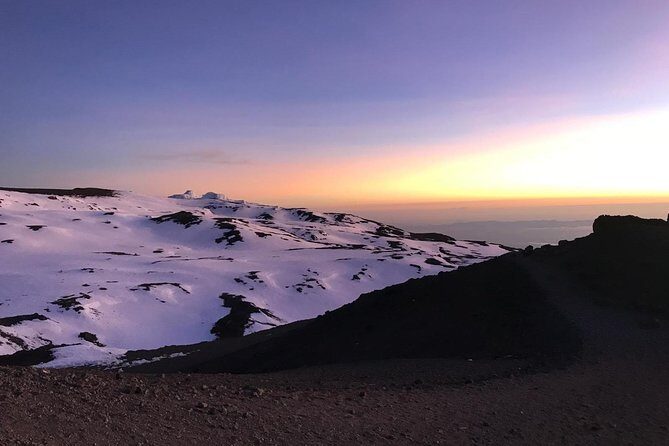
- Day 4: Summit Night Starts Around 11pm (Midnight for Uhuru Peak)
- Day 5: Horombo Down to Mandara, Then Back Through the Forest
- Guides, Porters, and Food: The Team Is Part of the Product
- Huts, Comfort, and What “Included” Actually Means
- Price and the Costs to Watch With Kilimanjaro National Park Fees
- Weather, Timing, and What “Good Conditions” Really Means
- Who Should Choose This 5-Day Marangu Program
- Practical Prep Tips That Actually Help
- Should You Book This 5-Day Marangu Route With Kilinge Adventures?
- FAQ
- How long is the Kilimanjaro climb on the Marangu route?
- What route does this itinerary follow?
- What time does the experience start?
- Is pickup from Moshi included?
- What’s included in the price?
- What is not included?
- Where does the trip start and end?
- Is a mobile ticket provided?
- What is the cancellation policy?
Key Highlights You’ll Care About
- Pickup from Moshi to get you to the climb without extra chaos
- Summit push timing: wake-up around 11pm, start for Uhuru Peak at midnight
- Hut-based trekking: Mandara, Horombo, and Kibo nights make the “5 days” feel more structured
- Food and water included: large portions, healthy meals, and purified drinking water
- Guides named in the wild: Victor, Thomas, and Tyson are cited for support and organization
- Plan for park fees: the park fee is excluded, and it can add a meaningful cost
Marangu Route to Uhuru Peak: What You’re Really Buying
The Marangu route is often called the classic route for a reason. It’s hut-based, it runs on a straightforward schedule, and it’s designed so you can concentrate on acclimatization instead of constantly “figuring things out” on trail. Over five days, you’re not trying to race the mountain—you’re trying to give your body a chance to adapt.
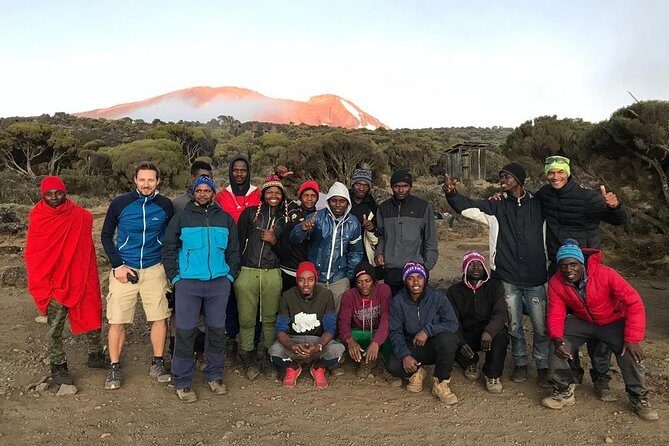
This is also the kind of itinerary where your team matters a lot. You’ll be hiking with professional mountain guides, plus porters and cooks who handle the big logistics: carrying gear, setting up camps/huts, and keeping meals moving. That means less mental overhead for you, which is exactly what you want when the air thins out.
One more value angle: the way the itinerary is paced. You spend a full day climbing to Horombo Hut at 3,700m after a forest start, then another day moving toward Kibo with an acclimatization focus. If you like a plan you can follow without surprises, the Marangu structure fits that style.
A few more Kilimanjaro tours and experiences worth a look
Moshi Pickup and Getting to the Trail Without Stress
This climb is built around starting in the Moshi area, and the operator offers pickup. That matters more than it sounds. Kilimanjaro days are early and busy, and the last thing you want is losing time to transport, language confusion, or “where do we meet?” moments.
Your listed start time is 8:00am, and the experience begins at the Kilimanjaro area meeting point (with the activity ending back there). Practically, that usually means an organized drive to the Marangu Gate area so Day 1 can start with the forest trail right away.
Also note the small operational ceiling: the group cap is up to 50 travelers. For a mountain trip, that’s not tiny, but it’s also not the kind of mass-market crowd where you feel lost. You still get a guided rhythm—especially important during the long walking stretches.
Day 1: Marangu Gate to Mandara Hut (4 Hours Through the Rainforest)
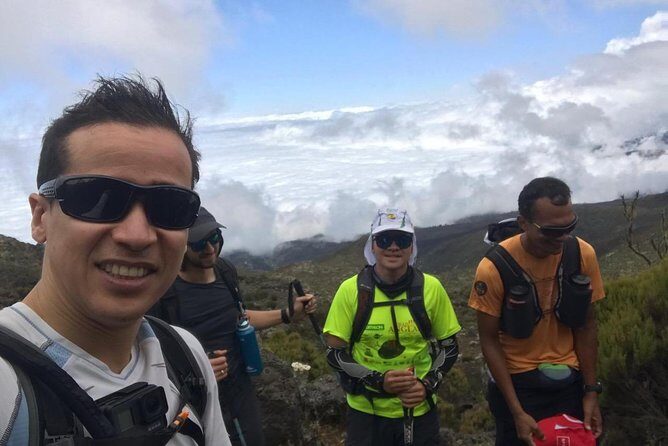
Day 1 begins at the Marangu Gate around 1,600m, right at the forest entrance. You’ll climb through lush rainforest—steady, not frantic. The goal is to start feeling the effort, while your body is still in the comfortable altitude range.
The walk to Mandara Hut at about 2,700m takes around 4 hours at a gentle pace. “Gentle” is the key word here. You’ll probably feel warm and sweaty early, and that can trick people into going too fast. Slow steps win on Kilimanjaro. If your breathing tightens, you’re going too hard.
Mandara is a real transition zone: you go from jungle comfort into colder nights. Expect that first day to set the tone for how you’ll pace for the rest of the trek. If you learn to move calmly now, the later days feel less like a shock.
Day 2: Mandara to Horombo Hut (The Long Alpine-Moor Stretch)
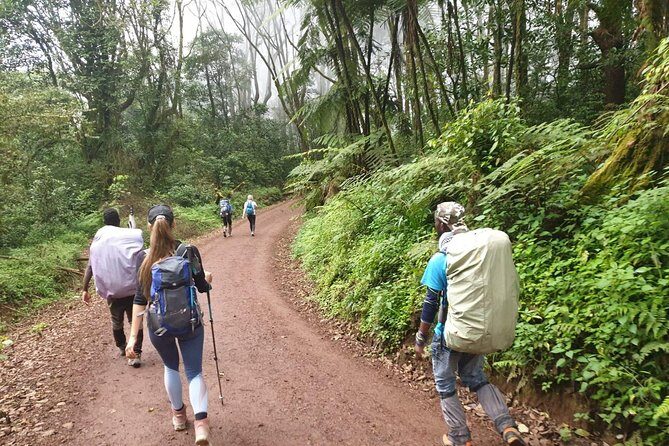
On Day 2, you leave Mandara around 9:00am. The first part still runs through rainforest, and then the trail emerges into alpine moorland. That change matters because it often brings more wind and exposure, plus cooler temperatures.
You’ll hike about 7 hours to Horombo Hut at 3,700m. This is one of the “you earn altitude” days. It can feel long, but it’s also the day that helps your body get used to higher elevation.
Horombo at 3,700m is where many people start to feel the altitude clearly—not necessarily dangerous, just noticeably tiring. You’ll want to keep moving at a consistent pace, drink regularly, and pay attention to how you’re breathing. The hut night is where you reset.
Day 3: Horombo to Kibo Hut (Upper Route, Mawenzi Foot, and Acclimatization)
Day 3 brings a more serious hiking profile. There are two paths from Horombo to Kibo, and the itinerary describes the “upper route” as older and quite steep uphill from Horombo toward the foot of Mawenzi, with about a 600m climb, then a descent to the saddle area.
Then you continue onward to Kibo Hut. The big idea of Day 3 isn’t just getting higher—it’s adjusting your system for what comes next. The summit night doesn’t care how strong you think you are. It cares whether your body can handle the thin air for hours in the cold.
This is where supportive guiding can really change your experience. Guides like Tyson and Thomas are repeatedly cited for keeping people going—morally and physically—when legs feel done and the head starts negotiating with you.
Practical tip for Day 3: keep your effort small. You should finish the day feeling tired, not wrecked. If you feel like you’re sprinting to “win” the mountain, you’re burning your best energy too early.

Day 4: Summit Night Starts Around 11pm (Midnight for Uhuru Peak)
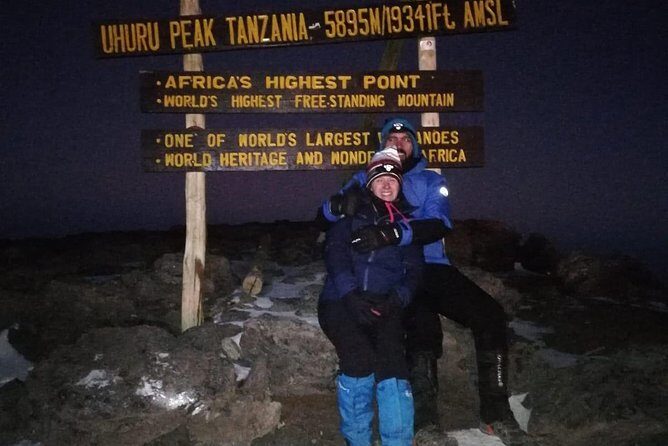
This is the night you plan your whole trip around. You’re typically woken at about 11pm, dressed in all your warm layers, and given a hot drink. Then you set off for the summit around midnight.
The altitude drama starts here. Even in good conditions, the climb is physically demanding. You’ll be moving in the cold, often with limited visibility early on, and with that thin-air feeling that makes every step slower.
The good news: this itinerary is structured. You’re not wandering, guessing, or improvising. Your guide handles timing, pacing, and route management during the summit push.
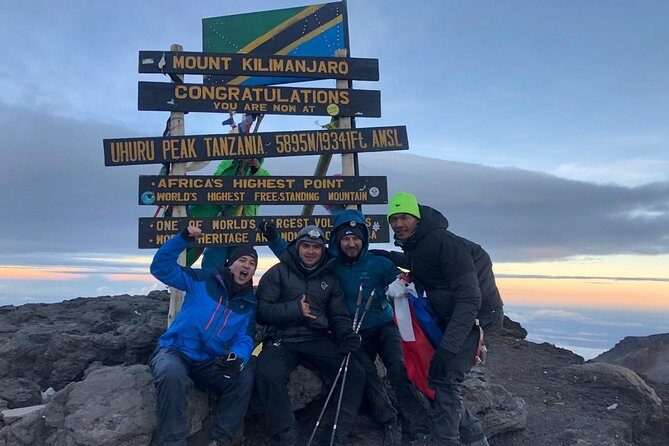
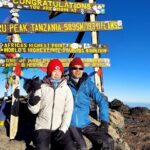
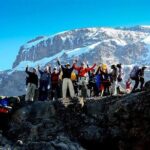
When you reach Uhuru Peak, the satisfaction can be enormous. But don’t make the mistake of treating the summit as the end. The real work continues on the way down, where fatigue can make people careless. Your team’s job is to keep you safe as you descend back toward Horombo Hut.
Day 5: Horombo Down to Mandara, Then Back Through the Forest
Day 5 is shorter on paper, but it still requires focus. The descent from Horombo to Mandara takes around 3 hours. Then you continue the final stretch down through the forest to Marangu Gate, adding roughly 2 more hours.
This is where your body feels the cost of five days. Your legs may complain, and your feet may feel every rock. But because you’re descending, the altitude pressure eases, which is a relief.
What makes Day 5 valuable is that it converts the hard part into completion. You’re moving out of the altitude grind and back toward the world where you can breathe normally again.
Guides, Porters, and Food: The Team Is Part of the Product
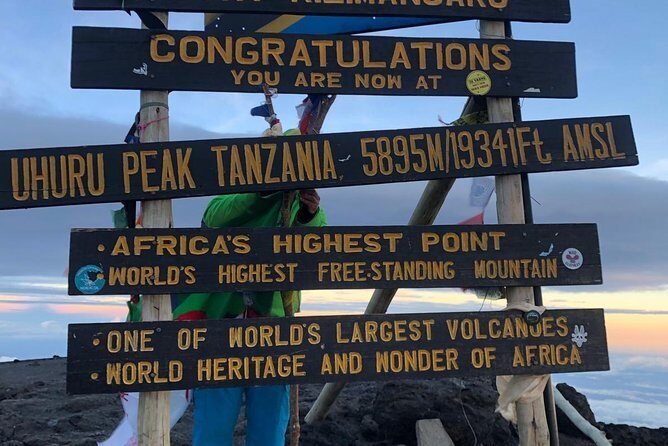
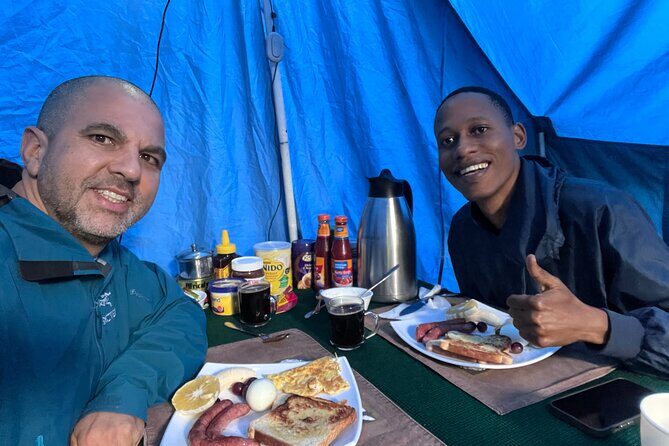
This trip includes mountain guides, porters, and a cook team (salaries are included). You’ll also get breakfast, lunch, and dinner, with large portions of fresh, healthy, nutritious food. Clean, purified drinking water is included too.
Why does this matter so much? Because Kilimanjaro success is partly logistics. If you’re hungry, cold, or dehydrated, your climbing becomes harder fast. Having reliable meals and water helps you stay steady even when you’re not feeling great.
I also love the way this operator’s food flexibility comes up in real-world feedback. The kitchen has accommodated vegan diets for some climbers. If you have dietary restrictions, it’s worth mentioning them clearly when you book so the team can prepare in advance.
Porters get real respect here. Several accounts highlight porters being warm, smiling, and carrying heavy loads while still keeping the mood up. That doesn’t just make for nice vibes—it keeps the pace manageable, because gear stays moving instead of piling into delays.
Huts, Comfort, and What “Included” Actually Means
On Marangu, you’re not sleeping in a wild tent camp every night. You’ll stay in mountain accommodation at the huts (Mandara, Horombo, Kibo), and that changes the feel of the trek. It’s more predictable and often more comfortable than fully camping routes.
One practical detail that’s come up: sleeping bag and warm clothing/loungewear can be provided in the sense that guests report having equipment for comfort. Still, you should plan to bring your own key cold-weather layers, because summit night is cold and you’ll want what fits you best.
Food is included each day, but you’ll still want to carry a water routine and snacks you can access quickly. Even with full meals, you’ll likely want small energy boosts during long walking hours.
The huts are also a decompression zone. You’ll be tired, your body will feel “different,” and you’ll want to rest and warm up. Use that time for what matters: hydrate, eat, sleep, and don’t waste energy worrying about tomorrow.
Price and the Costs to Watch With Kilimanjaro National Park Fees
The listed price is $900 per person for a 5-day Marangu climb. For many people, that’s a reasonable starting point—especially because the trip includes guides, porters, cook salaries, mountain accommodation, meals, and purified water.
But Kilimanjaro is rarely just the headline number. The Tanzania visa is not included (noted as $50 per person on arrival), and the Kilimanjaro National Park fee is also not included. That park fee can vary by route, and some climbers have reported needing an additional amount per person when the park-fee topic came up late.
My advice: ask for the full cost picture before you’re committed. Get clarity on what you’ll pay for the park fee for the exact route you’re doing, and confirm when it’s due. Even if the operator is fair and organized, last-minute surprises can wreck the mental calm you need for the climb.
Also remember: alcoholic beverages and personal expenses are not included, and tips aren’t included. If you’re the type who hates thinking about money during hard days, budget those items ahead of time.
Weather, Timing, and What “Good Conditions” Really Means
This experience requires good weather. If conditions are poor, the operator may cancel and offer a different date or a full refund. That’s important because summit attempts depend on safety and visibility.
Plan your travel around flexibility if you can. Kilimanjaro doesn’t run like a city bus. Weather systems can change, and you don’t want to be stuck if the climb gets moved.
Day timing also matters. You’re starting early, walking long stretches, and then doing a summit push that begins around midnight. That means you’ll spend more time in a daily rhythm than “tour sightseeing.” If you want museums and markets, this isn’t that trip. If you want a real mountain challenge with structure, it fits.
Who Should Choose This 5-Day Marangu Program
This climb is a good fit if you have moderate physical fitness and you want a structured hut-route with a strong support team. You don’t need to be a hardcore hiker to do Marangu, but you do need stamina for long days and cold nights.
It also suits you if you value human support. Names like Victor, Tyson, and Thomas show up as guides who helped people stay positive and keep moving. You’ll likely feel more confident knowing the team expects the hard moments and has a plan for them.
Choose a different option if you’re looking for a low-effort experience. Five days on Kilimanjaro still asks a lot of your lungs, legs, and patience. This is not a stroll, even if the pace is gentle.
Practical Prep Tips That Actually Help
If you want the best shot at feeling good on the mountain, prep for walking time more than hero workouts. The itinerary has multiple long hiking hours: around 4 hours Day 1, 7 hours Day 2, a steeper Day 3, and then a long night summit on Day 4.
Train with hills if you can, and practice slowing your pace when breathing gets heavy. On summit night, your speed won’t matter as much as your ability to keep steady rhythm.
Bring gear you trust and layers that pack well. Nights near Kibo and on summit are where cold sneaks up. Warm clothes in multiple layers beat one bulky item.
Finally, plan your mindset. Summit night starts with wake-up around 11pm. You’ll need to be okay with discomfort for hours. The better you are at accepting slow steps, the more likely you are to reach the top without burning out early.
Should You Book This 5-Day Marangu Route With Kilinge Adventures?
I’d book this program if you want a classic Marangu hut-route, reliable meals and water, and a team built around carrying the heavy stuff so you can focus on hiking. The repeated praise for guides (like Victor and Thomas) and the cook team (including accommodations for vegan diets) makes it easier to feel confident you’ll be cared for during the tough parts.
Before you pay, though, do one smart move: confirm the Kilimanjaro National Park fee for your exact route and when it will be collected. That’s the only recurring “wait, what?” cost signal in the details you shared.
If you can handle a big climb with early starts, cold summit-night effort, and long walking days, this is a solid value way to take on Uhuru Peak on a five-day Marangu schedule.
FAQ
How long is the Kilimanjaro climb on the Marangu route?
The climb runs for 5 days (approximately).
What route does this itinerary follow?
It follows the Marangu route: Marangu Gate to Mandara Hut, to Horombo Hut, to Kibo Hut, up to Uhuru Peak, then back down to Horombo, Mandara, and finally the Park Gate/Marangu Gate area.
What time does the experience start?
The start time is listed as 8:00am.
Is pickup from Moshi included?
Pickup is offered, and the itinerary notes pickup from your hotel in Moshi.
What’s included in the price?
Included are breakfast, lunch, dinner, all mountain-night accommodation, professional mountain guides, guides/porters/cook salaries, large portions of fresh healthy food, and clean purified drinking water.
What is not included?
Not included are alcoholic beverages, the Tanzania visa (noted as $50 per person on arrival), personal expenses (laundry, phone, beverages, and similar items), optional tours after your climb, tips, and the Kilimanjaro National Park fee.
Where does the trip start and end?
The meeting point is listed at Kilimanjaro International Airport area, and the activity ends back at the meeting point.
Is a mobile ticket provided?
Yes, the listing notes a mobile ticket.
What is the cancellation policy?
You can cancel up to 24 hours in advance for a full refund; within 24 hours, the amount paid is not refunded.