REVIEW · ARUSHA
4 DayTanzania Great Wildebeest Migration Tour inside Serengeti
Book on Viator →Operated by MERU SLOPES TOURS AND SAFARIS · Bookable on Viator
The Great Migration in 4 days feels unreal. This Serengeti-to-Ngorongoro safari is built for big cat odds, tight timing, and real animal encounters. I like that you get focused game drives in the Serengeti, not just a drive-through checklist, and then you switch to Ngorongoro for the Big Five-style crater game viewing. One thing to consider: this is an animal-at-their-own-pace trip, so sightings are never guaranteed, and rain can change plans.
Two things I especially like: first, the route is designed to keep you in the action early and often, starting from Arusha at 7:30 am and reaching the Serengeti for a solid first day of game viewing. Second, the tour includes a mix of Serengeti camping/campsite nights and a crater lodge night, so you get both “plains life” and the classic Ngorongoro crater feel. A possible drawback is the long days of driving and early starts, which can feel like a lot if you prefer a slow, laid-back pace.
In This Review
- Key things to know before you go
- Chasing the Great Migration without wasting days
- Price and logistics: what $900 really buys
- Getting from Arusha to the Serengeti rim road fast
- Day 1 in Serengeti: Naabai kopje picnic and first game drives
- Day 2: Serengeti’s heart, big predators, and migration-positioning
- Day 3: leaving Serengeti for Ngorongoro’s caldera and Rhino Lodge sunset
- Day 4: early crater drive, hippo lake picnic, and Big Five odds
- How guides like Mudy, Samuel, and Didas shape your odds
- What to pack for Serengeti heat and crater mornings
- Who this safari is best for (and who should think twice)
- Should you book this 4-day Serengeti and Ngorongoro safari?
- FAQ
- What time does the safari start?
- How long is the tour?
- How much does the tour cost?
- Is pickup included?
- Is the ticket digital?
- What’s included in the price?
- What’s not included?
- Can I cancel if weather is poor?
Key things to know before you go
- Small group size (up to 15) keeps the safari feel personal and helps your driver fine-tune the route.
- Private transportation + WiFi on board makes the transfer days less stressful than you might expect for the price.
- Naabai kopje picnic is a cool, specific stop with a chance to spot pink-headed lizards.
- Migration tracking flexibility means you follow the herd within northern, western, or southern Serengeti depending on where the action is.
- Ngorongoro early crater timing is built in, which matters because animals show best when the day is still cool.
- Guides with proven search skills show up in past trips, including guides named Mudy, Samuel, and Didas.
Chasing the Great Migration without wasting days
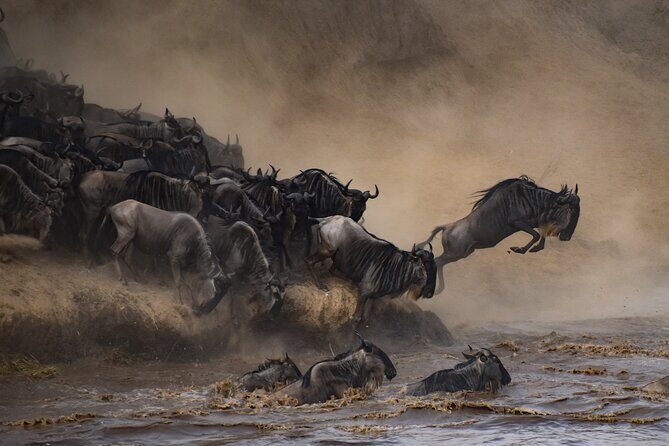
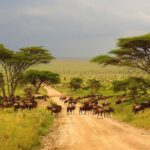
The Great Migration is famous for one reason: scale. More than a million wildebeest and zebras move across Tanzania’s Serengeti, and many eventually cross into Kenya’s Maasai Mara. On this 4-day run, you’re not trying to “see everything.” You’re trying to be in the right place at the right time for the best chances at predators, herd drama, and the kind of sightings that make you forget to eat lunch for ten minutes.
I like that the itinerary is structured around movement—you’re not stuck in one tiny pocket of the park. The day dedicated to Serengeti’s heart also emphasizes that there are animals in the park all year, so you’re not buying a fantasy based only on a specific month.
That also means you should mentally switch from “must-see moments” to “best-possible moments.” Your guide can position you, but the herds and predators still decide the final plot twist.
You can also read our reviews of more tours and experiences in Arusha.
Price and logistics: what $900 really buys
At about $900 for 4 days, the value looks solid when you look at what’s included. You get private transportation, meals (breakfast and lunch most days, plus multiple dinners), and park fees listed as included/free across the days. There’s also pickup offered and a mobile ticket, plus WiFi on board to keep the long transfer days from feeling like pure downtime.
Two costs you still need to plan for are straightforward: Tanzania visa and tips are not included. If you’re budgeting, don’t get surprised at the end with those.
The pace is active. Expect early starts and long stretches behind the wheel, especially when the driver is trying to keep you close to wildlife action. If that sounds like your idea of a good vacation, you’ll likely love this. If you’re the type who hates mornings before coffee, pack patience.
Getting from Arusha to the Serengeti rim road fast
You start at 7:30 am in Arusha, which is a smart move in safari land. Leaving early helps because animal activity often picks up before the day heats fully. It also gives you time for a first push into Serengeti while your energy is still high.
One practical detail: the ride to Serengeti goes along a road near the rim of Ngorongoro Crater. That matters because it can turn a simple transfer into a wildlife corridor—your driver can spot animals along the way, and the scenery starts selling the trip long before you reach the plains.
Day 1 in Serengeti: Naabai kopje picnic and first game drives
Day 1 is your “get your bearings fast” day, and it’s laid out well. After the morning drive into Serengeti, you stop for a picnic lunch on Naabai kopje, a small rocky hill in an otherwise flat area. Rocky outcrops attract life, so this type of stop often improves your odds of seeing reptiles and birds while you eat.
The standout detail here is the chance to spot pink-headed lizards. Even if you miss them, the hill-and-plains mix usually makes the area feel alive. After lunch, you continue into the plains for a more relaxed game drive, then sleep at Serengeti Camp.
That “first night in the park” choice is part of why this safari feels real. You’re not waking up to a town road and thinking about what you should have done yesterday. You’re already in the thick of it.
Day 2: Serengeti’s heart, big predators, and migration-positioning
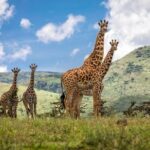
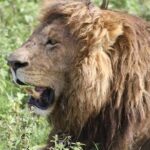
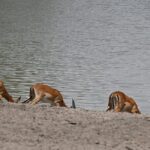
Day 2 is built around variety and real predator potential. The itinerary keeps you in the “heart of the Serengeti,” with an emphasis on seeing a broad mix of animals—lions, leopards, elephants, cheetahs, and water buffalo are all listed as likely. You’ll also see zebras and wildebeest, plus a long list of other park residents such as elands, hyenas, gazelles, crocodiles, giraffes, monkeys, baboons, hippos, rhinos, and antelopes.
That’s useful because it prevents a common safari disappointment: spending an entire day focused on just one species and coming away feeling shortchanged. Here, even if the migration drama isn’t peaking in your exact spot, you still have a menu of wildlife options.
The key “migration” piece is that your driver follows migration movement inside Serengeti across different parts—northern, western, or southern—depending on where the herd is at the time. This is exactly how you should want it. Herds don’t schedule themselves for your convenience.
One note from past safari experiences with this operator: some trips have included major migration moments such as river crossing action in northern Serengeti. You shouldn’t expect a guarantee, but it’s the type of event your guide will be watching for.
Night 2 is at Seronera campsite inside Serengeti, which keeps you close to the game during another morning and evening.
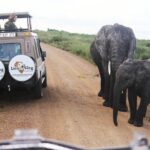
Day 3: leaving Serengeti for Ngorongoro’s caldera and Rhino Lodge sunset
Day 3 starts with the shift in scenery and animal style. You move from Serengeti and spend the night at Rhino lodge overlooking Ngorongoro’s unbroken caldera. That “overlooking the caldera” detail matters because Ngorongoro’s crater rim views can be jaw-dropping at sunset—especially after days on open plains.
Your schedule still includes a game drive with animal sightings and a picnic lunch before you head to Ngorongoro. Then you settle in, enjoy dinner prepared by the cook, and take in that evening view.
This is also your “last day of game drive in Serengeti,” so it’s worth treating it like a final chance day. If you’re hoping for a specific predator moment, you want to stay attentive and let your guide do what they’re hired to do: read the ground, check the herd, and use the roads and timing that make sense.
Day 4: early crater drive, hippo lake picnic, and Big Five odds
Ngorongoro Crater is the reason many safaris get booked twice. The crater creates an “oasis” effect with animals gathering around water, and that’s why your odds can feel stronger here than on open plains.
You start the day early—after breakfast, you move quickly into the crater because it’s the best time to spot animals. This is one of those practical safari truths: early starts often mean fewer crowds in the viewing spots and cooler conditions for animals to be active.
Then you enjoy a game drive around the crater, with a picnic lunch at a small lake within the park. The lake is listed as a place with hippos and migratory birds, so your lunch stop isn’t just a break—it’s part of the wildlife viewing plan.
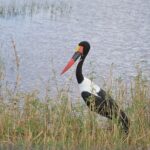
The tour also calls out a high possibility of seeing the members of the Big Five due to the crater’s animal concentration. The Big Five are listed in your itinerary as lion, elephant, leopard, rhino, and water buffalo. You’re also likely to see water birds like storks, ibis, and cranes.
A detail worth appreciating: the crater’s “tight” viewing environment can make wildlife sightings feel more immediate. When you’re standing at the right spot in the crater at the right time, animals can appear close and unexpectedly.
How guides like Mudy, Samuel, and Didas shape your odds
A safari is only as good as the person driving, scanning, and deciding where to go next. This tour is operated by MERU SLOPES TOURS AND SAFARIS, and the human touch shows up in past experiences through named guides.
For example, one safari experience credits a guide named Mudy for finding the Big Five including the elusive black rhino in Ngorongoro. Another credits guide Samuel for a honeymoon safari that covered central Serengeti plus travel up to northern Serengeti for migration viewing. A separate experience highlights Didas, noting his French ability and his skill at making the trip feel smooth and personal.
Even if you don’t get the exact same sightings as someone else, the point is real: guides who know how to locate animals and manage timing reduce “wasted sighting time.” That’s a huge part of value, especially on a 4-day schedule where you don’t have room for dead days.
You may also find the team helps with practical needs on arrival. One past note mentions help getting a SIM card at no cost and assistance with taxis. That kind of support doesn’t affect wildlife, but it affects how quickly you feel settled.
What to pack for Serengeti heat and crater mornings
Even with included meals and a planned schedule, you’ll enjoy the safari more if you pack for the actual conditions. Daytime can be hot, and crater mornings can feel cooler and more shaded. Bring layers you can remove fast, plus sun protection.
A few practical essentials:
- Binoculars (if you don’t already have a pair). Wildlife can be far, and binoculars save your photos from looking like a guess.
- Sunglasses + sunscreen for long drives and open plains.
- A camera strap you trust. You’ll move often—pause, scan, and shoot.
- Comfortable shoes for lodge walkways and crater viewpoints.
Also, don’t overpack your patience. When wildlife appears, your guide will likely want you ready. This is a trip that rewards staying alert instead of staring at the horizon like a statue.
Who this safari is best for (and who should think twice)
This tour fits best if you want:
- A true Great Migration focused trip that still includes major stops like Ngorongoro Crater
- A small group (up to 15) with private transport
- Lots of time on safari drives and enough structure to hit Serengeti and the crater within 4 days
It may not be ideal if you:
- Prefer very slow travel with lots of downtime
- Get cranky with early mornings and long driving days
- Need a trip where every single day is guaranteed to produce dramatic migration events
If you’re okay with wildlife being wild, this itinerary is designed for you.
Should you book this 4-day Serengeti and Ngorongoro safari?
I’d book it if your priority is a tight, high-odds itinerary: Serengeti game drives with migration positioning, then Ngorongoro for crater concentration and Big Five-style chances. The $900 price works best when you value what’s included—private transport, meals, and listed fees—while also planning for what isn’t, like visa and tips.
If you’re worried about missing the migration peak, treat this as a flexibility-first plan rather than a single-event gamble. The driver follows migration within Serengeti across different regions, and your crater day adds a strong alternative for standout wildlife viewing.
If you want the “I got the photos and the stories” balance without burning a full week, this is a smart way to do it.
FAQ
What time does the safari start?
The meeting point starts at 7:30 am.
How long is the tour?
It’s listed as 4 days (approx.).
How much does the tour cost?
The price is $900.
Is pickup included?
Pickup is offered.
Is the ticket digital?
Yes, the tour includes a mobile ticket.
What’s included in the price?
The tour includes private transportation, WiFi on board, all fees and taxes, plus breakfast (4), lunch (4), and dinner (5).
What’s not included?
The Tanzania visa and tips are not included.
Can I cancel if weather is poor?
Yes. The experience requires good weather, and if it’s canceled due to poor weather, you’ll be offered a different date or a full refund. You can cancel up to 24 hours in advance for a full refund.