REVIEW · MOSHI
8 Days Tanzania Adventure Tented Camps Safari
Book on Viator →Operated by Africa Joy Tours - Day Tours / Mult Day Tours · Bookable on Viator
Eight days of big-cat drama starts in Arusha. This safari route is built for first-timers who still want the classic Northern Circuit hits, with a private guide and real time in Serengeti and Ngorongoro (two UNESCO areas). I also like that it keeps your logistics tight—accommodations, meals, transfers, and game drives are bundled, so you spend more energy watching wildlife and less energy chasing paperwork.
The main thing to consider is timing. You’ll have early starts for game drives, and your best animal moments (and the chance to see migration herds) can depend on when you travel.
In This Review
- Key Things That Make This Safari Work
- First Nights in Arusha: Moivaro Coffee Lodge and a Calm Start
- Arusha National Park: Buffalo in Ngurdoto and Flamingos at Momela
- Tarangire National Park: Dry-Season Magic Along a Permanent Water Source
- Lake Manyara Game Drives: Birdlife, Rift Cliffs, and the Tree-Climbing Lions Chance
- Serengeti + Olduvai Gorge: The Human Past Meets the Big Plains
- Full Day Serengeti: Sunrise Drives and the Leopard-If-Lucky Formula
- Ngorongoro Crater Descent: Predators, Rhino Chances, and the Giraffe Problem
- Arusha Village Morning and Airport Return Without Drama
- Price and Value: What $3,400 Is Buying (and Why It Matters)
- Private Tour Feel: Who This Safari Suits Best
- Should You Book This 8-Day Tanzania Adventure?
- FAQ
- Which national parks are included?
- Are park fees, taxes, and meals included in the price?
- Is this a private safari?
- Where do you start, and how do you get from the airport?
- What kind of accommodation do you stay in?
- Do you get game drives, and are they included?
- Do I need travel insurance or medical coverage?
- Is the return transfer to the airport included?
- What’s the cancellation policy?
Key Things That Make This Safari Work
- Private guide and private transportation: your pace and interests steer the day.
- Two UNESCO sites: Serengeti plains plus a crater full of predators and big mammals.
- Real variety across parks: from coffee-country Arusha to river life in Tarangire and lake birds at Manyara.
- Game drives every day you’re in the parks: not just a one-and-done sightseeing shuffle.
- Tented-camp nights inside the action zone: you’re closer to wildlife than you’d be with day-trips only.
First Nights in Arusha: Moivaro Coffee Lodge and a Calm Start
Most safari stress comes from Day 1. This one helps you by meeting you at Kilimanjaro International Airport (JRO) with a driver pickup to Arusha. You’ll stay at Moivaro Coffee Lodge, which sits on coffee farms, so the first evening has that slow, rural Tanzania feel—great for getting your bearings.
Before you head out, you’ll do a pre-safari briefing and equipment check. That matters more than people think. Safari days run on sunrise, dusty roads, and long hours in a vehicle, so having the right basics ready (and knowing what’s expected) keeps you comfortable instead of scrambling.
I also like that the trip explicitly flags mandatory medical coverage and travel insurance. It’s not glamorous, but it’s the kind of checklist item that saves headaches later.
A few more Moshi tours and experiences worth a look
Arusha National Park: Buffalo in Ngurdoto and Flamingos at Momela
Day 2 turns things on gently, but it still delivers. You depart from Moivaro Coffee Lodge and drive through Arusha National Park, a smaller park with a surprising mix of habitats packed into about 53 square miles.
Here’s what makes this stop special: you’re not only scanning savannah. You’re moving through areas like Ngurdoto Crater, where you can spot herds of buffalo, and the Momela Lakes, known for flamingos. With Mount Meru looming in the background, the scenery reads “dramatic” even when the animals are quiet.
You’ll also have the chance to see a range of wildlife such as giraffe, zebra, colobus monkeys, and predators like leopards and hyenas (no guarantee, but the park supports them). I like that you also get a picnic lunch right in the park—so this isn’t just drive, scan, leave. It gives you a breather and lets you actually take in the place.
The trade-off: Arusha National Park can feel like an appetizer. If you want big-rush wildlife nonstop, Serengeti and Ngorongoro are where the heavy lifting happens.
Tarangire National Park: Dry-Season Magic Along a Permanent Water Source
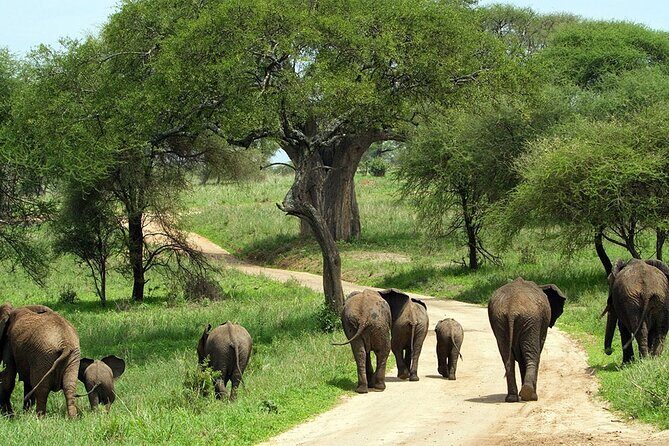
Tarangire is one of those parks that can surprise you even if you’ve seen photos before. You drive there on Day 3, and the key detail is the Tarangire River, described as a permanent water source. In the dry season, wildlife and birdlife concentrate around it, which boosts your odds of seeing lots of activity in a single area.
Tarangire is also “small” compared to the giants, so your game drives can feel focused. Instead of spending the whole day chasing distance, you often get repeated passes through areas where animals are hanging out.
That night you stay at Eileen’s Trees Inn Lodge, set just outside the park with stunning views and a unique atmosphere. Those lodge nights matter because they reset your body between long drives and early starts.
If you’re the kind of person who loves wildlife variety—elephants, birds, and the occasional “wait, that’s a lion” moment—this is a strong day in the itinerary.
Lake Manyara Game Drives: Birdlife, Rift Cliffs, and the Tree-Climbing Lions Chance
Day 4 brings Lake Manyara National Park, a smaller park but still worth a full day. The big draw here is the lakeshore birdlife. If you enjoy watching behavior—feeding, wading, timing your binocular moments—Manyara rewards attention.
And yes, you might see one of the park’s famous characters: the elusive tree-climbing lions. That’s not something you should treat as guaranteed, but having it in the mix is part of why people love this region.
You also get the Rift escarpment cliffs in the background, which adds drama to your views from the vehicle. It helps you remember you’re not just in a flat “go-go” safari zone—you’re on the edge of a massive geological story.
The day ends with a move to Marera Valley Safari Lodge, your base for the night. Like the other overnight choices, it’s geared toward convenience and comfort after long daylight hours.
Serengeti + Olduvai Gorge: The Human Past Meets the Big Plains
On Day 5, you head to Serengeti National Park. Before you reach the plains, there’s an opportunity to visit Olduvai Gorge, a steep-sided ravine where the Leakeys made major archaeological discoveries in the 1950s. You’ll find a small museum and the chance to see evidence dated back about 2.5 million years.
This is a smart add-on if you like context. When you’re about to spend time watching predators and herds in Serengeti, it helps to remember this place has mattered to animals and humans for a very long time.
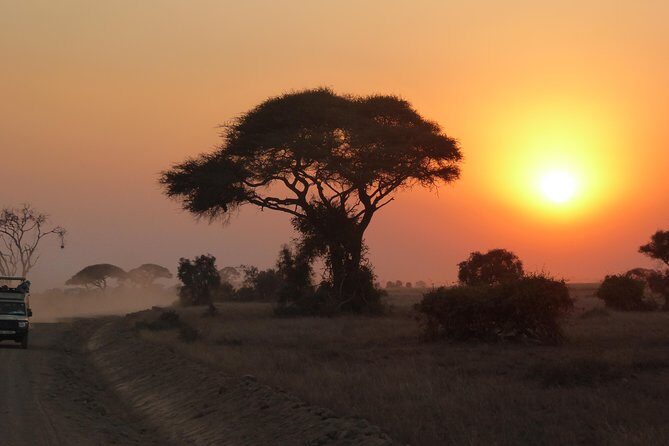
After lunch, you enter Serengeti for the afternoon game viewing. The landscape is described as vast plains broken by acacia trees and kopjes—rocky outcrops that often act like landmarks for both animals and spotting.
This is also where timing matters for visitors who are chasing the iconic migration story. The trip notes that in December, January, and February, you may normally meet large herds of wildebeest, zebra, and others. If you’re traveling outside those months, you’ll still have excellent Serengeti wildlife opportunities—you just shouldn’t expect the same migration timing.
Full Day Serengeti: Sunrise Drives and the Leopard-If-Lucky Formula
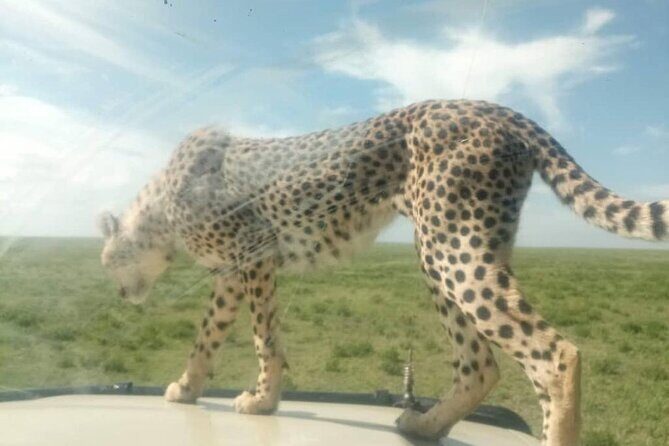
Day 6 is another full Serengeti day, and it starts early. That early start isn’t just a marketing trick—it’s practical. Animals move, predators hunt, and the light is easier for spotting when you’re out before the day heats up.
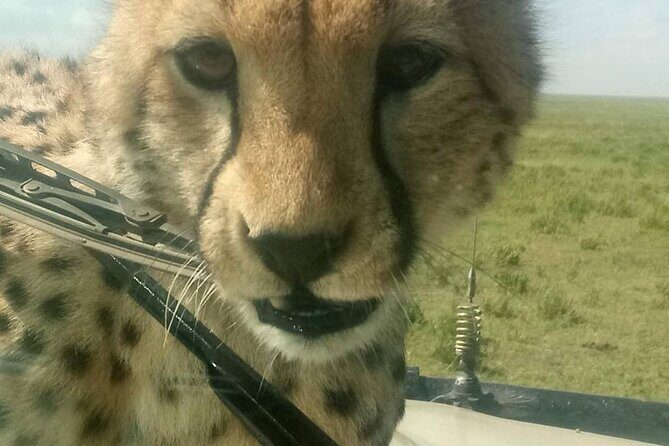
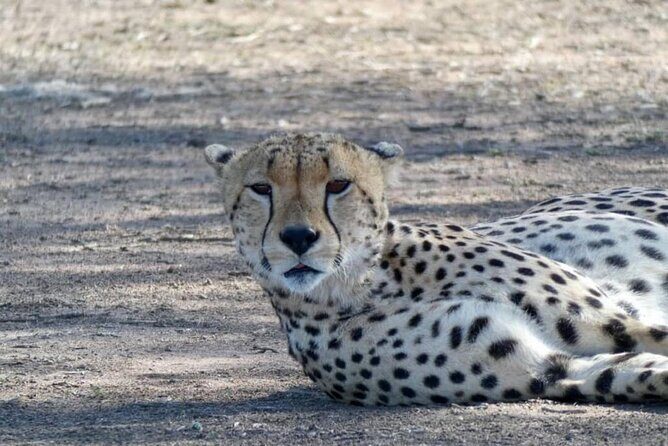
Your target is “plain game,” including elephants, giraffe, zebra, wildebeest, lions, plus the chance of leopard and cheetah. The word if lucky is in the plan for a reason: big cats aren’t obligated to show up on your schedule. Still, Serengeti gives you more chances, and your private guide can focus scanning where recent activity happened.
This day also leans into birds. You might spot birds like secretary birds and even the flightless ostrich. I like that this isn’t a one-track safari. If you’re the person who enjoys birding or just loves variety, Serengeti can keep you busy even on quieter animal mornings.
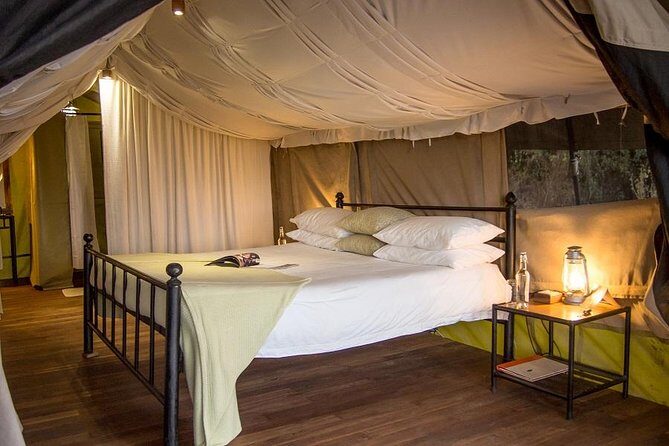
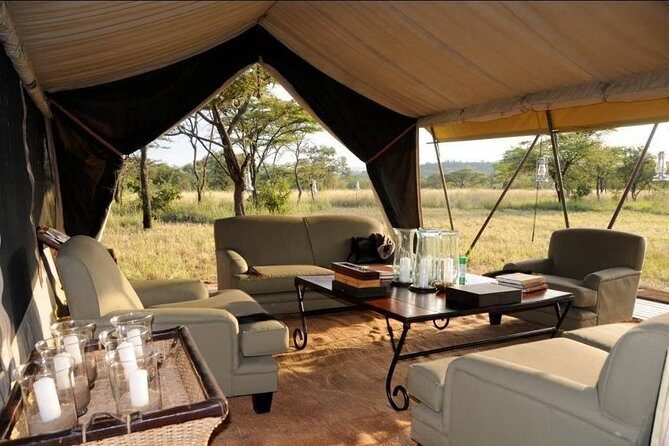
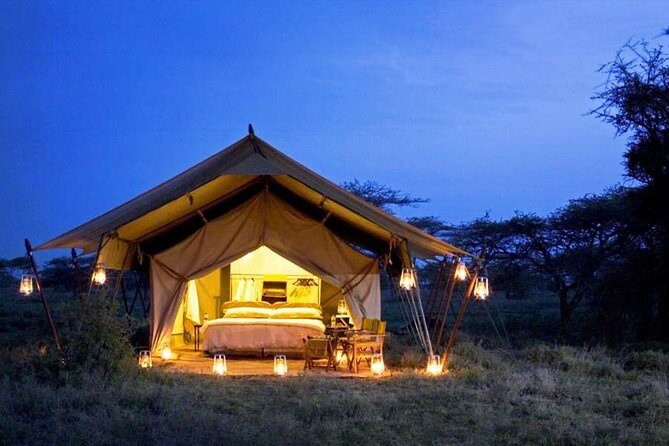
You’ll spend the night at Serengeti Kati Kati Tented Camp on full board. Tented camp nights can feel more “on safari” than standard lodges—especially because you’re still inside the ecosystem where sounds and movement fade in and out through the evening.
Ngorongoro Crater Descent: Predators, Rhino Chances, and the Giraffe Problem
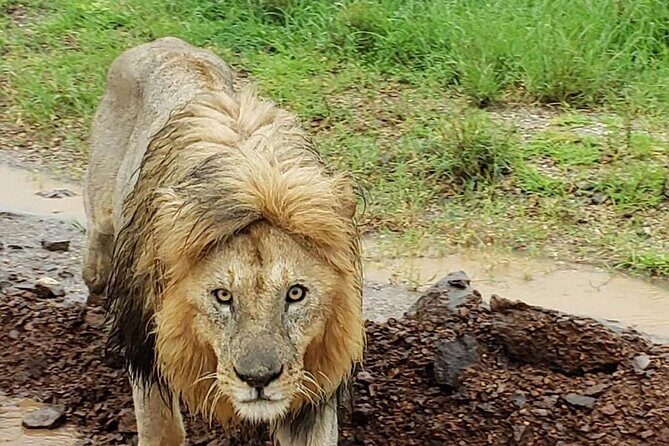
Day 7 is an early morning game drive before heading to the Ngorongoro Conservation Area. Then comes the big moment: descending into Ngorongoro Crater. The crater walls create a natural sanctuary, so you often see a concentration of wildlife in a compact space.
The trip highlights a strong “big mammals” lineup: lions, elephants, buffalo, rhino, and even leopard if luck is on your side. The crater is a place where you can get multiple sightings without constantly changing viewpoints.
One detail I love here is the honest note about giraffes. The itinerary explains that giraffes’ long legs don’t cope well with the steep crater sides, so you won’t see them in the crater the way you might in open plains. That’s good trip design—no false expectations, and you learn something real instead.
After the crater experience, you travel outside the conservation area to Ngorongoro Kirurumu Tented Camp for your night. Again: this is about location and timing. Being closer to the action reduces wasted hours.
Arusha Village Morning and Airport Return Without Drama
Day 8 is lighter. You get a free morning after your safari, either to relax or explore Arusha village and especially the Maasai market. It’s a good “soft landing” day—one last chance to see local life without the stress of another full driving schedule.
Then the return transfer to JRO is part of the package. That matters. Ending your safari with an operator that handles the airport transfer reduces the classic last-day scramble and lets you keep your head clear for flights.
Price and Value: What $3,400 Is Buying (and Why It Matters)
At $3,400 per person for about eight days, this isn’t a budget safari. But it also doesn’t read like a “pay extra for everything” trip.
What you’re getting bundled includes:
- Private transportation and all transfers
- Professional guide
- Fully game driving
- All accommodation in lodges and tented camps
- Meals (8 breakfasts, 7 lunches, 7 dinners)
- Mineral water
- All fees and taxes
For me, that’s the value equation: you’re not just paying for park access. You’re paying for the time-savings and stress reduction of having transport, timing, and game drive logistics handled. In this part of Tanzania, those moving pieces can turn into real headaches if you’re cobbling it together yourself.
The only thing listed as not included is tips, which is standard and easy to plan for.
Private Tour Feel: Who This Safari Suits Best
This is a private tour, meaning it’s just your group. If you like flexibility—stopping longer when animals are active or adjusting the day when something unexpected shows up—private guiding usually makes the experience better.
It also says most people can participate, which fits this being a driving-and-game-drive style safari rather than something physically demanding all day. You will sit in vehicles for long stretches, so comfort matters, but there are no hiking requirements stated.
This is a great fit if you want:
- classic parks with Serengeti and Ngorongoro as anchors
- a guide who can explain the local ecosystem and conservation efforts (part of the trip focus)
- comfortable sleeping between long game drive days
If you’re ultra-sensitive to early mornings or you need a very loose schedule, the sunrise planning style may feel intense. But the upside is you’re more likely to catch animals doing what they do best: moving and hunting.
Should You Book This 8-Day Tanzania Adventure?
I’d book this if you want a well-structured safari with Serengeti + Ngorongoro done properly, plus the supporting cast of Arusha, Tarangire, and Lake Manyara. The itinerary is designed so you’re not just ticking boxes—you’re getting multiple parks with different wildlife “systems,” plus context through Olduvai Gorge.
I’d hesitate if your travel dates are flexible enough that you care about seeing migration herds. The plan notes migration timing most typically in December–February, so choose your month with that in mind.
Also, take comfort from the operator’s reputation for organization and communication. Past feedback highlights smooth planning and responsive coordination, including mention of easy contact via WhatsApp or email (names like Verah show up in that context), and strong team support involving people such as Clinton, James, and Sengoro. That kind of track record helps when you’re dealing with an eight-day route where small delays can snowball.
FAQ
Which national parks are included?
This safari covers Arusha National Park, Tarangire National Park, Lake Manyara National Park, Serengeti National Park, and Ngorongoro Crater / Ngorongoro Conservation Area.
Are park fees, taxes, and meals included in the price?
Yes. The package includes all fees and taxes, plus breakfast, lunch, and dinner as listed (8 breakfasts, 7 lunches, 7 dinners). Mineral water is included too.
Is this a private safari?
Yes. It’s listed as a private tour/activity, meaning only your group participates.
Where do you start, and how do you get from the airport?
You start at Kilimanjaro International Airport (JRO). A driver is waiting to pick you up and take you to Arusha at Moivaro Coffee Lodge.
What kind of accommodation do you stay in?
You’ll stay in a mix of lodges and tented camp accommodation, including Moivaro Coffee Lodge in Arusha and tented camps in the Serengeti and Ngorongoro areas.
Do you get game drives, and are they included?
Yes. The package includes fully game driving and a professional guide for the safari days.
Do I need travel insurance or medical coverage?
The trip notes that you’ll confirm you have the appropriate mandatory medical coverage and travel insurance during the pre-safari briefing.
Is the return transfer to the airport included?
Yes. The package includes the return transfer to JRO after your safari, plus the Day 8 morning activities.
What’s the cancellation policy?
You can cancel for a full refund if you cancel at least 24 hours before the experience start time. If you cancel less than 24 hours before, the amount paid is not refunded.