REVIEW · ZANZIBAR CITY
Zanzibar: Stone Town Heritage & Slave Market Tour
Book on GetYourGuide →Operated by Tropianza Adventures Ltd · Bookable on GetYourGuide
Stone Town has a way of sticking with you. This walk turns key landmarks into a story you can feel, starting at the Forodhani Gardens bandstand and finishing at the Former Slave Market. I love how the tour threads history into everyday streets, and I love the way the guide keeps things human and local, with standouts like Haji and Saleh. One consideration: the walking pace is steady and the tour isn’t suitable for people with mobility impairments.
If you want an easy way to get your bearings fast, this is a smart format. You’ll cover the main sites, but you’ll also get time in places where people actually live and shop, like Darajani Market and nearby corners with local rhythm.
In This Review
- Key highlights worth your attention
- Walking the streets from Forodhani Gardens to Old Fort
- What you’ll gain in the first hour
- House of Wonders and Old Fort: where multiple worlds show up
- A quick reality check on pace and attention
- Freddie Mercury’s childhood home: a famous stop with a choice attached
- How to decide on the museum
- Darajani Market and Memories of Zanzibar: the local shopping side
- Tip for shopping smarter (not just more)
- St Joseph’s Cathedral and Jaws Corner: architecture meets street life
- What I like about mixing these stops
- Tanzanite Museum stop: connecting Zanzibar to a rare blue stone
- Former Slave Market and Anglican Cathedral: the hard stop done with care
- Why this stop adds real value
- Practical guide for your day: shoes, weather, and photo rhythm
- Photo rhythm that saves you stress
- Price and logistics: is $19 a good deal?
- My take on value
- Who this tour suits best
- Should you book this Stone Town Heritage & Slave Market Tour?
- FAQ
- Where is the meeting point for the tour?
- Where does the tour end?
- Is hotel pickup and drop-off included?
- What sites are included in the guided walking portion?
- Is entry to the Former Slave Market and Anglican Cathedral included?
- Do I have to pay to visit the Freddie Mercury Museum?
- Is there time for shopping?
- What’s included for food or drinks?
- What should I bring with me?
- Is the tour suitable for people with mobility impairments?
- In what languages is the tour offered?
Key highlights worth your attention
- Forodhani Gardens meet-up: start point is right by the House of Wonders and Old Fort, so you hit the center immediately
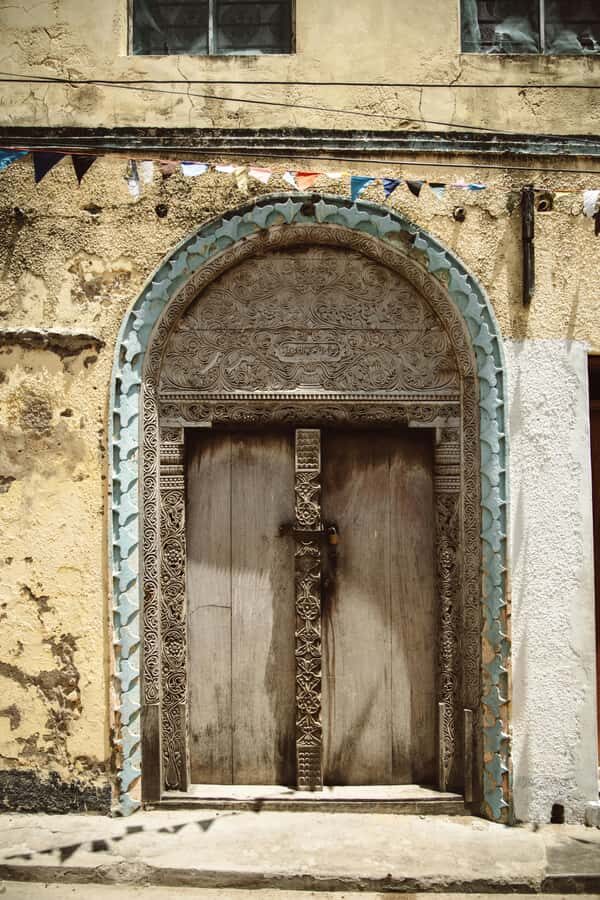
- Stone Town storytelling with licensed guides: guides like Haji and Saleh are praised for clear local insights
- Freddie Mercury photo stop + optional museum: snap a childhood-home picture, then choose whether to add the Museum (extra cost)
- Darajani Market time and shopping moments: colors, spices, produce, and craft browsing with Memories of Zanzibar
- Former Slave Market & Anglican Cathedral entry: you get the important stops included, with private access for the visit
Walking the streets from Forodhani Gardens to Old Fort
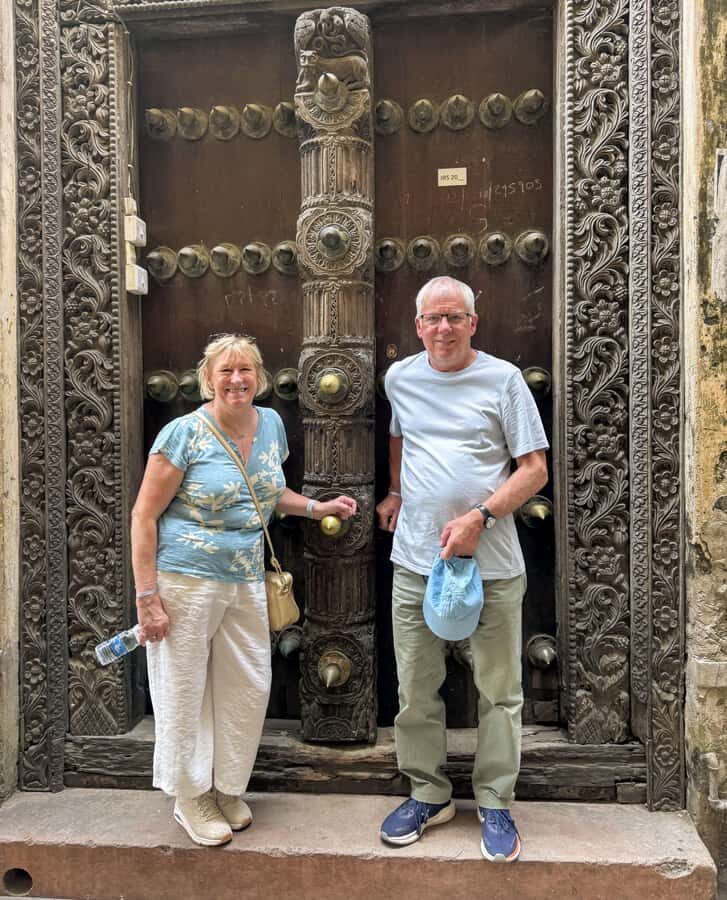
For most people, Stone Town can feel like a maze at first. I like that this tour starts in a clear, central place: the bandstand in the middle of Forodhani Gardens, opposite the House of Wonders and right next to the Old Fort. You’re not wandering around trying to find your guide; the meeting point is specific, and the guide will be waiting there with a visible tour badge or sign.
From the start, you get the sensory basics. You’ll walk near the water, catch that sea breeze, and start noticing Zanzibar’s everyday scents—spices that tie into why people historically came here in the first place. It’s a small thing, but it matters. When a walking tour begins with atmosphere, you start paying attention instead of just counting streets.
You can also read our reviews of more historical tours in Zanzibar City


What you’ll gain in the first hour
You’re not just ticking off famous buildings. You’re learning how Stone Town’s layout and architecture connect—so later, when you see another alley or doorway, you understand why it’s there and what it signals.
If you’re the type who likes context while you walk, this works well. If you hate group walking (and prefer to roam alone), you might feel boxed in—though the route is set to connect the major points.
House of Wonders and Old Fort: where multiple worlds show up
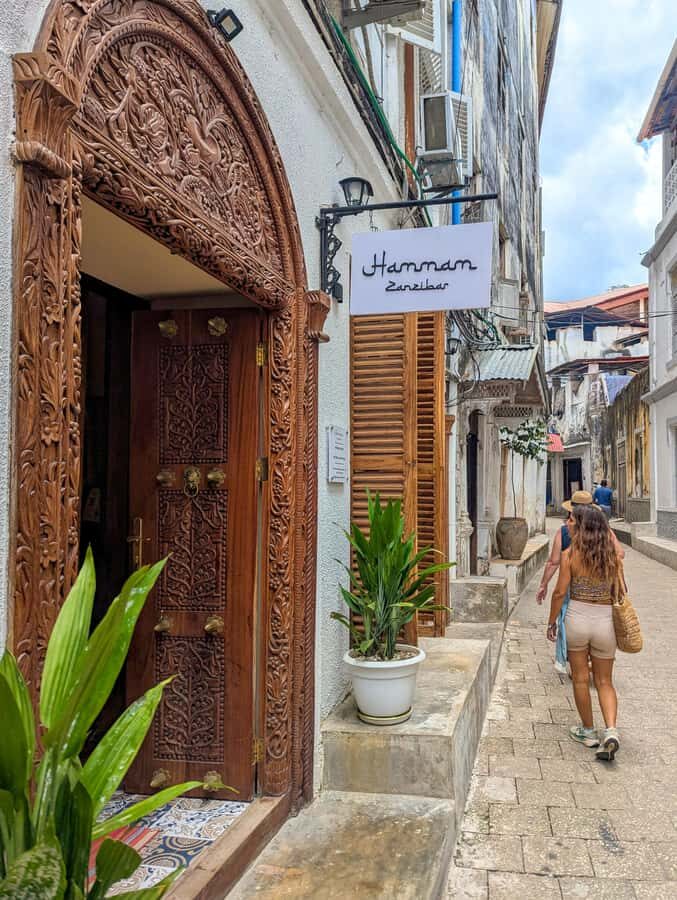
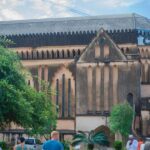
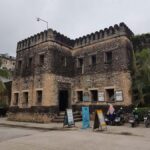
After Forodhani Gardens, the focus shifts to the heavy hitters: the House of Wonders and the Old Fort. These stops matter because they’re not only “pretty” landmarks. The tour frames them as symbols of Zanzibar’s mixed heritage—Swahili, Arab, Indian, and European influences. That’s exactly the kind of broad framework that helps Stone Town make sense.
One practical plus: this part is designed for walking. You’re guided through the key areas, so you’re not guessing what to look for. You’ll also get a feel for how the old stone streets turn landmarks into fixed anchors—useful if you plan to explore on your own afterward.
A quick reality check on pace and attention
These are popular sites. You’ll likely be around other visitors and locals passing through. The guide’s job is to keep you focused on what’s relevant to the story, not just what’s photo-friendly. Based on how guides like Saleh are described—helpful, flexible, and able to adapt what you see—that’s a strength here. You’re more likely to leave understanding the place than simply collecting pictures.
Freddie Mercury’s childhood home: a famous stop with a choice attached

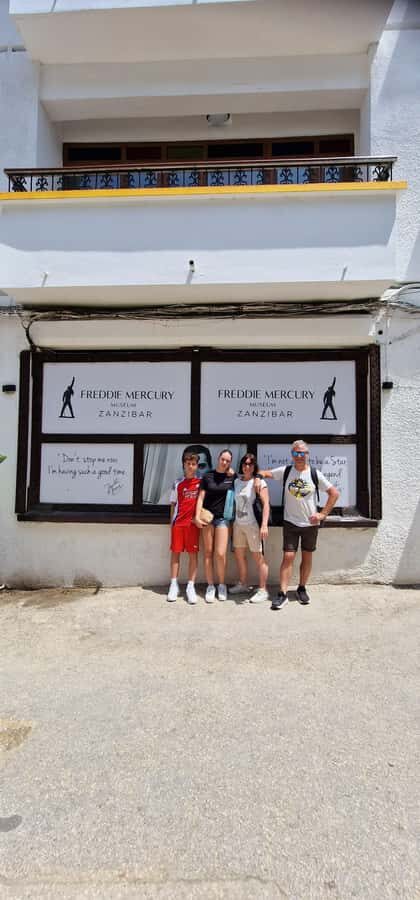
Then comes the Freddie Mercury connection. You’ll have a photo stop at Freddie Mercury’s childhood home. It’s brief, but for many people it becomes a memorable anchor point in the middle of a more serious heritage day. In a tour that includes difficult themes, a recognizable pop-culture reference can give your brain a moment to reset.
The Freddie Mercury Museum is optional. The entry is $8 per person, so you can decide based on your interests and energy level. If you’re a serious fan, you’ll probably want it. If you’d rather keep your afternoon lighter, skip it and spend that time where the guide recommends instead.
You can also read our reviews of more shopping tours in Zanzibar City


How to decide on the museum
I’d treat the museum like a time-and-money choice:
- If you want deeper detail and don’t mind extra indoor time, go.
- If you prefer to keep moving through the streets and markets, stick with the childhood-home photo stop and keep the day flowing.
Darajani Market and Memories of Zanzibar: the local shopping side
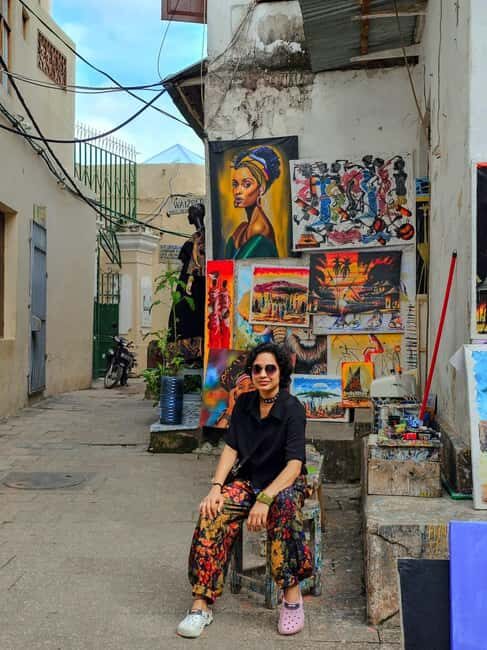
If you only saw the big monuments, Stone Town could feel like a museum. I like that this tour includes Darajani Market, because it shifts the day from grand landmarks to everyday life.
At Darajani, you’ll see colors, spices, fresh produce, and handmade goods—exactly the ingredients that make a market tour more than window shopping. The guide also brings you into a zone where you can talk with people, notice the rhythm of selling, and pick up small items without it feeling like a strict sales pitch.
There’s also a shopping stop tied to local crafts: Memories of Zanzibar. You get opportunities to shop in local alleys, which is usually more satisfying than buying the same souvenir in every tourist shop. The guide’s presence helps you move through it confidently and avoid feeling lost.
Tip for shopping smarter (not just more)
Decide what you want before you enter the market area. This tour doesn’t force you to buy anything, and you don’t want to spend your mental energy negotiating while your guide is still moving you between key stops. If you’re clear about what you want—small crafts, spice-related items, or a specific souvenir type—you can shop faster and enjoy the rest of the walk more.
St Joseph’s Cathedral and Jaws Corner: architecture meets street life

Not every Stone Town tour gives you time for the everyday corners. This one does, with stops like St. Joseph’s Cathedral and Jaws Corner.
St Joseph’s Cathedral is your architecture break. You’ll marvel at Gothic architecture, which stands out against the dense stone streets and the more blended heritage influences elsewhere in the tour. It’s a useful contrast stop: you see how different faiths and styles left visible marks.
Then it’s down to street atmosphere at Jaws Corner, described as a true local hangout. This is the moment where you start noticing how people carry on—talking, waiting, eating, and passing time. If you want Stone Town to feel alive instead of historic-only, this is one of the best parts of the day.
What I like about mixing these stops
You get both viewpoints: official landmarks and lived-in corners. That combination is why this tour feels more “local” and less like a generic checklist.
Tanzanite Museum stop: connecting Zanzibar to a rare blue stone

The tour also includes time to uncover the story behind tanzanite, the rare blue gemstone. You’ll visit the Tanzanite Museum to learn about what makes the stone significant and how it fits into Zanzibar’s story.
This stop is good if you like learning how a place connects to global trade—because gemstones and other commodities are part of why islands like Zanzibar ended up at the crossroads of shipping routes and cultural exchange.
If you’re not that into minerals, don’t worry. The tour still gives you plenty of street time around markets and heritage sites. Think of the Tanzanite Museum as one more thread, not the entire fabric.
Former Slave Market and Anglican Cathedral: the hard stop done with care
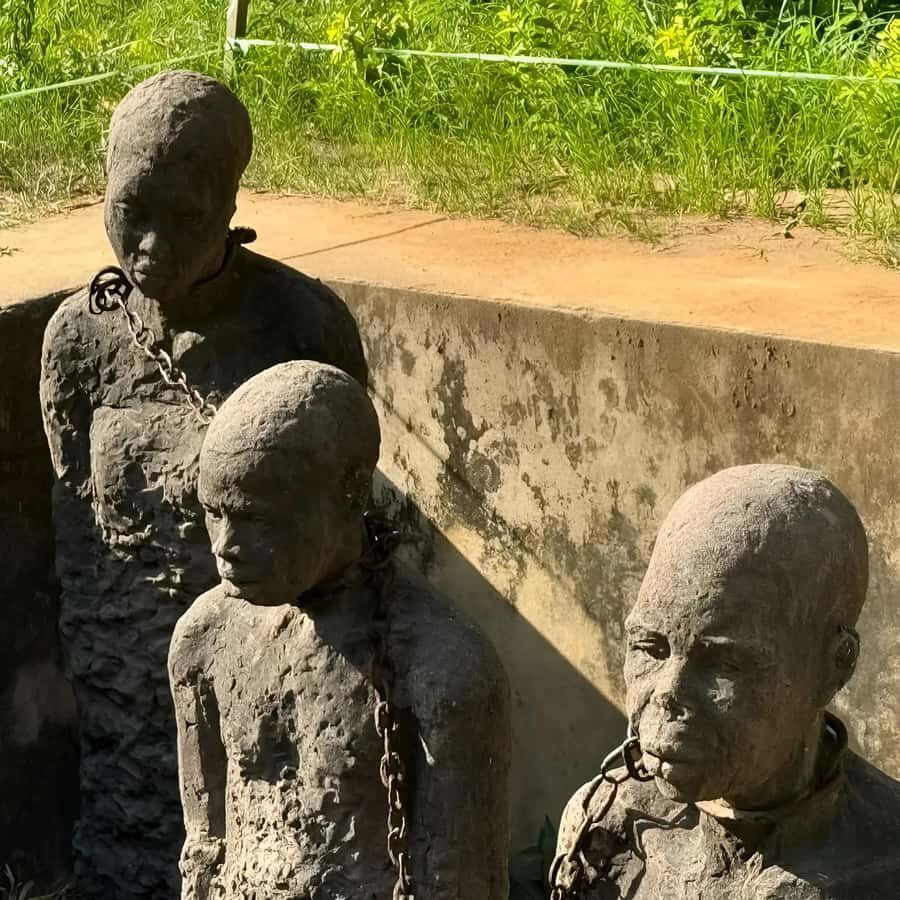
This is the emotional core of the tour: a visit to the Former Slave Market, followed by the Anglican Cathedral visit with entrance included. The tour frames this part around the island’s complex past and the fight to end the slave trade.
I recommend going into this segment with a little breathing room in your expectations. This part isn’t meant to be light. You’ll be hearing moving stories, and you’ll be standing where real history happened. If you’re someone who handles intense topics well, this visit will likely be one of the most memorable parts of the day. If you’re sensitive to heavy subject matter, give yourself permission to feel it—and take breaks if you need them.
Why this stop adds real value
Lots of tours mention slavery as a topic. Fewer slow down enough to connect location, narrative, and the included cathedral visit. Having the entrance included and handling it as a guided experience means you don’t have to navigate logistics while you’re trying to take in what you’re being taught.
Practical guide for your day: shoes, weather, and photo rhythm
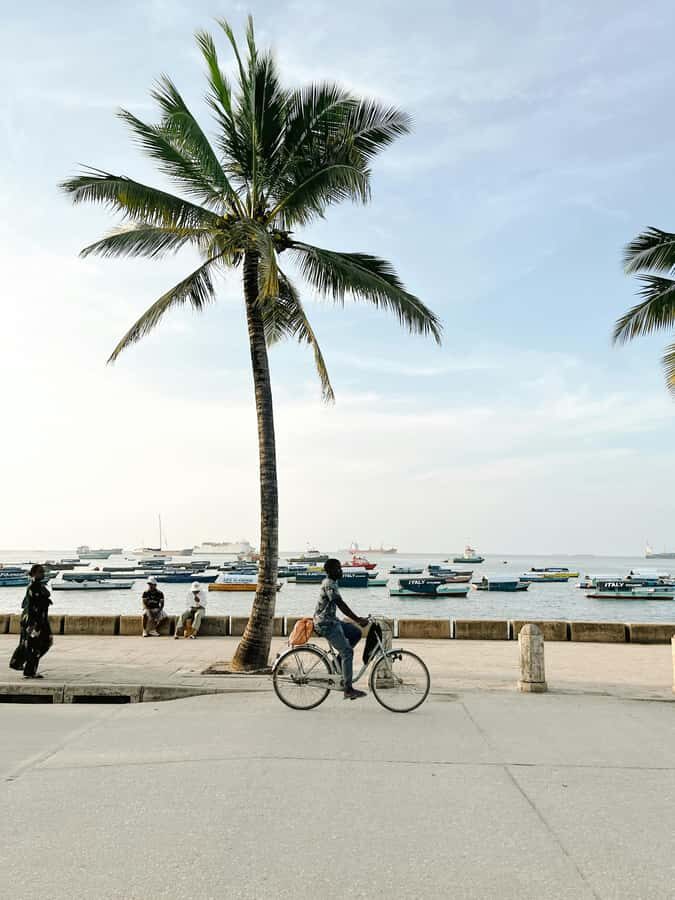
Stone Town can be sunny and hot, or it can turn rainy. The tour notes that conditions may affect the experience, so plan like you’re going to walk through real weather—not perfect postcards.
What to bring:
- Comfortable shoes (you’ll want support for a lot of walking)
- Sun hat and sunscreen
- Water is covered: bottled water is provided
Also, check forecasts before you go. If rain shows up, expect slippery footing in stone alleys. If it’s bright, expect sun exposure to add up fast—so your hat and sunscreen matter.
Photo rhythm that saves you stress
You’ll have several photo moments, including the Freddie Mercury childhood-home stop and the classic landmark areas. I suggest you keep your camera/phone access easy—so you’re not rummaging while the group moves. A guide’s pacing matters here: if you’re late, you’ll feel it.
Price and logistics: is $19 a good deal?
$19 per person is a straightforward price for a guided Stone Town walking experience that includes several meaningful components:
- A licensed local guide
- Guided walking time for Forodhani Gardens, House of Wonders, and Old Fort
- Access included for the Former Slave Market and Anglican Cathedral
- Time in Darajani Market and Memories of Zanzibar
- A Freddie Mercury childhood home photo stop
- Bottled water
- Hotel pickup and drop-off in Stone Town
Then there are optional extras. The Freddie Mercury Museum costs $8 per person if you want it. If you add that, you’re increasing your total, but you’re also choosing a deeper indoor experience.
My take on value
This feels like good value because you’re not paying just for narration—you’re paying for structured time in the right places, with admissions for the most serious stop. If you’ve spent a day trying to self-tour while figuring out where to go next, you’ll understand why a guided route is worth it.
Who this tour suits best
This is a strong fit if you:
- Want orientation in Stone Town while still seeing the core sites
- Like guides who explain the “why,” not only the “what”
- Want a balance of heritage landmarks plus markets and local corners
- Prefer a small-group feel when available and appreciate flexibility from the guide
It’s less ideal if:
- You need mobility accommodations (the tour is not suitable for mobility impairments)
- You want total freedom to wander without a schedule
Should you book this Stone Town Heritage & Slave Market Tour?
I’d book it if you want a guided route that gives you meaning, not just movement. The combination of Forodhani Gardens, House of Wonders/Old Fort, Freddie Mercury photo stop, Darajani Market, and the included Former Slave Market & Anglican Cathedral visit creates a full story arc that’s hard to replicate on your own.
Skip it only if you know you can’t handle the serious material on the Former Slave Market, or if you need a more mobility-friendly plan.
If you do book, come with comfortable shoes and a mindset ready for both the street-level joy and the heavy truths. That mix is what makes Stone Town feel real.
FAQ
Where is the meeting point for the tour?
You meet at the bandstand located in the center of Forodhani Gardens, directly opposite the House of Wonders and next to the Old Fort. The guide will be waiting there with a visible tour badge or sign.
Where does the tour end?
The tour ends back at the meeting point.
Is hotel pickup and drop-off included?
Yes. The tour includes convenient hotel pickup & drop-off in Stone Town.
What sites are included in the guided walking portion?
The guided walk covers Forodhani Gardens, the House of Wonders, and the Old Fort.
Is entry to the Former Slave Market and Anglican Cathedral included?
Yes. Entrance to the Former Slave Market & Anglican Cathedral is included, and it’s described as a private tour.
Do I have to pay to visit the Freddie Mercury Museum?
No. Entry to the Freddie Mercury Museum is optional, and it costs $8 per person if you choose to go.
Is there time for shopping?
Yes. You’ll explore Darajani Market and also visit Memories of Zanzibar, with shopping opportunities.
What’s included for food or drinks?
You’ll taste local street snacks, and the tour provides bottled water.
What should I bring with me?
Bring comfortable shoes, a sun hat, and sunscreen.
Is the tour suitable for people with mobility impairments?
No. The tour is not suitable for people with mobility impairments.
In what languages is the tour offered?
The tour is offered in English, French, German, Italian, Spanish, Swahili, and Polish.