REVIEW · MOSHI
8 days Lemosho route Climbing Mt. Kilimanjaro
Book on Viator →Operated by Kilisa Tours & Safaris · Bookable on Viator
Kilimanjaro starts with forest calm and ends with cold starlight. This 8-day Lemosho route is a classic way to climb Mt. Kilimanjaro with steady height gains, big scenery shifts, and an itinerary that respects acclimatization. You base out of Moshi, start from the Londorossi Park Gate area, and finish back at Mweka Gate with certificates and a celebratory send-off.
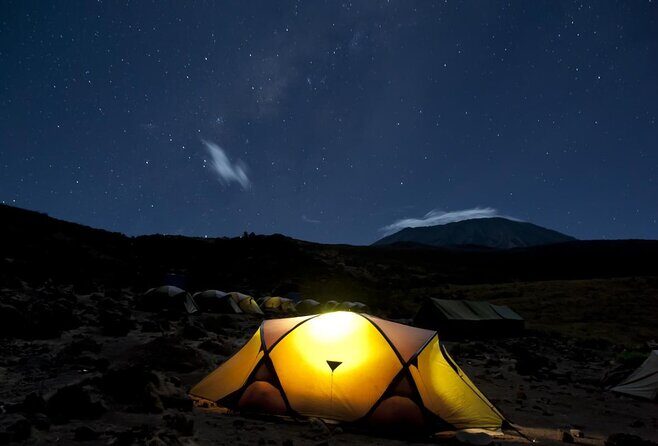
I love two things most about this trek: the way the acclimatization plan is built into the walking days, and the fact that you travel with a full support setup. Meals are covered, you get treated drinking water and hot water for washing, you sleep in four-season tents with mats, and your team includes experienced mountain guides plus cook and porters.
One drawback to plan for: the summit night is long, cold, and mentally demanding even when everything goes right. You’ll also want to budget for tips, since they’re not included, and you’ll need a strong fitness level for the steepest sections and the early wake-up.
In This Review
- Key Points at a Glance
- Moshi Setup and Your First Day on Kilimanjaro Time
- Day 1: Londorossi Rain Forest to Your First Camp
- Day 2: Shira Ridge Views and the Moory Open-Air Feeling
- Day 3: Northern Ice Fields Country and the Lent Hills Acclimatization
- Day 4: Lava Tower (Shark’s Tooth), Arrow Glacier, and Barranco Hut
- Day 5: The Great Barranco Wall to Karanga Camp
- Day 6: Barafu Hut, Last Water, and the Windy Pre-Summit Night
- Day 7: Summit Night (23:30 Wake) to Uhuru Peak and Back to Mweka
- Day 8: Certificates, Dancing, and Back to Moshi
- The Value Question: What You’re Paying For
- Safety, Rescue Readiness, and Altitude Gear That Actually Helps
- Guides, Teams, and Why Local Operators Matter
- Fitness Reality Check: Who This Trek Fits Best
- What to Pack and How to Prepare (Without Overthinking)
- Should You Book This 8-Day Lemosho Climb?
- FAQ
- How long is the Mt. Kilimanjaro trek on the 8-day Lemosho route?
- What time does the experience start?
- Where does the trek begin and where does it end?
- Is pickup from the airport included?
- What meals are included while on the mountain?
- Is drinking water provided?
- Are sleeping tents and sleeping mats included?
- Is oxygen provided for altitude support?
Key Points at a Glance
- Lemosho route pacing with changing habitats from rain forest to alpine desert
- Real acclimatization stops, including Lent Hills area and the Great Barranco Wall day
- Support you can count on: guides, cook, porters, hot meals, treated water, hot wash water
- Altitude gear included, including portable oxygen tanks and an ox meter
- Small group size (max 15 hikers) helps the trek feel organized, not chaotic
Moshi Setup and Your First Day on Kilimanjaro Time
Most people underestimate how much altitude climbing is also logistics. The trek starts in Moshi, and this package includes private transport from Kilimanjaro International Airport to your Moshi accommodations, plus two nights of lodging in town before you head to the mountain.
You also start with a clear day plan. On trek morning the pickup/gather time is set (start time listed as 8:30 am), and you’ll get a briefing before driving toward the Londorossi Park Gate area. A small detail that matters: you’ll complete entry formalities near Londorossi before continuing to the trailhead, which keeps your day from feeling like it’s made up on the spot.
If you want a local feel, there’s one reason I pay attention to operators like this: the team behind the scenes tends to show up in the details. In feedback, the owner Naick is mentioned as responsive during planning, and that kind of communication matters when life throws curveballs like flight delays.
You can also read our reviews of more tours and experiences in Moshi.
Day 1: Londorossi Rain Forest to Your First Camp
Day 1 is all about getting your body into motion without trying to conquer the mountain in one day. You drive from Moshi to Londorossi Park Gate (2100m), handle entry formalities in the nearby village, then continue on to the Lemosho trailhead.
Once you start walking, the day stays gentle in character even when it’s still trekking. You cover about 6 km in 3–4 hours through rain forest, reaching your first camp after lunch. The best part here is mental: the forest gives you a break from that stark “high-altitude” feeling.
The tradeoff is time. By the time you finish the drive and entry process, you’ll feel like you’ve already done a day’s work before the first camp. Still, that’s normal on Kilimanjaro, and it helps set you up for slower gains afterward.
Day 2: Shira Ridge Views and the Moory Open-Air Feeling
On Day 2 you leave the forest and step into a more exposed world. The trek continues for about 5.5 hours over 8 km, entering moorland with tall grasses, heather, and volcanic rock draped in lichen.
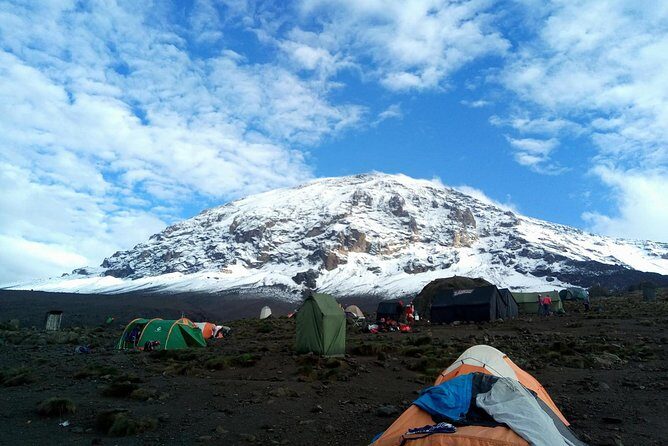
The walk climbs through rolling hills, crosses streams, then reaches the Shira Ridge area. After that you drop down gently to Shira 1 camp. One line in the route description is worth your attention: you’re likely to get a serious view of Kibo from across the plateau.
This is a day you shouldn’t rush. Even if you feel good, you’re building acclimatization, not speed records. If you pace well today, the later “hard” days feel less like a surprise.
Day 3: Northern Ice Fields Country and the Lent Hills Acclimatization
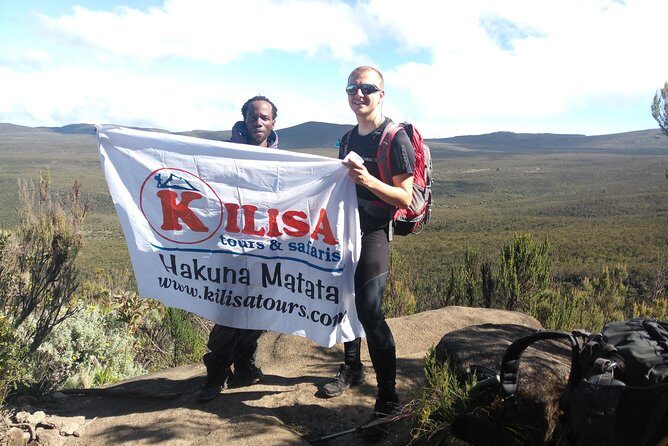
Day 3 is where the mountain starts looking different. You’re trekking for 5–7 hours over about 15 km, and you move through moorland toward the region beneath Kibo’s Northern Ice Fields.
The walk is described as gentle east toward Kibo’s glaciered peak, across plateau terrain, then down to Shira 2 camp near a stream. After that you continue to Moir Hut, described as a little used site at the base of the Lent Hills.
This matters because Moir Hut is positioned for acclimatization. The Lent Hills area offers multiple walking options, which can be a big help if your breathing feels off. You get altitude exposure without forcing a brutal push every day.
The possible drawback: this day can feel longer than it sounds. “Gentle” on paper still adds up over 15 km at height. Keep your effort controlled, and don’t be tempted to match anyone else’s pace.
Day 4: Lava Tower (Shark’s Tooth), Arrow Glacier, and Barranco Hut
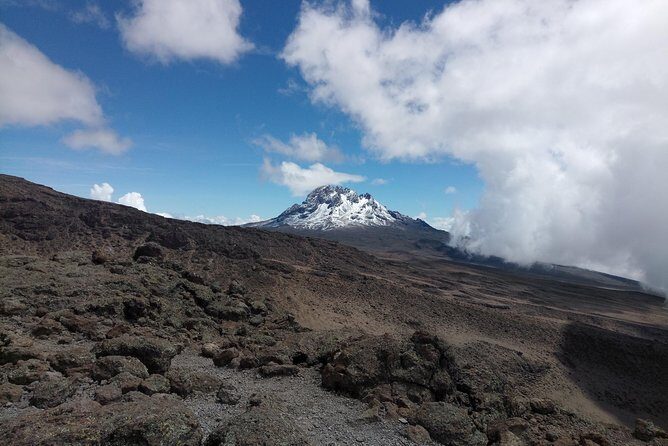
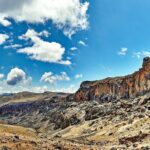
Day 4 is where the route earns its reputation. You hike about 7 hours for roughly 7 km, moving from moir-like terrain into semi desert.
You continue east up a ridge, pass a junction toward the peak of Kibo, then shift direction to the southeast toward Lava Tower, also called Shark’s Tooth. Shortly after, you reach the Arrow Glacier area at about 16,000 ft, then descend to Barranco Hut at around 13,000 ft.
Even though you’re ending the day at about the same elevation you started, this day is still important. It’s an acclimatization step that helps your body handle the next stage safely. You’ll likely feel the effects in your energy levels on Day 5.
One small thing to prepare for: this is semi desert terrain, so wind exposure and dryness can make you feel colder faster than expected.
Day 5: The Great Barranco Wall to Karanga Camp
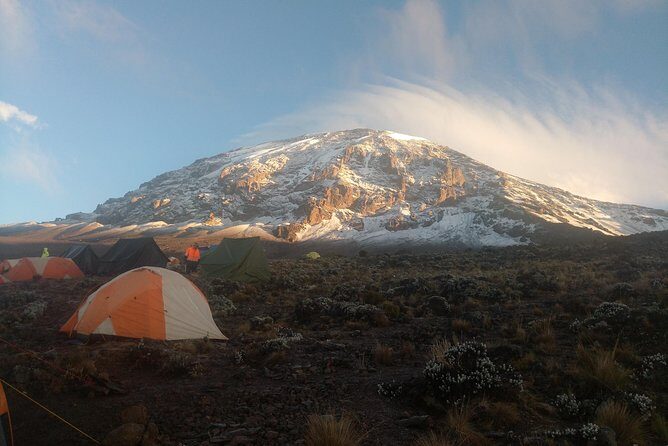
Day 5 is a short day by distance, but it can feel big in effort. You hike 4–5 hours covering about 5 km, focused on the Great Barranco Wall.
The route description calls it a Class 2 hike, and that’s useful practical info: it may look intimidating at first glance, but it’s usually easier than people imagine. At the top, you’re rewarded with a view of Heim Glacier, and you’ll be above the clouds.
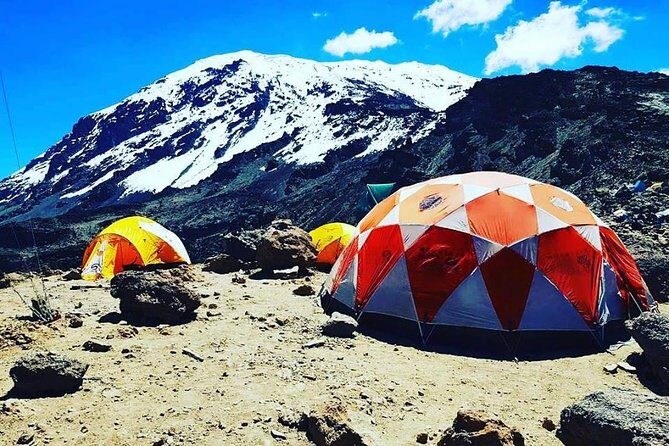
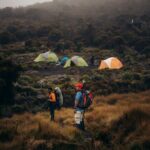
Then the trail winds up and down through the Karanga Valley before you reach Karanga Camp at 3950m. You’ll have dinner and washing at the camp, which helps a lot because you’re dealing with sweat, cold nights, and a body that’s slowly working harder than it normally would.
The only real consideration here is attitude. This is the kind of day where you benefit from trusting your guide and using steady steps. If you sprint early, your lungs will file a complaint.
Day 6: Barafu Hut, Last Water, and the Windy Pre-Summit Night
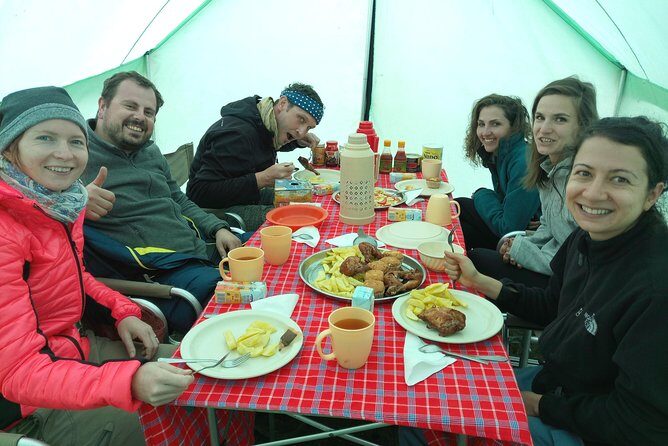
Day 6 is shorter but sharper. You hike 3–4 hours over about 4 km, moving through alpine desert.
You’ll meet the Mweka Route (the route used for descent later), then walk for about an hour to Barafu Hut. Barafu is also your last major water moment for porters: the route notes that there is no accessible water at Barafu Camp.
From a practical standpoint, this is a big deal. It means you should treat Day 6 hydration seriously and follow your guide’s water plan. At 4550m, you’re also sleeping in a rocky, exposed ridge area, so wind can be a factor even if the air feels “dry.”
This day includes your summit-night logistics. You’ll have an early dinner and a detailed guide briefing for summit preparation, then you’re told to get sleep by 19:00. That early “lights out” isn’t optional on a mountain schedule. It’s how you wake up for the climb.
Day 7: Summit Night (23:30 Wake) to Uhuru Peak and Back to Mweka
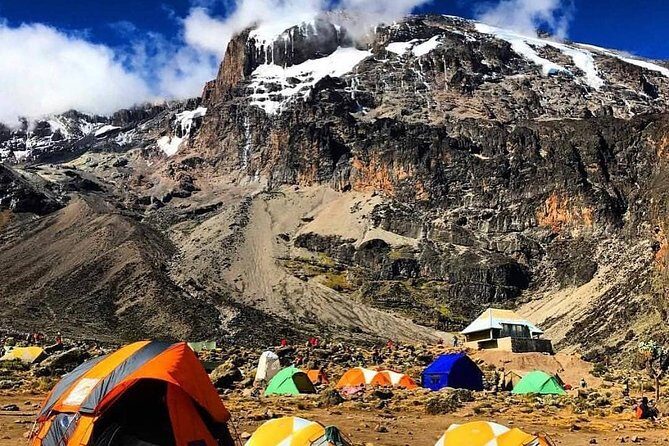
Day 7 is the reason most people sign up. You get woken around 23:30 for tea and biscuits, then start the summit attempt over stone scree. The route heads northwest, and many hikers find this the most mentally and physically challenging stretch.
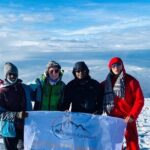
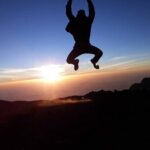
After about 6 hours, you reach Stella Point (5685m) on the crater rim. Here’s where the climb pays off: you’ll watch the sunrise and you get that classic Kilimanjaro moment of turning your headlamp world into daylight.
Then it’s another stretch to Uhuru Peak (5895m)—about 2 hours on a snow-covered trail. Reaching Uhuru Peak is the big prize, and the itinerary is set up for you to reach it without chaotic timing.
After summit time, you descend to Mweka. The walk back can take 7–8 hours, covering about 23 km total descent distance. This is where pacing again becomes critical. Going too fast on the descent can beat up knees and ankles.
Day 8: Certificates, Dancing, and Back to Moshi
Day 8 is shorter on paper: about 3 hours of hiking, around 15 km, back toward Mweka Gate, then into Mweka village for roughly 1 hour (3 km).
But it still has emotional weight. After breakfast, the staff hold a celebration with dancing and singing. It’s also the moment when you present your tips to your guide, assistant guides, chef(s), and porters.
There’s a formal step too. The National Park requires all hikers to sign for certificates. If you reached Stella Point (5685m) you receive a green certificate. If you reached Uhuru Peak (5895m) you receive a gold certificate.
After the certificate process, you’ll enjoy a hot lunch, then drive back to Moshi for long-overdue showers and more celebrations. That hot shower part is not a small detail. Cold trekking days can leave you feeling wrecked, and your body will appreciate the reset.
The Value Question: What You’re Paying For
At $3,100 per person for an 8-day Lemosho climb, the value comes from what’s included—and what isn’t.
What you get here is the full mountain package: private transport to and from Kilimanjaro International Airport, 2 nights of accommodation in Moshi, transport to and from the gates, park entry fees, camping fees, and even Team Kilimanjaro Rescue fees.
On the mountain itself, your costs are covered for three hot meals daily (listed for 7 days) plus breakfasts and lunches that align with the trekking schedule. You also get enough treated and filtered drinking water, plus hot water for washing.
For comfort and safety, this package includes sleeping mats, 4-season mountain tents, an emergency first-aid kit, and altitude support gear: portable oxygen tanks and an ox meter.
What you should plan on paying separately: travel insurance, flights, and tips. Tips aren’t optional in the cultural sense, and multiple pieces of feedback point to that expectation. The practical takeaway: build tips into your total budget so you don’t end the trek stressed about it.
Safety, Rescue Readiness, and Altitude Gear That Actually Helps
Kilimanjaro isn’t just about willpower. It’s about managing risk at altitude, and the inclusions here are aimed at that.
This trek includes team rescue fees, an emergency first-aid kit, and altitude monitoring tools: oxygen tanks plus an ox meter. It also lists an organized support crew—professional mountain guides, cook, and porters—plus treated water and hot wash water, which can reduce the chance that you feel miserable enough to ignore your body.
One more practical angle: the trek description includes early summit briefing and a strict schedule (wake around 23:30, sleep by 19:00). That kind of discipline is usually what separates a smooth summit push from chaos.
Still, remember the truth about altitude. Gear can help, but it can’t replace good pacing and listening to your guide.
Guides, Teams, and Why Local Operators Matter
A big reason people get good outcomes on Kilimanjaro is team behavior on the mountain. In the feedback tied to this operator, I keep seeing the same pattern: responsive planning on the front end and a strong crew on the back end.
For example, guides Goodluck and Abraham are specifically mentioned in a successful climb story. Other feedback highlights a team lead with a “furaha” (happy) attitude. Even if you don’t use those exact words, you should expect a guide who keeps you moving steadily, manages breaks, and handles the summit night plan with confidence.
Also, when things go sideways—like canceled or postponed flights—this local operator is described as flexible. That flexibility is valuable because Kilimanjaro climbs are timed to weather and schedules.
Fitness Reality Check: Who This Trek Fits Best
The route calls for strong physical fitness. That doesn’t mean you need to be a marathoner. It does mean you should be comfortable with steep walking for hours, cold nights, and a long summit-day rhythm that includes both ascent and a long descent.
You’ll also want comfort with altitude. The plan uses acclimatization stops and elevation cycling (like Barranco Hut), but the trek still gets you up to 5895m.
If you’re newer to serious hiking, you might find Day 7 and the descent day tough even if everything else felt manageable. The best thing you can do is train your legs and practice steady pacing so your body learns to work at a slower intensity for a longer time.
What to Pack and How to Prepare (Without Overthinking)
The itinerary gives you a clear message: you’re moving through multiple habitats and sleeping in cold conditions. Since the trek provides mats and 4-season tents, your focus is on clothing layers and foot care.
Plan for wind, dry air, and cold nights—especially around the summit window and Barafu ridge. Bring layers you can adjust quickly as you warm up on climbs and cool down in stops.
Hydration also matters. Since Day 6 includes a “last water” situation for porters and there’s no accessible water at camp, follow the guide’s water approach instead of inventing your own.
Should You Book This 8-Day Lemosho Climb?
If you want a Kilimanjaro route that mixes forest, moorland, and semi desert while still giving your body time to adjust, I think this 8-day Lemosho plan makes sense. The value is strong when you compare what’s included: airport transfers, Moshi lodging, park and camping fees, meals, tents and mats, treated water, hot wash water, and altitude oxygen gear.
Book it if you’re ready for summit night discipline—sleep early, wake at the scheduled time, and keep your pace steady. Also choose this option if you like the idea of a small group and a local team that communicates well before you ever step onto the trail.
Skip or reconsider if you know you’re not ready for a long high-altitude climb. The trek asks a lot from legs and lungs, and the summit day plus descent is not the place to test yourself.
FAQ
How long is the Mt. Kilimanjaro trek on the 8-day Lemosho route?
The trek is approximately 8 days. Day 7 includes the summit attempt and a descent to Mweka, and Day 8 includes a final descent back to Mweka Gate and then to Mweka village.
What time does the experience start?
The start time is listed as 8:30 am.
Where does the trek begin and where does it end?
It begins in Moshi, Tanzania. The activity ends back at the meeting point in Moshi.
Is pickup from the airport included?
Yes. Private transport is included from Kilimanjaro International Airport to your accommodations in Moshi, and transport back to Moshi is included after the trek.
What meals are included while on the mountain?
The tour includes 3 hot meals daily while on the mountain. The inclusions list dinners for 7 days and breakfasts and lunches aligned with the trekking schedule.
Is drinking water provided?
Yes. The package includes enough treated and filtered drinking water throughout the trek.
Are sleeping tents and sleeping mats included?
Yes. Sleeping mats are included, along with 4-season mountain tents.
Is oxygen provided for altitude support?
Yes. Portable oxygen tanks and an ox meter are included.