REVIEW · MOSHI
6-Day Rongai Route Trek in Mount Kilimanjaro
Book on Viator →Operated by PINNACLE ADVENTURES & SAFARIS LTD. · Bookable on Viator
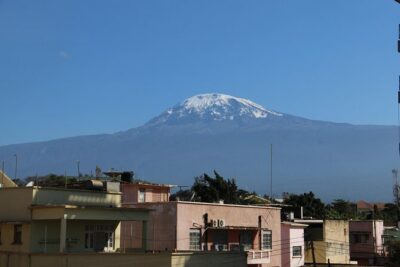
Rongai feels quieter and wilder from day one. This 6-day trek from Moshi goes up Kilimanjaro from the north, near the Kenyan border, with a steady ascent profile that many people find more manageable. I like that it’s one of the low-crowd routes, which often means you get a more remote feel early on, plus a realistic shot at wildlife in the first days.
What I also like is how much the trip is set up for real mountain life: you get a qualified guide team, porters and cooking support, plus emergency oxygen and a basic first aid kit for safety. The one consideration I’d keep in mind is weather—Day 1 can get wet in the rainforest, so waterproofs aren’t optional if you hate cold, soggy trekking pants.
In This Review
- Key points to know before you go
- Rongai’s north-side approach: why this route feels different
- Price and logistics: what you’re paying for with this package
- Day 1: Rongai Gate to Nale Moru (the first slow climb with rainforest drama)
- Day 2: Kikelelwa Caves and the Second Cave viewpoint on Kibo
- Day 3: Mawenzi Tarn Hut with steeper moments and a useful acclimatization walk
- Day 4: crossing the saddle between Mawenzi and Kibo to Kibo Hut
- Day 5: midnight wake-up to Gilman’s Point and Uhuru Peak, then down to Horombo
- Day 6: the long descent to Marangu Park Gate through lush forest
- The support system: guides, porters, and how safety is actually handled
- What to pack (and what to let Moshi help with)
- Who should choose this Rongai trek
- Should you book this 6-day Rongai with Pinnacle?
- FAQ
- How long is the Rongai route trek?
- Where do the transfers and pickup happen?
- What’s included in the price?
- What’s not included?
- What happens on summit night?
- Can I cancel for a full refund?
Key points to know before you go
- North-side approach (Rongai): you’re climbing from the Kenyan border side, and the vibe is typically calmer than busier routes.
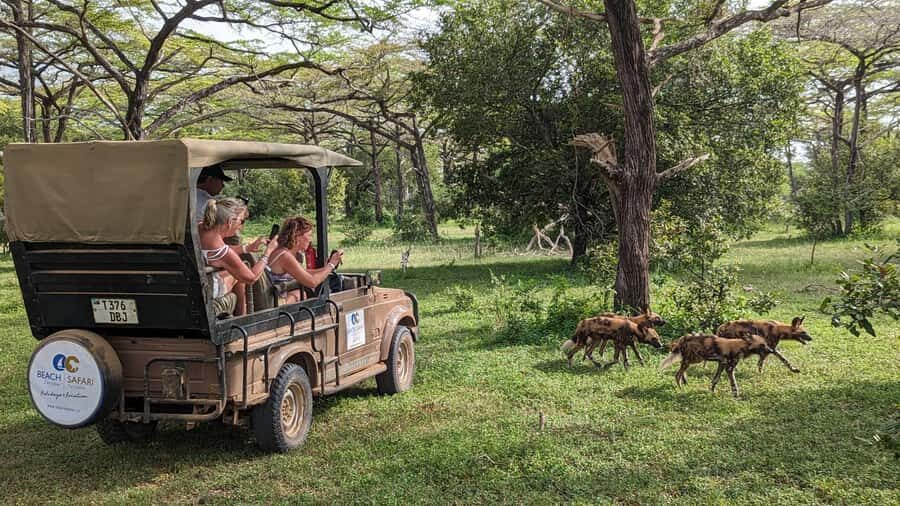
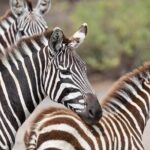
- Wildlife may show early: the remote first days give you a better chance than most routes.
- Kilimanjaro still demands patience: the summit day is long and you’ll crawl uphill in the dark before sunrise.
- Camping support is real: tents, chairs/tables, sleeping mattress, fresh drinking water, and daily hot water for a wash.
- Guides and porters are the difference: strong teams (including head-guide praise like Tuma, and summit-push support like Issa) matter on summit day.
- Rain can happen early: especially Day 1, when the forest can be soggy.
Rongai’s north-side approach: why this route feels different
Most people picture Kilimanjaro as one big hiking line, but Rongai is different in a way you’ll feel fast. It’s the route that approaches from the north, close to the Kenyan border. That alone changes the scenery and the character of the trek.
The climb profile is also similar to Marangu: you’re not doing the steepest, most abrupt elevation jumps early. That can help you settle into a rhythm. Still, Rongai isn’t a walk in the park. You’re doing repeated altitude exposure, and you’ll spend multiple nights above 3,800m—so pace and acclimatization matter no matter how “easier” a route is.
Here’s what you can realistically expect to enjoy:
- A more remote feel early on, with fewer groups around.
- The possibility of seeing wildlife in the first days, which is often the kind of bonus that makes you feel like you’re on something more than a checklist trek.
- Views that build day by day—especially when the clouds give you a break over the Kenyan plains and later when you catch Kibo’s shape along the crater rim.
You can also read our reviews of more hiking tours in Moshi
Price and logistics: what you’re paying for with this package
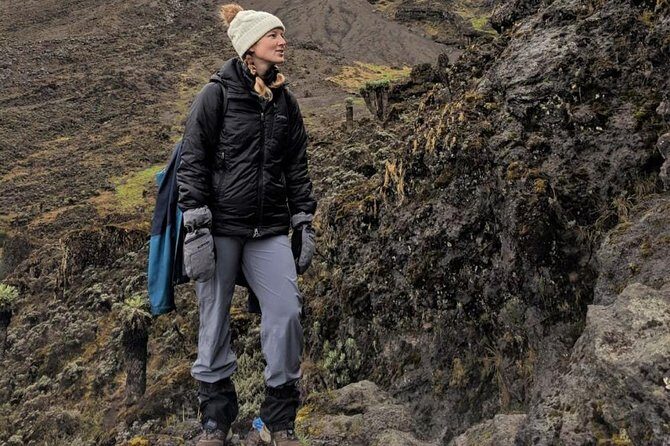
The cost is $2,353 per person for this roughly 6-day Rongai trek from Moshi. That number can feel steep until you look at what’s actually included.
This package covers a lot of the “don’t-mess-around” essentials:
- Return transfers between Kilimanjaro airport and Moshi (and back).
- All fees and taxes tied to the mountain program.
- A qualified mountain guide, assistant guides, and porters (plus their wages).
- Full camping gear: tents, camp chairs, tables, and sleeping mattress.
- Drinking water for the trek and hot water for a wash daily.
- Meals included across the trip (breakfast, lunch, dinner as listed in the package).
- Emergency oxygen and a basic first aid kit (not for summit aid, but for emergencies).
What you don’t get (and you’ll need to budget for) includes flights and visas, travel/health insurance, and personal gear (with rental available in Moshi). It also says a portable toilet is optional but highly recommended, plus personal medicine and water purifying tablets.
So is $2,353 good value? For Kilimanjaro, it’s on the “serious but fair” side—because you’re paying for a full support system. The cost isn’t just the walking; it’s also safe logistics, trained staff, camp setup, and having the mountain essentials taken care of.
Day 1: Rongai Gate to Nale Moru (the first slow climb with rainforest drama)
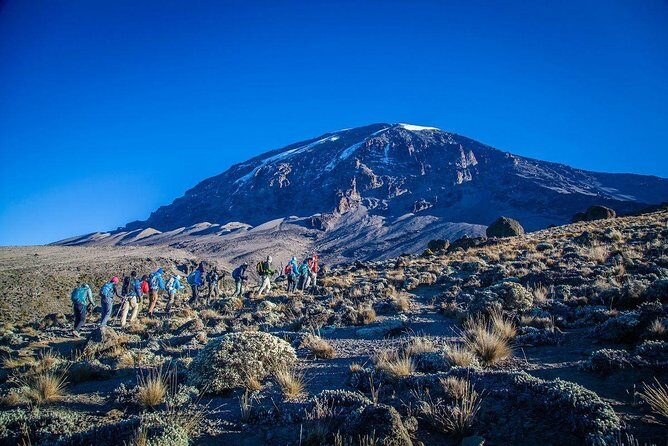
Day 1 starts with an early shift from Moshi. After breakfast at your hotel, you’ll be collected and driven to Kilimanjaro National Park, Rongai Gate for registration and to start the climb. Then the vehicle takes you onward to Nale Moru at around 1,950m.
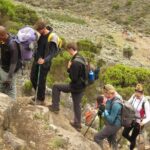
Today’s walk is about 3–4 hours. It begins on a small path winding through maize and potato fields, then you work into pine forest. The day gradually climbs until you reach the edge of the moorland zone.
The highlight is the payoff view: when weather cooperates, you get extensive views over the Kenyan plains. It’s the kind of first-day scenery that makes you understand why people keep coming back.
The drawback to plan for is simple: Day 1 can be wet. The itinerary notes rainforest conditions. If you run hot, you’ll still want to carry waterproofs (or at least a reliable rain shell and protection for your stuff). Cold rain early can make you feel less “excited hiker” and more “stubborn survivalist.”
Day 2: Kikelelwa Caves and the Second Cave viewpoint on Kibo
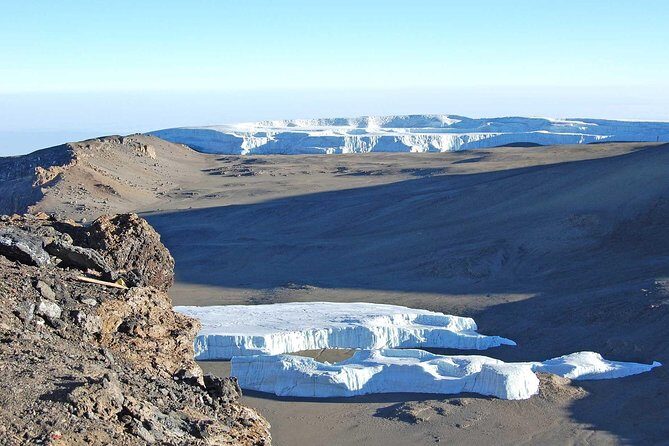
After breakfast at camp, you head out to Kikelelwa Caves. This is a steady day with a strong altitude component: about 5–6 hours of walking, with your ascent up to Second Cave at 3,450m.
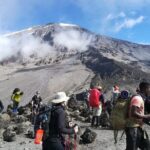
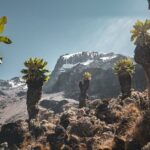
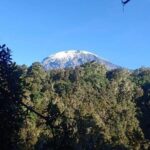
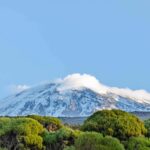
At Second Cave, weather permitting, you’re rewarded with views of Kibo (the summit) and the Eastern ice fields on the crater rim. That moment matters. It’s not just a photo stop—it’s a reality check that the summit is real, and also a reminder that your body is adapting as you go.
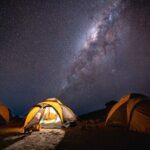
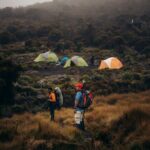
Tonight you camp near Kikelelwa caves at 3,800m, which keeps you at high altitude without letting you “drop” too much. That’s good for building acclimatization.
It’s also a longer mileage-style day (around 9 km/5.6 miles). If you tend to speed up when you feel good, consider resisting that urge. On Kilimanjaro, your best friend is a controlled pace.
Day 3: Mawenzi Tarn Hut with steeper moments and a useful acclimatization walk
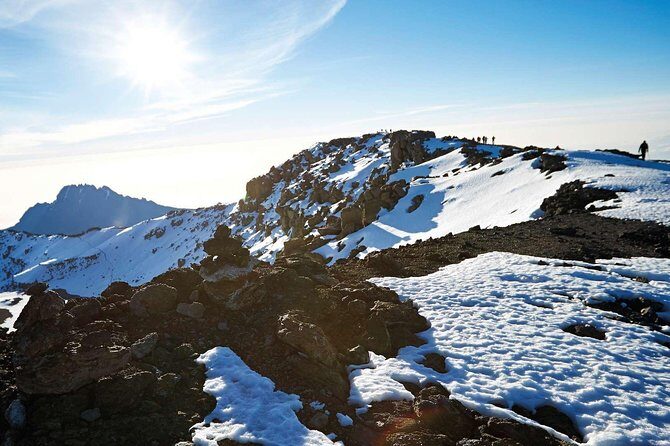
Day 3 is shorter—about 3–4 hours—but it’s not a free pass. Expect steeper sections with grassy slopes that climb up to Mawenzi Tarn Hut (4,330m).
The vegetation changes as you go. The itinerary basically pushes you away from the earlier forest zones, so you’ll feel the wilderness more strongly today. Even if your legs feel tired, the “out here” feeling is often a psychological boost: you’ll stop thinking like you’re on a guided hike and start thinking like you’re on an expedition.
You’ll also do an afternoon acclimatization walk to about 4,500m. That’s a smart move. It helps your body learn the altitude without turning today into a second summit day.
A few more Moshi tours and experiences worth a look
Day 4: crossing the saddle between Mawenzi and Kibo to Kibo Hut
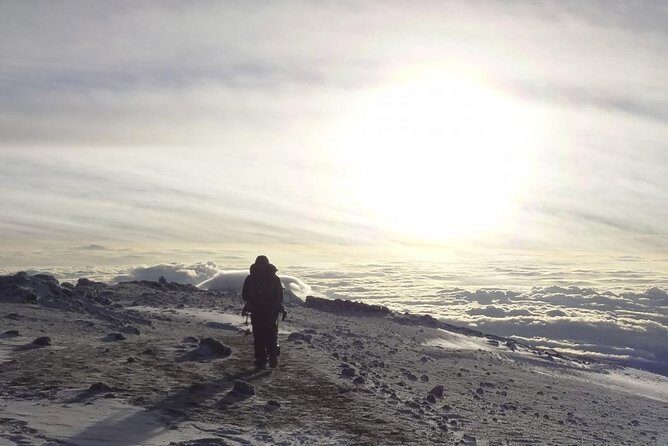
This day is often the quiet hinge. You walk about 4–5 hours, crossing the saddle between Mawenzi and Kibo. The itinerary calls it a lunar desert—and that’s the right vibe. You’re getting exposed and open, with fewer “soft” visual distractions.
Then you’ll have early dinner and overnight at Kibo Hut (4,700m). That timing matters for summit readiness. You want to settle early, sleep as best you can, and let your body recover from the prior days.
This day’s walking distance is around 9 km/5.6 miles with a smaller altitude gain (about 370m). That can feel kinder on paper. Still, you’ll want to treat it with respect. Fatigue can creep in when you’re at high elevation and moving through open terrain.
Day 5: midnight wake-up to Gilman’s Point and Uhuru Peak, then down to Horombo
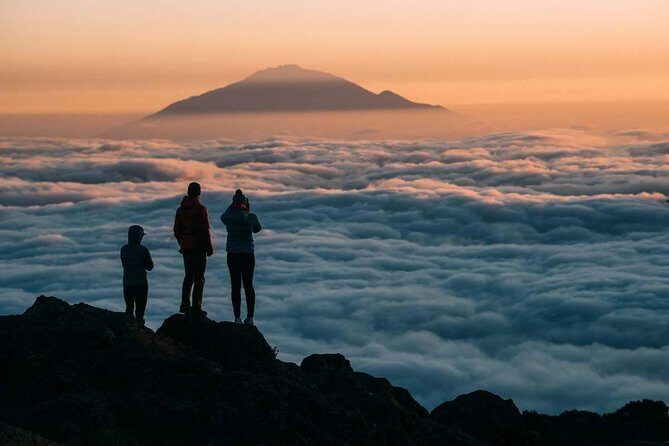
Summit day is the big test, and this itinerary lays it out clearly.
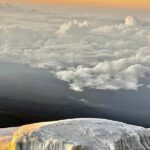
You’ll be woken early (around midnight) with a hot drink and snack. Then you begin trekking by torchlight toward the crater rim at Gilman’s Point (5,685m). You rest briefly and enjoy sunrise over Mawenzi peak if the weather allows it.
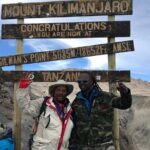
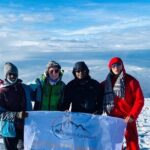
Then you continue onward to Uhuru (Freedom) Peak at 5,895m, the highest point on Kilimanjaro. The walking isn’t over—you’ll descend after the summit, first back to Kibo Hut (4,700m) for a rest and brunch, then continuing down to Horombo Hut (3,720m).
Expect a big day:
- Around 5–6 hours of walking to the crater rim + 1–2 hours up after the start.
- 5–6 hours down, with overall walking time varying widely from 10 to 16 hours.
- The day’s descent totals about 2,195m.
This is where the “team quality” you read about actually becomes practical. On summit pushes, a guide’s pacing strategy and encouragement can keep you from burning matches too early. In Pinnacle’s team context, I’ve seen mention of strong summit-day motivation from a guide named Issa, and head-guide confidence building led by Tuma. Whether your name is theirs or not, you want the same thing: someone who keeps you slow, focused, and moving safely.
Day 6: the long descent to Marangu Park Gate through lush forest
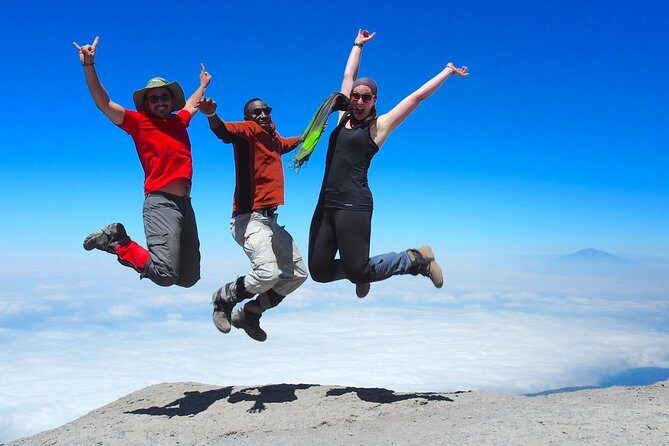
You’ll finish with a descent of about 5–7 hours to Marangu Park Gate (1,700m). The walking distance is roughly 20 km/12.5 miles, so even though it’s “just down,” it can still feel like a workout.
You’ll walk through lush forest on good paths. This is the day where your mind often flips from altitude survival to simple enjoyment. You’ll likely feel relief seeing the greenery again, and it’s a great moment to reflect on how far you’ve traveled since those fields and pine forests on Day 1.
After you sign out at the gate, you’ll be met by a driver and transferred back to your hotel in Moshi or Arusha.
The support system: guides, porters, and how safety is actually handled
Kilimanjaro runs on teamwork. Even if you’re fit and determined, you still want a staff that’s strong at details: route management, pacing, gear readiness, food service, and quick response if you’re not feeling right.
This package includes:
- Qualified mountain guides and assistant guides
- Porters and cook support
- A basic first aid kit and emergency oxygen for emergencies only
That oxygen note is important. It’s not a magic summit booster. It’s there so you’re not stuck alone if something goes wrong.
The reviews content you provided also points to the human side: people describe being impressed by how organized the team felt and how much confidence the head guide brought. Names like Tuma (safety emphasis) and Issa (summit push support) show up in that feedback, and that’s a good sign because summit day is where clarity and calm matter most.
What to pack (and what to let Moshi help with)
You’ll likely be hiking on cool-to-cold nights and trekking in changing weather. The itinerary only directly mentions rain gear for the first day, but you can still plan intelligently.
From what this package states, here’s what you should bring or arrange:
- Waterproofs (explicitly recommended because Day 1 can be wet)
- Personal hiking/trekking gear isn’t included, but you can rent in Moshi
- A portable toilet is not required by the package, but it’s highly recommended
- Personal medicine
- Water purifying tablets (recommended but not included)
I also suggest planning for your own comfort:
- Keep your essentials organized. If your bag gets soaked once, you’ll feel it for days.
- Bring layers you can adjust. On Kilimanjaro, you’ll go from torchlight cold to warmer sunlit sections, often faster than you expect.
Who should choose this Rongai trek
This route is a good fit if:
- You want a gradual, steady ascent compared to the steepest options
- You prefer fewer crowds and a quieter feel
- You like the idea of possible wildlife earlier in the climb
- You want strong support and camping structure built into the price
It’s also a solid option if you’re not chasing a super-difficult hiking ego trip. Still, don’t underestimate summit day. You’re doing a midnight start, multiple hours in the dark, and a long descent. “Easier route” means pacing may be smoother—not that summit day becomes short.
Should you book this 6-day Rongai with Pinnacle?
If your goal is a calmer Kilimanjaro climb from the north side, with real support and a good chance of early remote scenery, I think this package makes sense. The inclusions are practical: transfers, fees, guides and porters, camp setup, meals, daily hot water, plus emergency oxygen.
You should pause and plan extra carefully if:
- You hate getting wet and cold on Day 1 (rain can happen in the rainforest section)
- You’re not ready for summit day timing and total time on your feet
- You haven’t budgeted for personal insurance, flights, and gear (since those are not included)
If you want Kilimanjaro that feels less crowded and more expedition-like, Rongai is one of the smartest choices you can make—and this format helps you focus on the one job that matters: taking it slow enough to make the summit day possible.
FAQ
How long is the Rongai route trek?
The trek is listed as 6 days (approx.).
Where do the transfers and pickup happen?
The experience starts with pickup from Moshi Urban and includes return transfers between Kilimanjaro airport and Moshi, plus Moshi to the Kilimanjaro airport after the trek.
What’s included in the price?
Included items are dinners and other listed meals (breakfast and lunch as specified), all fees and taxes, camping equipment, drinking water and hot water for a wash daily, return transfers, qualified guides and porters, emergency oxygen (for emergencies only), and a basic first aid kit.
What’s not included?
Not included are flights and visas, travel and health insurance, personal hiking gear (you can rent in Moshi), a portable toilet (optional but highly recommended), personal medicine, and water purifying tablets, plus meals and drinks not specified.
What happens on summit night?
You’re woken early (around midnight) with a hot drink and snack, then trek slowly by torchlight to Gilman’s Point at about 5,685m to rest and watch sunrise, then continue to Uhuru Peak around 5,895m before descending to camps.
Can I cancel for a full refund?
You can cancel up to 3 days in advance for a full refund, and cancellations made less than 3 full days before the start time are not refunded.