REVIEW · NGORONGORO CRATER
Best Day tour to Ngorongoro Crater-ISMANI TOURS AND SAFARIS
Book on GetYourGuide →Operated by ISMANI TOURS AND SAFARIS: The Best Tanzania Safari Agency | Best Kilimanjaro hiking Agency · Bookable on GetYourGuide
Ngorongoro in a single day is intense. This one-day Ngorongoro Crater trip turns a huge volcanic caldera into a game-drive day with guided spotting focused on wildlife density.
I like two things most: the plan centers on a long 6-hour crater safari drive, and you keep the group small (up to 7), which usually means more time actually watching animals. The main drawback to weigh is service risk: timing and guide/driver execution can be inconsistent, including late pickups and rushed guiding.
In This Review
- Key things to know before you go
- Ngorongoro Crater: why this one-day trip feels like a greatest-hits safari
- A one-day timetable from Arusha: early starts and a long road rhythm
- The crater game drive: spotting Big Five odds the practical way
- 4×4 Land Cruiser + small group up to 7: comfort and control
- Food and water on safari: what’s included and what you should bring anyway
- Price and value: is $300 per person a fair deal?
- Service quality red flags to take seriously
- What makes the operator’s approach worth considering
- Should you book this one-day Ngorongoro tour?
- FAQ
- What is the duration of the Ngorongoro Crater day tour?
- What does the tour price include?
- Are pickup and drop-off included from Arusha?
- Is pickup from Moshi included in the price?
- How many people are in the group?
- What language is the live tour guide available in?
- Is the tour wheelchair accessible?
- What is not included in the tour price?
- Is there free cancellation?
Key things to know before you go
- Early start matters: the day is built around pickup and road time, so being ready on time is non-negotiable.
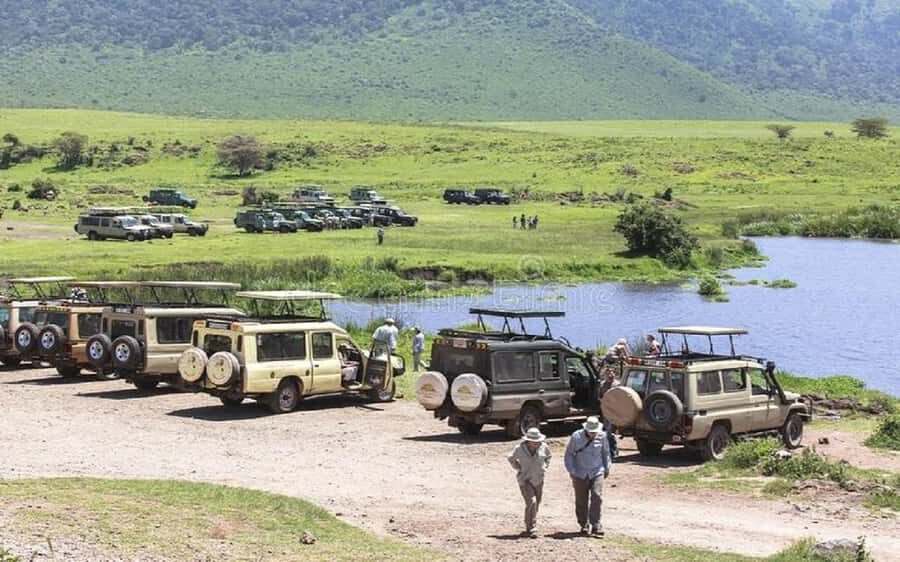
- You’re paying for crater access plus wheels: park fees and 4×4 Land Cruiser safari transport are included, which is the heart of the value.
- Small group rhythm: with a max of 7, you’re more likely to get a calmer drive and better viewing focus.
- Lunch box is included, snacks are not guaranteed: you get a lunch box and drinking water, but plan for personal food needs.
- Prime spots help, but nothing is guaranteed: guides aim for prime viewing areas, yet hard-to-spot wildlife (like leopards) still takes luck.
Ngorongoro Crater: why this one-day trip feels like a greatest-hits safari
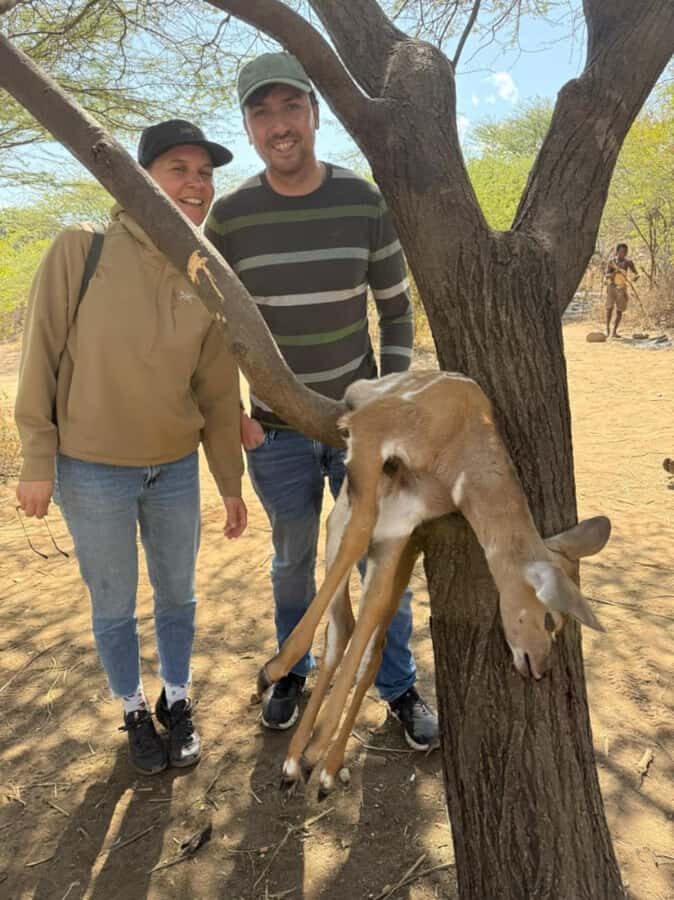
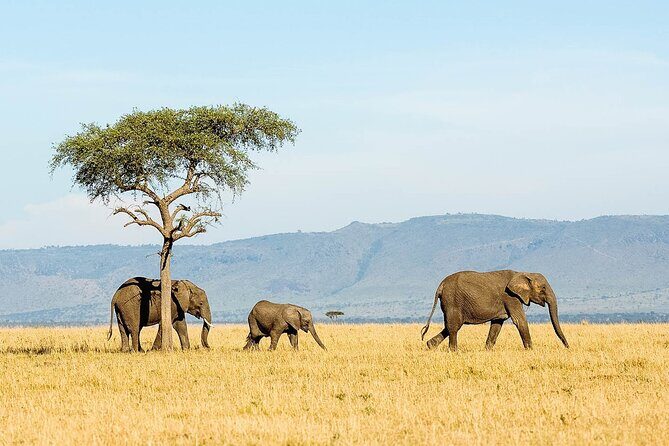
Ngorongoro Crater is a volcanic caldera that covers about 260 square kilometers, and that size matters. It’s not just scenery. It’s a natural bowl where animals concentrate, so even a tight schedule can still deliver strong wildlife viewing odds.
This tour is designed around that reality: guided time in the crater plus a long game drive to give you repeated chances to find the animals you came for. The operator positions the day around the possibility of spotting the Big Five: lion, elephant, buffalo, leopard, and rhinoceros. In practice, you should treat the Big Five as a target, not a promise, because crater wildlife moves and visibility changes.
I also like that the approach is guide-led, with the expectation that staff know how the crater ecosystems tend to behave. A good guide doesn’t just point; they help you interpret what you’re seeing and where to look next. That’s what makes a one-day safari feel worth the early wake-up call.
You can also read our reviews of more tours and experiences in Ngorongoro Crater.

A one-day timetable from Arusha: early starts and a long road rhythm
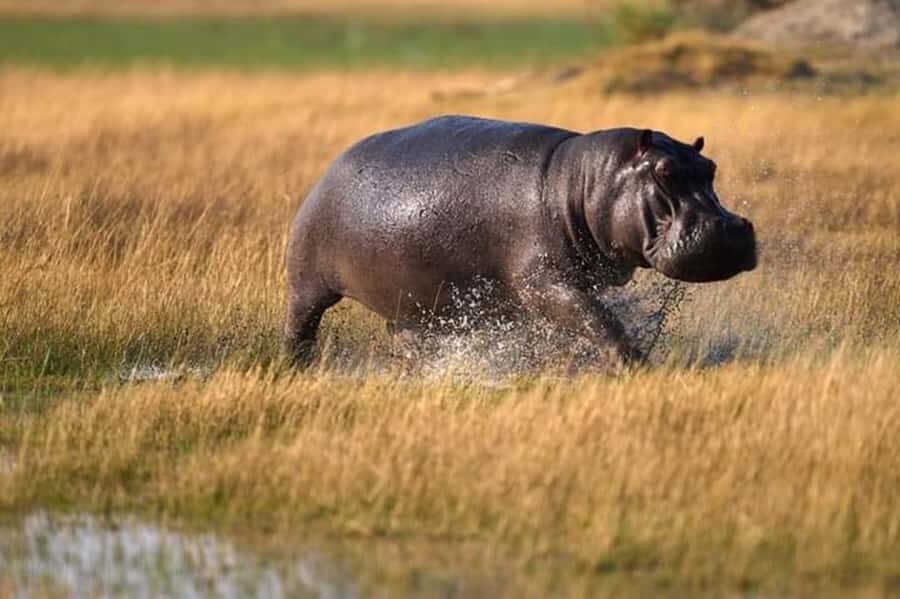
The day runs on a simple structure: pickup, a drive into the Ngorongoro area, about 6 hours of guided game drive inside the crater, then the return drive. Your total time on land is built around roughly 2 hours by jeep on each leg (there and back), with the crater time as the centerpiece.
If you’re staying in Arusha, pickup is included. If you’re staying in Moshi, pickup and drop-off are not included in the price, so you’ll need to arrange that separately. For me, that’s a key decision point for value: Moshi adds logistics work, and logistics is what makes or breaks one-day safaris.
Also, this is an early-morning style of day. Even if your booking says a certain readiness time, you should assume the real world needs buffers. Being at the pickup spot early helps you avoid the chain reaction of delays, because this trip has tight timing by design.
The crater game drive: spotting Big Five odds the practical way
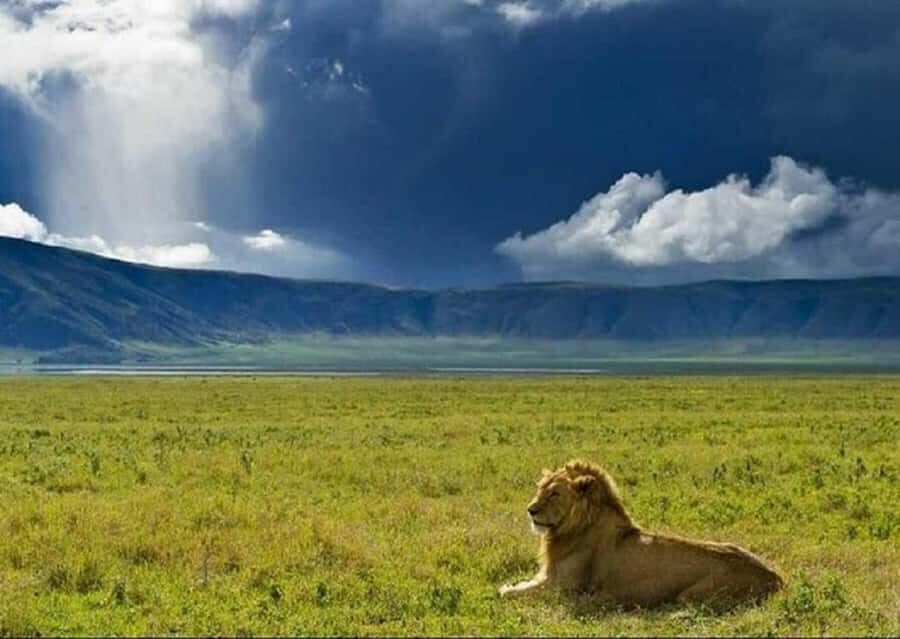
Inside the crater, the tour is built around a guided game drive and time to observe animals where they’re most likely to appear. The operator says you’ll have access to prime wildlife viewing areas, and that matters because in a place like this, “seeing animals” is partly about where you stop and when you stop.
A 6-hour drive is long enough to do more than a quick scan. You can slow down when animals show interest nearby, and you can reposition when a herd shifts or when predators move through open grass. That’s the difference between a drive where you’re always late to the action and one where the guide is actively staying ahead.
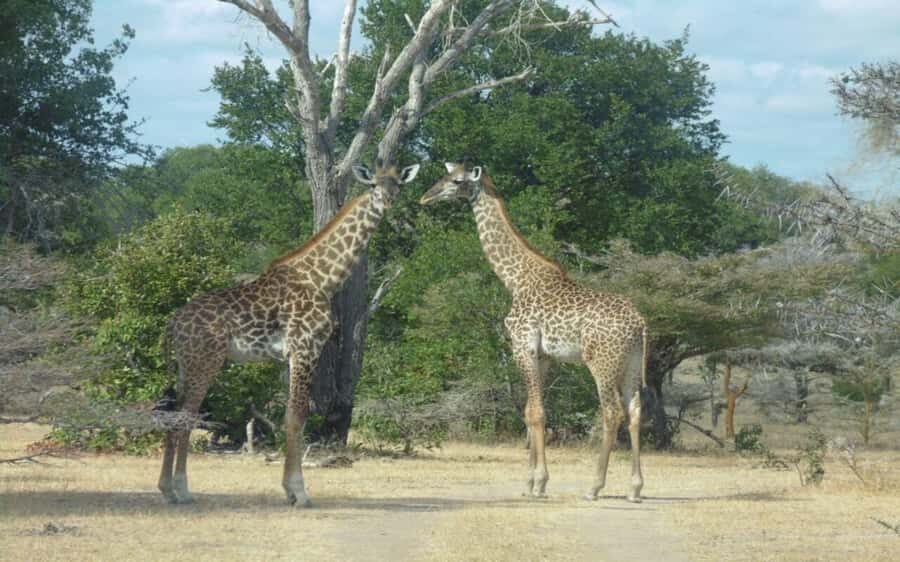
Here’s the practical reality, though: some animals are simply easier than others. Lions and large herds can show up in more obvious ways. Leopards and some birds often demand patience, good visibility, and the luck of timing. If the day gets rushed due to delays, you may lose the quiet minutes that are essential for spotting the trickier animals.
One more tip: bring binoculars if you have them. If you don’t, it’s still worth asking what’s available in the group setup, because the crater distances can make the difference between a quick glance and real identification.
4×4 Land Cruiser + small group up to 7: comfort and control
You travel in a 4×4 Land Cruiser safari jeep, which is exactly what you want for rougher crater roads and uneven terrain. The vehicle choice affects comfort, stability, and how well you can maintain good sight lines as you move.
The small group size is also a big deal. With up to 7 participants, the day tends to feel less like a cattle call. Fewer people usually means less time negotiating where everyone sits or stands to photograph, and more attention from staff on spotting.
If you need wheelchair accessibility, the activity is listed as wheelchair accessible. Still, in real life, safari access depends on vehicle entry points and crater viewing spots, so it’s wise to confirm details with the operator before you pay—don’t assume every spot will work perfectly.
Food and water on safari: what’s included and what you should bring anyway
The basics are covered: you get a lunch box and drinking water. That’s helpful, because one-day crater trips often live or die by whether you can eat something without losing viewing time.
But here’s the practical planning angle. On a day that starts early and runs with long drives, you might want extra comfort food. The tour data says beverage drinks are not included, and personal expenses are not included either. Even if the lunch box is decent, small portions or long gaps between food can happen when schedules slip.
So I’d pack a small safety kit: a couple of high-energy snacks, some tea or coffee-style comfort if you rely on it, and a personal refillable water bottle if you like having extra on hand beyond what’s provided. If you’re the type who gets cranky without snacks, you’ll thank yourself later.


Price and value: is $300 per person a fair deal?
At $300 per person for one day, you’re paying for three main things: park entry (park fees included), the 4×4 vehicle transport, and guided crater access. That’s not just “tour time.” In East Africa, park fees and vehicles are real costs, and they’re often the difference between an organized safari and a rushed taxi-style day.
Where the value gets tricky is in execution. If everything runs on schedule with a real guide actively searching for sightings, this price can feel reasonable. If pickup timing drifts, guiding becomes passive, or the day feels rushed, that same price starts to sting.
Also, check pickup economics. Pickup/drop-off from Arusha is included, but Moshi pickup/drop-off is not included in the price. If you’re comparing options, make sure your quote covers your actual lodging location. People sometimes assume a “one-day” tour means one fixed package cost. In this case, your base town can change the real total.
My advice: demand a clear written breakdown before you pay, especially for anything that affects timing. On a one-day safari, small hidden costs and unclear responsibilities can turn into big frustration.
Service quality red flags to take seriously
This is the part you should not skim.
Some bookings report issues like delayed pickup, a guide not arriving as expected, and a day that felt driven rather than guided. There were also complaints about meals being handled in ways that created friction, plus not having time to slow down for animals that need patience (like birds or leopards).
None of that changes the fact that Ngorongoro Crater itself is spectacular. You can absolutely have a great day here. But your experience will depend heavily on whether staff run a tight operation at 5 a.m. and keep the game drive meaningful instead of rushed.
So here’s what I’d do if you book this tour:
- Confirm pickup location details the day before, including the exact pickup spot name and a reliable contact method.
- Ask who you’ll meet at pickup (guide vs driver) and what language support you’re assigned.
- Be clear about timing expectations and what happens if there’s a vehicle problem on the road.
Your best chance at value is a smoothly run day, because the day’s design gives you little buffer for chaos.
What makes the operator’s approach worth considering
The operator states a commitment to sustainable tourism and says they operate with respect for the environment and local communities. They also describe conservation-minded practices, which is at least a positive signal in how they frame their safari.
They also offer live guiding with languages including English, Spanish, French, and German. If you’re not comfortable with a basic English-only explanation, language support is a real quality factor. Wildlife viewing gets much more fun when you understand what you’re seeing and why the guide is choosing certain stops.
If you care about responsible tourism, ask a couple of direct questions: How do they manage crowding in prime spots? Do they keep to conservation rules in the crater? Are they strict about vehicle conduct near wildlife? You’re not being difficult. You’re just making sure “sustainable” is more than a brochure word.
Should you book this one-day Ngorongoro tour?
I think this tour can work well if you’re flexible and you prioritize crater wildlife chances over a super-polished service style. The price covers key costs like park fees and 4×4 transport, and the schedule devotes the time to a long crater game drive.
But I also think you should only book if you’re comfortable managing the main risk: timing and on-the-ground guidance consistency. With one-day safaris, delays can shrink your crater time and push you into a more rushed drive than you want.
If you decide to go, do it with two conditions: confirm pickup details in advance, and pack a small food backup so a lunch box issue doesn’t ruin your mood. Get those two right, and you’re setting yourself up for the best possible shot at Ngorongoro’s Big Five energy.
FAQ
What is the duration of the Ngorongoro Crater day tour?
The tour duration is 1 day.
What does the tour price include?
Included are park fees, transport in a Land Cruiser 4×4 jeep safari, a lunch box, and drinking water.
Are pickup and drop-off included from Arusha?
Yes. Pickup and drop-off from Arusha are included.
Is pickup from Moshi included in the price?
No. Pickup and drop-off from Moshi are not included, and you’ll need to contact the operator to arrange Moshi-to-Arusha pickup.
How many people are in the group?
The group is limited to a small group of up to 7 participants.
What language is the live tour guide available in?
The live tour guide is available in English, Spanish, French, and German.
Is the tour wheelchair accessible?
Yes, the activity is listed as wheelchair accessible.
What is not included in the tour price?
Personal expenses and beverage drinks are not included.
Is there free cancellation?
Yes. You can cancel up to 24 hours in advance for a full refund.