REVIEW · ZANZIBAR CITY
Zanzibar Spice Farm Half-Day Walking Tour
Book on Viator →Operated by ARP Travel Group · Bookable on Viator
A spice tour in Zanzibar City feels like stepping into a walking perfume shop. You’ll spend about 3 hours on foot learning how spices grow, how workers harvest, and how the island’s spice trade shaped life in the villages. It’s not a museum-style show; it’s farm-level reality, with a guide who explains what you’re smelling and seeing.
I especially liked two things: first, the way the guide connects the plants to everyday use, so the talk about clove and saffron doesn’t stay theory. Second, the Hamamni Persian Baths stop adds real Stone Town context right in the middle of the tour, with a free 15-minute admission ticket. One thing to consider: you’ll be walking, so bring shoes that can handle uneven ground and go in with at least a moderate comfort level for walking.
In This Review
- Key Things I’d Put on Your Radar
- Entering Stone Town at Hamamni Persian Baths (Then Back to the Spice Trail)
- The Walking Tour Through Spice Farms: What You’ll See Up Close
- Spice Facts You’ll Remember After the Tour
- Sampling Spices and Fruit: The Part That Makes It Real
- Pickup, Drop-Off, and How to Prepare Without Overthinking It
- Price and Value: Is $75 for a Half-Day Too Much?
- Shopping After the Walk: How to Make It Work for You
- Who This Tour Suits Best (And Who Might Prefer Something Else)
- Should You Book This Zanzibar Spice Farm Walking Tour?
- FAQ
- How long is the Zanzibar Spice Farm Half-Day Walking Tour?
- What does the tour cost?
- Is hotel pickup and drop-off included?
- What’s included in the tour price?
- Are food and drinks included?
- Is the Hamamni Persian Baths admission included?
- What dress code should I follow?
- Is this tour private?
- When will I get confirmation after booking?
- Can I get a full refund if I cancel?
Key Things I’d Put on Your Radar

- Smell-first learning on real spice plots: you don’t just hear about spices, you see them growing.
- Hamamni Persian Baths stop in Stone Town: quick, free, and historically grounded (1870–1888 built period).
- Spice pricing trivia that actually makes sense: cloves and saffron get discussed in plain terms.
- Fruit and spice sampling at the end: you’ll get to taste what you’ve been learning about.
- Pickup and drop-off from Zanzibar hotels: it saves time in a city where directions can get messy.
- Private tour format: it’s just your group, so questions don’t get lost in the shuffle.
Entering Stone Town at Hamamni Persian Baths (Then Back to the Spice Trail)

Most half-day tours in Zanzibar City start with a bang—either a scenic drive or a long museum walk. This one starts with something different: a brief stop at Hamamni Persian Baths inside a historic Stone Town building. You’ll spend about 15 minutes there, and the admission ticket is free for that stop, which feels like a small win before you head into the scent-heavy part of the day.
Why I think this stop matters: the spice story isn’t separate from Stone Town. Zanzibar’s spice wealth helped build the island’s connected trading world, and Stone Town reflects that history in its architecture and neighborhoods. Hamamni also has a clear timeline—you’re stepping into a place built between 1870 and 1888 for Sultan Barghash bin Said as public baths, and it served that purpose until 1920. You don’t need to be a history nerd to appreciate that the buildings here have layers.
The practical takeaway: keep your water handy for later. This bath stop is short, so don’t treat it like a long break. Think of it as a quick palate cleanser—literally, you’ll switch from cool stone walls to outdoor spice air soon after.
You can also read our reviews of more walking tours in Zanzibar City



The Walking Tour Through Spice Farms: What You’ll See Up Close

After Hamamni, the tour shifts from Stone Town to spice cultivation. The core experience is a guided walk through spice farms and plantations on Zanzibar, designed to show rural life up close rather than from a distance.
Here’s what you should expect your guide to point out during the walk:
- spice and fruit cultivation in practical, farm-working terms
- workers harvesting and working with the plants
- the island’s spice trade history, told in a way that links back to what’s growing around you
The walking format is the point. When you move slowly, you notice small things: how plants are trained, where shade is used, how different parts of a plant are collected, and how farms look in different seasons. Even if your interest is mostly food-related, the walk makes the whole supply chain easier to picture.
One more detail worth planning for: the tour description indicates workers climb into spice trees during the process. That’s one reason you’ll want a guide who can safely explain what’s happening and what you’re looking at. It also means you might be observing busy farm moments—so keep your phone ready, but don’t block paths or get too close to working areas.
Spice Facts You’ll Remember After the Tour
The best tours don’t just show you plants—they give you usable info. This one has that quality. The tour focuses on how spices are used and grown, and the guide’s explanations are the part people rate highest.
Based on the feedback I’ve seen, the guide’s clarity stands out. People specifically call out learning how spices are used, plus the way the guide explains everything so it clicks. That matters, because spice knowledge can turn into a blur fast—there are lots of smells, lots of products, and Zanzibar has more than a few headline spices.
Two specific takeaways that are easy to remember:
- Cloves are sold through the government, and they’re described as the second most expensive spice after saffron in the tour conversation.
- You’ll get a clearer understanding of why some spices cost more than others—especially when your guide ties price to controlled sales and rarity.
And yes, you’ll also be smelling spices the whole time. That’s not just fun. Smell is a memory hook. If you’re the type who struggles to remember names, you’ll likely remember the scents first—and then the names follow.
Sampling Spices and Fruit: The Part That Makes It Real

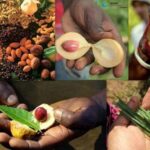
One reason this tour works is that it includes tasting. The tour description says you’ll sample spices and fruits fresh from the field. Reviews also mention ending the tour with local fruit, which is exactly the kind of ending that makes the walk feel complete.
Just keep expectations grounded:
- Food and drinks are not included.
- Tastings of spices and fruit are part of the experience, but you shouldn’t count on a full meal.
So if you have a long day after the tour, plan on eating afterward. If you’re sensitive to spice, consider asking your guide what’s coming before you taste. Guides typically adjust as they go, but the only safe assumption is that you’ll be offered some items to try.
Pickup, Drop-Off, and How to Prepare Without Overthinking It

The tour is set up to be low-stress once you’re in Zanzibar City. Hotel pickup and drop-off are included, and the tour offers both morning and afternoon departures. That matters because Zanzibar City traffic and short distances can still take time, and walking from the wrong pickup point can turn a 3-hour tour into a rushed mess.
It’s also a private tour/activity, meaning only your group participates. That generally makes the guide’s attention more useful—especially for questions about spice use, harvesting, or what you should do if you shop afterward.
Here’s what you should prepare:
- Dress conservatively: formal dress is requested, with women covering shoulders and wearing long skirts or trousers.
- Bring good walking shoes. The tour is a walking experience and likely involves uneven ground.
- Have moderate walking fitness. You don’t need to be an athlete, but you should be comfortable moving for the full half-day.
One small reality check: because the tour involves walking and farm areas, this is not the kind of activity where flip-flops are a good idea. You’ll thank yourself for actual shoes before you reach the second scent-heavy stretch of the walk.
A few more Zanzibar City tours and experiences worth a look






Price and Value: Is $75 for a Half-Day Too Much?

Let’s talk money. The price is $75.00 per person, and the duration is about 3 hours. On paper, that’s not “cheap.” But in Zanzibar City, you’re paying for more than just a walk.
What you’re getting for your $75:
- a professional guide
- pickup and drop-off at your hotel
- a walking tour through spice farms and plantations
- spice and fruit sampling as part of the experience
- a Stone Town historical stop connected to the wider spice story
That combination adds value because it compresses multiple experiences into one outing. A pure farm tour without the Stone Town stop can feel disconnected. A Stone Town tour without the farm context can feel like trivia. This one tries to connect both, and the guide helps bridge that gap.
One review note also flags a possible “value feeling” issue: the community spice shop can be pricey. The good news is that the purchase decision is optional. The tour’s purpose is education and sampling; shopping is the natural add-on. If you plan to buy spices, go in with a budget and be ready to compare what you’re offered at the shop. If you don’t plan to buy much, you can still enjoy the tour for the guide’s explanation and the sampling.
Shopping After the Walk: How to Make It Work for You

This tour is described as a perfect time to shop for spices. I agree, with one practical adjustment: don’t treat shopping as an impulse purchase.
Instead, use the tour like a training session:
- Learn what you came to smell (like cloves and what saffron-related pricing means).
- Ask how spices are used, not just how they’re packaged.
- Decide how much you want to carry and how you’ll store it after you get home.
You might find that cloves and saffron come with price expectations that feel surprising until your guide explains the context. That’s actually a useful service. If you understand what you’re buying, the shop experience becomes less stressful.
Also, keep an eye on photos. Souvenir photos are available to purchase, but they aren’t included. If you care about photos, ask what’s offered and what costs extra so you aren’t surprised.
Who This Tour Suits Best (And Who Might Prefer Something Else)

This tour is a good match if you want:
- a walking experience with local context
- practical learning about spices and how they’re used
- a guided story that connects rural farms to Stone Town history
- hotel convenience via pickup and drop-off
It’s especially good for couples and small groups because the private format keeps the experience focused. It’s also a solid choice if you’re food-motivated but want to go beyond restaurant descriptions.
You might want to skip it—or switch to a less walking-heavy option—if:
- you’re limited on walking stamina
- you don’t like conservative dress expectations
- you prefer indoor, seat-based sightseeing only
For most people with moderate fitness and a curiosity about how islands actually work, it’s a fun half-day.
Should You Book This Zanzibar Spice Farm Walking Tour?
If you like learning through your senses, I think this is worth booking. The strongest part is the guide-led explanation and the fact that you’re not just looking at spices—you’re seeing cultivation and getting sampling. Add the quick Hamamni Persian Baths stop, and you get a rare combo of rural and Stone Town history in one outing.
I’d book it if:
- you want a guided walk with pickup and drop-off
- you plan to buy at least a small amount of spices
- you like tours where the guide makes complex stuff easy to understand
I’d hesitate if:
- you’re walking-averse
- you expect the price to include more than a guide, pickup, and tastings
- you’re very sensitive to spending pressure in shops (you can still avoid purchases)
If you go in with the right expectations—comfortable shoes, conservative clothing, and a clear budget for any spice shopping—you’ll likely come away remembering the smells and the simple explanations that make Zanzibar spices feel real.
FAQ
How long is the Zanzibar Spice Farm Half-Day Walking Tour?
The tour runs for about 3 hours.
What does the tour cost?
It costs $75.00 per person.
Is hotel pickup and drop-off included?
Yes. Hotel pickup and drop-off are included in the tour.
What’s included in the tour price?
The included items are a professional guide and hotel pickup and drop-off.
Are food and drinks included?
No. Food and drinks are not included.
Is the Hamamni Persian Baths admission included?
Yes. The Hamamni Persian Baths stop is listed as 15 minutes with admission ticket free.
What dress code should I follow?
The dress code is formal and conservative. Women should cover their shoulders and wear long skirts or trousers.
Is this tour private?
Yes. It’s a private tour/activity, and only your group will participate.
When will I get confirmation after booking?
Confirmation is received within 48 hours of booking, subject to availability.
Can I get a full refund if I cancel?
You can cancel up to 3 days in advance for a full refund. If you cancel less than 3 days before the start time, the amount paid will not be refunded.