REVIEW · MOSHI
Full-Day Moshi Private Forest Walk and Local Market Tour
Book on Viator →Operated by PINNACLE ADVENTURES & SAFARIS LTD. · Bookable on Viator
A quiet forest walk plus market fruit in one day. This full-day private outing in Moshi strings together big-feeling views, real local food shopping, and a calm nature walk through Rau Forest—all with a professional guide. It’s a simple plan that works well if you want variety without bouncing between too many places.
I especially like two parts: the morning Mount Kilimanjaro sighting from town, and the fact that the walk goes through an actual working forest reserve area near the Forest Industries Training Institute. You also get a local guide who can explain what you’re seeing, not just move you along.
One consideration: it’s a long day at about 7 to 9 hours, with time on your feet in the forest and in the market. If you’re not great with walking or prefer a slow, low-effort schedule, this may feel like too much.
In This Review
- Key highlights at a glance
- Moshi Town Orientation and the Kilimanjaro View
- Rau Forest Walk Near the Forest Industries Training Institute
- Mbuyuni Market: Fresh Produce and Local Food Shopping Time
- Coffee Region Insights: Why Moshi Feels Coffee-Centered
- How to Plan Your Day: Pace, comfort, and timing
- Price and Value: What $120 covers in real-world terms
- Who This Tour Fits Best (and who might skip it)
- Should You Book This Moshi Private Forest Walk and Local Market Tour?
- FAQ
- How long is the Moshi private forest walk and market tour?
- Where does the tour start and end?
- Is pickup included?
- What does the tour cost?
- What’s included in the price?
- What do you do in Rau Forest?
- What is Mbuyuni Market like?
- Is the tour private?
- Are service animals allowed?
- What is the cancellation policy?
Key highlights at a glance
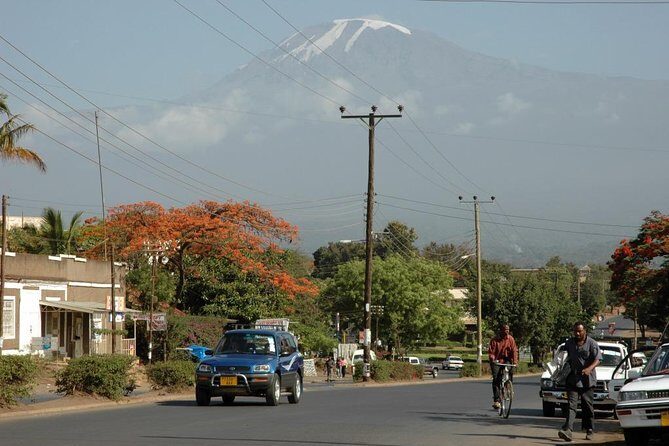
- Kilimanjaro views early while you’re still fresh and the day feels open
- Rau Forest springs and plants on a gentle, nature-focused walk
- Mbuyuni Market fresh produce from nearby farms, plus time to buy
- Coffee region context with a guide tied to Moshi’s economy
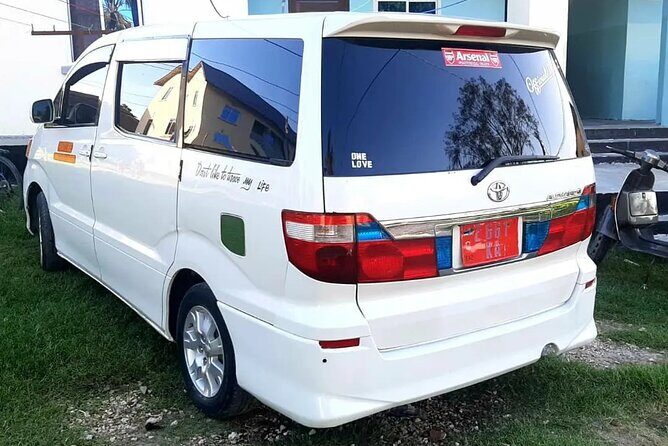
- Private transport with pickup from Moshi Urban and returns to the same spot
Moshi Town Orientation and the Kilimanjaro View
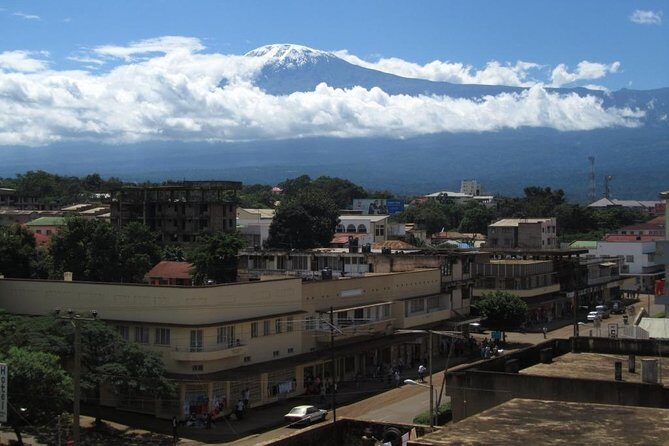
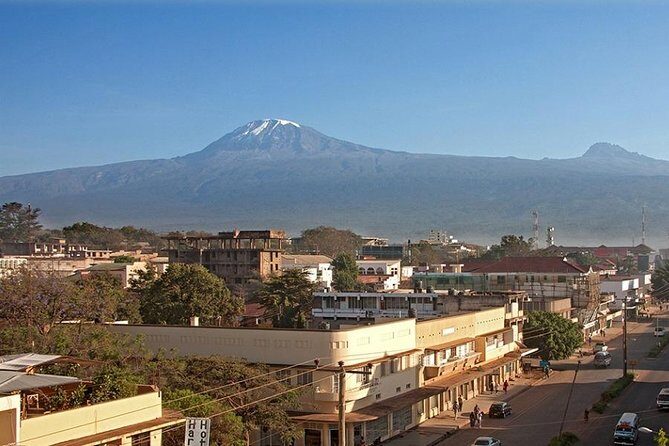
Your day starts in Moshi, Tanzania, at Moshi Urban, and the timing is built around getting oriented first. This is a town that sits at the foot of Mt. Kilimanjaro, and it has that practical “base town” feel: most visitors come for climbs, recovery days, or lower-slope hikes, but the town itself is more than a starting line.
What I like about this morning town segment is that it gives you context fast. Moshi is described as noticeably clean and low-key, with African and Asian influences, which helps you understand why it feels both local and orderly. And because Moshi is at the center of Tanzania’s major coffee-growing region, the whole place carries that self-sufficient, prosperous vibe linked to coffee—so when you later visit the coffee area, it clicks.
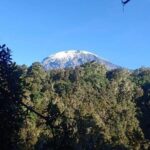
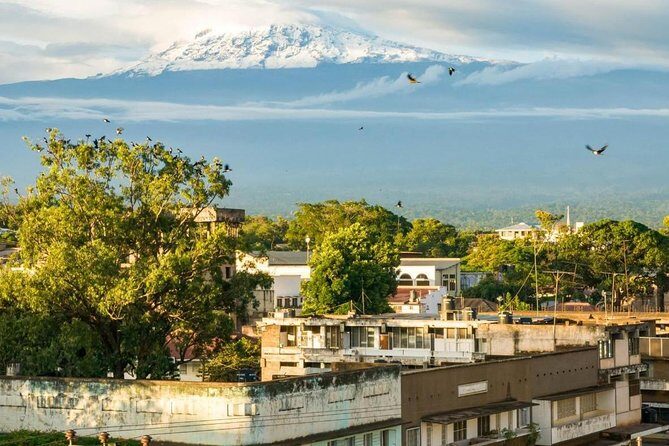
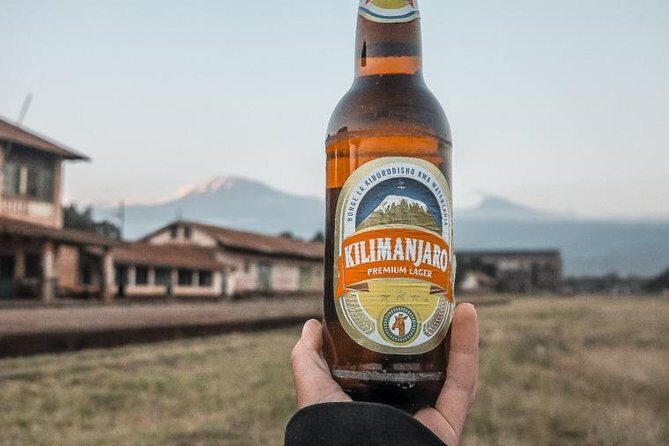
A big payoff here is simply catching a view of Kilimanjaro early. Even if you’re not climbing this trip, seeing the mountain looming in the background changes how you experience everything else that day. You also get a guided sense of why the region matters, beyond the summit picture.
Practical note: since this is a private tour, the morning pace tends to feel more flexible. You’re not stuck waiting around for a big bus load of people, and you can ask questions while you’re still in town.
You can also read our reviews of more walking tours in Moshi

Rau Forest Walk Near the Forest Industries Training Institute
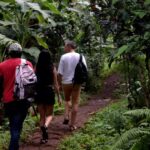
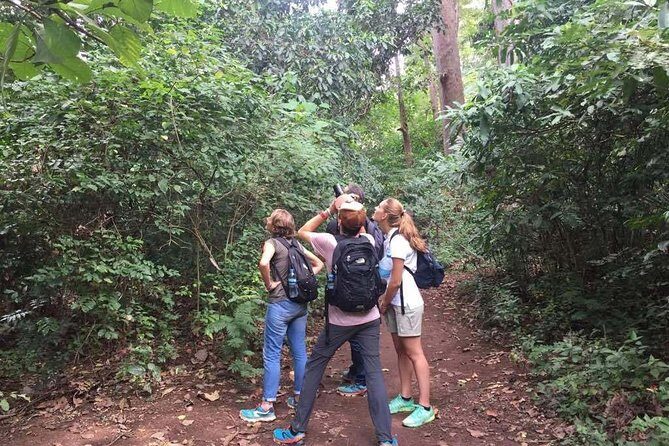
After town, you head to the Rau forest area, located about 3 km south-east of Moshi town. The walk is timed as a block (about 2 hours), and the setting is more specific than a generic “go see trees” outing.
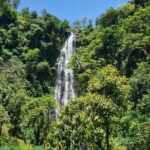
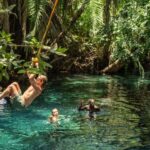
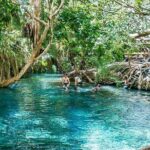
Rau Forest is described as an underground water forest—meaning it hosts natural springs and supports biodiversity because of the water system tied to the forest. The reserve sits on the gentle south-facing alluvial base of Kilimanjaro at an altitude between 730 and 765 m, which helps explain why this area functions like a living water source rather than just scenery.
What you’ll notice on the walk is the focus on plants and springs—quiet, grounded nature details. This is also connected to livelihood and training: the area is linked with a Forest Industries Training Institute, so there’s an educational angle even while you’re enjoying the calm pace.
The best way to enjoy this portion is to go in with curiosity rather than expectations of something dramatic. The “wow” is subtle: water coming from living systems, and how the forest supports more than just trees. It’s also a good contrast to Moshi town—suddenly the day feels cooler and slower.
Consideration: you’ll be walking through a forest reserve area. That means wear shoes that can handle uneven ground, and plan to take your time. If you rush, you’ll miss the spring-and-plant explanations that are the whole point.
Mbuyuni Market: Fresh Produce and Local Food Shopping Time
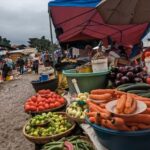
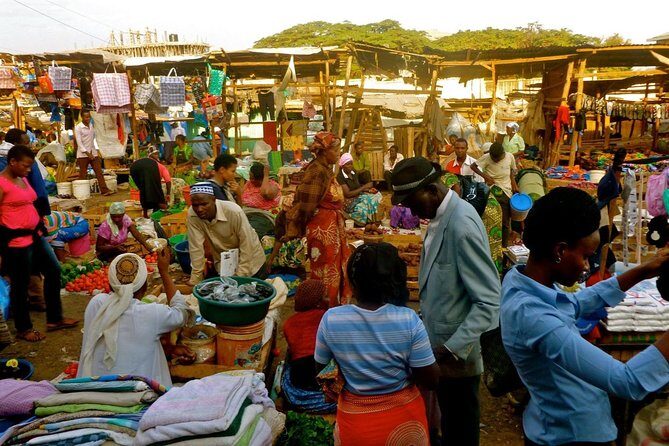
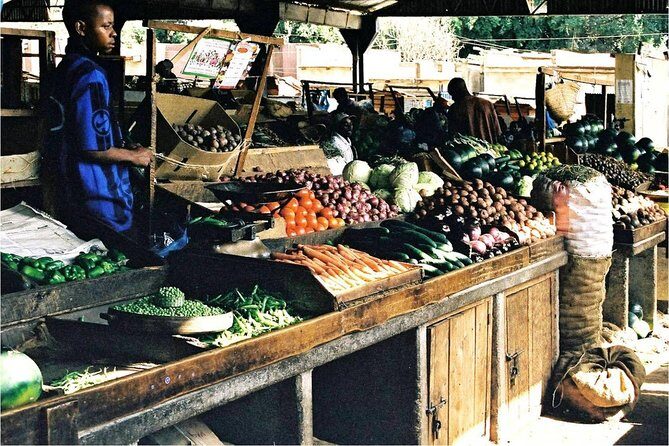
Then comes the part many people remember first: Mbuyuni Market. This is Moshi’s fresh produce market, and the focus is clear—fresh-from-the-farm fruits and local food products.
This stop is about 1 hour, which is a good length. Long enough to look around, understand what’s being sold, and grab a few items if you want to purchase something. Short enough that you’re not exhausted before the last part of the day.
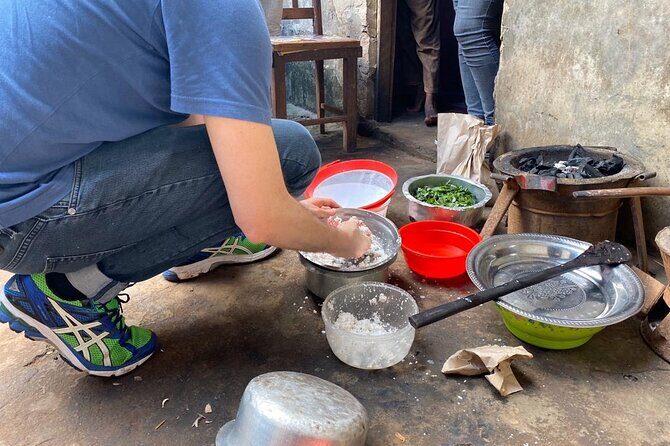
What makes this market time valuable is that it’s not just sightseeing. It’s built around what people are actually buying and using—crispy vegetables, juicy fruits, and everyday food choices. I also like that the guide can translate what you’re seeing into context, so you’re not stuck guessing what everything is.
In one case I heard about, the day included a casual local moment like eating bananas right in the market—exactly the kind of small, human detail that makes a market visit feel like part of daily life instead of a chore. If you’re open to trying something simple, this is the moment to do it.
Practical advice: markets can be a sensory overload—colors, smells, and lots of movement. Your best move is to stick with the time you have, keep your eyes on what the guide points out, and don’t try to do a full shopping haul unless that’s your priority.
Coffee Region Insights: Why Moshi Feels Coffee-Centered
After forest and market, the tour returns to Moshi’s bigger economic story with a visit to the coffee region with a professional guide.
Moshi’s identity is closely tied to coffee, and the earlier town orientation gives you the foundation. So this isn’t a random detour—it’s the payoff of the morning. In plain terms, coffee is why Moshi functions as a major hub in the Kilimanjaro region, and your guide can connect the dots between the farms, the region’s prosperity, and why visitors often pass through Moshi before and after mountain time.
You won’t just hear coffee as a slogan. You’ll get the kind of local explanation that helps you understand what coffee means here and why it matters beyond export headlines. If you’ve ever had Tanzanian coffee and wondered what the place feels like, this is where the “origin story” becomes real.
If you’re a coffee fan, ask your guide questions about how the growing area affects flavor or how the crop fits into local routines. You may not get every detail in the short time block, but you’ll likely come away with a much clearer mental picture of where coffee sits in daily life around Moshi.
How to Plan Your Day: Pace, comfort, and timing
This is scheduled as a 7 to 9 hour private day. That timing matters because you’re combining three different environments: town, forest reserve, and market, plus the coffee-region segment. Your energy will rise and fall—town feels easy, forest feels steady, market feels busy, and then you may feel the day catch up right after.
A few practical tips to make it smoother:
- Wear sturdy shoes for the forest walk (your feet will thank you later).
- Bring a light layer if mornings or shade areas feel cooler in the forest.
- Use the provided bottled water and take sips steadily.
- If you plan to buy produce in the market, decide ahead of time whether you want small snacks or just a few items to take home later.
Also, since pickup is offered and this ends back at the same Moshi Urban meeting point, it’s set up as a true “full-day loop.” You’re not dealing with complicated transfers on your own.
You can also read our reviews of more private tours in Moshi
Price and Value: What $120 covers in real-world terms
At $120 per person, this tour is not the cheapest way to spend a day in the Kilimanjaro region—but it’s also not random or bare-bones. The value is in what’s included: private transportation, a professional local guide (including their wage), bottled water, and all fees and taxes.
Where this price tends to make sense:
- If you’re traveling with a companion or small group, a private setup can feel more reasonable because the guide and car costs are shared.
- If you care about having explanations tied to each stop—especially the Rau forest ecology and Moshi’s coffee role—guided time is doing real work here.
- If you want a single day that covers town orientation, a nature walk, a produce market, and coffee context without juggling multiple bookings.
Where it might feel less ideal:
- If you’re the type who prefers to wander independently and already know you won’t enjoy guided explanations.
- If $120 is tight in your budget, you’ll want to compare against simpler half-day options that don’t include private transport.
I’d frame it like this: you’re paying to make the day easy and structured, with local expertise doing the heavy lifting.
Who This Tour Fits Best (and who might skip it)
This experience is a strong match if you want:
- First-time context in Moshi and a Kilimanjaro viewpoint early
- A calm nature walk in Rau Forest, with an emphasis on springs and plants
- A genuine food stop at Mbuyuni Market where buying local produce is part of the point
- A coffee region visit guided by someone who knows how the area works
It may not be ideal if:
- You want only dramatic activities with big adrenaline.
- You dislike being outdoors for multiple segments in one day.
- You’re uncomfortable with walking on uneven ground.
The fact that it’s a private tour helps here. If you need a slower rhythm, it’s usually easier to manage with a guide and driver than with a crowded group format.
Should You Book This Moshi Private Forest Walk and Local Market Tour?
Yes—if you want a day that feels like it belongs to the Kilimanjaro region, not just a checklist. The best reason to book is the combination: you get Kilimanjaro views in town, you walk through Rau Forest in a water-and-biodiversity reserve setting, you spend real time at a produce market, and you end with coffee-region context that explains why Moshi runs the way it does.
I’d book it especially if you value local guidance, simple local food experiences, and a balanced day that includes nature and daily life.
FAQ
How long is the Moshi private forest walk and market tour?
The tour runs about 7 to 9 hours.
Where does the tour start and end?
It starts at Moshi Urban, Tanzania, and ends back at the same meeting point.
Is pickup included?
Pickup is offered.
What does the tour cost?
The price is $120.00 per person.
What’s included in the price?
Included are all fees and taxes, bottled water, private transportation, and a professional local guide (including his wage).
What do you do in Rau Forest?
You take a forest walk in the Rau forest area, which is described as hosting natural springs and plants. The forest segment is about 2 hours.
What is Mbuyuni Market like?
Mbuyuni Market is Moshi’s fresh produce market, with fresh-from-the-farm fruits and local food products. The market time is about 1 hour.
Is the tour private?
Yes. It’s a private tour/activity, so only your group participates.
Are service animals allowed?
Service animals are allowed.
What is the cancellation policy?
You can cancel for free up to 24 hours in advance for a full refund.