REVIEW · MOSHI
9 Days 8 Nights Walking Safari
Book on Viator →Operated by ZARA TOURS · Bookable on Viator
Lava, flamingos, and walking all in one circuit. This 9-day, 8-night safari from Moshi strings together big wildlife country and hands-on cultural days, with crater views and real walking time rather than just sitting in a vehicle. I especially like that all entrance fees are included, so you can focus on spotting animals and enjoying the places you’re actually visiting.
The second thing I like is the practical setup: you get full breakfast, lunch, and dinner, and you travel in 4×4 vehicles with viewing roofs (maximum 4 people per vehicle). The main drawback to consider is the physical side. This trip is geared for guests with moderate fitness, and you’ll do active walking days, including a credited crater walk that can take hours.
In This Review
- Key things I’d plan around before you book
- Price and value: what $2,688 buys you in Tanzania
- Springlands Hotel Moshi: the start-and-finish rhythm
- Wildlife driving at Ngorongoro Crater: the Big Five odds
- Empakaai Crater walk: flamingo viewing with actual steps
- Maasai donkeys and the Embulmbul village trek: learning while moving
- Culture time that’s more than a photo stop
- The route connects crater country to famous wildlife areas
- Old Doinyo Lengai: the Mountain of God and carbonatite lava
- Lake Natron and Maasai village trek: big scenery with guided context
- Maasai market day and street-life browsing in Moshi
- Guides that can help you spot, read, and understand
- Pace and packing: comfort matters on a moderate-fitness walking safari
- Should you book this Moshi walking safari with ZARA TOURS?
- FAQ
- What is the starting meeting point for this safari?
- Are airport transfers included?
- Are park entrance fees included?
- What meals are included?
- Is accommodation included?
- Is a vegetarian option available?
- Do I need to be very fit to do the walking?
- How many people are in the group?
- Are tips included in the price?
- Is free cancellation available?
Key things I’d plan around before you book
- Entrance fees included: you’re not juggling add-ons at the park gate.
- Full meals included: breakfast, lunch, and dinner are covered for the trip days.
- Small group feel (max 12 travelers) with vehicle limits (4 pax per 4×4).
- Empakaai Crater walking day: down-and-back crater time for flamingo viewing.
- Maasai experiences built into the route: donkeys, village learning, and markets.
- Oldoinyo Lengai and Lake Natron: geology and scenery that are hard to recreate anywhere else.
Price and value: what $2,688 buys you in Tanzania
At $2,688 per person for roughly 9 days, the best way to judge value is what’s wrapped into the package. Here, the big ticket items are handled: national park gate fees, guided transport in 4x4s, accommodation with full board, and camping equipment are all included. You also get daily meals (breakfast, lunch, and dinner listed as included across 9 days), which matters because food can add up fast when you’re moving between regions.
Then there’s the “you can feel it” stuff. The tour is structured around walking days and specific cultural stops, not just a checklist of car stops. If you want a safari that mixes wildlife time with time in communities (Maasai donkeys, village learning, and a Maasai market day), this price starts to make more sense.
What’s not included is straightforward and worth budgeting for: tips for your driver-guide, visa fees, travel insurance, personal expenses, and airport transfers (the meeting point is Kilimanjaro Airport). Also, you should confirm what pickup means for you specifically, since the tour notes that pickup is offered while airport transfer isn’t listed.
You can also read our reviews of more walking tours in Moshi

Springlands Hotel Moshi: the start-and-finish rhythm
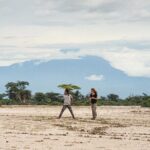
Your safari starts and ends at Springlands Hotel Moshi. On the first day, you’ll get a warm welcome, plus mountain and safari briefings, and you’ll be assigned your room. It’s a smart way to begin because it gives you a sense of pace and expectations before you head out toward craters and lakes.
On the last day, you’re back at Springlands Hotel Moshi again to refresh and prepare for departure. If you’re the type who hates scrambling—like hunting down meals, figuring out where to store gear, or trying to decode local logistics—this “home base” is a real comfort.
Wildlife driving at Ngorongoro Crater: the Big Five odds
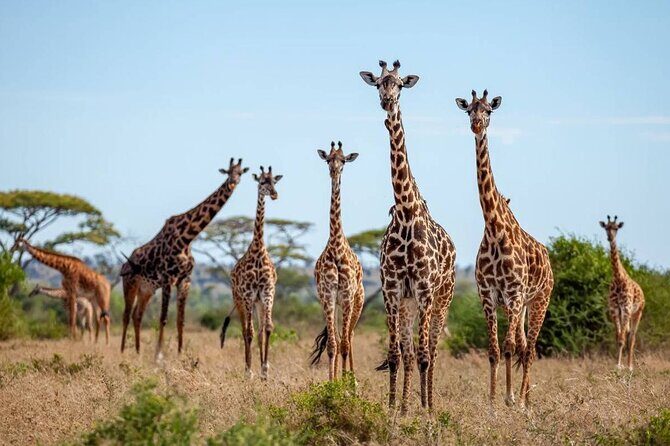
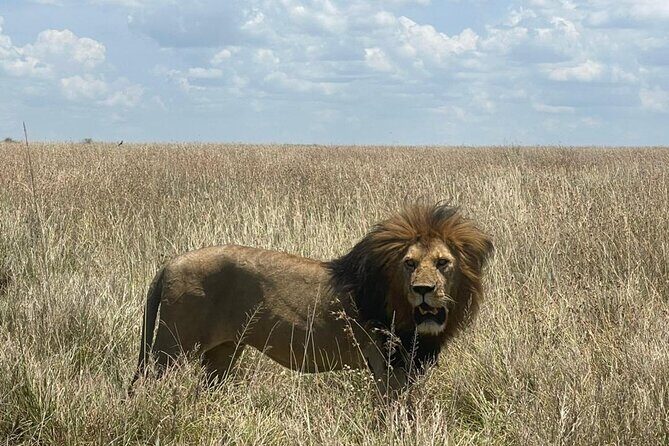
One of the headline safari moments is a crater drive where your accredited driver takes you through the area with Big Five possibilities. The tour specifically names black rhinos, elephants, lions, buffalos, and leopards as animals you may come across, and that’s not a casual promise—this is the kind of place where spotting can feel intense when you get a good position.
What I like about this style of day is the balance. You get wildlife focus while still benefiting from a guide who knows where animals tend to show themselves. With a vehicle capped at 4 people and a viewing roof, you get a better view without a huge crowd bouncing around you for sight lines.
Possible drawback: crater wildlife days are also about patience. Even with good guiding, wildlife isn’t guaranteed, and you’ll likely spend significant time looking and repositioning rather than moving at full speed.
Empakaai Crater walk: flamingo viewing with actual steps
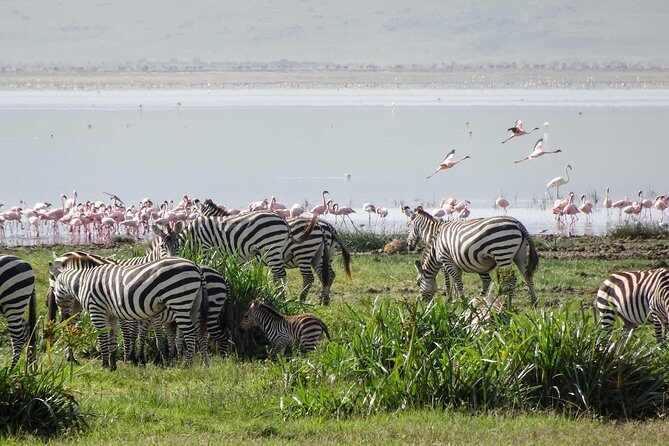
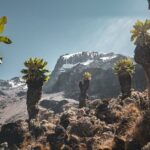
Day four is the walking highlight for many people. After lunch, you walk down the crater to view the flamingo population, then walk back up to the camp on the crater rim for dinner and an overnight. The walking time listed is about 5 hours, which tells you this isn’t a gentle stroll.
Why this works so well: it changes how you see animals and terrain. From a crater rim you get the broader view; walking down gives you a closer sense of the basin and the ways birds use the area. If you’ve only done driving safaris, this kind of step-based viewing tends to feel much more personal.
Consideration: crater terrain can be uneven. Bring footwear you trust, and plan for a day where pace and footing matter as much as wildlife spotting.
Maasai donkeys and the Embulmbul village trek: learning while moving
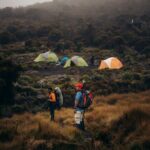
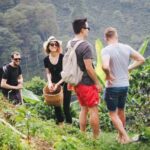
On day three, the safari turns into a true “walking safari” moment. You’ll work with Maasai guides to prepare donkeys with the right equipment, then head out on a trek toward Embulmbul village. This is one of those days where the logistics teach you local rhythm—how animals, gear, and people fit together when you’re traveling on foot.
What you’ll learn is part practical and part cultural. The plan is not just walking; it’s a guided exchange with local Maasai, so you’re not simply observing. You’re also actively part of what’s happening, like preparing for the trek and using the donkey setup as intended.
One more plus: it tends to slow you down in a good way. When you’re walking, you notice sounds, small movement, and the shape of the land in a way a vehicle can’t match.
A few more Moshi tours and experiences worth a look



Culture time that’s more than a photo stop
Two of the days are clearly built around community learning, and that’s where this safari adds depth.
Day five focuses on engagement with native people in the ward, with time to learn daily life, culture, norms, and traditions. This is the kind of stop that can make your safari feel grounded: you’re seeing how people live in the same regions where wildlife and terrain dominate.
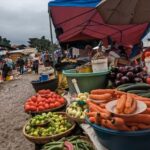
Day eight shifts from village learning to public life at the Maasai central market, plus flea and street markets. The tour description highlights flea and street trading and other everyday African street lifestyles, which is a nice counterweight to the more remote crater-and-lake days.
A practical tip here: markets are high-energy places. If you’re traveling with camera gear, keep your battery and storage plan simple, and decide what you really want to buy before you start wandering—otherwise it’s easy to lose track of time and budget.
The route connects crater country to famous wildlife areas
Even though the schedule you follow is stop-by-stop, the bigger picture matters. The safari is built around the Rift Valley region and references wildlife-rich areas and classic Tanzania highlights, including Lake Manyara National Park, Serengeti National Park, Olduvai Gorge, and the Ngorongoro Crater.
Here’s what that means for you on the ground:
- You’re traveling through varied ecosystems—groundwater forest settings near Lake Manyara, open crater country, and lake regions tied to birdlife.
- You might see the kinds of animals that are strongly linked to these landscapes, like monkeys in forested areas and the dramatic bird activity connected to lake and crater settings.
- You’re more likely to get a “Tanzania mix” rather than repeating the same environment all week.
From a visitor’s-eye view, this is a big advantage. It reduces the chance your safari becomes predictable.
Old Doinyo Lengai: the Mountain of God and carbonatite lava
Day six focuses on Old Doinyo Lengai, a volcano with standout scientific significance. The tour notes it’s known for unique low-temperature carbonatitic lava and is described as the only active volcano known to emit natrocarbonatites. It’s also where the locals have a spiritual name for the place: the mountain of god.
Even if you’re not a geology nerd, this is one of the days where the experience can feel different from classic wildlife watching. You’re looking at a landscape shaped by active processes. That kind of setting often makes you slow down, take notes in your head, and realize why the area holds meaning for local communities.
Lake Natron and Maasai village trek: big scenery with guided context
Day seven pairs Oldoinyo Lengai context with a trek tied to Lake Natron and an authentic Maasai village. Your guide accompanies you and explains what you’ll be seeing, and the tour description emphasizes both the lake itself and the village experience.
This is also the day where the safari’s two themes—wildlife landscapes and people—come together most naturally. Lakes here are about more than just views. They can be a magnet for birds and animal activity, and they’re also places where communities live with the rhythms of the environment.
Practical consideration: a trek day is a trek day. Even when scenery is the priority, you’ll want to pace yourself and keep energy for walking sections.
Maasai market day and street-life browsing in Moshi
By day eight, the safari eases into a more social, less rugged setting. You’ll visit the Maasai central market, along with flea and street markets and other street African lifestyles. This is a good time to pick up small souvenirs, ask questions, and experience day-to-day commerce rather than only guided park moments.
If you like to travel with intention, decide what category you’re shopping for—textiles, small crafts, or specific local items—before you arrive. Markets can move fast, and having a plan helps you enjoy browsing without feeling pressured.
Guides that can help you spot, read, and understand
One of the real value drivers on safari is the guide. In past trips connected with this operator, guides such as Tarimo, Yesse, Bright, Musa, Isdory, Salehe, and Hamisi have been praised for knowledge of parks, wildlife spotting, and clear explanations of Tanzania and culture.
You shouldn’t assume the exact guide listed above will lead your specific journey. Still, it’s a useful signal: this company appears to invest in guides who can do two jobs at once—find animals and explain what you’re seeing beyond the obvious.
Pace and packing: comfort matters on a moderate-fitness walking safari
This tour is designed for guests with moderate physical fitness, and you should plan on active time. A crater walk is credited at about 5 hours, and you also have trek days that include moving through village areas and lake-related regions.
So pack for comfort and stability, not just style. Focus on:
- Good walking shoes with grip for uneven ground
- Layers for mornings and afternoons (temperatures can swing)
- Sunscreen and a hat for crater and open lake days
- A small daypack for water and personal essentials
If you’re unsure whether the walking fits your body, be honest with yourself. The joy here comes from stepping into the environment, not from rushing past it.
Should you book this Moshi walking safari with ZARA TOURS?
You should book if you want a safari that mixes crater wildlife with real walking days, plus meaningful cultural time with Maasai guides and market visits. The included entrance fees and full meals are a strong value feature, and the small group setup (up to 12 travelers, and 4 people per 4×4) can make the experience feel more personal than large-group safaris.
Skip or rethink if you’d rather do mostly driving with minimal walking. This isn’t a couch-to-crater tour. Between crater steps and trek days, you’ll need to enjoy being active.
Finally, because the trip meets at Kilimanjaro Airport and airport transfers aren’t listed as included, make sure your arrival plan is clean. One smooth arrival day at Springlands Hotel Moshi can make the whole safari feel easier from the start.
FAQ
What is the starting meeting point for this safari?
The tour starts at Kilimanjaro Airport (Kilimanjaro National Park, Tanzania).
Are airport transfers included?
No. Transfer to/from airport is not included, though pickup is noted as offered. Check what pickup covers for your specific arrival.
Are park entrance fees included?
Yes. National park gate fees are included, and the tour highlights that all entrance fees are covered.
What meals are included?
The tour lists breakfast (9), lunch (9), and dinner (9) as included.
Is accommodation included?
Yes. Accommodation is included as full board, listed as double occupancy {lodge safari}.
Is a vegetarian option available?
Yes. A vegetarian option is available if you advise the provider at booking.
Do I need to be very fit to do the walking?
You should have moderate physical fitness. The experience includes walking segments, including a crater walk day.
How many people are in the group?
The tour states a maximum of 12 travelers. It also notes maximum 4 pax per vehicle with 4×4 vehicles and viewing roofs.
Are tips included in the price?
No. Tips for your driver-guide are not included.
Is free cancellation available?
Yes, there is free cancellation up to 24 hours in advance for a full refund. If you cancel less than 24 hours before the start time, the amount paid is not refunded.