REVIEW · KILIMANJARO
6 Days Machame Route Kilimanjaro Trekking
Book on Viator →Operated by Mafie Adventures · Bookable on Viator
Kilimanjaro hits fast, then keeps surprising you. The Machame Route is popular because you move through multiple habitats and get big summit views from different angles, without dragging the itinerary longer than it needs to be. I like that this plan feels built for real hiking days—rain forest, moorland, alpine desert, then the summit push—rather than a slow shuffle. One possible drawback: at 6 days, you’ll want to walk at a steady pace and take acclimatization seriously.
I especially like the way the trekking support is set up. You get porters to help carry camp logistics, plus English-speaking guides who keep communication clear and your pace manageable. I also like that meals and camping basics are included, so you’re not constantly spending time figuring out food and gear while you’re already fighting altitude.
The main consideration is the physical and mental load of summit night. You’ll be going out very early (midnight to 2am), and that last stretch includes steep, gritty climbing—so if you’re easily overwhelmed, you should plan for extra coaching and a conservative pace.
In This Review
- Key points before you commit
- Machame Route: Why This 6-Day Kilimanjaro Plan Gets Chosen
- Value and Price: What $1,930.42 Covers (and What It Doesn’t)
- Mafie Adventures and Your Guides: Support You Can Rely On
- Day 1: From Kilimanjaro National Park Gate to Machame Camp
- Day 2: Moorland Ridges, Heather, and Shira Camp
- Day 3: Semi-Desert to Lava Tower, Arrow Glacier, and Barranco Hut
- Day 4: Barranco Wall to Barafu Hut (South Circuit Views)
- Day 5: Summit Night From 15,300 ft to Stella Point Sunrise
- Day 6: Mweka Gate, Summit Certificates, and Muddy Forest Finish
- What to Pack (and What to Rent) So You Don’t Hate Day 1
- Pace, Acclimatization, and Who This 6-Day Trek Fits Best
- Food, Camp Comfort, and the Reality of Sleeping at Altitude
- Practical Weather and Trail Conditions You Should Plan For
- Should You Book This 6 Days Machame Trek?
- FAQ
- How long is the 6 Days Machame Route trek?
- What is the meeting point for this trek?
- Is pickup included?
- What is included in the price?
- What do I need to bring or rent?
- Are park admission tickets included?
- When do you start the summit climb?
- Is this a private tour?
- Is the trek refundable if I cancel?
Key points before you commit
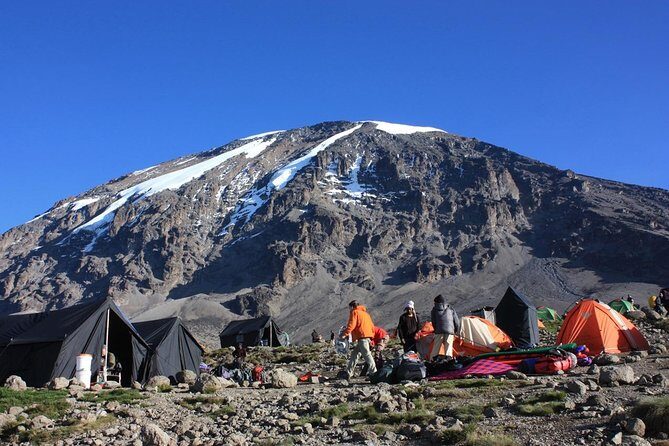
- Machame’s habitat variety: rain forest to alpine desert in a single trek.
- Structured acclimatization: you finish one long day without gaining much height, on purpose.
- Summit push timing: midnight to 2am departure for the Stella Point sunrise window.
- What’s included is actually useful: camping equipment, cooking gear, meals, accommodation, and rescue fees.
- A real support team: coordinators and guides such as Erastus, Matthew, Oliver, and Benjamin show up in past group experiences.
Machame Route: Why This 6-Day Kilimanjaro Plan Gets Chosen
The Machame Route is the one many people pick when they want variety without turning the trek into an endurance marathon. You’re climbing through several altitude zones, so the scenery and the feel of the trail change day to day. That matters. On Kilimanjaro, sameness can make your brain quit early. Here, you get constant new landmarks to focus on, from forest ridges to rocky gullies and open high-country passes.
It’s also a route a lot of climbers use to aim for the top. The big advantage is that it’s one of the more established paths, so the logistics tend to run smoothly. Another advantage: access can be simpler than routes that start further out, which usually helps the first day feel less chaotic.
Is 6 days enough? For many hikers who can keep a steady pace, yes. One note from a past hiker: if you hike fast and stay consistent, the 6-day timing can work well. If you’re slower and need more recovery time, you may be happier with a 7-day plan so you don’t feel rushed between camps.
You can also read our reviews of more hiking tours in Kilimanjaro
Value and Price: What $1,930.42 Covers (and What It Doesn’t)
At $1,930.42 per person for about 6 days, what you’re buying is not just a guide with a headlamp. You’re paying for a whole expedition machine that runs day after day.
What’s included:
- Camping equipment (including a mess tent, mattress, and cooking equipment)
- Accommodation throughout the trek
- All meals (5 breakfasts, 5 dinners, 5 lunches)
- Parking fees and rescue fees
- All taxes/VAT
- Porterage
- A professional driver/guide
That package has real value because altitude treks are expensive in hidden ways. Tents, cooking setups, and staffing aren’t casual add-ons. The meals also matter; on summit night, you need consistent nutrition at the right times.
What’s not included:
- Climbing gear (available for rent) and a sleeping bag (also available for rent)
- Bath towels
- Personal items like souvenirs, travel insurance, and visa fees
- Tips
- Any future government-imposed increases in taxes or park fees
My practical take: most people budget extra for rentals and personal comfort items. If you show up under-packed, you’ll end up paying anyway. If you show up prepared, this price starts to look very fair for a guided, staffed, fully catered trek.
Mafie Adventures and Your Guides: Support You Can Rely On
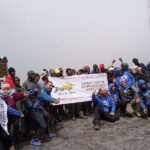
This trek is run by Mafie Adventures, and the team approach comes through clearly in past experiences. You’ll have a coordinator role (names like Erastus show up in previous groups), and you’ll work with a lead guide (for example, Matthew, Oliver, or Benjamin have been mentioned). You also get team support around you—so you’re not stuck “figuring it out” while the mountain is the main problem.
A big plus: clear communication. Several past hikers highlighted that guides spoke great English and kept things organized and understandable. That sounds minor until you’re half-asleep at night with cold hands trying to follow trail cues and pace instructions.
Also, you’re not just handed a map and left to suffer. Past experiences mention personal pacing help and that guides are right beside hikers when it gets tough. That’s exactly what you want on Kilimanjaro—calm coaching, not vague motivation.
Day 1: From Kilimanjaro National Park Gate to Machame Camp
You start with a drive from Moshi to the Kilimanjaro National Park Gate—about a 50-minute ride. Along the way, you pass through the Machame village area on the lower slopes, which gives you that grounding “you’re really here” feeling before the trekking starts.
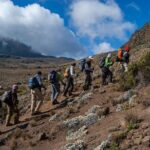
Once you enter the park, you hike from roughly 5,400 ft to 9,400 ft. Expect rain forest conditions early. The trail can be muddy and slippery at lower elevations, especially after rain. This is where trekking poles and gaiters earn their keep. Poles help your knees on uneven ground. Gaiters keep wet grit out of your boots so your feet don’t feel like they’re boiling by midday.
The day’s hike time is about 5–7 hours over roughly 11 km. It’s not a sprint day. Think steady breathing and relaxed steps. You’re building rhythm, not trying to set a record.
Day 2: Moorland Ridges, Heather, and Shira Camp
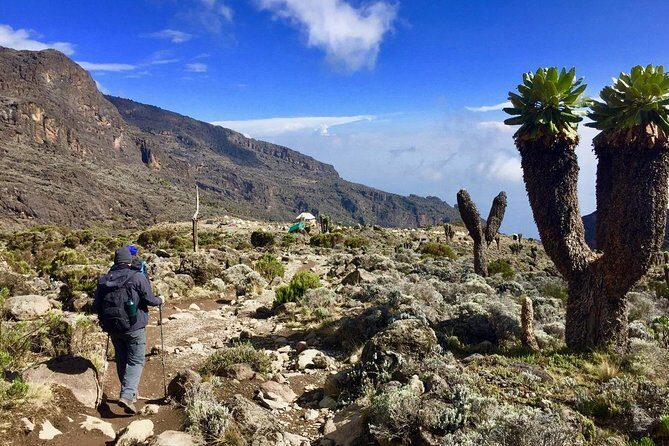
Day 2 is where the forest starts giving way. You climb from about 9,400 ft to 12,500 ft on around 5 km with 4–6 hours of hiking time. The habitat changes to moorland, and that shift is noticeable: fewer trees, more open terrain, and more direct exposure to wind and sky.
You’ll cross small valleys and walk along a steep rocky ridge covered with heather. Then the route bends toward a river gorge area. These sections can feel more tiring than the numbers suggest because you’re on rock and slope for long stretches.
You camp at Shira campsite for dinner and the night. That matters because day-to-day altitude planning is part of the success recipe. You’ll want to eat well and go easy on yourself, even if you feel okay. Kilimanjaro rewards the people who act like tomorrow is the real test.
A few more Kilimanjaro tours and experiences worth a look
Day 3: Semi-Desert to Lava Tower, Arrow Glacier, and Barranco Hut
This is the day with the classic high-altitude scenery. You move from about 12,500 ft up to 13,000 ft, but the route includes key waypoints that feel dramatic.
You’ll continue east from the Shira Plateau up a ridge and pass junctions linked to Kibo’s approach. The path then turns southeast toward the Lava Tower, nicknamed the Shark’s Tooth. That name isn’t just for fun—it matches the shape you’ll see as you pass.
After that comes another junction leading toward the Arrow Glacier area at around 16,000 ft. Then you descend to Barranco Hut at roughly 13,000 ft. Yes, you end the day at about the same altitude you started. That’s not a mistake. It’s a practical acclimatization move: your body gets exposure to higher altitude without forcing more height gain.
Hike time is roughly 6–8 hours over about 10 km. Expect this to feel longer than it sounds because you’ll be climbing and then dropping to camp while staying alert for altitude effects.
Day 4: Barranco Wall to Barafu Hut (South Circuit Views)
Day 4 runs about 8–10 hours over around 9 km, climbing from 13,000 ft to about 15,000 ft through alpine desert. The switch to alpine desert means thinner air, drier ground, and a feeling of being exposed.
You leave Barranco and climb a steep ridge, passing the Barranco Wall, then continue toward Karanga Valley campsite. From there, you connect toward the Mweka Trail area and continue up to Barafu Hut.
This is also where you complete the South Circuit. That phrase can sound vague, but the practical meaning is that you get views of the summit from multiple angles and you’re positioned well for the final ascent.
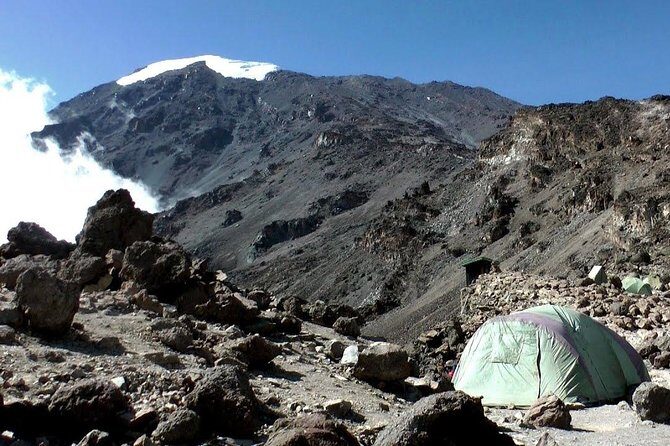
At Barafu Hut, you can see Mawenzi and Kibo from camp. Then you rest, eat dinner, and prepare for summit night. Don’t treat this like a normal camp. You’re staging for the hardest part of the entire journey.
Day 5: Summit Night From 15,300 ft to Stella Point Sunrise
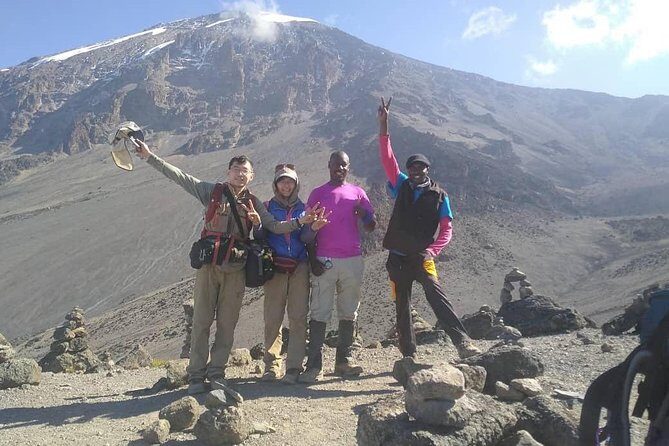
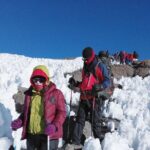
This is the day with the biggest emotional swing. You start very early—between midnight and 2am—and head toward the summit area between the Rebmann and Ratzel glaciers.
Your climb pushes from about 15,300 ft up to roughly 19,345 ft, then continues up toward Stella Point on the crater rim at about 18,600 ft before you eventually descend. The hike math looks odd because the high point is paired with later descent. That’s how summit day works: you gain intensely, then you pay it back with a long move down.
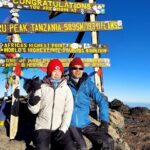
From Stella Point, you have a chance at the most memorable sunrise you’re likely to see, assuming weather cooperates. This moment is why people forgive the steep, gritty parts of the climb. But it doesn’t change the difficulty: you’ll be ascending through heavy scree and moving over uneven, unstable ground.
This is also the mentally and physically hardest stretch. If you’ve been conserving energy, listening to your pace, and eating when asked, you’ll be in a better position to handle it. If you pushed too hard earlier, summit night punishes you.
After the summit segment, you come down to around 10,000 ft for overnight, which is both a relief and a reminder that the hard work isn’t over until you reach real lower elevations.
Day 6: Mweka Gate, Summit Certificates, and Muddy Forest Finish
On the final day, you descend from about 10,000 ft down to 5,400 ft in roughly 3–4 hours over about 10 km. Your route leads to the Mweka Park Gate where you receive your summit certificates.
Expect rain-forest conditions again at lower elevations. This is where the trail can be wet and muddy. If you took care with gaiters and poles earlier, you’ll likely be thankful again now. You don’t want to finish the trek with sore feet because you skipped simple protection.
Clothing can be more relaxed down low. Shorts and t-shirts are often enough, but keep rain gear and warmer layers handy because mountain weather can switch quickly.
It’s a short hiking window, but don’t underestimate how tired you’ll feel. Your legs know what’s coming, even if the distance looks manageable.
What to Pack (and What to Rent) So You Don’t Hate Day 1
You don’t need to carry the entire expedition setup. Camping equipment, mattress, mess tent, and cooking gear are included. That said, you do need personal gear for comfort and safety.
You’ll want:
- Climbing gear (available for rent)
- Sleeping bag (available for rent)
- Gaiters and trekking poles for muddy, slippery sections
- Rain gear (especially since lower elevations can be wet)
- Warm layers for the cold air at high altitude and for early start hours
Also plan for small personal needs. Bath towels aren’t included, and you’ll likely want basics that make camp feel tolerable after a full day of hiking. If you forget these, you’ll feel it most at camp—not on the trail.
One practical tip from how the camps work: keep your days calm and pack light. Several past experiences mention guides and team support with carrying small bags, but you’ll still be happier if your personal load is realistic.
Pace, Acclimatization, and Who This 6-Day Trek Fits Best
This trek is built around acclimatization, not just distance. Day 3 is the clearest example: you climb toward high points and then descend to sleep around a similar altitude at Barranco Hut. That pattern helps your body adjust before the biggest push.
Day 4 sets you up at Barafu Hut, and then day 5 is summit night. That means your success depends on two things:
1) You climb steadily without going too hard too early.
2) You follow the camp schedule and rest when you’re told.
If you’re a confident hiker and you can maintain a steady rhythm, 6 days can work. If you hike slowly or you need more recovery time between altitude changes, consider a longer trek. One prior hiker recommended 7 days for slow walkers, and that’s consistent with how altitude treks behave: time buys comfort.
Most people can participate, but “can” isn’t the same as “should.” If you have medical concerns, talk to a professional before you go.
Food, Camp Comfort, and the Reality of Sleeping at Altitude
You get full meal support: five breakfasts, five dinners, and five lunches. That’s important for altitude. You need calories when your appetite is weird and your body is working overtime.
Camps are set with the included gear: mess tent, mattress, and cooking equipment. That usually means fewer logistical headaches and less wasted time dealing with meals during the day. In past experiences, hikers mentioned that food and facilities were up to standard, and that the cooking team did a strong job.
Sleeping at altitude is rarely glamorous. The key is that you’re supported with the right camp setup and you don’t have to improvise your way through the night.
Practical Weather and Trail Conditions You Should Plan For
Kilimanjaro doesn’t ask permission from your schedule. Conditions can shift.
- Expect mud and slipperiness early in the trek in the rain forest. Poles and gaiters help a lot.
- Expect rocky, steep walking during moorland transitions and ridges. Footwear stability matters.
- Expect scree and rough ground on summit day. This is not the place for comfort shoes.
- Expect wet/muddy descent on the final day at lower elevations.
Also, don’t forget the summit sunrise is weather-dependent. Your best chance is at Stella Point before/around the sunrise window, but cloud cover is always possible.
Should You Book This 6 Days Machame Trek?
Book it if:
- You want a route with habitat variety and solid established trail structure.
- You like the idea of climbing with a support team and having camp logistics handled.
- You’re physically ready for summit night and you’ll commit to pacing and acclimatization.
Consider another option (like a longer trek) if:
- You hike slowly and get wiped out by frequent climbs.
- You want extra buffer days for recovery.
One more blunt point: this booking is non-refundable and can’t be changed for any reason. That means you should feel confident about your dates and health before paying.
If you’re ready for a real mountain challenge with good support, Mafie Adventures’ 6-day Machame plan is a strong, practical way to chase Uhuru Peak—while still giving your body the structure it needs to try.
FAQ
How long is the 6 Days Machame Route trek?
It’s listed as 6 days approximately.
What is the meeting point for this trek?
It starts at Kilimanjaro International Airport (Kilimanjaro Airport Rd, Tanzania) and ends back at the meeting point.
Is pickup included?
Pickup is offered.
What is included in the price?
Camping equipment (mess tent, mattress, and cooking equipment), parking fees, rescue fees, all accommodation, all taxes/VAT, a professional driver/guide, porterage, and all meals (5 breakfasts, 5 dinners, 5 lunches).
What do I need to bring or rent?
Climbing gear and a sleeping bag are available for rent. Bath towels and personal items are not included.
Are park admission tickets included?
Yes, the experience lists admission tickets as free.
When do you start the summit climb?
You begin summit progress very early, between midnight and 2am.
Is this a private tour?
Yes. It’s private, and only your group participates.
Is the trek refundable if I cancel?
No. The experience is non-refundable and cannot be changed for any reason. If you cancel or ask for an amendment, the amount paid is not refunded.