REVIEW · MOSHI
Moshi Town: Walking Tour: Theme Urban lifestyle
Book on GetYourGuide →Operated by Local Guides Moshi · Bookable on GetYourGuide
Life in Moshi has layers. This 2-hour walking tour is designed to show the everyday stuff that most quick stops miss, from the fruit and vegetable market to the KNCU cooperative story that shapes town life. You also get a hands-on arts stop where you can meet local creators and buy handmade souvenirs.
I especially like the mix of practical and cultural stops. You’ll see where people shop, where they move (the bus system), and where the economy connects (KNCU). Another plus: the pace is built around talking with locals and sampling what’s on offer, not just walking past things.
The main consideration is simple: it’s still a walk. Plan for 2+ hours on your feet, and bring sunscreen and sunglasses. One more heads-up: there has been at least one reported case where the guide didn’t show up, so I’d treat the start time as something to double-check the day of.
In This Review
- Key highlights you’ll actually notice
- Urban lifestyle in Moshi: what this tour does differently
- Starting points: Coffee Union Cafe and KNCU pickup
- Artist cooperative stop: souvenirs, creativity, and what locals value
- The train station walk: how Moshi changed and what that means now
- Mbuyuni Market for fruits and vegetables you can taste
- Moshi bus stand: the quickest way to understand local transportation
- KNCU: the cooperative movement story behind Moshi’s economy
- Food tastings and what you should budget for
- Fitness, weather, and walking smart for 2 hours+
- Small group, local guides, and the human factor
- Price and value: why $20 can be a strong deal
- Should you book this Moshi walking tour?
- FAQ
- How long is the Moshi town walking tour?
- What does the tour cost?
- Where can you be picked up and dropped off?
- What is included during the tour?
- What language is the guide?
- Is the tour wheelchair accessible and suitable for children?
Key highlights you’ll actually notice

- Market time with fruit and snacks so you learn what’s sold and how people shop day-to-day
- Artist cooperative stop where you can view handmade work and purchase souvenirs
- Old train station walkthrough with local stories about Moshi’s changes over time
- Moshi bus stand explanation that makes the local transport system make sense quickly
- KNCU history break tied to Tanzania’s cooperative movement and its local impact
Urban lifestyle in Moshi: what this tour does differently

This isn’t a highlight-brochure tour. It’s built around how Moshi runs: food, transport, work, art, and the local institutions that connect everything.
You’ll get a street-level view of daily rhythms. Instead of treating town like a backdrop, the tour turns Moshi into a system you can read: where people buy produce, where they catch buses, and why a cooperative like KNCU matters beyond its walls. If you like learning how places function, you’ll appreciate that the tour keeps returning to real-world questions like who serves the community and how goods and people move.
The small group size—limited to 10 people—also matters. You’re less likely to get stuck in a long line or tuned out by a crowd. And because the guide speaks both English and Swahili, you should have an easier time connecting with what’s happening on the ground.
You can also read our reviews of more walking tours in Moshi
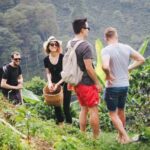


Starting points: Coffee Union Cafe and KNCU pickup
Pickup is part of the deal, and the meeting options are flexible. You can be picked up at either Coffee Union Cafe or KNCU, or if you already know the streets, you can meet at those two spots. Either way, it keeps the first transition easy, which matters for a walking tour.
Drop-off is also built in at KNCU and Coffee Union Cafe, so you’re not left walking back on your own with sore feet and half your energy gone. If you’re using the tour as your “first day orientation” in Moshi, that convenient end point helps you plan the rest of your time.
Because this is a walking route, I recommend you choose pickup based on where you’ll be most rested. If you’re staying near one of those two areas, it saves you a chunk of travel time before the walking starts.
Artist cooperative stop: souvenirs, creativity, and what locals value
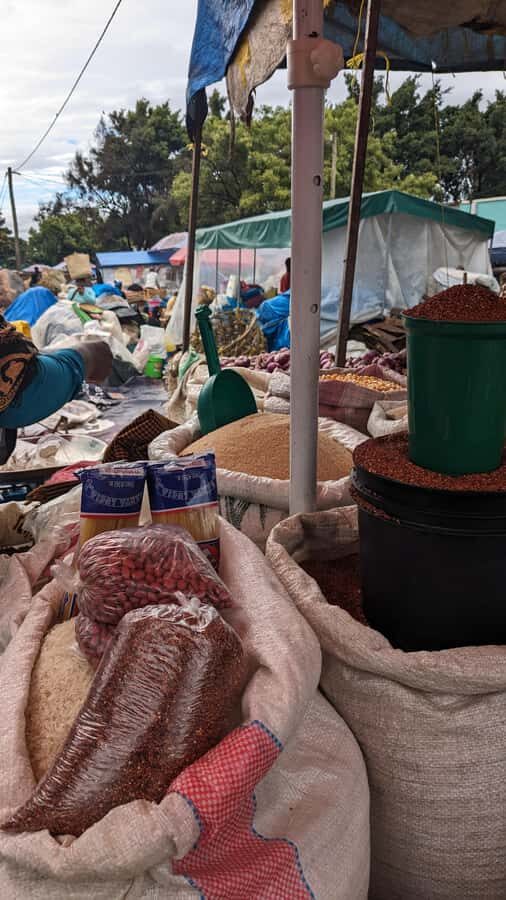
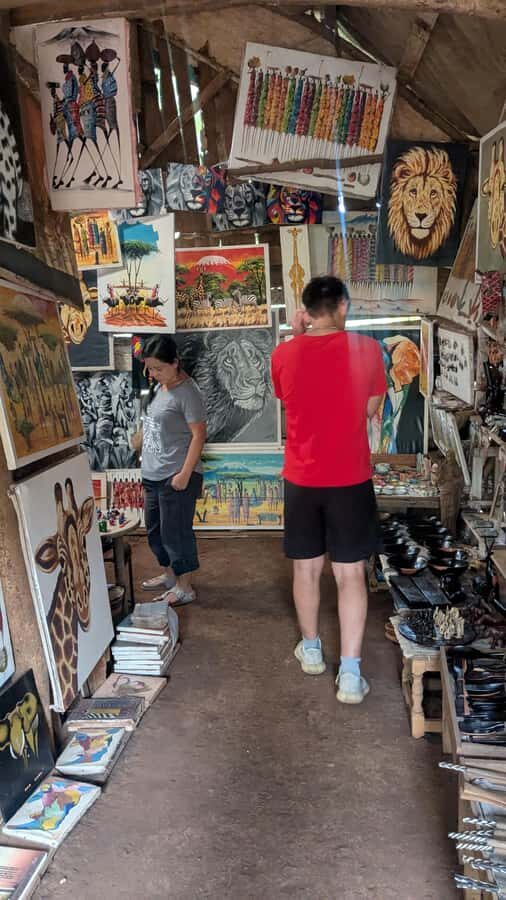
One of the most fun parts of this walk is the stop at Tinga Tinga Artist Cooperative for about 30 minutes. It’s a chance to slow down and actually look at how creative work shows up in everyday life.
In practical terms, this is where you can:
- See handmade art up close (not just photos)
- Ask questions about materials and the making process
- Purchase souvenirs if something speaks to you
The tour framing also points toward regional art you’ll recognize through paintings, carvings, and souvenirs—so it’s not only about one style. Even if you don’t buy anything, you’ll still get context for why art matters in Moshi’s local economy and identity.
Good to know: buying art is easier when you have time to ask questions and handle the pieces. This stop gives you that small window without rushing you out.
The train station walk: how Moshi changed and what that means now
After the art stop, you move to the train station for about 20 minutes. The key idea here is perspective. You’re looking at a place that represents Moshi’s shift through time—once dormant, then active again—so you can understand the town’s development rather than memorizing facts.
On the ground, what you’ll likely notice is activity and movement: people flowing through a transport-linked space, plus the stories the guide connects to it. That matters because stations are more than buildings. They’re where commerce, schedules, and local connections meet.
This stop is short, but it works as a bridge. You’ve gone from art and buying power (market and co-op mindset) to a real-world system tied to transit. It helps you set up the later bus stand explanation so it feels less random and more like a continuity in how Moshi moves people.
Mbuyuni Market for fruits and vegetables you can taste
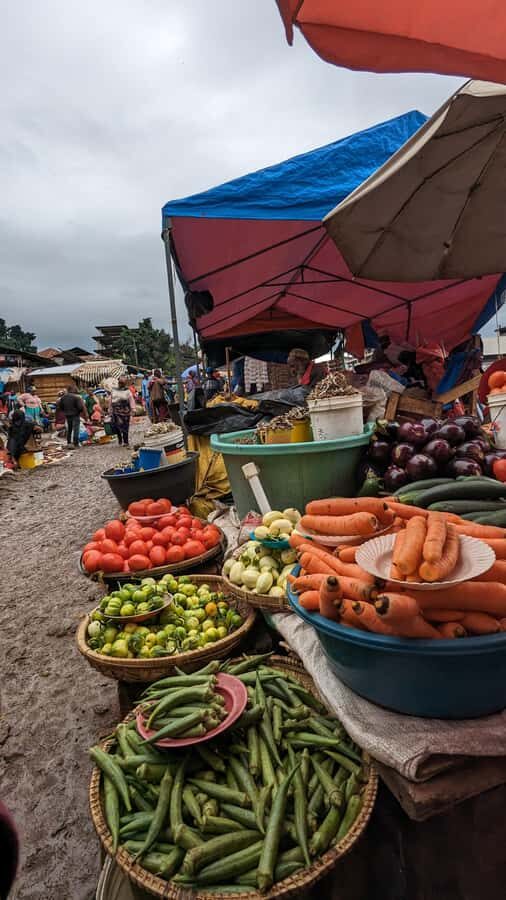
Next up is Mbuyuni Market for around 30 minutes, with a focus on fruits and vegetables. This is the part where the tour becomes sensory and social.
You can expect:
- A look at fresh produce and what’s in season
- A chance to sample local fruits and snacks at the market
- Conversations that explain how trade works in town
For me, this stop is valuable because markets tell you something you can’t get from a roadside photo. You learn what people prioritize, how produce is displayed, and how bargaining and selection likely work day-to-day. Even if you’re not buying much, sampling is a simple way to make the experience feel real.
What I’d do before you go: bring a plan for your appetite. If you’re sensitive to new foods, start with small samples. If you’re a confident eater, you’ll still enjoy knowing what you’re trying instead of guessing.




Moshi bus stand: the quickest way to understand local transportation
Then you head to the Moshi Bus Stand for about 30 minutes. This is where the tour shifts from culture to “how to get around,” and it can save you time later.
The guide provides an explanation of the bus system, including how local routes and regional connections work. That kind of orientation is gold if you plan to move around Moshi on your own, because it helps you understand what you’re seeing rather than treating it like a maze.
I also like that this isn’t taught in a classroom style. You’re walking through the place where transit happens, so the route logic feels practical. It turns questions you might have later into answers you can carry with you immediately.
If you’re planning day trips or longer stays, this is one of those stops that quietly pays off. Even without buying tickets, you’ll get a mental map of how the town links to the wider region.
KNCU: the cooperative movement story behind Moshi’s economy
The final major stop is KNCU, with a 10-minute break included. The tour focuses on KNCU history and why it’s integral to Tanzania’s cooperative movement—plus the effect it has on Moshi’s socio-economic fabric.
This part matters because it explains the “why” behind many daily activities. When you understand how cooperatives support local life—through organization, shared effort, and economic connection—you stop seeing Moshi as random streets. You start seeing it as a system with institutions that people rely on.
Even with the short time, the break is useful. You get a moment to reset your energy before the walk ends, and the story gives the day a deeper thread than markets and transport alone.
If you’re the type who likes learning about how local economies work (not just sightseeing), this stop is a standout.
Food tastings and what you should budget for
The tour clearly includes sampling of local fruits and snacks at the food market. That’s the most reliable “food moment” based on the info you’re given.
For tastings of traditional Moshi dishes and beverages, the details are a bit unclear in the material I received—some parts say tastings are part of the experience, while another section marks tastings of dishes and beverages as not included. So my practical advice is: treat cooked meals and drinks as possible extras and budget accordingly, or confirm directly with the operator before you arrive.
Also note: there’s mention of an entrance fee not included for a coffee curing industry in Moshi town. If the tour touches that topic during your day, plan for potential extra cost.
Fitness, weather, and walking smart for 2 hours+
This is a walking tour with a moderate fitness requirement. The duration is listed as 2 hours, but the guidance also notes it may involve 2 hours or more of hiking. So you should plan for some sustained walking time, not short stop-start sightseeing.
Bring sunglasses and sunscreen. Moshi’s sun can be unforgiving, and you’ll be outside most of the time. If you’re traveling with a daypack, keep your water accessible so you’re not digging mid-walk.
Good news: the tour is listed as wheelchair accessible, so it’s designed with mobility needs in mind. Still, I’d treat sidewalks and transitions in towns as variable. If you’re using a wheelchair or mobility aid, it’s smart to message in advance so the operator can set expectations for routes and pacing.
Not suitable for children under 5 years. That’s because you’re on foot for a long-ish stretch and the focus is on town stops rather than a kid-friendly pace.
Small group, local guides, and the human factor
This runs with Local Guides Moshi and is led by a live guide in English and Swahili. One prior group had a guide named James, described as warm and welcoming—exactly the kind of guide style that makes markets and transport explanations easier to follow.
The small group size (up to 10) is not just a comfort feature. It affects quality. When you can hear the guide and ask questions without shouting, you actually get more out of each stop.
Now the honest bit: there’s been at least one reported incident where a guide didn’t show up. That doesn’t mean it’s typical, but it does mean you should treat timing seriously. If you book, I’d confirm pickup details the day before and on the morning of your tour.
Price and value: why $20 can be a strong deal
At $20 per person for about 2 hours, this can be good value if you want structure without spending big on a private tour.
Here’s why the math can work:
- You’re getting guided explanations at multiple core locations (markets, transport, station, KNCU)
- You get interactive experiences with locals at each stop
- You receive sampling (fruits and snacks)
- You’re not paying separately for every “where do I even go?” question
What you’re not getting (based on the info): certain entrance fees like the coffee curing industry, and there’s ambiguity around full dish and beverage tastings. So your “true cost” depends on your food habits and whether extra stops become part of your day.
If your goal is a first orientation to Moshi’s daily life—food commerce, transit reality, and local institutions—then $20 is a reasonable price for a lot of street-level context.
Should you book this Moshi walking tour?
I think it’s worth booking if you:
- Want to see Moshi as lived-in, not just photographed
- Like markets and learning how everyday systems work
- Prefer a small-group guide you can actually talk to
- Are comfortable walking for 2+ hours at a moderate pace
Skip it (or choose another option) if you:
- Need a very relaxed, minimal-walking schedule
- Are traveling with kids under 5
- Hate uncertainty around guides—especially if you’ll be tight on time and have no backup plan for a no-show scenario
If you do book, plan to ask a couple smart questions at the bus stand and market. That’s where the explanations turn into useful knowledge you can use right after the tour ends.
FAQ
How long is the Moshi town walking tour?
The tour duration is listed as 2 hours.
What does the tour cost?
The price is $20 per person.
Where can you be picked up and dropped off?
Pickup can be arranged at Coffee Union Cafe or KNCU, and pickup is included. Drop-off is listed at KNCU and Coffee Union Cafe.
What is included during the tour?
Included items are a guided tour with local experts, interactive experiences with locals at each stop, sampling of local fruits and snacks at the food market, and an opportunity to purchase handmade art at the artist market. The tour also includes historical insights and explanations tied to the train station, bus stand, and KNCU.
What language is the guide?
The live tour guide offers English and Swahili.
Is the tour wheelchair accessible and suitable for children?
The tour is listed as wheelchair accessible. It is not suitable for children under 5 years.