REVIEW · MOSHI
Top 5 Days Kilimanjaro Hiking | Climbing Tour by Marangu Route
Book on Viator →Operated by KILIMANJARO CLIMBING TOURS · Bookable on Viator
Kilimanjaro on the Marangu Route is a classic for a reason. This 5-day climb in Tanzania gives you guided structure, hut-based sleeping, and a route that’s often considered one of the more straightforward ways up. I especially like how the schedule builds from rainforest to high-altitude desert and then lands you at Uhuru Peak with a clear plan for summit night. One thing to consider: despite the Marangu reputation, the altitude still makes it brutally slow at the top, and the trek is not the kind of thing you can power through.
I also like the practical way this trip runs day-to-day: check-in at the national park gate area, timed hikes between key huts, and included meals that keep you fueled for both walking and the early midnight start. The itinerary spends real time at the middle camp, so you’re not just rushing toward the summit. The main drawback for some people is comfort trade-off—hut life is functional, not hotel life, and your biggest challenge will be altitude management, not finding shade.
Finally, the operator behind this tour has a solid track record with mountain care. On another Tanzanian mountain outing they guided with a named guide, Gabriel, who helped the group when one climber fell sick, and they stayed focused on getting everyone through. That kind of calm, competent attention is exactly what you want when you’re dealing with thin air and a long night.
In This Review
- Key points before you go
- Why the Marangu Route makes sense in 5 days
- Day 1: From Marangu village to Mandara Hut (rainforest start)
- Day 2: Horombo Hut and the moment Kibo and Mawenzi show themselves
- Day 3: The saddle walk, Kibo dinner, and early summit prep
- Day 4: Summit night to Uhuru Peak via Gillman’s Point and William’s Point
- Day 5: Back down to Marangu Gate through the Cloud Forest
- Value and what you’re really paying for ($674 per person)
- Logistics that make or break your trip
- Guide support, care, and why it matters on summit night
- Who this 5-day Marangu climb suits best
- Before you book: my decision checklist
- FAQ
- How long is this Kilimanjaro climbing tour?
- What route does this tour use to climb Kilimanjaro?
- Where does the tour start, and what time do you begin?
- Is pickup available?
- Are park admission tickets included?
- Are meals included?
- Does the price include flights or travel insurance?
- Is airport pickup and drop-off included?
- Do I need to bring personal hiking gear?
- What if weather cancels the climb?
- Should I book it?
Key points before you go
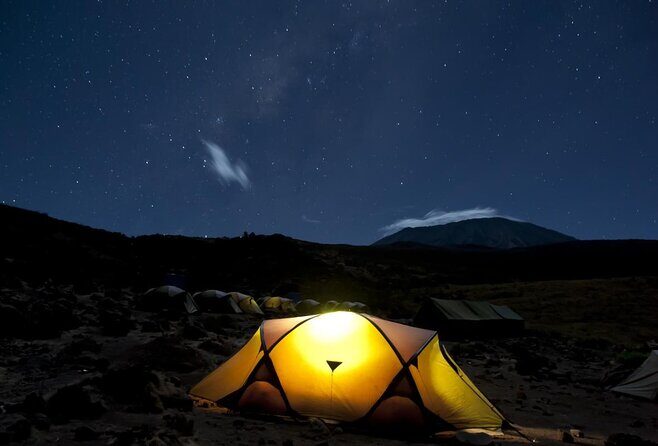
- Marangu Route, hut stays, and a summit push that starts around midnight for Uhuru Peak
- National Park gate check-in plus admission tickets included across the climb days
- Clear “stepping-stone” camps: Mandara, Horombo, Kibo, then back down to Horombo and Marangu Gate
- Views matter: Kibo and Mawenzi show up when you clear the rainforest, on clear days
- Moshi-based start with a scheduled 8:30 am meeting time at Burigi Chato Safaris’ office
- Cost includes meals and park entry, but not tips, insurance, flights, or personal gear
Why the Marangu Route makes sense in 5 days
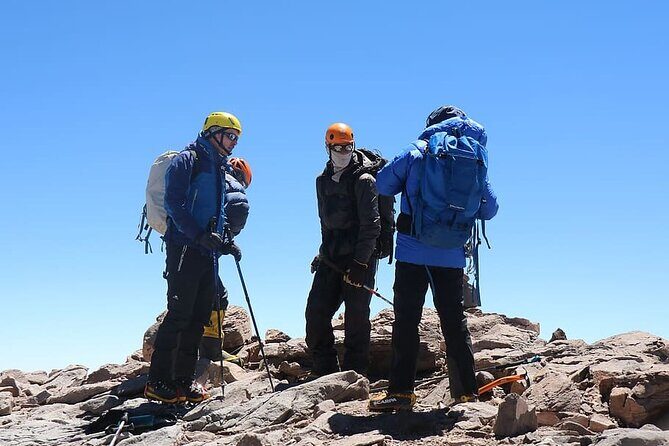
If you’re chasing Kilimanjaro without turning your vacation into a logistics nightmare, Marangu is a sensible choice. It’s known as the “cozy” route because you sleep in huts rather than camping the whole time. You still hike hard, but your nights are simpler than tents, and your mornings start with less gear wrangling.
This particular 5-day plan also follows a route logic that matches how most people acclimatize best. You start in the rainforest (colder at altitude later), then you move into more open ground, and then you transition toward the alpine-desert feel near the summit area. The climb isn’t random suffering. It’s staged suffering, which is different—and easier to handle.
Still, a quick reality check: a route being “easier” doesn’t mean it’s easy. You’ll gain serious elevation, and summit night is long even when the trail looks straightforward. The altitude makes every small effort feel bigger. If you’re someone who gets impatient at slow walking speeds, plan to slow down mentally, not just physically.
You can also read our reviews of more hiking tours in Moshi
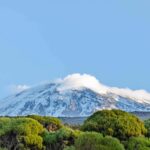
Day 1: From Marangu village to Mandara Hut (rainforest start)
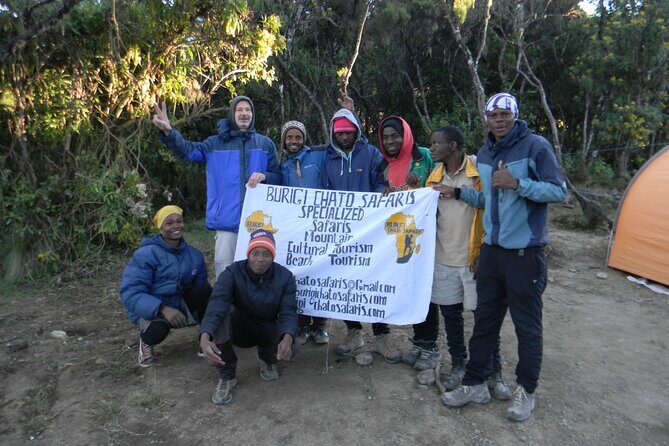
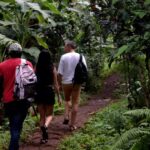
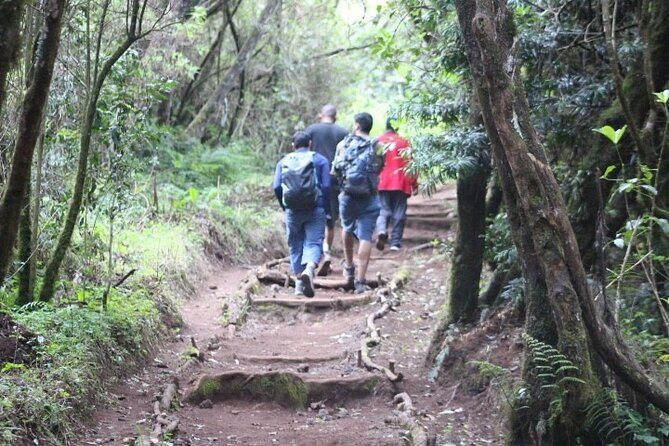
You begin in Moshi, then travel about 45 minutes to the Kilimanjaro National Park gate area. You’ll check in with the national park authority office, which helps you start on the right foot. After that, the real trail begins through rainforest.
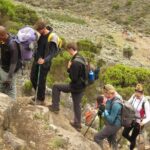
The hike to Mandara Hut takes roughly 4 hours and climbs to about 9,000 ft / 2,740 m. This is a good day to get your breathing rhythm and walking style set. Rainforest hiking often feels like steady effort—no big technical bits mentioned, just consistent uphill and the humidity you didn’t ask for.
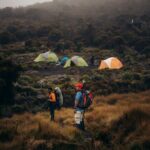
There’s also a detour opportunity to Maundi Crater. Even if you only get a slice of what it’s like up there, it’s the kind of viewpoint moment that breaks the “just hike, hike, hike” feeling. You end the day in Mandara Hut with breakfast, lunch, and dinner included, so you don’t have to manage meal planning at altitude.
What to watch: rainforest days can make footing slippery. Even if the trail isn’t described as technical, treat each step like it counts—because your legs will feel it more tomorrow.
Day 2: Horombo Hut and the moment Kibo and Mawenzi show themselves
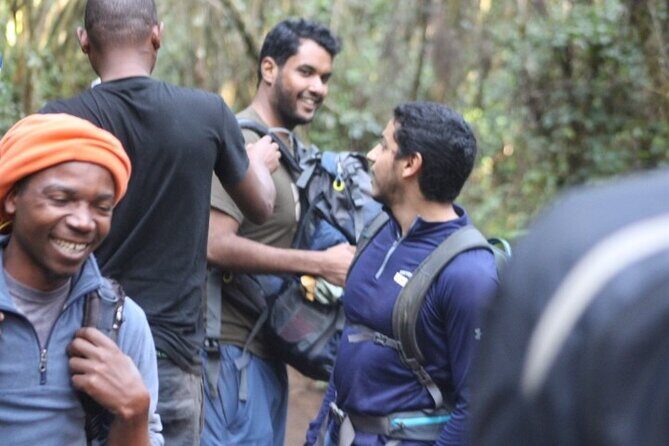
Day 2 is your big shift day. You hike for about 6 hours to Horombo Hut. After breakfast, you leave around 8:30 am and climb toward Horombo, with about an hour before you leave the rainforest and hit more open ground.
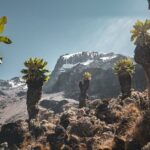
This is where the scenery starts playing a bigger role. On clear days, you can see Mount Kibo and Mount Mawenzi—Kilimanjaro’s two main peaks—turning from “mountain on a map” into something you can actually track with your eyes. You’ll also pass through areas where giant lobelias and grunsels can show up, which makes the transition feel like you’re moving into a different world rather than just getting higher.
Horombo Hut is also the acclimatization checkpoint that matters. The plan emphasizes that Horombo is where climbers get used to higher altitude. In many Kilimanjaro strategies, extra time here can make a huge difference for summit success. This schedule gives you a strong base day even without turning the trip into a 7- or 8-day expedition.
What I like for you: this day is long enough to build momentum, but it’s not the summit day chaos. If you pace yourself, it’s where you learn how slow you must walk for your body to stay cooperative.
Day 3: The saddle walk, Kibo dinner, and early summit prep
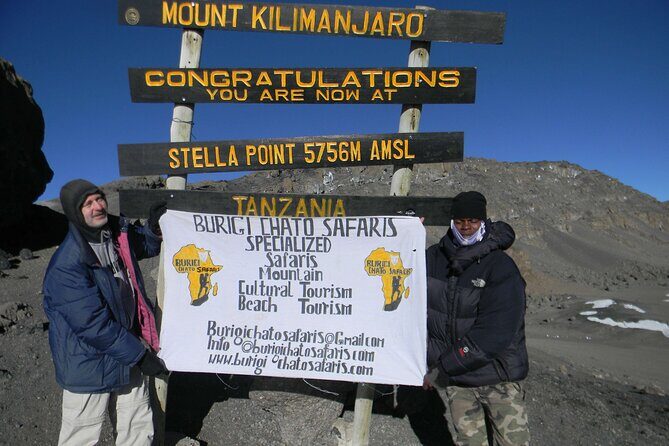
On Day 3, you move to the final waterhole, then hike along the saddle between Kibo and Mawenzi. This part is described as a transition from vegetation zones toward a desert-like structure. That shift is more than a visual change. As you gain altitude, your energy budget changes too—your body has to work harder just to move, and you may feel it before you fully understand it.
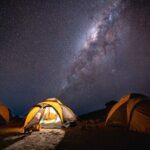
You reach Kibo, where you have dinner and a nap. Then summit night preparation starts around 11:30 pm. That’s a key detail: you’re not just “walking at night.” You’re waking up from rest, getting ready, and then beginning a serious climb with the clock ticking.
Meals are included again (breakfast, lunch, dinner), which matters a lot here because you’ll need fuel for a late start and the push to the crater rim and peak. It’s hard to eat in the cold and thin air, so having meals arranged for you is a real convenience.
Practical note: plan for cold. The higher you go, the more temperature can surprise you. Layering beats wishing.
Day 4: Summit night to Uhuru Peak via Gillman’s Point and William’s Point
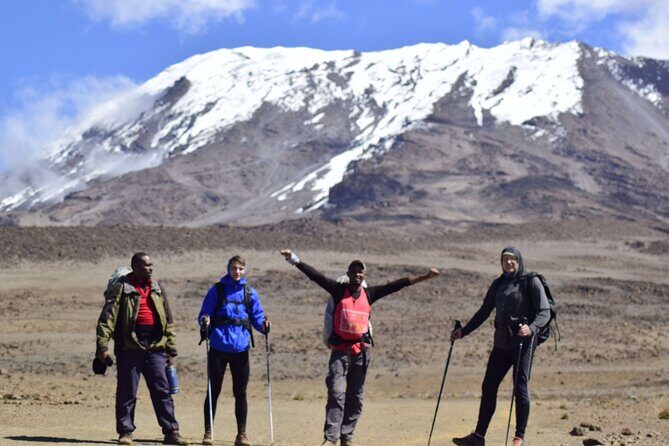
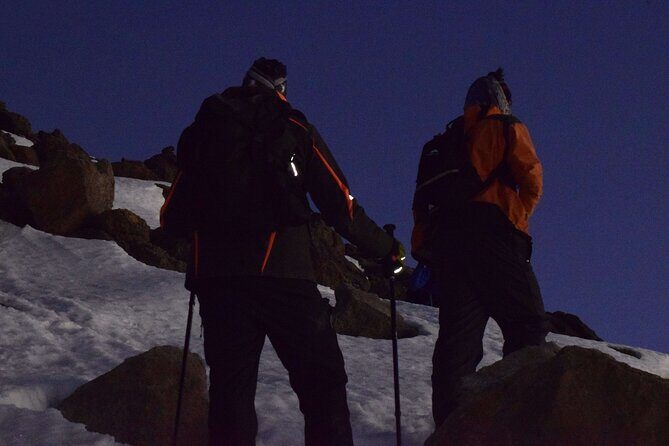
This is the day you came for. Around midnight, you wake to hike toward Uhuru, the roof of Africa. The route starts with about a 5-hour climb to Gillman’s Point at the crater rim.
Here’s where the trail description gets useful: you’ll reach William’s Point at around 5,000 meters about two hours from Kibo Hut. Then it’s about a 30-minute push onward, followed by a rocky backtrack that continues to Gillman’s Point at 5,681 meters. Even if the gradient varies, this part is challenging because altitude turns “not far” into “still far.”
After the crater rim, the climb to Uhuru Peak is described as gradual and not too difficult in a technical sense. But again—altitude makes the hike long and tiring. You’ll be moving slow, and that’s okay. Fast hiking here is a great way to gas out.
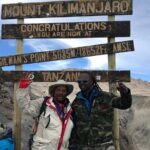
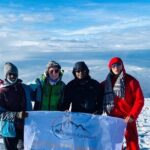
When you reach Uhuru Peak, you’ll snap photos with your guide and group, then begin your descent toward Horombo Hut. The timing and the night work mean this day will feel like two trips stitched together: the summit push up, and the survival-and-stamina walk back down.
What to expect emotionally: the summit is usually loud in your head even when your body is quiet. You’ll likely feel a mix of relief, pride, and exhaustion. The descent brings your focus back to walking safely.
A few more Moshi tours and experiences worth a look

Day 5: Back down to Marangu Gate through the Cloud Forest
Day 5 is a victory lap with tired legs. After breakfast, you hike down to Marangu Gate. The route is described as passing through Kilimanjaro Cloud Forest, which makes the final section feel greener and more alive than the summit desert zones.
One very practical warning: watch your steps on the descent. The trail can be slippery. That’s not the time to be brave or distracted. Good trekking poles (if you use them) can help here, and slow, careful foot placement will save your knees and ankles.
Your car is waiting at the Marangu Gate to take you back to Moshi. Ending the tour with transport already arranged is a comfort. You’ll want your bed, a shower, and enough food that doesn’t require altitude calories.
Value and what you’re really paying for ($674 per person)
At $674 per person, the value here is mostly in what’s included that’s hard to DIY at altitude. You get a professional experienced guide, park admission ticket coverage on the climb days, and full meals during the trek.
Included meals include dinner 4 times, lunch 5 times, and breakfast 4 times. In real terms, that usually means you’re covered for the mountain days where food timing is everything—especially on summit night prep and the late-day descents.
You also get a private transfer to the area of the activities, and pickup is offered. That helps reduce the stress of getting to the start points on a tight mountain schedule.
What’s not included matters for your budget:
- Tipping the crew
- Visa, medical, or travel insurance
- Local and international flights
- Personal hiking gear
- Airport pickup and drop-off
- Hotel accommodation cost
My advice: when you calculate total cost, add a realistic buffer for tips, gear needs, and at least one night in Moshi before or after the climb (unless you already have your lodging locked). The base price covers the climbing package work; you handle the rest.
Logistics that make or break your trip
This tour uses a Moshi meeting point at Burigi Chato Safaris Co Ltd on Mkwawa Street (Shanty town), with a start time of 8:30 am. That’s a clean start—early enough to reach the gate and begin the climb without rushing.
You also get mobile ticketing, which is convenient if you prefer not to hunt for paper documents in a world where battery life is always an issue. Confirmation is received at booking, and the tour notes that most travelers can participate.
The group-size detail is a little odd: it lists a maximum of 500 travelers. That doesn’t mean you’ll hike with hundreds of people on your slope day, but it does signal you should confirm the actual group size when you book. On Kilimanjaro, a smaller group usually feels better, especially when you need quiet pacing for altitude.
Finally, there’s a weather requirement. If weather cancels the climb, you’re offered a different date or a full refund. That’s good insurance against your time being wrecked by cloud and conditions.
Guide support, care, and why it matters on summit night
When altitude turns your lungs into angry machines, you need more than a map. You need a guide who can keep you steady, watch pace, and help you respond to how your body feels rather than how brave you feel at the start.
The operator behind this tour has shown that kind of care on mountain climbs. In one of their other Tanzania mountain outings, a guide named Gabriel looked after a group member who got sick and helped ensure the climber still made it through. I don’t claim that same person will be your guide on this exact Kilimanjaro trek—but it does suggest the company invests in experienced, attentive leadership.
So when you book, ask questions before you leave Moshi. Find out how they handle pacing, what signals they use for slowing down, and how they manage summit night timing. A good guide should be calm, specific, and practical when you ask.
Who this 5-day Marangu climb suits best
This tour fits best if you want:
- A structured 5-day schedule that targets Uhuru Peak
- Hut sleeping, not tent-only camping
- Guided planning that takes care of meals and park tickets
It may not be ideal if:
- You’re expecting a gentle workout. This is a high-altitude climb.
- You dislike waking up very late at night for a summit push.
- You want the kind of comfort where you never feel cold or cramped.
The “most people can participate” note is encouraging, but your personal fitness and acclimatization still decide a lot. The Marangu route can be a good match, but you must take altitude seriously.
Before you book: my decision checklist
You should book this tour if you want a classic Kilimanjaro route with a clear plan, included park entry, and meals that keep you focused on walking. At $674, it’s priced like a serious package rather than a stripped-down budget climb. That value shows up most on summit night and the descent days, when you really don’t want extra planning tasks.
You might want to think twice if:
- You can’t handle long, high-altitude hikes.
- You’re short on money for tips, gear, and insurance.
- You need airport transfers included, since they’re not listed as part of this package.
If you want a summit attempt that’s organized, hut-based, and time-efficient, this Marangu option is a strong candidate—just plan your body like it’s the main character, because on Kilimanjaro, it is.
FAQ
How long is this Kilimanjaro climbing tour?
It runs for 5 days (approximately).
What route does this tour use to climb Kilimanjaro?
It climbs via the Marangu Route.
Where does the tour start, and what time do you begin?
The start is at Burigi Chato Safaris Co Ltd on Mkwawa Street in Moshi, and the start time is 8:30 am.
Is pickup available?
Yes, pickup is offered, and there is private transfer to the area of activities included.
Are park admission tickets included?
Yes, admission tickets are included for the climbing days.
Are meals included?
Yes. The tour includes breakfast, lunch, and dinner on the hiking days (with dinner and breakfast counted as included four times in the tour details).
Does the price include flights or travel insurance?
No. Flights and medical or travel insurance are not included.
Is airport pickup and drop-off included?
No, airport pickup and drop-off are not included.
Do I need to bring personal hiking gear?
Yes. Personal hiking gear is not included.
What if weather cancels the climb?
If it’s canceled due to poor weather, you’ll be offered a different date or a full refund.
Should I book it?
If you want a guided, hut-based Kilimanjaro climb with park tickets and meals handled for you, this 5-day Marangu plan is a solid match. If altitude scares you, if your budget can’t stretch for insurance, tips, and gear, or if you need very comfortable conditions, you may want a different style of trek.