REVIEW · ARUSHA
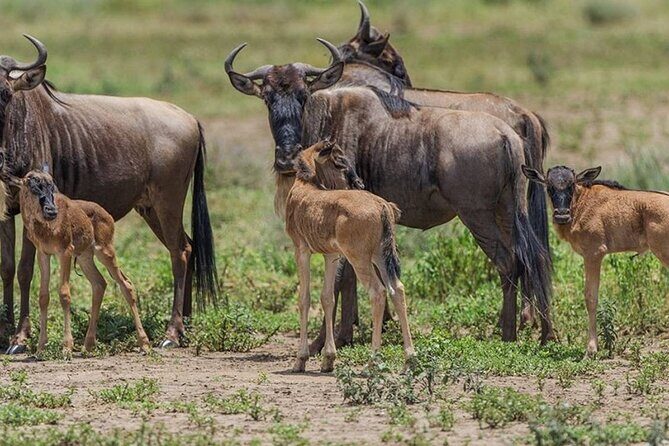
7 Days Journey of the Wildebeest – Luxury Holidays Serengeti
Book on Viator →Operated by Three Peaks Tanzania Safari ltd · Bookable on Viator
The wildebeest call is loud in your mind, and what makes this safari work for me is the tree-climbing lions of Lake Manyara plus steady game drives in the Serengeti’s Seronera area; a possible drawback is the long days of driving between parks. You get a well-paced mix of classic East African wildlife stops and that big, wow-factor “different scene every day” feeling. Still, you’ll want to mentally pack for early mornings and lots of time in the vehicle.
What you’re really buying here is flow: pickup around Arusha or Moshi, guides who handle the route, and park access and meals built in. It’s private for your group, so you’re not stuck watching a crowd’s pace decide where you go.
In This Review
- Key things to know before you go
- Arusha to the parks: why the route makes sense
- Lake Manyara: tree-climbing lions and the soda-lake spectacle
- Serengeti Seronera: two days that actually let the plains show off
- Ngorongoro Conservation Area: balloon option and the Sogore stream circuit
- Ngorongoro Crater and the day tied to human evolution sites
- Tarangire, crater-floor days, and that one detail you should confirm
- Price and what you actually get for $3,815 per person
- Guides and service style: what the team does right
- Practical advice: how to enjoy every drive
- Who this safari fits best (and who should think twice)
- Should you book this 7-day Luxury Holidays Serengeti safari?
- FAQ
- Which parks are included in this 7-day safari?
- How long is the safari?
- Is pickup offered from Arusha or Moshi?
- Are park fees and taxes included?
- What meals are included?
- Are tips and flights included, and what about cancellation?
Key things to know before you go
- Lake Manyara’s tree-climbing lions are the headliner, with elephants and flamingos also possible.
- Serengeti Seronera has repeatable payoff: you spend more than a single afternoon there.
- Ngorongoro Conservation Area adds another angle on big cats and open-plains sightings.
- Optional hot air balloon can be pre-arranged for extra cost.
- Crater-floor wildlife and a picnic lunch are a major part of the wow-factor.
- Meals, park fees, and guide time are included, which helps control surprise costs.
Arusha to the parks: why the route makes sense

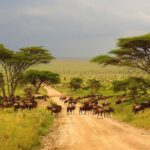
This is a 7-day circuit out of Arusha (and pickup can run from Moshi or Arusha). The structure is built around the idea that Africa feels best when you change scenery often: soda lake and Rift Valley escarpments one day, vast Serengeti plains the next, then the enclosed, predator-heavy feel of the Ngorongoro area.
The driving is part of the deal. The daily schedule is sized to get you to the next park with time for lunch and a game drive afterward or during the day. If you hate long transit, this route may feel like a lot—yet if you love seeing multiple habitats in one trip, it’s exactly the right approach.
Also, it’s private. That matters more than people think. When it’s just your group, your guide can work the timing around sightings rather than waiting for everyone else’s late arrivals.
A few more Arusha tours and experiences worth a look
Lake Manyara: tree-climbing lions and the soda-lake spectacle

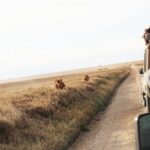
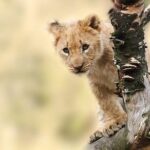
Lake Manyara National Park is famous for a very specific kind of drama: a shallow soda lake sitting at the foot of the Rift Valley’s western escarpment. That mix creates feeding and viewing opportunities in a compact area.
On your first wildlife day, you’re set up to arrive in time for lunch at the lodge, then head out for a day game drive. That timing helps you avoid the classic safari problem of arriving hungry and rushed. Once you’re on the ground, here’s what to keep an eye out for:
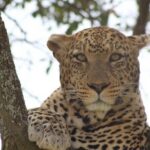
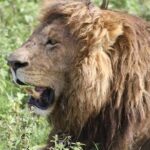
- Tree-climbing lions (the park’s signature)
- Large groups of elephants
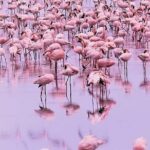
- Flamingos attracted by algae in the lake
Because the park is relatively sized for a one-day outing, you can realistically cover the key zones without feeling like you’re always racing the clock. The only consideration is that the “best” sightings in places like this often depend on where animals decide to be that day—so you’ll want to stay patient and trust your guide’s route.
Serengeti Seronera: two days that actually let the plains show off

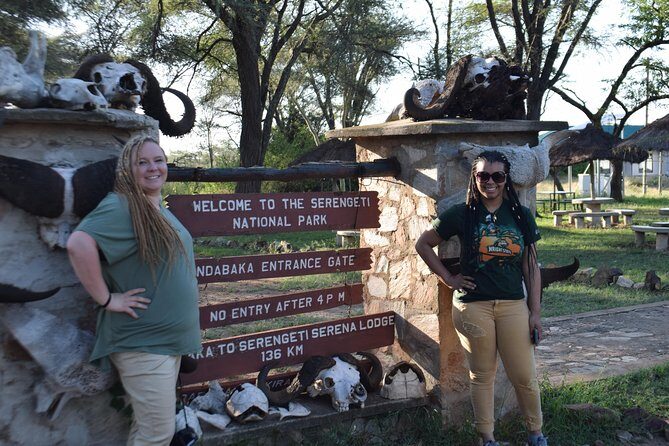
The Serengeti portion is centered on the Seronera area, known for a key draw: the Seronera River, which provides a reliable water source and pulls wildlife toward it. You don’t just pass through. You get time for lunch and then you’re out driving again.
Spending more than one day in the same broader region helps you in two practical ways:
- You learn the rhythm. You start to spot what’s typical versus what’s a one-day surprise.
- Wildlife movement isn’t perfectly predictable. Repeating the experience increases your odds of catching different animals—or the same animals doing something different.
You’ll also travel to the Serengeti via farmland around Karatu and through the Ngorongoro Conservation Area. That route shift matters. As the highlands give way to the lower plains, the safari mood changes fast—from greener, human-shaped views to open, animal-focused country where distance becomes part of the hunt.
If you’re the type who wants the classic big-plains feeling without it turning into a rush job, this is a smart way to structure Serengeti time.
Ngorongoro Conservation Area: balloon option and the Sogore stream circuit

The Ngorongoro Conservation Area adds that in-between vibe: still connected to the Serengeti ecosystem, but with different sight lines and animal routines.
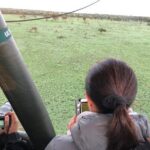
There’s also an optional hot air balloon ride over the Serengeti Plains. It’s available at supplementary cost and needs pre-arrangement. If you can swing it, it’s the kind of experience that gives you a different view of the same wildlife patterns—almost like your brain gets a map at the same time your eyes get a show.
For game viewing, your morning includes driving on the Sogore stream circuit, looping into the plains south of the Seronera River area. The route is described as good for potential sightings of:
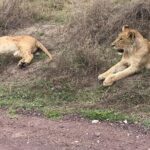
- Lion
- Thomson gazelle
- Topi
- Ostrich
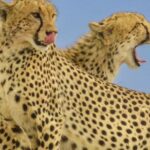
- Cheetah
This is where I’d stay flexible. Cheetah sightings can be quick and easy to miss. Your best bet is sitting calmly, watching for movement, and letting your guide position the vehicle where the day’s action is likely to be.
There’s also a note that a visitor-focused stop near the Serengeti Seronera Lodge and nearby public campsites is worth a quick visit in the morning. That kind of break is useful: it breaks the long-drive rhythm and helps you reset before the next round of driving.
Ngorongoro Crater and the day tied to human evolution sites
The Ngorongoro part of this safari is built around the idea that the wildlife viewing becomes more concentrated when animals are funneled into one enclosed system. The crater environment is described as supporting huge numbers of animals and predators—so you should expect strong odds, especially when conditions line up.
One day is dedicated to the Ngorongoro Conservation Area, and another day goes toward the crater and surrounding areas. The notes include a stop tied to human-evolution research, mentioning fossil finds known as Nutcracker Man and Handy Man, discovered by anthropologists including Drs. Lois (as listed in the tour information). If that subject interests you, it’s a good contrast day—something other than tracking animals for every hour.
A small but important point: the provided description mixes a couple of elements across days (including a Tarangire label that doesn’t match the crater details later). When you book, I suggest asking the operator to confirm the exact park for each day in writing so you know what you’re getting before you arrive.
A few more Arusha tours and experiences worth a look
Tarangire, crater-floor days, and that one detail you should confirm
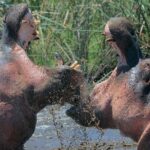
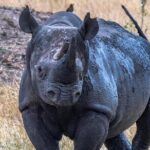
Your final full wildlife day information includes a 600m descent and a picnic lunch on the crater floor, plus the classic crater cast: antelope, zebra, buffalo, eland, warthog, hippo, and elephants. It also mentions predators like lion, hyena, jackal, cheetah, and leopard, plus a note about Tanzania’s last remaining black rhino.
That all reads like the Ngorongoro Crater experience. But the stop label for that day also says Tarangire National Park. Tarangire is a different place entirely, so I don’t want you to assume. Treat this as a “clarify it now” moment:
- Ask your operator which park you’ll drive in for that day
- Confirm whether the 600m descent and crater-floor picnic are indeed included on the same day you’re expecting Tarangire
This isn’t a deal-breaker—just a practical step to avoid disappointment.
Price and what you actually get for $3,815 per person
At $3,815.00 per person, you’re not just paying for sightings. You’re paying for an end-to-end package that covers the big cost centers:
- Professional guide
- All accommodation
- Transport
- All park fees and taxes
- Park-area meals: breakfast (7), lunch (7), dinner (6)
- Transfer to/from the airport pick up and return
International flights aren’t included, and tips aren’t included. That’s normal, but you should still budget for tips if you plan to give them.
Here’s why the pricing can feel fair: you’re combining multiple major wildlife zones—Lake Manyara, the Serengeti (Seronera), the Ngorongoro area and crater region, plus another major wildlife day. You also get private guiding and a schedule that’s built to use your daylight hours.
If you’ve priced safaris that leave park fees out or require extra payments for most meals, packages like this often end up looking better than they first appear. Still, it’s worth asking for the accommodation category included, because “all accommodation” can mean different standards depending on the package.
Guides and service style: what the team does right

The service here is described as tightly planned, and names pop up in the feedback: Rafael and Fredy are mentioned for planning and execution, and Justine is referenced in connection with a smooth experience.
Even without naming a specific guide guarantee, the pattern is clear: this operator appears to focus on planning around the season and animal movement, not just filling a calendar. That’s the difference between a safari that feels like a drive-through and one that feels intentional.
Private guiding also means you can ask questions in real time—why a vehicle is stopped here, why a different road might pay off tomorrow, and what to watch for even when the animal density looks quiet.
Practical advice: how to enjoy every drive
Safari comfort is about small decisions you make before the vehicle does:
- Wear layers. Mornings and evenings can feel cooler, and afternoons in the vehicle can be warmer.
- Bring sun protection and keep it easy to grab. When you spot something good, you don’t want to fumble.
- Stay patient with the pace. Big sightings often come after quiet stretches—your guide’s job is reading the day.
You’ll spend plenty of time in vehicles across multiple parks. If you go in expecting a lot of motion, you’ll be happier. If you expect everything to be short and snappy, you might find the logistics tiring.
Who this safari fits best (and who should think twice)
This is a strong fit if you want:
- Big-hitter parks in one week
- More than one serious Serengeti day
- A private trip where pacing stays under your control
- Park fees and meal planning handled for you
It may not be the best match if you:
- Hate long driving days between parks
- Need a perfectly fixed schedule with no flexibility for wildlife-driven timing
- Are sensitive to day-to-day changes in what sighting opportunities are possible
And remember the Tarangire/crater wording mismatch. If that kind of uncertainty bothers you, clarify it directly with the operator before you pay.
Should you book this 7-day Luxury Holidays Serengeti safari?
I’d book it if you’re aiming for a first-rate, no-stress safari package that stacks multiple iconic habitats and includes most of the major costs upfront. The best part is the structure: Lake Manyara’s tree-climbing lions, Serengeti Seronera time, and the predator-heavy Ngorongoro zone are a strong combo for one trip.
Before you finalize, do two things:
- Confirm the exact park plan for the day that mentions Tarangire but also describes a crater descent and crater-floor picnic.
- Ask what “private tour” means in practice for your vehicle and guiding setup.
If those checks come back clean, this looks like a solid value for a luxury-style safari week with real wildlife time and a guide team that seems to take planning seriously.
FAQ
Which parks are included in this 7-day safari?
The safari includes Lake Manyara National Park, Serengeti National Park, and the Ngorongoro Conservation Area and Ngorongoro Crater area. The final wildlife day is labeled as Tarangire National Park in the notes.
How long is the safari?
It’s listed as 7 days approximately.
Is pickup offered from Arusha or Moshi?
Yes. Pickup is offered from Moshi/Arusha, and there are transfers to and from the airport pick up and back.
Are park fees and taxes included?
Yes. The package includes all park fees and taxes.
What meals are included?
Breakfast is included for 7 days, lunch is included for 7 days, and dinner is included for 6 days.
Are tips and flights included, and what about cancellation?
International flights are not included, and tips are not included. Free cancellation is offered up to 24 hours in advance for a full refund.