REVIEW · MOSHI
7Day Serengeti Migration (Ndutu), Crater, Hot Springs & City Tour
Book on Viator →Operated by Moonlight Tours Expedition · Bookable on Viator
Migration magic starts in Ndutu. This private 7-day safari in Tanzania blends Great Migration action with the big wildlife highlights of Ngorongoro and Tarangire, then finishes with hot springs and waterfall time near Mount Kilimanjaro.
Two things I really like are the way your own 4×4 safari vehicle keeps the experience flexible, and the consistent emphasis on expert, English-speaking guiding. One possible drawback: at $9,600 per group (up to 2), it’s not a budget trip, and the whole run depends on good weather for the best sightings and smooth plans.
In This Review
- Key highlights worth clocking before you book
- The Ndutu choice: why the Great Migration here feels close
- Day 1 in Arusha: a calm start before the safari tempo
- Sundowner in Ndutu: the moment you’ll remember later
- Full-day migration tracking: how the long drive pays off
- Ngorongoro Crater: Big Five potential plus real crater drama
- Tarangire: elephants, baobabs, and birdwatching with numbers
- Arusha city tour: the cultural reset between parks
- Materuni Waterfalls and Chemka Hot Springs: the decompression you need
- Price and value: what $9,600 per group really buys
- Guides, organization, and the small touches that matter
- Should you book this 7-day Ndutu migration safari?
- FAQ
- What is the cost for the 7-day safari?
- Is this tour private?
- What’s included in the price?
- Do you provide pickup and a mobile ticket?
- Is Flying Doctors insurance included?
- What if the weather is poor?
- Can I cancel for free?
Key highlights worth clocking before you book
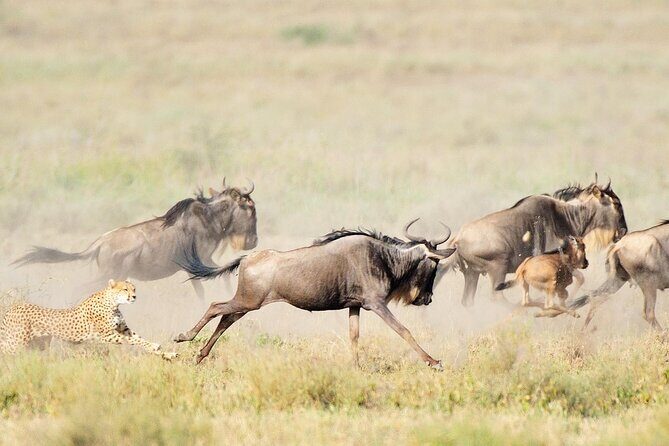
- Ndutu during the migration window: a prime setting for wildebeest and zebra movement
- Exclusive sundowner setup in the golden plains with premium drinks
- Long game-drive days (about 10 hours) designed around maximizing sightings
- Ngorongoro Crater descent with chances at Big Five wildlife, including black rhino
- Tarangire elephants and baobabs, plus birdwatching with 500+ species recorded
- Finish with Chemka Hot Springs and Materuni Waterfalls for real downtime
The Ndutu choice: why the Great Migration here feels close
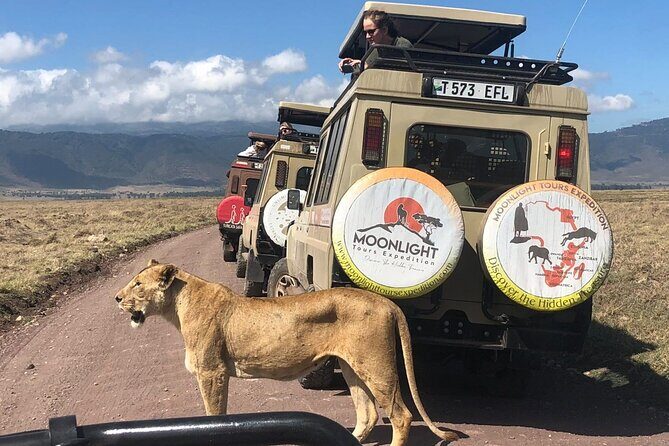
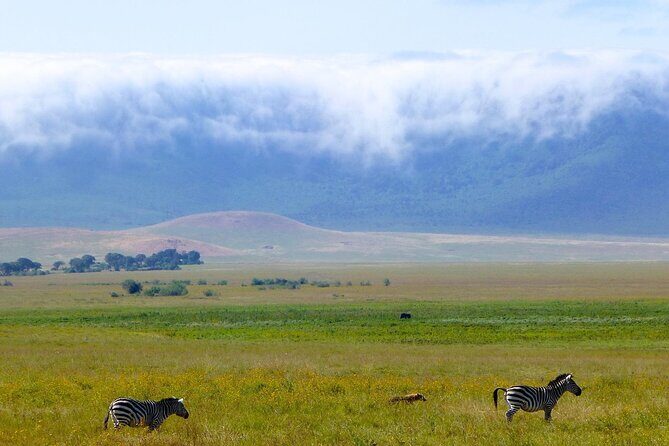
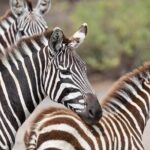
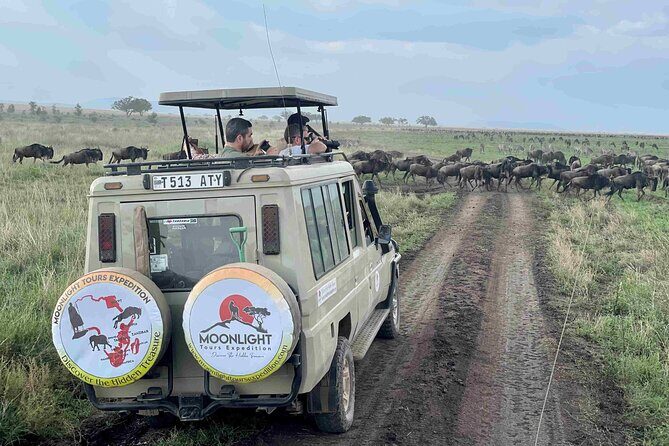
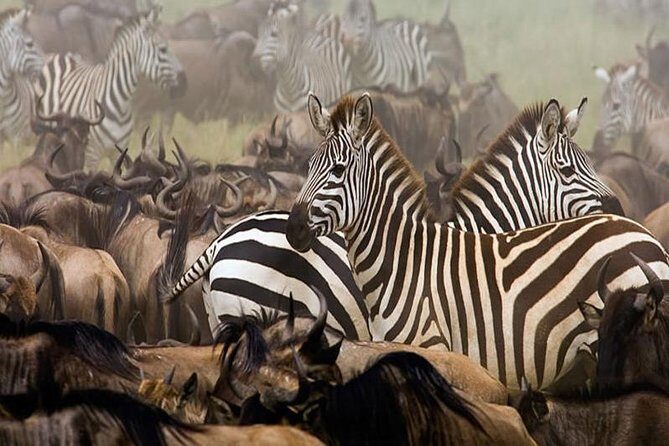
If your goal is the Great Migration, the biggest question is timing and location. Ndutu is special because it’s positioned where the Serengeti and Ngorongoro ecosystems meet, so the herds tend to draw in predators too. That matters because you’re not just watching animals move. You’re watching the whole hunt-and-avoid rhythm unfold as ecosystems collide.
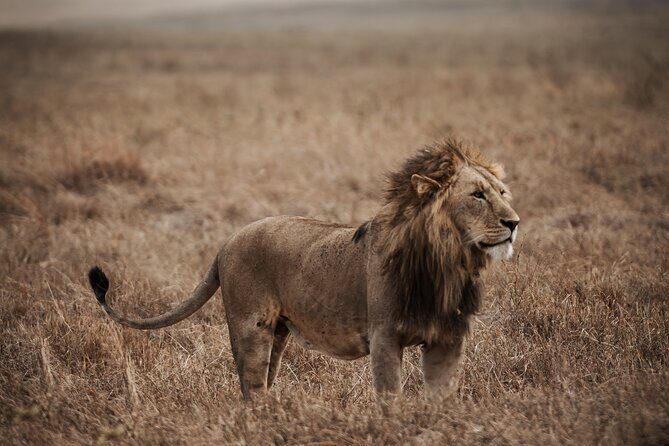
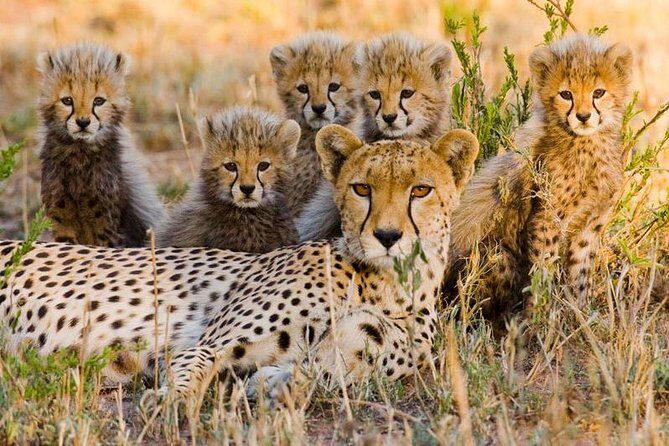
What I like about Ndutu for first-timers is the feeling of proximity. Even with a wide-open savannah, the days are structured for you to spend more time actually tracking. That means more chances to catch the drama: lions timing ambushes, cheetahs accelerating through open ground, hyenas lingering where easy food pops up.
One practical thing to set your expectations: migration varies with season. When conditions line up, you can get the best moments, like dramatic river crossings or the calving season with thousands of newborns. The tour is built around that reality, so you’re not paying to see a fixed script.
You can also read our reviews of more city tours in Moshi
Day 1 in Arusha: a calm start before the safari tempo
Your trip opens with a welcome after you land at Kilimanjaro International Airport, followed by a transfer to Arusha Serena Hotel. It’s a classic “sleep, eat, reset” day before the longer wildlife drives kick in.
I like this because safari days work like a marathon. You want a solid base before the first early start. Also, Arusha gives you a sense of place beyond the parks. You’re in Tanzania, not just in a vehicle.
There’s no pressure-filled schedule here—just time to get comfortable, organize your essentials, and be ready for the next day’s Ndutu push.
Sundowner in Ndutu: the moment you’ll remember later
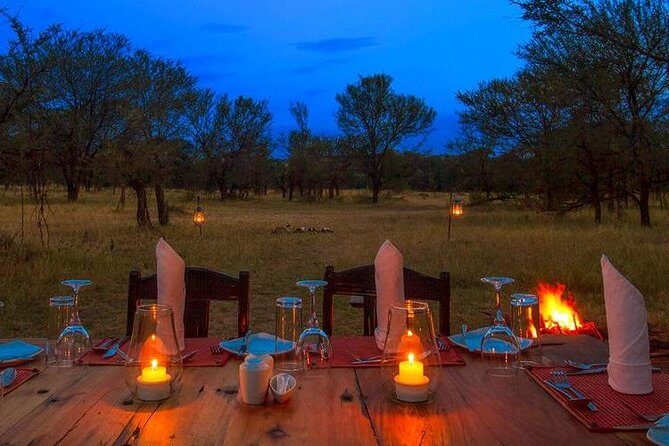
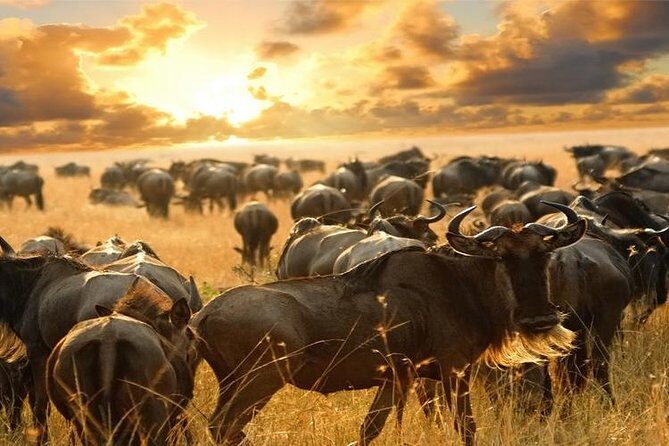
After a migration-focused day in Ndutu, you end with an exclusive sundowner experience. This is the kind of stop that seems simple until you’re there: you’re looking out over the plains at sunset, and the herds you’ve been tracking become part of the horizon line.
The details matter. You get a private setup, and the drinks include premium wines and chilled cocktails. It’s a small “human” pause in the middle of all that animal intensity, and that balance is part of why this trip works.
If you’ve done safaris before, you might assume sundowners feel the same. Here, the location does the heavy lifting. The migration plains turn the sky into the final act.
Full-day migration tracking: how the long drive pays off
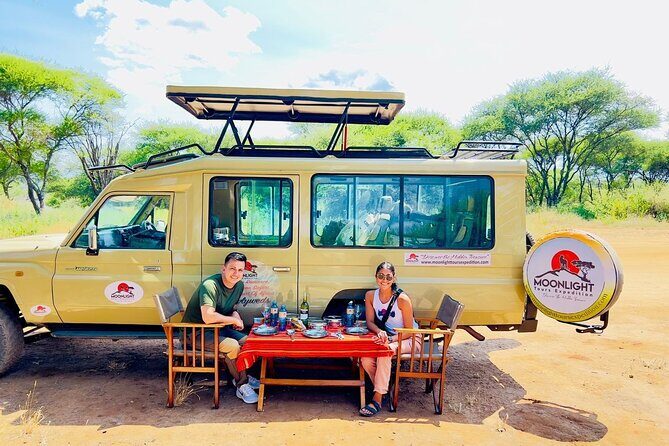
On the next day, you’re set up for a full-day game drive in Ndutu, roughly 10 hours. This is where the tour earns its keep. Migration isn’t something you solve in an hour; it’s a moving target.
The guide approach is built for animal reading—where to focus, what behaviors to watch, and how to interpret predator-prey tension as it changes through the day. That’s also where seasons show themselves. Depending on the time of year, you might see river crossings, heightened predator activity, or calving season scenes with newborn calves.
You also get a picnic lunch in the Serengeti. I’m a fan of this style because it keeps your day moving and keeps you “in it.” You’re not constantly losing hours to travel back and forth.
One note on expectations: even with careful guiding, wildlife is wildlife. The value here is that the schedule gives you enough time on the ground to react to what the ecosystem is doing that day—not just what a brochure promises.
Ngorongoro Crater: Big Five potential plus real crater drama
Ngorongoro Crater is one of those places where the setting changes how every game drive feels. You descend into an ancient volcanic caldera, and the ecosystem concentrates wildlife in a way that’s easy to understand once you’re down there.
This stop is scheduled after breakfast, with about 10 hours total for the day. Inside the crater, you’re aiming for Big Five encounters, including the rare black rhino. It’s important to say it plainly: black rhino sightings are never guaranteed. But the crater is among the best places in the region to have a real shot.
What I like most is the variety of crater scenes. You get lush crater-floor habitats, alkaline lakes, and dense wildlife areas—so your day doesn’t feel like one long wait in the same patch.
You’ll have a picnic lunch by a hippo pool too. Even if you’ve seen hippos elsewhere, the crater context makes it feel more “alive,” because you see how water shapes everything around it.
After lunch, you ascend the crater rim for a scenic drive onward to your lodge. That final climb gives you perspective on just how enclosed the whole system is.
A few more Moshi tours and experiences worth a look
Tarangire: elephants, baobabs, and birdwatching with numbers
Tarangire National Park is the day where the safari mood shifts a bit. The elephants are a big headline, and the park’s iconic baobab trees make the scene instantly recognizable.
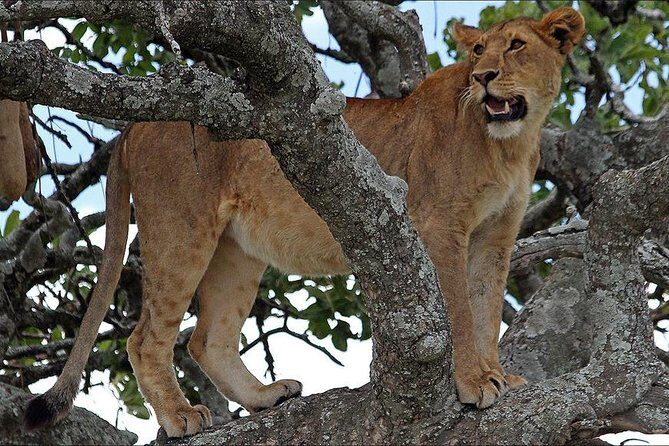
You spend about 10 hours on this day as well, and your aim is broad wildlife spotting—elephants, buffalo herds, and predators too (including leopards, which you might see lounging in trees). Tarangire also shines for birds. The park has over 500 bird species recorded, which means even if you’re not a hardcore birder, you’ll still notice you’re sharing the landscape with a lot of winged life.
The tour description also keeps your day flexible with a “leisurely game drive” tone, which I appreciate after two heavy migration days and the crater day. It gives you a chance to slow down and look for smaller wildlife details, not just scan for the biggest bodies.
If you love elephants, this is a strong complement to Ndutu’s predator energy. You’re getting variety, not repetition.
Arusha city tour: the cultural reset between parks
After you return to Arusha, you get a guided city tour that focuses on practical local culture rather than empty photo stops. You’ll visit the Maasai Market, go to the Tanzanite Experience, and stop at a local restaurant to sample Tanzanian cuisine.
This kind of day matters because safari can make everything blur into wildlife-only mode. A city tour breaks that. It also gives you a better read on what Tanzanians value in everyday life—markets, materials, and food.
One thing I’d keep in mind: when you visit markets, go in with patience. Prices and selling styles can be part of the experience, and you’ll do better if you take your time and stay polite.
Materuni Waterfalls and Chemka Hot Springs: the decompression you need
By the last day, your body will thank you for something different. Instead of more long drives, you head toward Mount Kilimanjaro’s foothills area for Materuni Waterfalls and then Chemka Hot Springs.
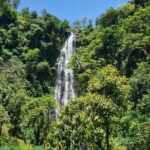
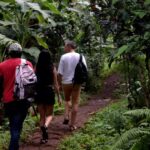
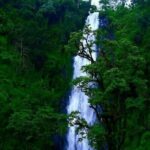
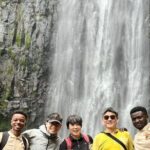
Materuni is described as a walk through lush plantation areas linked to the Chagga people’s coffee-making traditions. You learn about those practices, then get the chance to take a refreshing dip in the falls’ natural pool. That’s the kind of payoff you can’t replicate from a car window.
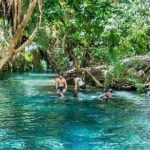
Then it’s on to Chemka Hot Springs: crystal-clear, turquoise waters with warm bubbling pools under shade from ancient fig trees. You’re basically trading the savannah for a spa-like feeling. It’s a good ending because it resets your senses after days of dust, sun, and long sitting.
If you want a clean finale—some nature, some water, some relaxation—this is a strong way to close out the trip.
Price and value: what $9,600 per group really buys
Let’s talk money without the hand-waving. This safari is priced at $9,600 per group, up to 2 people. If you have two travelers, that’s about $4,800 per person before tips.
That’s serious spending, but the value case is clearer when you look at what’s included:
- Transportation in a 4×4 safari vehicle
- A professional, English-speaking guide
- All mentioned activities and national entry fees
- Insurance coverage for Flying Doctors through AMREF during the safari
- Meals across the week: breakfast (7), lunch (6), and dinner (5)
For me, the best “value signal” is the private setup. A private safari vehicle means you’re not stuck with the slowest group or forced schedules. It also makes it easier to follow the migration’s moving demands.
The main costs on top are also clearly listed: visa fees, tips, travel insurance, and alcohol/soft drinks and personal spending. If you already know your tipping style and you plan for a travel insurance policy of your own, the rest is straightforward.
Guides, organization, and the small touches that matter
Even when the wildlife itinerary is the headline, the guide experience shapes how the day feels. From the feedback tied to this operator, I see a consistent pattern: guides are praised for going the extra mile to help you find rarer animals, and for running a clean, comfortable safari car.
Specific guide names that come up include Calvin, Wilson, and Mteena, with guests praising their care, knowledge, and effort. That kind of consistency matters on a safari, because your best sightings often come from someone spotting patterns early and explaining what you’re seeing as you go.
Also, the tour emphasizes organization. Everything is planned with pickup offered and a mobile ticket included, so you’re not spending your attention on admin when you should be watching for movement on the plains.
Should you book this 7-day Ndutu migration safari?
Book it if you want a private, guided Tanzania safari that hits multiple top-tier regions without feeling rushed. Ndutu is the draw for migration timing, Ngorongoro is your big chance at the crater-level wildlife concentration (including black rhino potential), Tarangire gives you elephants and bird life, and the final day’s hot springs and waterfalls are a smart recovery move.
Consider alternatives if:
- You’re on a tight budget. This price reflects luxury lodging and private logistics.
- You dislike weather-dependent plans. The tour notes that it needs good weather, and poor weather can trigger a different date or a refund.
If you’re the type who likes wildlife but also wants comfort—clean vehicles, expert guiding, planned meals, and downtime at the end—this one makes sense.
FAQ
What is the cost for the 7-day safari?
The price is $9,600 per group, for up to 2 people.
Is this tour private?
Yes. It’s a private tour/activity, meaning only your group participates.
What’s included in the price?
Transportation in a 4×4 safari vehicle, a professional English-speaking guide, all mentioned activities, national entry fees, AMREF Flying Doctors insurance during the safari, and meals including breakfast, lunch, and dinner as listed.
Do you provide pickup and a mobile ticket?
Pickup is offered, and a mobile ticket is included.
Is Flying Doctors insurance included?
Yes. Flying Doctors insurance (AMREF) is included during the safari.
What if the weather is poor?
The tour requires good weather. If it’s canceled due to poor weather, you’ll be offered a different date or a full refund.
Can I cancel for free?
Yes. Free cancellation is available up to 24 hours in advance for a full refund. If you cancel less than 24 hours before the start time, the amount you paid won’t be refunded.