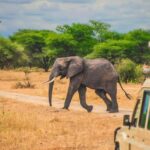
REVIEW · TANZANIA
4-Day Serengeti, Ngorongoro,Tarangire safari
Book on Viator →Operated by Kili Footprints · Bookable on Viator
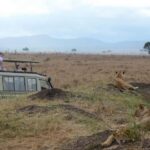
Four days. Elephants and big cats included in three parks. What makes this trip work is the park variety: Tarangire for elephant-heavy drives, Serengeti for its big landscapes, and Ngorongoro for a world-famous crater game drive with guides often including Jackson, Mille, and Mpole.
I also love the timing built into Ngorongoro. You start early for sunrise views over the crater, then you spend the day looking for wildlife around springs and the hippo pool area, with the promise of Big Five possibilities (lion, elephant, buffalo, rhino, leopard). The main consideration is stamina: the itinerary calls for a strong physical fitness level and starts at 7:00 am, so plan for long, active game-drive days.
In This Review
- Key things to know before you go
- How this 4-day safari circuit fits together
- Tarangire National Park: elephant herds, river swamps, and “maybe” predators
- Serengeti National Park: migration timing and habitat variety in one day
- Ngorongoro Crater: sunrise views, hippo pool lunch, and Big Five chances
- Guides, small groups, and the comfort reality (campsite vs lodge)
- Price and value: what $2,800 covers and what you still pay for
- Practical packing and safari-proofing for early starts
- Who should book this 4-day Serengeti, Ngorongoro, Tarangire safari
- Should you book this safari?
- FAQ
- What time does the safari start?
- Where do you get picked up?
- How long is the safari?
- Is this safari a small group?
- Is park entry included?
- What’s included in the price?
- What is not included?
- Will I get tickets digitally?
- Do I need to be physically fit?
- What if the weather is poor?
- Can this safari be changed after booking?
Key things to know before you go

- Max 6 travelers: you get a smaller-group feel, which usually helps with comfort and flow.
- 7:00 am start and pickup from Moshi/Arusha: saves you from figuring out transport on your own.
- Tarangire’s elephant focus: the Tarangire River area is known for very large elephant populations.
- Serengeti’s migration is seasonal: you may see thousands of wildebeest and zebra, depending on timing.
- Ngorongoro sunrise + crater floor springs: that early start puts you in position for top views.
- Accommodation and meals included: lunch is included, and lodging is part of the package.
How this 4-day safari circuit fits together

This is a tight, classic northern Tanzania loop built around three parks that feel different from day to day. You start with a pickup from your hotel in Moshi or Arusha, then head out early so you can make the most of daylight for game drives.
A useful detail: the itinerary is structured as one main day per park, with travel time threading between them. That means you’re not just visiting once—you’re doing full drives in Tarangire, a full day reaching and driving in Serengeti, and an early morning crater session at Ngorongoro before returning back toward Moshi/Arusha.
Because the trip is scheduled for around four days, it’s best for travelers who don’t mind getting up early and spending time scanning the landscape for animals. If you’re hoping for a slow pace with long breaks, this format may feel rushed.
A few more Tanzania tours and experiences worth a look
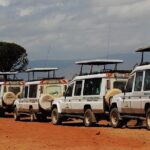


Tarangire National Park: elephant herds, river swamps, and “maybe” predators
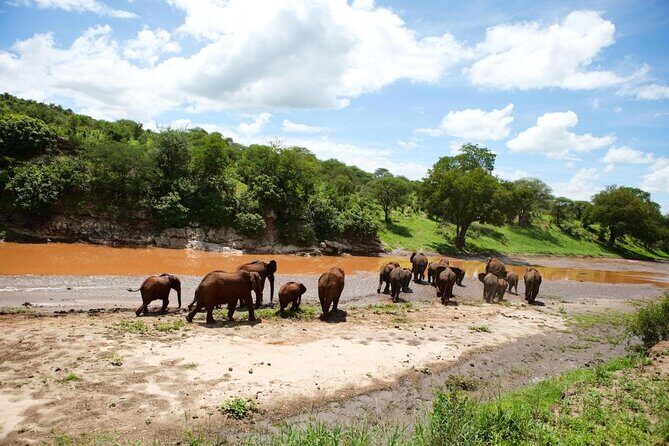
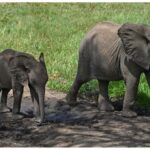
Tarangire is the “elephants first” park on this itinerary, and it’s a strong opening day. During your morning drive in and around the park’s seasonal swamps and savannah areas near the Tarangire River, you’re likely to see multiple elephant herds moving through the landscape.
Beyond elephants, Tarangire tends to deliver a good spread of the common plains animals, including zebras, wildebeests, buffalo, hartebeests, giraffes, and waterbucks. That variety matters because it keeps the day interesting even if the big predator sightings aren’t constant.
You also get chances for rarer-but-not-impossible moments. The itinerary points to the possibility of lions stalking prey and leopards resting in trees above. I like that wording because it sets expectations: you’re going out to look hard, not to guarantee a specific sighting.
One practical drawback: Tarangire can be visually busy (swamps, river edges, open savannah), so early concentration helps. If you’re the type who zones out when there’s lots to look at, remind yourself to keep scanning steadily—elephants and smaller antelope can be easier to spot once you know what patterns you’re watching for.
Serengeti National Park: migration timing and habitat variety in one day

After breakfast, you pass through the Ngorongoro Conservation Area, where you’ll have the chance to see the crater before continuing on toward Serengeti. Getting that view en route is a nice bonus because it gives you a second perspective on the caldera system before your proper crater day later.
Once you arrive in Serengeti around midday, you’re in a park famous for scale and variety. The itinerary highlights multiple habitats—grassy plains, swamps, lakes, savannah, and mountains. For you, that matters because it increases your odds of seeing different animal behavior in the same general day: grazers in open ground, activity near water, and shifting viewpoints across habitats.
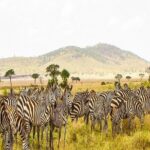
The big headline in Serengeti is the wildebeest and zebra migration. The key word here is seasonal. Depending on timing, you may have the opportunity to see thousands of animals searching for fresher grasslands. If your dates line up, Serengeti can feel like the whole park is moving at once; if not, you’ll still see wildlife, but the “mass herds” moment may be less dramatic.
That’s also why I’d frame Serengeti as a “habitat-and-animal-dynamics” day rather than a single-event guarantee. With only one full day inside the park, the best outcome is variety: lots of sightings across different places, even if you don’t catch the exact peak of migration.
For the overnight, you’ll be taken to a nearby campsite or lodge/permanent tented camp. This is where comfort choices start to matter. A review note that safari lodges were worth it after spending time in tents, which matches what most people feel in practice: you’ll likely be tired from long drives, so having solid sleep and hot showers (when available) can change how you feel the next morning.
Ngorongoro Crater: sunrise views, hippo pool lunch, and Big Five chances

Ngorongoro is the reason this circuit feels like a greatest-hits safari. Early risers are rewarded with breathtaking sunrise views over the crater, and that early light is useful for wildlife spotting too. After that, you head into the crater for game viewing inside a giant volcanic caldera.
The itinerary calls Ngorongoro a haven for African wildlife and specifically notes the Big Five—lion, elephant, buffalo, rhino, and leopard. Reality check: safari sightings are never guaranteed, but the crater environment concentrates animals in a way that makes these possibilities more than just a marketing line.
What makes Ngorongoro particularly effective is food and water. Springs on the crater floor attract animals such as wildebeest and gazelles, and the itinerary also notes more than 500 bird species. If you like watching behavior, that bird density can keep your attention even between larger animal sightings.
You’ll have lunch by the hippo pool, and then you’ll do more game viewing on your way out of the crater. I like this structure because it prevents the day from feeling like a single “in and out” rush. You get time to settle into the crater floor, eat without rushing, then look again as animals shift with light and movement.
Finally, you drive back to Moshi or Arusha where the safari ends. That return loop is part of the convenience: you’re not left to coordinate your own transport after an already full day.
Guides, small groups, and the comfort reality (campsite vs lodge)

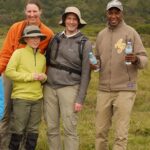
This safari is designed for a maximum of 6 travelers, which is a big deal for how the days feel. Smaller groups usually mean less waiting, smoother communication, and easier flexibility when the guide is tracking animals.
The guiding team is also a standout theme in the feedback you provided. Names that come up include Jackson, Mille, and Mpole, and the common thread is solid wildlife awareness—knowing where to look and how to read animal movement. On a safari, that matters more than fancy talk. The best guides help you find patterns fast, whether that means watching water sources, noticing tracks, or understanding how animals react to nearby activity.
Comfort is the other “real-world” piece. The itinerary includes accommodation, and on the Serengeti night it can be a campsite or a lodge/permanent tented camp. If you’re the kind of traveler who values a comfortable bed after a long drive, plan your expectations around that choice. One review specifically called out that lodges were worth it after a week in tents—so if you’re bringing fatigue from prior camping, you’ll likely feel the benefit of upgrading where possible.
A few more Tanzania tours and experiences worth a look

Price and value: what $2,800 covers and what you still pay for

At $2,800 per person, this is not a bargain-basement safari. But it also isn’t priced like a bare-bones experience. The included items listed are lunch, all fees and taxes, and accommodation, plus pickup is offered and you’ll have a mobile ticket.
That package approach changes the math. You’re paying for a multi-park circuit (Tarangire, Serengeti, Ngorongoro), and those park-related costs tend to add up. Having fees and taxes included helps you avoid surprise charges at the edges of your trip. Accommodation being included also removes one of the biggest variables when comparing safari quotes.
What’s not included is the flight and tips. Flights can be the biggest unknown expense, depending on where you’re coming from. Tips are also common on safari; you should set aside a budget for them so you don’t feel awkward at the end of an otherwise smooth trip.
My practical take on value: this price looks most reasonable if you want a structured route with minimal hassle, full days in each park, and accommodation built into the package. If you only want one or two parks, or if you’re planning to handle everything yourself, you may be able to piece together something cheaper. But if you want the full northern Tanzania highlights with fewer moving parts, this setup is the kind of bundled value that keeps stress low.
Practical packing and safari-proofing for early starts

With a 7:00 am start time, you’ll be operating on safari time from day one. That means packing for mornings that feel cool, then turning warmer later. Bring layers you can handle easily in the vehicle.
You’ll also want to prioritize stamina. The itinerary explicitly says travelers should have a strong physical fitness level. Game drives and early mornings can be demanding, so choose comfortable shoes and be ready for a schedule that’s “on” more than “rest” during the trip.
Because you’ll be spending time looking at wildlife rather than sitting indoors, your comfort items matter. Think about sun protection, something for dust, and keeping water handy where allowed. Even if the days are successful, the job of safari days is patience—animals don’t appear on your timetable.
One more weather point: the experience requires good weather. If conditions are poor, you may be offered a different date or a full refund. That’s not something to fear, but it is something to plan around—especially if you’re booking other activities tightly around this safari.
Who should book this 4-day Serengeti, Ngorongoro, Tarangire safari

This safari is a good fit if you want the classic highlights in a short timeframe and you like the idea of three distinct wildlife settings. Tarangire is for elephants and general diversity, Serengeti is for massive landscapes and migration-season possibilities, and Ngorongoro is for crater scenery and concentrated wildlife viewing.
It’s also a strong match if you appreciate smaller groups. A maximum of 6 travelers tends to make the days feel more personal and less chaotic.
You might reconsider if you want lots of downtime, or if early starts would be a problem. The itinerary asks for good fitness, and the schedule is built around maximizing daylight for game drives.
If you’re coming from a prior camping trip, this route may feel extra appealing because accommodation is included and at least one overnight option includes lodge or a permanent tented camp rather than only tenting.
Should you book this safari?
I think you should book if your goal is a tight, high-impact wildlife circuit with included accommodation and fees, and you’re excited by the idea of Ngorongoro sunrise and Big Five possibilities. The route is efficient: you see elephants in Tarangire, get serious Serengeti viewing, and then hit the crater where wildlife concentrates.
You might pass if you need a super-relaxed schedule or if you’re not comfortable with an active, early-start day structure. Also, treat the migration and predator sightings as chances, not guarantees. The value here is the overall package and the way each park complements the next—not one single promised animal moment.
If that’s your style, this is the kind of itinerary that makes Tanzania feel real fast: animals, changing terrain, and guides like Jackson, Mille, and Mpole helping you keep your focus where it counts.
FAQ
What time does the safari start?
The start time is 7:00 am.
Where do you get picked up?
Pickup is offered from hotels in Moshi or Arusha.
How long is the safari?
The safari is listed as 4 days approximately.
Is this safari a small group?
Yes. The maximum group size is 6 travelers.
Is park entry included?
Yes. All fees and taxes are included, and the itinerary notes admission ticket free for the park days.
What’s included in the price?
Included are lunch, all fees and taxes, and accommodation.
What is not included?
Flights and tips are not included.
Will I get tickets digitally?
Yes. The tour includes a mobile ticket.
Do I need to be physically fit?
The experience notes that travelers should have a strong physical fitness level.
What if the weather is poor?
This experience requires good weather. If it’s canceled due to poor weather, you’ll be offered a different date or a full refund.
Can this safari be changed after booking?
No. It’s non-refundable and cannot be changed for any reason.