REVIEW · ARUSHA
5-Days Lake Manyara, Serengeti, Ngorongoro Crater and Tarangire
Book on Viator →Operated by Lappet Faced Safaris · Bookable on Viator
Five parks, one focused circuit, and real game-drive time. What makes this safari feel different is the pacing: you spend 2 nights in the Serengeti, then you still get to hit Lake Manyara, Ngorongoro Crater, and Tarangire without feeling rushed.
I love the private setup and morning-to-evening rhythm. You’re picked up in Arusha, you get picnic lunches on the longer days, and you finish each day back at your accommodation with dinner waiting. One thing to consider: you’ll be driving a lot across varied terrain, so it’s not the lightest itinerary if you hate long road days.
In This Review
- Quick Safari Highlights
- Why This Safari Circuit Works Better Than a Rush-Through
- Day 1: Lake Manyara’s Acacia Forests, Picnic Lunch, and Lion Luck
- Days 2–3: Serengeti Game Drives in the Seronera Area for Real Predator Chances
- Day 4: Ngorongoro Crater Descent, Hippo Pool Lunch, and a Steep Exit
- Day 5: Tarangire’s Baobabs, Elephant Herds, and Returning to Arusha
- Private Guiding and Pickup: What You Should Expect Day-to-Day
- What’s Included (and What to Budget Separately)
- Money Matters: Is $3,099 Per Person Good Value?
- What to Pack and How to Survive Long Safari Days
- Who This Tour Fits Best
- Should You Book This 5-Park Safari?
- FAQ
- What time does the safari pickup start?
- Is this tour private?
- Which national parks are included?
- Are meals included in the price?
- Are park fees and tickets included?
- Do I need a passport?
- Are tips included?
Quick Safari Highlights
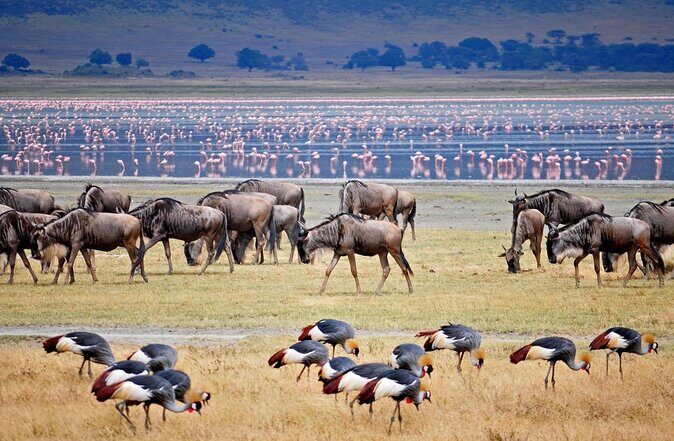
- Two nights in the Serengeti gives you morning and afternoon chances, not just one short window
- Lake Manyara game-drive full day means time to look for tree-climbing lions and shoreline flamingos (season-dependent)
- Ngorongoro crater descent + hippo pool lunch mixes big views with very specific wildlife zones
- Tarangire half-day focuses on baobabs and elephant herds along the Tarangire River
- Private group travel keeps the route flexible for your guide’s sightings and your pace
Why This Safari Circuit Works Better Than a Rush-Through
This is the kind of safari I like because it makes time your friend. Lots of tours brag about covering many parks, but then you barely leave the vehicle long enough to register what you’re seeing. Here, the schedule gives you proper game-drive hours, plus downtime at camp/lodge at night.
The Serengeti piece is the main reason this tour has staying power. With 2 nights in the Seronera area, you’re not guessing your best sightings from a single block of time. You get a fuller chance to see predators when they’re moving and to watch how animals change their behavior across the day.
There’s also a practical flexibility in the route concept. The tour can run as a land circuit, or you can choose to fly back from the Serengeti to reduce backtracking. If you’re sensitive to road time, ask early which option fits your dates and budget.
You can also read our reviews of more tours and experiences in Arusha.
Day 1: Lake Manyara’s Acacia Forests, Picnic Lunch, and Lion Luck
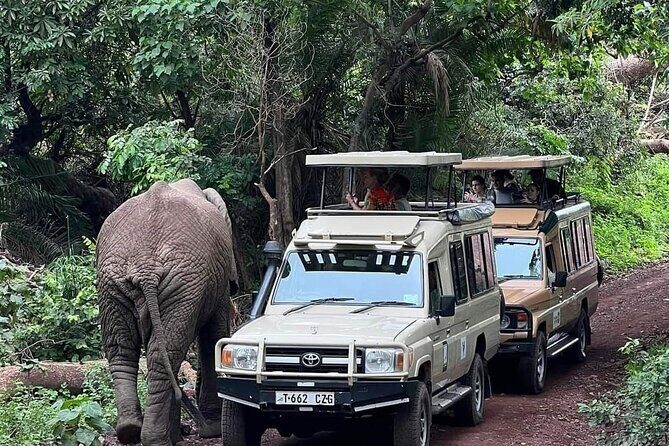
You start with an 8:30 AM pickup from your Arusha hotel, then head to Lake Manyara for a full day game drive. Once you enter the park, the vegetation shifts into acacia and mahogany stands, and the mood changes from countryside to something wilder and more shaded. That matters because game drives feel better when the habitat matches the wildlife you’re trying to find.
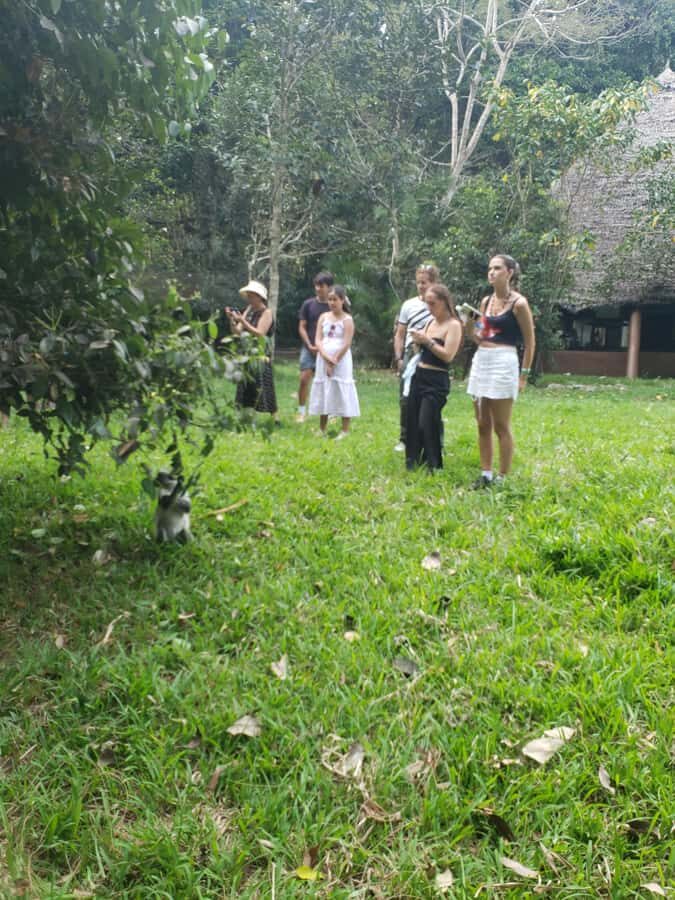
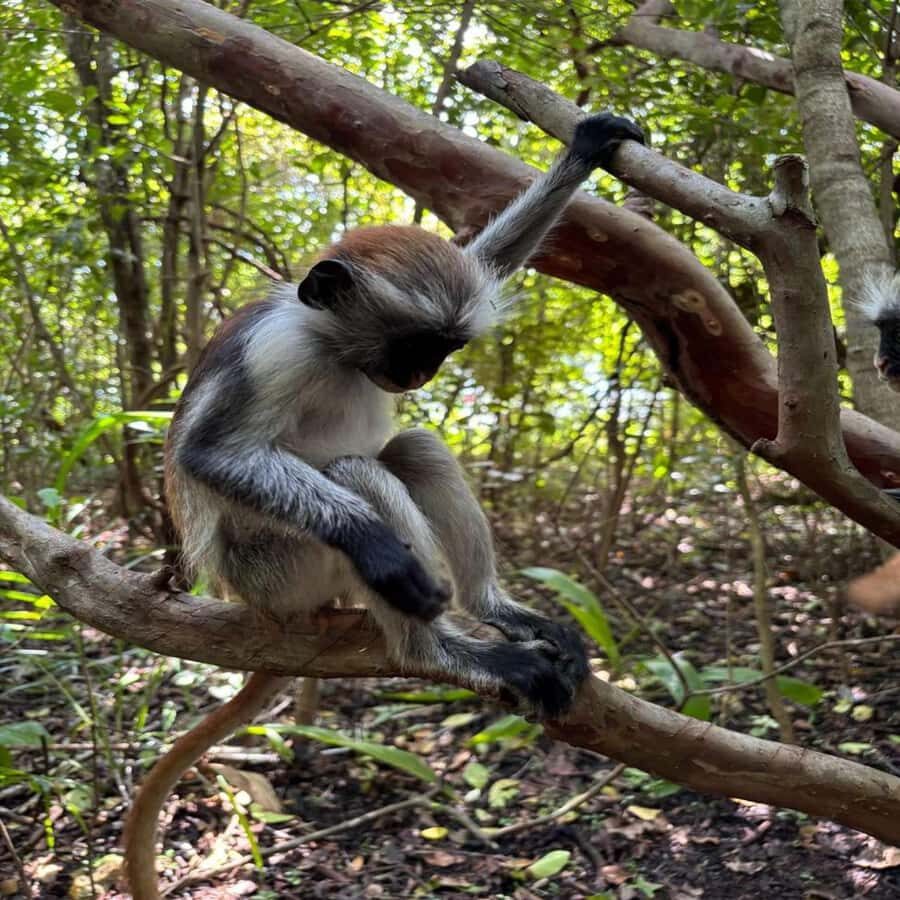
Expect a long day of eyes-out scanning. You can spot buffalo, giraffes, impalas, baboons, and blue monkeys. Manyara also has that famous oddity: tree-climbing lions. The key detail is that it’s luck-based—when conditions are right, it’s a standout moment, but you’re not guaranteed.
Lunch is handled as a picnic while you’re out driving. After the afternoon sightings and that late-day repositioning safari vehicles do, you head back to your camp/lodge for dinner.
Two extras to keep in your mental checklist:
- In the right season, the shoreline can turn pink with millions of flamingos flocking there
- Lake Manyara’s overall feel is more “woodland safari” than open-grassland, so don’t expect the Serengeti style of endless plains
Days 2–3: Serengeti Game Drives in the Seronera Area for Real Predator Chances
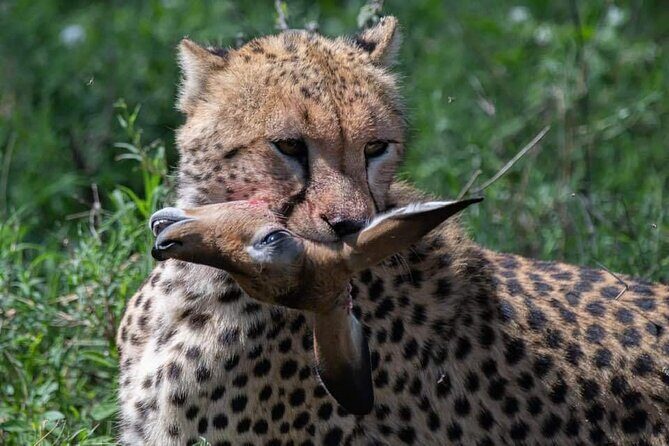
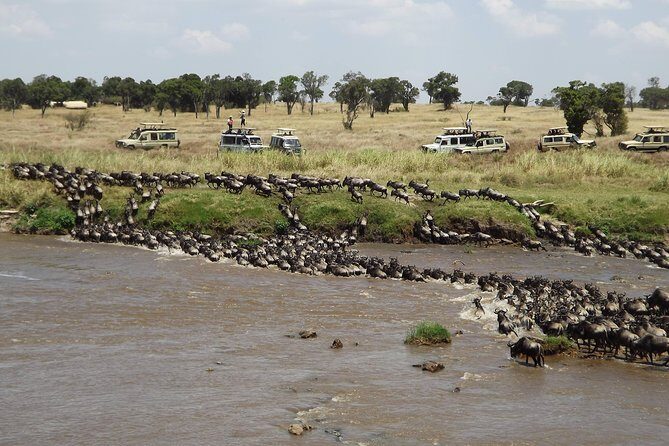
After breakfast on Day 2, you travel to the Serengeti through Karatu farmland and the Ngorongoro Conservation Area. Then the terrain changes again. You step into the broad savannah that makes people fall in love with East Africa on the first sighting—wide visibility, animals spread out, and that sense of distance you can’t really get anywhere else.
You arrive in time for lunch and then do an afternoon game drive in the Seronera area, which is known for dense wildlife activity thanks to the Seronera River. Water sources pull animals into predictable patterns, and that helps your guide target better viewing zones.
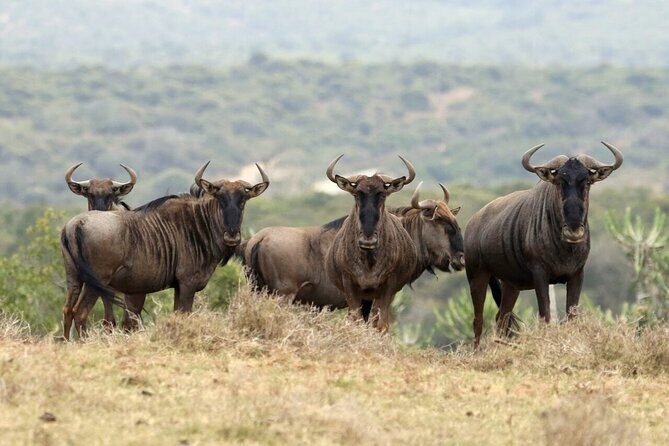
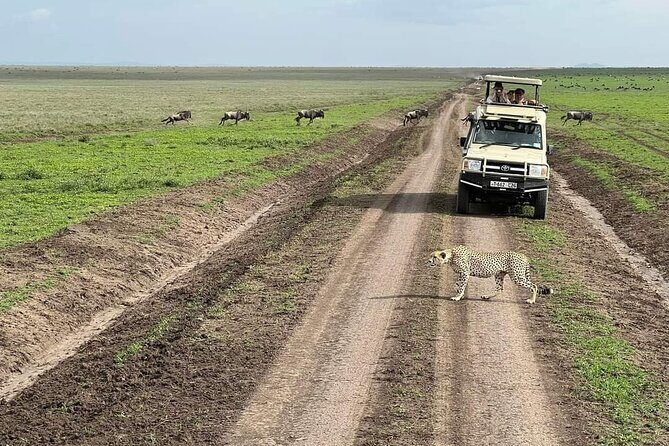
On Day 3, you stay in the Serengeti for a full game-drive day. This is where you should expect the big list: lions, leopards, cheetahs, giraffes, elephants, and more. The important part is that predator sightings usually aren’t random. The timing of drives matters, and with two days you get more chances at the moments when animals feel most active.
A practical note: the Serengeti days are marked as having park admission covered/free in the tour details, so you can focus on wildlife and logistics rather than running extra costs. Also remember you’re in a private group, so your guide can adjust where you spend time based on what’s happening that day.
If you care about getting more than one “perfect” sighting, the two-day Serengeti is a smart move. It turns your trip into a longer observation window instead of a quick photo sprint.
Day 4: Ngorongoro Crater Descent, Hippo Pool Lunch, and a Steep Exit
Day 4 starts early with breakfast, then a descent into the crater floor for a game drive. This is one of those places where the scenery and the wildlife are tightly linked. The crater creates a natural bowl, and it concentrates animals in ways that can feel almost unfair—like the ecosystem decided to put everything in one viewing theater.
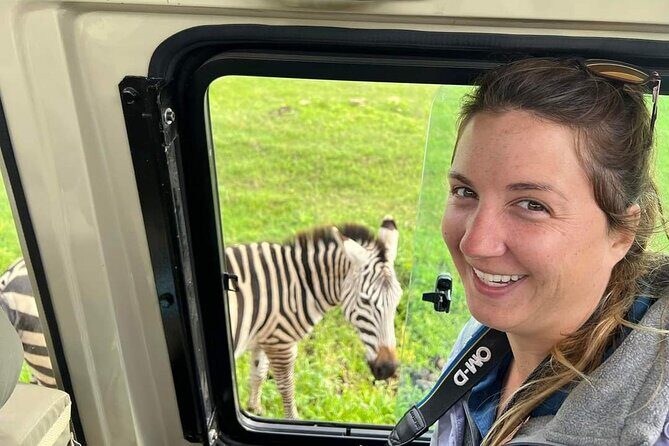
Your crater drive runs about five hours, and you’re looking for lions, elephants, zebras, hippos, flamingos, and rhinos-antelope type sightings, plus jackals and lots of birds. One of the more memorable parts can be the Hippo pool picnic lunch, because it gives you a set of iconic waterline views while you rest your legs.
Then comes the physical reminder that you’re in a crater. After lunch, you do a steep ascent to get back out. It’s not extreme hiking, but it does change how you feel as the day moves on, especially if you’re sensitive to driving times and motion.
After that, you transfer toward Karatu for your accommodation, with the day ending with dinner at your chosen lodging. This stop is a strong balancing act: dramatic wildlife today, then a more comfortable base for the night.
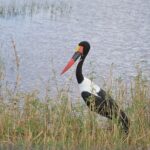
Bird lovers will also appreciate the crater’s variety. The tour details list species like eagle and vulture, stork and ibis, plus other birds such as kori bustard and long-necked heron. That’s a sign you’ll get more than mammal spotting here—you’ll notice the whole system.
Day 5: Tarangire’s Baobabs, Elephant Herds, and Returning to Arusha
The last day begins around 8:00 AM after breakfast, then you head from Arusha area to Tarangire National Park. Here, the safari pitch shifts again. Instead of crater concentration, Tarangire emphasizes landmark trees and river-driven animal movement.
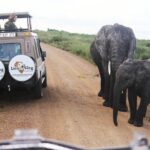
Tarangire is known for its majestic baobab trees, which dot the landscape and can dwarf animals as they feed nearby. It’s a great park for sense-of-place photos, but the real draw is the elephants. The tour notes that the Tarangire River is the centerpiece and that you can see some of the largest elephant herds in Africa.
You’ll do a half-day game drive, with a good chance of spotting lion, leopard, cheetah, lesser kudu, buffalo, oryx, eland, giraffe, and zebra. Then you drive back to Arusha and get dropped off by about 6:00 PM.
This final day works best when you treat it as a strong wrap-up rather than a second Serengeti. Your goal here is variety—baobabs, elephants, and a different kind of wildlife rhythm—so you end the trip with more memories than just one park style.
Private Guiding and Pickup: What You Should Expect Day-to-Day
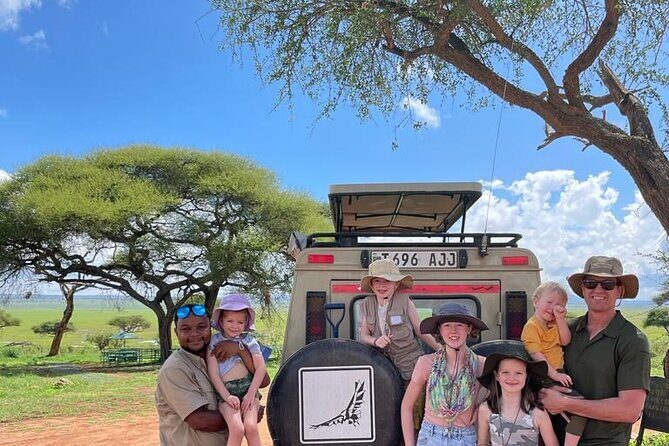
This is a private tour/activity, meaning only your group participates. That matters on safari days because it affects how long you sit and where you move. You’re not stuck coordinating with strangers, and your guide can focus on your sightings priorities.
Pickup is offered, starting in Arusha at the hotel. The tour also uses professional safari guiding, and past experiences with the provider include guide teams with people like Naftal and Mike, plus coordination from leadership such as Francisco. That pattern shows up in how the trip is handled: responsiveness, smooth planning, and a focus on getting you the best viewing moments within the day.
Another small but real value point: the tour indicates a multi-lingual guide may operate. If you’re traveling with kids or you want specific explanations about wildlife behavior, having a guide who can communicate clearly helps a lot.
One caution: “private” can mean less shared planning, so make sure you tell your guide what you care about most. If you have a must-see list—lions, elephants, hippos, flamingos—say it up front.
What’s Included (and What to Budget Separately)
The tour includes a lot of the costs that often surprise people on safari.
Included:
- Accommodations
- Parking fees
- Breakfast (5), lunch (5), and dinner (4)
- Admission ticket coverage is listed as included on Day 1 and Day 5, with Serengeti and Ngorongoro days marked as free in the tour details
Not included:
- Travel insurance
- International flights and visa
- Domestic flights
- Tips (10–15 USD per day)
- Hot air balloon ride in the Serengeti
From a value standpoint, that’s helpful. You’re paying for the big chunks: time in parks, your lodging base, and most meals. The one thing you still need to plan for is your personal tipping and any optional add-ons like a balloon ride.
Also note the tour runs as a private group and includes pickup, which usually makes it easier to avoid the most chaotic parts of independent safari planning.
Money Matters: Is $3,099 Per Person Good Value?
At $3,099 per person for roughly five days, this isn’t a bargain safari. But it’s also not priced like a luxury-only package. The better question is what your money buys.
You’re paying for:
- Multiple major parks in a tight, well-timed route
- Two nights in the Serengeti, not just a drive-by
- Accommodation plus nearly all meals during the safari days
- Private guiding and pickup logistics from Arusha
If you tried to recreate this yourself, the cost would shift into park fees, vehicle hire, driver fees, lodging coordination, and the risk of getting the timing wrong. Safari timing matters. Predator sightings and animal movement don’t wait for your schedule.
So for most people, the value comes from reduced guesswork and more meaningful game-drive time. If you’re the type who likes spontaneous changes and wants a human to manage the route and pacing, that’s exactly what this package is built for.
If you’re traveling super budget style, you might compare cheaper shared safaris. But if you want the combination of Serengeti time + crater + Tarangire with private control, this price starts to make sense.
What to Pack and How to Survive Long Safari Days
Safari days run long, and the day-to-day comfort matters as much as the animals.
Plan for:
- Early mornings and a lot of sitting in a safari vehicle
- Picnic lunches on driving days
- Temperature shifts from morning to afternoon
Pack practical basics:
- A light rain layer (weather can change fast even when it feels calm)
- Sunscreen and sunglasses
- Layers you can adjust as the day warms up
- A small day bag so you’re not hunting for items during game drives
One more thing: keep your camera gear simple. You’ll see moments fast, and you’ll want to move quickly when your guide stops the vehicle. A clear strap setup and a camera you already know how to use will save you stress.
Who This Tour Fits Best
I’d point this tour toward you if you want a classic Tanzania safari route but with enough time to actually enjoy it.
It’s especially suitable if:
- You want Serengeti time (two nights) instead of a one-night squeeze
- You care about Ngorongoro Crater’s specific viewing style
- You want Tarangire’s baobab-and-elephant feel as a strong closer
- You’re traveling as a group that benefits from private driving and flexible pacing
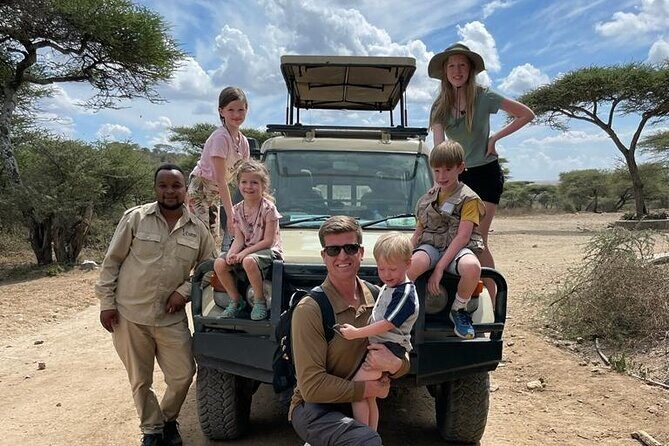
It can also work well for families. One past safari experience with the provider was for a family traveling with children as young as 2, which suggests the trip can be adapted for younger travelers if everyone is comfortable with the schedule.
Should You Book This 5-Park Safari?
Yes, if your priority is time on the Serengeti plus a full Ngorongoro crater day, while still finishing with Tarangire and Lake Manyara. This route is built around big wildlife areas without making you feel like the trip is all transportation.
Maybe consider a different option if:
- You strongly dislike long driving stretches and want a mostly fly-based itinerary
- You’re hoping for one park and one park only (this is a multi-park circuit by design)
- You want to avoid budgeting for daily tips and optional extras
If you do book, send your must-sees to the provider ahead of time and be honest about your comfort with early starts and long game-drive days. Your guide will do better work when your expectations are clear.
FAQ
What time does the safari pickup start?
Pickup in Arusha starts at about 8:30 AM on Day 1, with the tour starting in Arusha, Tanzania.
Is this tour private?
Yes. It’s listed as a private tour/activity, so only your group participates.
Which national parks are included?
The tour covers Lake Manyara National Park, Serengeti National Park, Ngorongoro Crater, and Tarangire National Park.
Are meals included in the price?
Breakfast is included for 5 days, lunch is included for 5 days, and dinner is included for 4 days.
Are park fees and tickets included?
Admission ticket details show Day 1 and Day 5 as included, and Serengeti and Ngorongoro days as free in the provided tour information.
Do I need a passport?
Yes. A current valid passport is required on the day of travel, and your passport details are needed at booking.
Are tips included?
Tips are not included. The tour notes tips of 10 to 15 USD per day.