REVIEW · DAR ES SALAAM
10 Days Mikumi Ruaha Selous Experience
Book on Viator →Operated by Gosheni Safaris (T) Limited · Bookable on Viator
Three parks, one calm rhythm in southern Tanzania. I love how this safari links Mikumi open-horizon drives, Ruaha National Park elephant country, and Selous Game Reserve sheer scale into one smooth, private road trip. You’ll use a private vehicle with a driver-guide, so you can move at game-viewing pace instead of waiting on schedules.
What really sells the trip is the variety of wildlife settings: the Great Ruaha River systems with hippos and crocodiles, then wide-ranging bush in Selous where birdlife can be intense but animals may take patience. The one drawback to plan for is timing and effort: you’ll spend multiple days on long drives, and Selous has dense vegetation that can make sightings slower than you expect.
In This Review
- Key highlights
- Mikumi, Ruaha, and Selous: the southern circuit that makes sense
- Day 1 Dar es Salaam: start in the city, not in panic
- Mikumi National Park game drive: fast wildlife wins in big open country
- Ruaha National Park: elephants, wild dogs, and the river as the main character
- Staying longer in Ruaha: how two drives a day changes your odds
- Day 6 back toward Mikumi: a travel day that still gives you wildlife time
- Selous Game Reserve: huge scale, dense cover, and patience as a superpower
- The Selous viewing mindset that actually helps
- Driving pace, daily rhythm, and what 10 days feels like
- Price and value: what $4,538.47 per person buys you here
- What to pack for Mikumi, Ruaha, and Selous
- Who this safari fits best
- Should you book the 10 Days Mikumi Ruaha Selous Experience?
- FAQ
- How long is the Mikumi Ruaha Selous safari?
- Where does the trip start and end?
- Is airport pickup and drop-off included?
- Are meals and accommodation included?
- Are park admission tickets included?
- What optional activities are available in Selous?
- Can I get a full refund if I cancel?
Key highlights
- Ruaha with space and fewer vehicles: the south stays quieter, so your drives feel less crowded
- River life at Ruaha: huge croc and hippo numbers around the Great Ruaha River system
- Elephant-heavy reputation in Ruaha: believed to have one of the highest concentrations in East Africa
- Selous scale like Switzerland: enormous reserve area with big wildlife-bush energy
- Up to 400 bird species in Selous: dense cover can slow sightings, which means you get more “spotting work”
- Optional Selous extras: walking in the wilderness or a boat cruise can be arranged for extra cost
Mikumi, Ruaha, and Selous: the southern circuit that makes sense
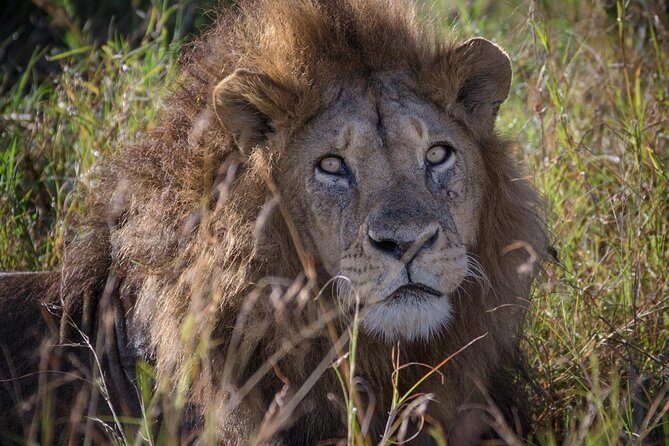
This 10-day safari is built for people who want variety without changing countries, languages, or travel styles every other day. You get three big ecosystems instead of one park repeated over and over, and that matters because Tanzania’s wildlife changes fast with habitat.
Mikumi leans toward open visibility and floodplain action. Ruaha feels more river-and-woodland, with standout mammals and dramatic water edges. Selous is the “big space” stop, where the reserve is huge and the bush can be thick enough that you hunt for movement rather than spotting animals instantly.
If you’re the type who likes a game drive to feel like a real safari, not a theme park photo line, this routing is a strong fit. The pacing also helps: you’re not constantly switching lodges at odd hours, and most days follow the familiar rhythm of early-to-midday sightings, then a break and another drive.
You can also read our reviews of more tours and experiences in Dar es Salaam.
Day 1 Dar es Salaam: start in the city, not in panic
You arrive in Dar es Salaam, meet the representative, and transfer to the city center for your overnight. It’s a practical day because you get your bearings, eat normally, and sleep like a person before heading into the parks.
You’ll also have airport pickup included for the start and end of the trip. That reduces stress, especially if your arrival timing is unclear or you’re landing after a long flight.
Plan to keep the evening easy. If you’re jet-lagged, you’ll be glad you didn’t try to pack in extra sightseeing.
Mikumi National Park game drive: fast wildlife wins in big open country
Mikumi is Tanzania’s fourth-largest national park, and it’s also one of the most accessible from Dar es Salaam. That’s why this stop works so well as the first safari park: you’re not stuck in endless transfer time just to get your first sighting.
After breakfast, you drive toward Mikumi with a packed lunch set up for a game drive. Mikumi’s centerpiece is the Mkata Floodplain, where wide horizons make it easier to spot movement, and where wildlife can feel frequent rather than rare.
You’ll typically enjoy a late-afternoon return to the lodge for overnight. This schedule is good if you want your first game drive to be exciting without burning your whole day.
What to watch for in Mikumi:
- open plains views that can help spotting even when the light is bright
- animals using the floodplain edges and routes between water and grass
A small consideration: Mikumi is accessible, which can mean more general interest in the area. The tour’s focus is still on game-viewing time with private transport, so you’re not “stuck with a crowd” in the way mass tours can feel.
Ruaha National Park: elephants, wild dogs, and the river as the main character
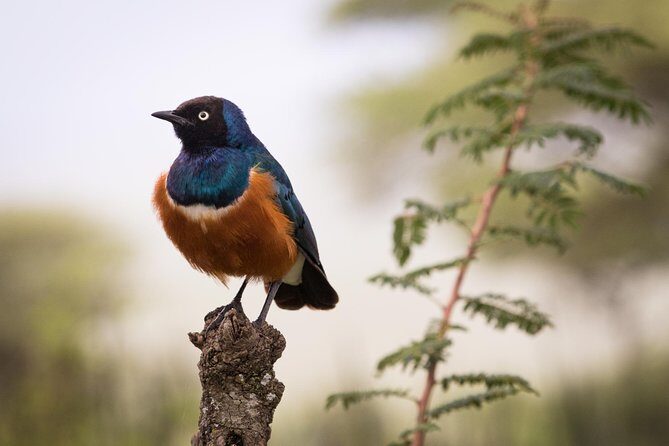
Ruaha is the star of this circuit if you care about big-mammal density and river-driven drama. The park’s name comes from the Great Ruaha River, which runs along the south-eastern side and becomes the focus for game viewing.
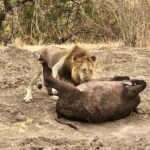
The park is believed to have a high concentration of elephants than any national park in East Africa. You also have a real shot at harder-to-find species like endangered wild dogs, plus classic southern Tanzanian antelopes such as kudu, sable, and roan.
Your first Ruaha day includes an afternoon game drive, so you start seeing wildlife even before you fully settle into the rhythm. Then the next days shift into full-on park time with morning and afternoon game drives, while your meals stay at the lodge.
Ruaha also has that quieter-feeling advantage. Because this part of Tanzania is less visited than the northern circuit, you’ll have ample space and you should see hardly any safari vehicles. That changes the mood. It’s easier to hear wildlife sounds, and it’s more relaxing when your guide can move straight to the action.
Why the Great Ruaha River matters so much:
- crocodiles and hippos are a major feature
- animals gather around water, which can improve your sightings over time
If you like seeing animals in their natural movement patterns, Ruaha rewards you with that “follow the river” logic. The park also sits at a meeting point between different ecological zones, which is part of why you get a mix of species that you might not see further north.
Staying longer in Ruaha: how two drives a day changes your odds
The biggest benefit of spending more time in Ruaha is not just repetition. It’s how wildlife behaves across hours and light.
With morning and afternoon drives, you’re not stuck waiting for one magic window. Some animals move more actively at certain times, and the river area changes the scene as the day warms up or cools down.
You also get a better feel for what your guide is prioritizing. In Ruaha, your sightings can connect to:
- the timing of water and animal movement
- the way woodland cover opens up near river edges
- your ability to slow down when the guide senses activity
The tour design also reduces logistics friction. You’ll have meals at your lodge, so you’re not scrambling for food mid-game drive or losing time to transfers.
Day 6 back toward Mikumi: a travel day that still gives you wildlife time
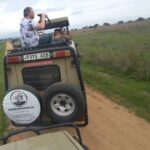
On the way from Ruaha toward Selous, you head for a game drive en route back to Mikumi. The logic is simple: Mikumi borders Selous to the south, so the route keeps the travel efficient without turning the day into pure road miles.
This is one of those smart travel choices that makes a tour feel more like safari and less like transportation. You don’t lose the day entirely, and you get another chance for animals before Selous takes over.
If you’re worried about feeling “stuck in the van,” this day design helps. You get movement plus game-viewing time.
Selous Game Reserve: huge scale, dense cover, and patience as a superpower
Selous Game Reserve is described as the biggest wildlife conservation area in Africa. It also joins Mikumi and Udzungwa National Parks into a huge combined region said to be as big as Switzerland.
This is the park where you’ll feel the meaning of scale. Even when you’re not constantly seeing animals at the instant you point your camera, the experience is about being out in wide, wild country for longer stretches.
You travel to Selous in the morning through Matemwe gate. After Morogoro, you leave the tar road and drive along the Uluguru Mountains through remote villages. That road shift matters: you’ll feel you’re leaving main corridors and entering the slower pace of true bush travel.
Arrival day can include a short game drive if timing allows. If not, you’ll have a chance to relax at the lodge and prep for the full safari days.
Then you get two full days of driving in the northern part of Selous, focused on photo safaris. This area is described as unspoiled, and wildlife encounters can be unique, but dense vegetation changes the viewing style.
Selous highlights to keep in mind:
- it supports up to 400 bird species
- wildlife sightings can be harder because vegetation is thick
- optional activities like walking in the wilderness or a boat cruise can be arranged for extra cost
This park is not the best fit if you want instant, open-plain spotting every hour. But it’s excellent if you enjoy reading the bush: quiet scans, listening for movement, and trusting your guide to place you where animals are likely to be.
The Selous viewing mindset that actually helps
If you want to make Selous work for you, your best strategy is to treat it like a slow game. When vegetation is dense, the “score” is often movement you notice early, tracks you can interpret, or a surprise animal that appears when the vehicle stops in the right spot.
Your guide’s role becomes extra important here. In the Gosheni Safaris guide record, names like Francis, Edward, Albert, and Calvin Kileo come up with praise for finding game and using patience well. On a place like Selous, that patience is not just a nice trait. It affects what you see.
Ask for the daily focus: are you leaning toward birds, predators, or herbivore routes. Even when you don’t control what shows up, you can control how you watch.
Driving pace, daily rhythm, and what 10 days feels like
The schedule keeps a steady pattern, and that’s a big deal on a safari. You’re not bouncing between parks at every turn; instead, you get time in each place so you’re not constantly unpacking.
Most days are built around about 5 hours of activity time listed for the park segments, plus travel structure between regions. In plain terms: you’re looking at real driving days, but not all-day vanish-into-the-road days.
Meals are set up to keep you fueled. The tour includes breakfast, lunch, and dinner as noted, with bottled water included and meals generally tied to lodge stays. That helps you avoid the common safari problem of either rushing meals or paying extra for food every time you stop.
Also, this is a private tour, so your group moves as one unit. That matters when sightings pop up unexpectedly and you don’t want to negotiate who turns around first.
Price and value: what $4,538.47 per person buys you here
At $4,538.47 per person for about 10 days, you’re paying for more than access to parks. You’re paying for a private style of safari where you get:
- private vehicle transport with a driver-guide
- bottled water
- meals across the trip (all meals as specified)
- all accommodation except the last day
- park entry via included admission tickets during the safari days
- airport pickup and drop-off
That’s the value math: your costs are concentrated into a single package rather than splitting time into extra hotel stays, extra transfers, and constant paid services. It can be a strong deal if you compare the cost of building the same route yourself with private transport and guided drives.
What you should also budget for:
- alcoholic drinks, since those are not included
- Selous extras like walking or a boat cruise, since those are listed as optional and at extra cost
- your own plans for Dar es Salaam at the end, since the last day’s transfer is at your own arrangement
One more practical note: the tour details mention a flight from Kilimanjaro to Serengeti North as not included. If you’re connecting to another Tanzania trip component, double-check your onward flights so you’re not stuck planning transport last minute.
What to pack for Mikumi, Ruaha, and Selous
Even if lodges handle the basics, you’ll want to pack for sun, dust, and long viewing hours. Think layers for early morning and protection for midday heat.
Bring:
- sunscreen and a hat that won’t fly off when the vehicle moves
- binoculars if you like birding, since Selous can have heavy bird interest
- a camera strap and lens cloth for dust
- motion-friendly items if you’re sensitive to long roads
Also, since you’ll often do morning and afternoon drives, plan for water and snacks to be ready. Bottled water is included, but your comfort comes from having your own small gear organized.
If you have dietary needs, you should flag them during booking. The tour asks you to advise specific dietary requirements ahead of time.
Who this safari fits best
This tour fits you if you want:
- a private safari rhythm
- an emphasis on game drives with enough days to learn a park
- a combination of habitats: floodplain viewing (Mikumi), river-and-woodland mammal focus (Ruaha), and big-bush bird and mammal searching (Selous)
It’s also a good choice if you don’t want the northern mega-circuit vibe. Ruaha in particular is described as less crowded in the southern season context, which can make the experience feel calmer.
You might reconsider if:
- you hate long drives and prefer minimalist transit days
- you need guaranteed, easy sightings every hour
- you’re not comfortable with moderate physical effort expectations, since the tour notes moderate fitness is required
Should you book the 10 Days Mikumi Ruaha Selous Experience?
I’d book this safari if you want a true southern Tanzania circuit where Ruaha gives you that quieter-feeling space and Selous gives you the big-wild-scale experience. The package value is strongest for people who like full-day structure: private transport, park access, and lodge-based meals that keep you focused on wildlife instead of logistics.
The biggest “make it or break it” factor is your viewing style. If you’re patient and you enjoy birding and scanning through dense vegetation, Selous will reward you. If you need open-plain spotting to feel satisfied, Mikumi will be the easier win and Selous may require a mindset shift.
If that sounds like you, this is a solid plan.
FAQ
How long is the Mikumi Ruaha Selous safari?
It runs for about 10 days, starting with an arrival day in Dar es Salaam and ending with a return to Dar es Salaam around noon on the last day.
Where does the trip start and end?
It starts in Dar es Salaam. It ends with a drive back to Dar es Salaam, with transfer to your airport or hotel handled by your own arrangement.
Is airport pickup and drop-off included?
Yes. Airport pickup and drop-off are included, and the tour also provides transport by private vehicle.
Are meals and accommodation included?
All accommodation is included except on the last day. Meals are included as listed in the schedule, with breakfasts, lunches, and dinners provided.
Are park admission tickets included?
Yes. The schedule lists admission tickets included for the safari days at Mikumi National Park, Ruaha National Park, and Selous Game Reserve.
What optional activities are available in Selous?
Walking in the wilderness and a boat cruise can be arranged as optional activities, and they are listed as extra cost.
Can I get a full refund if I cancel?
You can cancel up to 6 days in advance for a full refund. Cancellation rules are based on local time at the experience location.