REVIEW · ZANZIBAR CITY
Spice tour and cooking class (local food)
Book on Viator →Operated by Nungwi adventures and safari · Bookable on Viator
Spices start talking when you walk the farm. This private Nungwi cooking tour mixes a real spice farm walk with hands-on instruction, so you don’t just watch food happen—you understand it. I loved how the day connects plants to flavor, including the fun detail of seeing many types of bananas, and how cooking happens on the cook’s front porch with local women plus an interpreter. One thing to factor in: this experience depends on good weather, and rain can affect timing.
Logistically, it’s built for an easy day trip: pickup is offered, you’ll be in a small private group (up to 2), and the full experience runs about 8 hours. You also get a mobile ticket and quick confirmation when you book, which cuts down on day-of stress. If you want a break from restaurant meals and want a style of cooking you’ll actually use later, this one makes sense.
In This Review
- Key highlights that make this spice tour work
- Entering the spice-farm mindset in Nungwi
- The ingredient picking moment that turns a class into a skill
- Cooking class basics: rice, coconut sauce, and traditional methods
- Eating together: why the meal is the point
- The private-group experience: better attention, less waiting
- Timing, pickup, and how to plan your Zanzibar day
- The guide factor: why knowing the names matters
- Price and value: what $155 per group is really buying
- Who this spice tour and cooking class fits best
- Should you book this Nungwi spice cooking class?
- FAQ
- FAQ
- Where does the spice tour and cooking class happen?
- How long is the experience?
- Is it a private tour?
- Is pickup included?
- Do I get a ticket on my phone?
- What do you cook during the class?
- What happens if the weather is bad?
- Can I cancel for free?
Key highlights that make this spice tour work
- A spice-farm walk you can smell and taste, not just a quick photo stop
- Cooking with local women in a real, everyday setting
- Interpreter-led explanations, so you get the hows and whys
- Ingredient-focused learning, including local ingredients like bananas, rice, and coconut
- You eat the meal you help make, which makes the whole day feel complete
Entering the spice-farm mindset in Nungwi
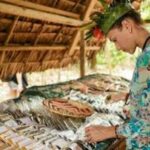
This is the kind of food experience that starts before the stove. You begin with a walk on the spice farm, where the guide shows you plants and trees at close range. It’s not only about seeing greenery—it’s about learning how these ingredients show up in cooking later. Expect plenty of sniffing, tasting, and pointing, because that’s how the knowledge sticks.
I like this approach because it changes how you look at the ingredients. In a market or at a restaurant, you might notice a spice or fruit and move on. Here, you connect it to a place where it grows and to a method someone uses to turn it into food. That makes the cooking part feel grounded, not like a scripted class.
There’s also a nice sense of local rhythm. The day doesn’t feel like a theme park version of Tanzania. One review highlighted seeing plants and trees up close and then eating together, and that same flow is what makes this day feel human.
You can also read our reviews of more food & drink experiences in Zanzibar City

The ingredient picking moment that turns a class into a skill
The tour experience is designed around choosing ingredients, not just following steps. You’ll pick out ingredients at a local spice market before you cook, so you’re part of the story from the start. It’s a small detail, but it changes your memory of the meal.
Here’s why that matters for you: later, when you try to recreate something at home, you’ll remember what you chose and why. Without that, cooking lessons can turn into a list of steps you forget the next day. With it, you build a mental map: what it is, what it smells like, and how it behaves when cooked.
One especially memorable detail from feedback: the banana variety lesson. People were genuinely surprised by how many types of bananas they saw during the farm portion. That kind of moment is exactly what you’re paying for—your eyes open, and suddenly the kitchen has new options.
Cooking class basics: rice, coconut sauce, and traditional methods
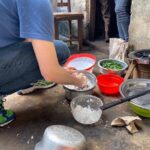
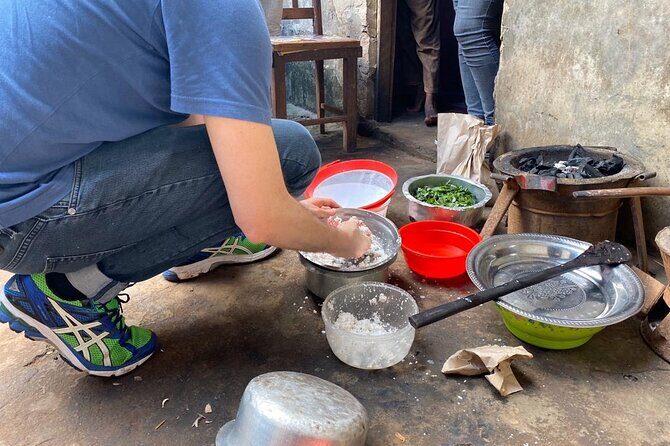
Once you reach the cooking portion, you start a lesson with local food and spice-based preparation. The class centers on a dish described as live spice rice with coconut sauce. That matters because it’s not only about one recipe; it’s about technique and taste balance that can carry over to other meals.
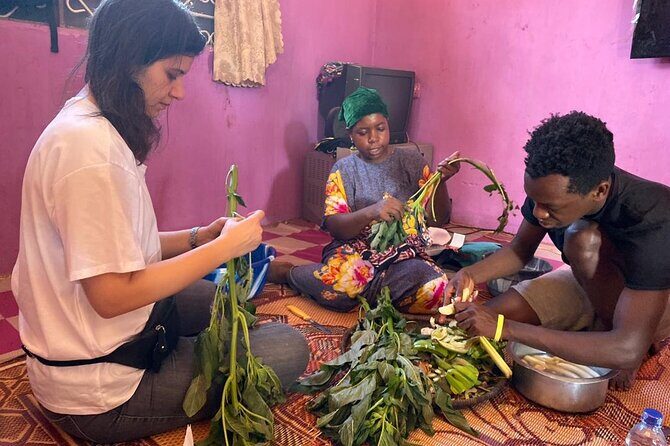
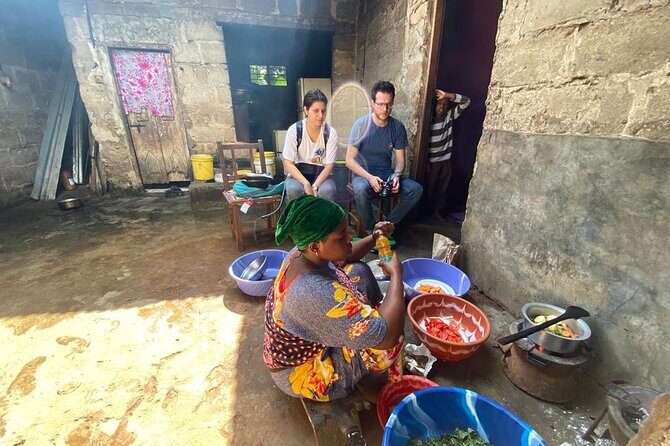
You’ll receive instructions and then get to enjoy what you make at the end. In the most positive accounts, the teaching is explained clearly (with interpreter support) while cooking happens in a real domestic-style setting. One review described everything being made on the cook’s front porch, and that detail tells you something important: this isn’t a fancy studio. You’re learning in the same way people cook day to day.
I also like that the experience highlights traditional cooking methods as part of the class, not as background fluff. You’re not just collecting plates of food for a photo. You’re learning the process behind it, which is what makes this “restaurant fatigue cure” the tour calls itself out as.
Practical note: your hands may get involved. Even when you’re not doing every single step, you’ll be actively part of prep and the cooking flow. That keeps the time engaging, especially if you’ve had enough of tours where you mostly stand and listen.
Eating together: why the meal is the point
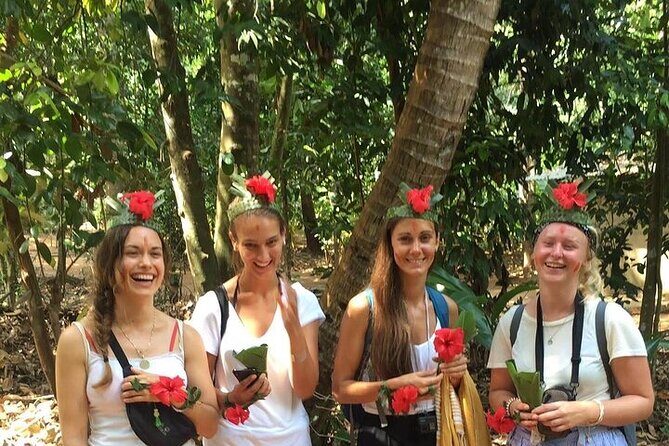
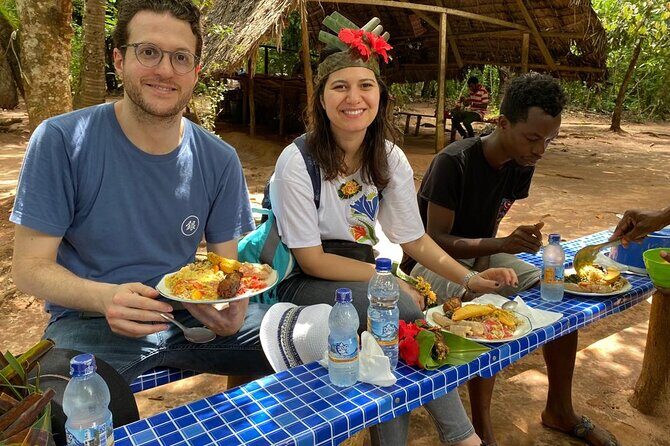
The meal isn’t a random finish. It’s built as the payoff for the day’s farm walk and market choices. After the cooking lesson, you sit down and eat the food you helped prepare.
This is where the value really shows. Cooking classes often fail because you pay, cook a little, and then eat something that tastes like it came from elsewhere. Here, the meal is the culmination of the same ingredients and methods you learned. That’s why the reviews sound so satisfied: the food wasn’t just good—it felt connected to the day.
One of the best comments described a variety of dishes made during the session and called out that they toured the spice farm, then ate together. That’s the tone you should expect: learning, then community table time.
If you’re the type of traveler who thinks about food after you leave a place, you’ll probably remember this meal longer than a typical dinner. You’ll know where the ingredients came from and how they were handled.
The private-group experience: better attention, less waiting
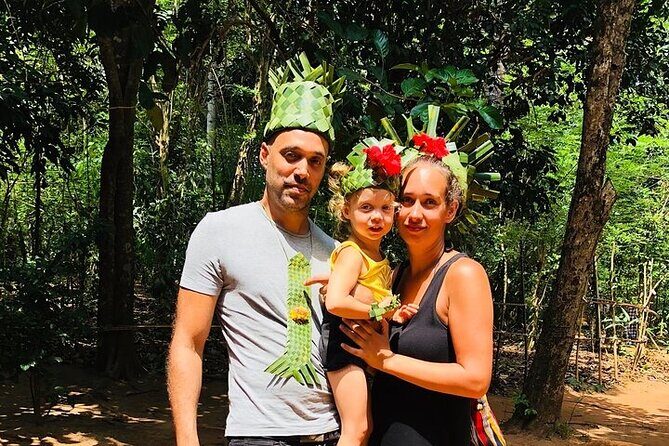
This is a private tour/activity, meaning only your group participates. The group size is up to 2, which helps in two ways.
First, you get more direct attention. In a small setting, questions don’t get lost, and you can ask about ingredients and methods without competing with a larger crowd.
Second, your timing can feel more personal. You’re not trapped in a rigid schedule where you must keep up with ten other people’s pace. The tour runs about 8 hours, so it’s still a full day, but it doesn’t feel like a conveyor belt.
If you’re traveling as a couple, this is also a smart pricing structure. At $155 per group (up to 2), the cost per person drops quickly when you share the group fee. If you’re solo, you’ll pay the full group price, but you still get the private attention that makes the day feel focused rather than rushed.





Timing, pickup, and how to plan your Zanzibar day

The experience is listed at about 8 hours, and pickup is offered. That means you can fit it into a typical Zanzibar schedule without having to arrange transport yourself. Since the day includes a farm walk and a cooking lesson, you’ll want to plan for a steady chunk of time rather than a quick half-day.
Also, this tour needs good weather. That’s not a minor detail here. Because part of the experience happens on a farm, rain or extreme weather can affect comfort and how the day runs. If weather looks questionable, keep a little flexibility in your other plans that day.
If you’re staying around Zanzibar City or Nungwi area, pickup helps you save time and reduce “where do we go now” stress. Just be ready for a full-day rhythm: travel in, farm walk, market-to-cooking flow, then your meal.
The guide factor: why knowing the names matters
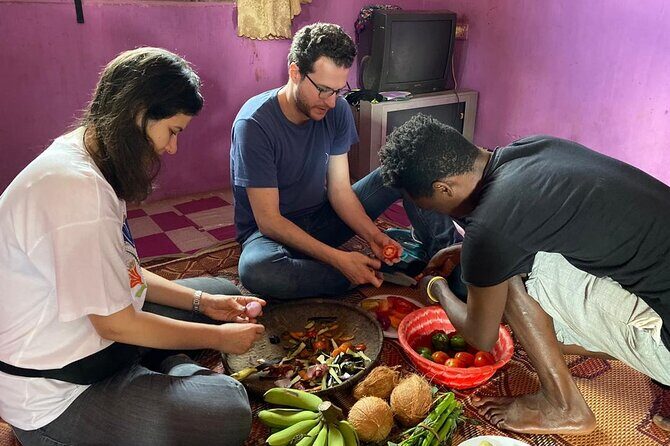
You’re going to learn more when the guide can explain clearly, and the feedback here points strongly in that direction. One review specifically called out a guide named Sultan as a great guide, and another described the interpreter explaining everything while cooking happened on the porch.
So what does that mean for you? It means you’re not just getting random spice facts. You’re getting an explanation tied to actions: what you’re doing, why it works, and how it leads to a final dish you can actually eat.
In practical terms, I’d suggest showing up ready to ask questions. When someone mentions ingredients, ask how they’re used in the sauce or what changes the flavor. When you see multiple banana types, ask what differs between them. These are the moments that turn a cooking class into real learning.
Price and value: what $155 per group is really buying

Let’s talk money plainly. The tour price is $155.00 per group (up to 2). On paper, that’s not the cheapest thing in Zanzibar. But it’s priced like a private, guided, ingredient-focused day—not like a buffet.
Here’s what you get that supports the value:
- A spice-farm walk with guided explanation
- Market ingredient selection
- A hands-on cooking lesson centered on local dishes and spice rice with coconut sauce
- Interpreter support
- A meal at the end that ties back to what you learned
If you’re comparing it to a standard restaurant meal, it’s different. A restaurant gives you food today. This gives you skills, ingredient knowledge, and a cooking style you can repeat later—something you won’t get from one dinner.
To judge the price for yourself, do a quick math check:
- If there are 2 of you, you’re effectively splitting the group fee, so it’s easier to justify.
- If you’re solo, you’ll be paying the whole group price, and it’s worth it only if you really care about hands-on local cooking (not just eating).
My take: this is a strong value when you want a full-day cultural experience that ends with a real meal, not a short stop-and-shop tour.
Who this spice tour and cooking class fits best
This tour is ideal if you:
- Love cooking and want a practical method, not just a food tasting
- Get tired of the same restaurant routine and want something different
- Enjoy farm-to-plate experiences where you learn how ingredients grow and get used
- Want a small private group for better attention and clearer explanations
You might skip it if you’re only after a quick sightseeing hit or you dislike hands-on activities. It’s also not the best plan if you’re trying to keep the day fully weather-proof, since the tour requires good weather.
Should you book this Nungwi spice cooking class?
If your goal is to learn a cooking style you can actually bring home—and to do it with local women, an interpreter, and real farm and market time—then yes, book it. This isn’t just about eating. It’s about understanding ingredients and methods, then sitting down to enjoy the results.
I’d book especially if you’re traveling as a pair, since the group pricing makes the day easier to swallow. And if you’re watching the weather, plan for a backup day if you can.
FAQ
FAQ
Where does the spice tour and cooking class happen?
The experience is in the Nungwi area of Zanzibar, Tanzania, with the cooking class tied to a spice farm visit.
How long is the experience?
It runs about 8 hours.
Is it a private tour?
Yes. It’s private, and only your group participates (up to 2 people).
Is pickup included?
Pickup is offered.
Do I get a ticket on my phone?
Yes, you’ll receive a mobile ticket.
What do you cook during the class?
The class includes local food cooking with an emphasis on spice rice and coconut sauce.
What happens if the weather is bad?
This experience requires good weather. If it’s canceled due to poor weather, you’ll be offered a different date or a full refund.
Can I cancel for free?
Yes. You can cancel up to 24 hours in advance for a full refund. If you cancel less than 24 hours before the start time, you won’t get a refund.