REVIEW · ARUSHA
5Days Family _Group Tour Lodging Mid-Range in the Jungle
Book on Viator →Operated by Three Peaks Tanzania Safari ltd · Bookable on Viator
Early starts, big wildlife payoff.
This 5-day family group safari from Arusha stitches together Lake Manyara and the Ngorongoro Crater for classic Tanzania highlights, with park fees, a professional guide, and meals handled. I especially like the way the route keeps changing habitats, so your wildlife chances stay active every day, and I like that guides like James and Justine have a reputation for staying serious, organized, and sharp in the field. One thing to consider: you’ll spend a good chunk of time driving and you’ll want decent weather, since the plan depends on it.
What makes this trip feel worth it is the mix of famous “must-sees” plus the practical touches that keep you from feeling lost. You get pickup from Moshi/Arusha, airport transfer mentioned in the package, and a mobile ticket option, so the pre-trip hassle stays low.
The one drawback I’d flag is pacing. It’s not a slow, leisurely lodge-and-read-a-book style tour. If your family needs lots of downtime between parks, you’ll want to plan for rest stops and be okay with early starts.
In This Review
- Key Things I’d Bet On
- Arusha to the Parks: How This Route Works for Families
- Day 1 in Lake Manyara: Elephants, Flamingos, and Lions in the Trees
- Day 2 to Serengeti: Seronera Water Country and Big-Plains Energy
- Day 3 Serengeti: Morning Circuit Game Drive and the Optional Balloon
- Day 4 Ngorongoro: The Crater Bowl and the Human-Origins Story
- Day 5 Ngorongoro for the Morning and Lake Magadi: Flamingo Water in the Crater
- Price and Value: What $1,947.50 Covers (and What It Doesn’t)
- Lodging and Meals: Mid-Range Comfort Without the Guesswork
- Guides, Jeeps, and the Why-This-Matters Part
- Should You Book This 5-Day Family Safari?
- FAQ
- FAQ
- How long is the safari?
- Where does the tour start?
- What parks are included?
- Is a hot air balloon included?
- What meals are included?
- Does the price include park fees and taxes?
- What is not included in the tour price?
- What happens if weather is poor?
- Is this a private tour?
Key Things I’d Bet On
- Serengeti Seronera area for water-driven wildlife density and strong game-drive options
- Lake Manyara’s setting at the Rift Valley edge, including elephants and the famous tree-climbing lions
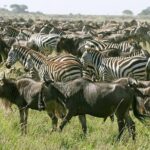
- Ngorongoro Crater wildlife with a major predator presence and easy-to-track grazing herds
- Hot air balloon option over the Serengeti plains, arranged in advance for an extra cost
- Private-only group feel where only your group participates
Arusha to the Parks: How This Route Works for Families
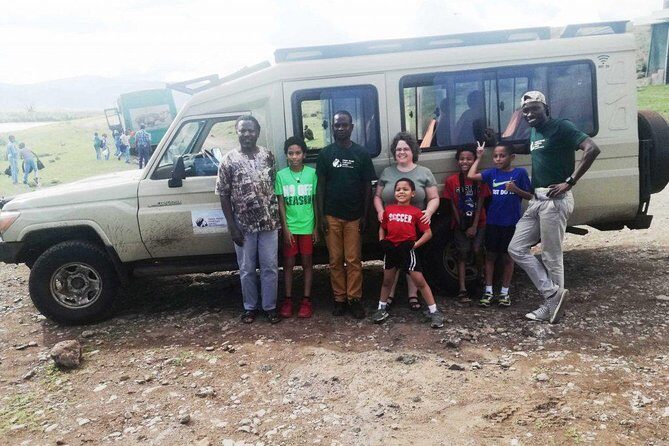
Starting from Arusha (with pickup from Moshi/Arusha), this safari lines up three very different wildlife zones: Lake Manyara, the Serengeti, and Ngorongoro Conservation Area. The benefit for you is variety without constant backtracking. Each day changes the “rules” of what you might see—woodland and shoreline drama at Manyara, open-country plains in the Serengeti, then the crater bowl where animals concentrate.
For families, that matters. A trip can feel long fast if you’re stuck repeating the same scenery. Here, you get repeated chances to spot animals because you’re changing ecosystems rather than staying in one generic patch of bush.
This is also a guided experience with professional on-the-ground support. That helps with basics you’ll care about most—where to position the jeep, how to read animal movement, and how to keep the days running smoothly when you’re moving between parks.
A few more Arusha tours and experiences worth a look
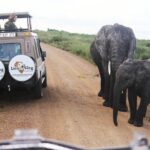
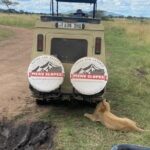
Day 1 in Lake Manyara: Elephants, Flamingos, and Lions in the Trees
Day 1 runs from pickup through transfer to Lake Manyara National Park, aiming to arrive for lunch at the lodge before a game drive. This timing is a quiet win. You’re not starting your safari-day hunger game at dawn, and you can settle in before you’re scanning for elephants and movement.
Lake Manyara is set dramatically at the foot of the western escarpment of the Great Rift Valley, with a shallow soda lake that covers only part of the park. That mix is why the wildlife can look so different from day to day: you get shoreline birds, grazing animals, and woodland behavior in the same general area.
What I like about this park for first-day excitement:
- Elephants are highlighted as one of the larger concentrations in the region.
- The park is known for tree-climbing lions, a detail that makes Manyara feel more distinct than “just another savanna.”
- You can also run into flamingos attracted by algae in the lake, which is great if you want bird life alongside the big animals.
Possible drawback: Lake Manyara can be visually busy—woodland, water, birds, and wildlife all at once. If your family gets tired of scanning, plan for short breaks and keep expectations flexible. With a guide in your jeep, it’s easier to stay focused.
Day 2 to Serengeti: Seronera Water Country and Big-Plains Energy
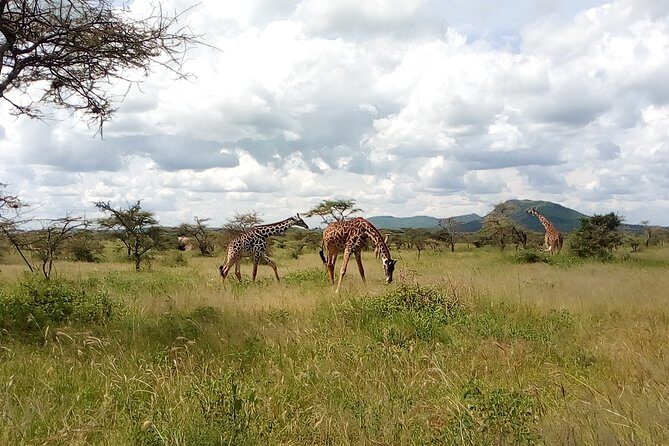
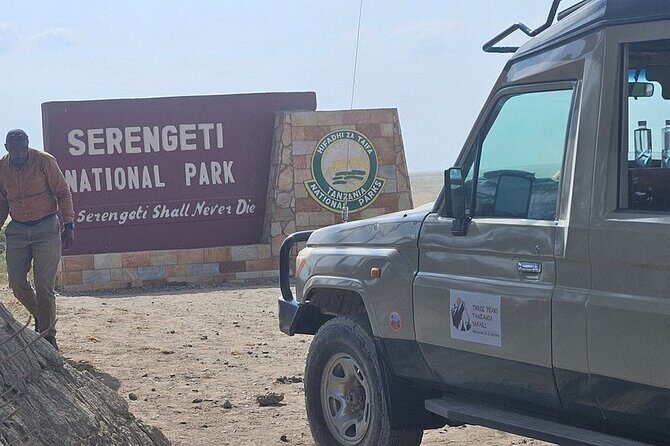
After breakfast, you head toward the Serengeti via Karatu farmland and the Ngorongoro Conservation area. You’ll “descend” into the Serengeti and arrive in time for lunch, then spend the afternoon on a day game drive.
The Serengeti area you’re going to is the Seronera sector, described as one of the richest wildlife habitats inside the park. The key idea here is water. The Seronera River provides a consistent water supply that draws many of the Serengeti’s species and supports repeated sightings rather than one-off luck.
For you, that means this isn’t just a photo safari where you drive and hope. It’s built around known wildlife logic: water + time in the field.
A practical note for families: Serengeti plains driving can be long and open. If you know your kids get restless, bring snacks you can access quickly, and use the ranger-guide rhythm to keep everyone engaged—point out animals as they appear rather than waiting for the “big moment.”
Day 3 Serengeti: Morning Circuit Game Drive and the Optional Balloon
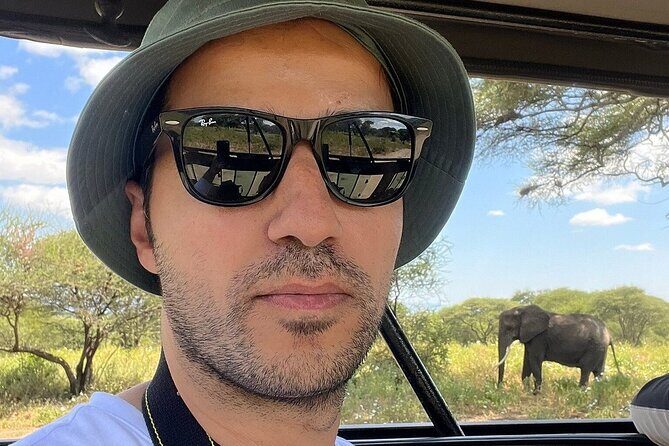
Day 3 is the day for a special “choose-your-own-adventure” moment: a hot air balloon over the Serengeti plains, available for an additional fee arranged in advance. Floating above the bush and river lines is the kind of experience that feels different from ground-level game drives, even if you never call yourself a “big scenery” person.
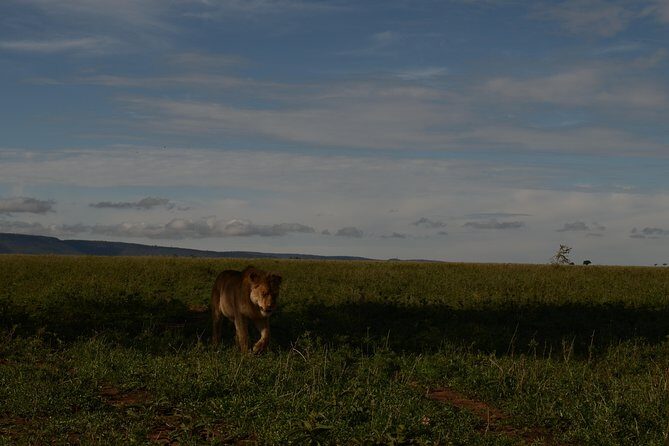
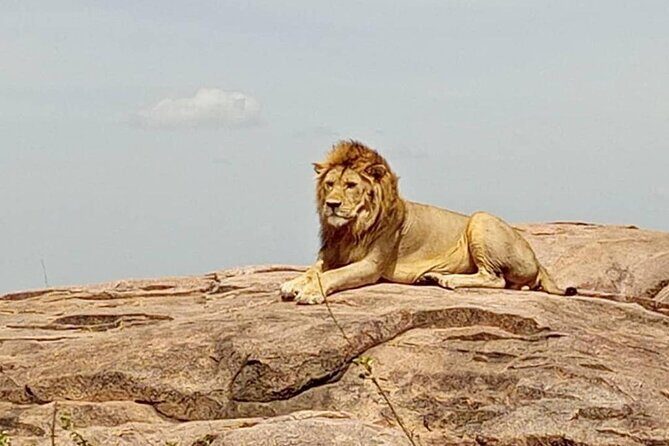
Your day is built with an early wildlife component too. After breakfast, you do a game viewing drive on the Seronera area’s morning circuit, with the route described as looping into plains south of the Seronera River. The hope list includes lion, Thomson’s gazelle, topi, ostrich, and cheetah—species that show up in different patterns across the plains and bush edges.
There’s also a visitor center stop near the Serengeti Seronera Lodge and public campsites. It’s described as worth visiting for wildlife displays plus maps and planning info. That’s a useful break if you want your family to understand what you’re seeing instead of just reacting to it.
Possible drawback: The balloon is weather-dependent by nature, and your itinerary also notes the experience requires good weather. If conditions don’t cooperate, you’ll want to be mentally flexible about what you can do that day.
Day 4 Ngorongoro: The Crater Bowl and the Human-Origins Story
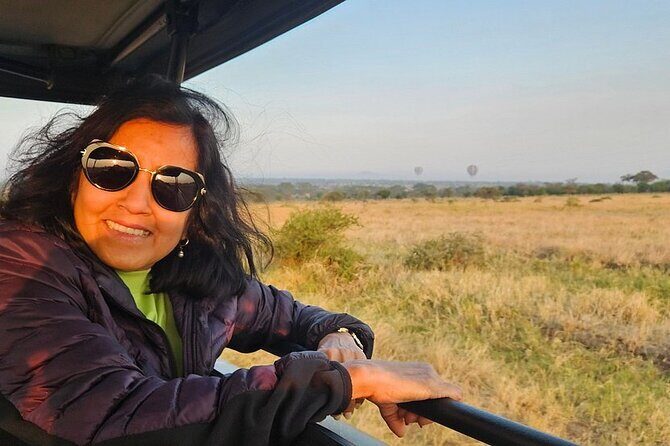
After breakfast at the lodge, you head to the Ngorongoro Conservation Area for a day that blends wildlife viewing with the science-and-history side of Tanzania.
The crater experience is framed around early-day sightings and a deep connection to human evolution. You’re going to gorge into the area at a time associated with classic morning conditions, and you’ll also hear about fossil discoveries made by researchers including Drs. Lois and an anthropologist, with skulls nicknamed Nutcracker Man and Handy Man. That adds meaning to the visit beyond animals alone.
On the wildlife side, the crater is described as a self-contained world where animals gather. You’ll find herds of antelope, zebra, buffalo, eland, warthog, hippo, and elephants—plus a predator mix that includes lions, hyenas, jackals, cheetahs, and the elusive leopard (which tends to require a trained eye to spot).
Why this day is valuable for you: predators plus prey animals in one concentrated setting usually means more chances for real “action” scenes—rather than long stretches of only tracks and distant shapes.
Possible drawback: Ngorongoro is a dramatic setting, but it’s still a wildlife area with moments you can’t control. If you need constant thrills every minute, this kind of safari asks you to tolerate quiet stretches while the guide scans.
Day 5 Ngorongoro for the Morning and Lake Magadi: Flamingo Water in the Crater
Day 5 starts early and includes a major physical change: you descend over 600 meters into the crater. That’s not just a dramatic travel detail; it’s a practical one. Going down changes temperature and how animals move and position themselves, so your viewing can feel different from earlier crater time.
Wildlife expectations in the crater are strong in the description: antelope, zebra, buffalo, eland, warthog, hippo, and African elephants, plus predators like lions, hyenas, jackals, cheetahs, and (again) leopard with careful searching.
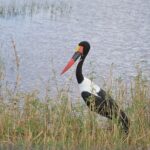
You also visit Lake Magadi, described as a large but shallow soda lake in the southwestern corner of the crater. This is one of the key “different from the usual” stops because it’s not only about big mammals. Lake Magadi supports lots of bird life, including a large variety of flamingos and other water birds, plus hippos.
For a family, this is a smart closing move. It gives you a chance to see the crater’s ecosystem rhythm: grazers and predators in one zone, then birdlife and hippo behavior in another.
Price and Value: What $1,947.50 Covers (and What It Doesn’t)
At $1,947.50 per person for a roughly 5-day safari, you’re paying for access, logistics, and time with a guide across three major areas.
What’s included is the stuff that often surprises people:
- All accommodation
- Professional guide
- Park fees and taxes
- Breakfast (5), lunch (5), dinner (4)
- Transfers to and from the airport, plus pickup from Moshi/Arusha as part of the flow
- Mobile ticket and confirmation at booking
What’s not included:
- Tips
- International flights
From a value perspective, this package is more than “just a place to sleep.” It’s built around paying the cost of park entry and keeping your daily planning handled. If you’ve ever pieced together a safari yourself, you know how quickly that turns into research, phone calls, and uncertainty.
The practical question for you is whether your family wants someone else to handle the moving parts. If yes, this price makes sense as a one-ticket solution.
Lodging and Meals: Mid-Range Comfort Without the Guesswork

The tour is described as mid-range lodging in the jungle area theme, and the inclusion list confirms that all accommodation plus most meals are covered. You’re getting breakfast every day, lunch every day, and dinner for four evenings, which helps you avoid the empty-restaurant problem in remote areas.
Meal coverage also supports pacing. When your safari days run early and long, you want meals you don’t have to chase down. It keeps everyone fed enough for game drives and keeps the day moving.
I’d also treat this as a “sleep well, wake early” style of trip. You’ll likely appreciate comfortable basics more than luxury surprises.
Guides, Jeeps, and the Why-This-Matters Part
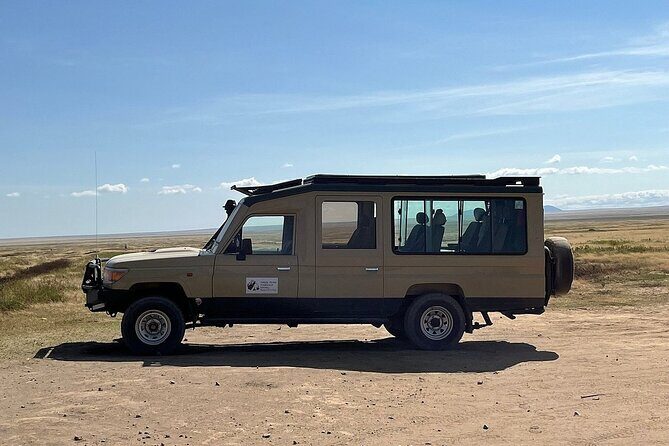
Your experience lives or dies with the guide’s field judgment. In the provided feedback, two names stand out: James and Justine. Both are described with strong themes—excellent, safe, professional guidance, and accommodation when the itinerary needed to shift.
Even without promising miracles, a capable guide improves your odds in a concrete way:
- Better scanning habits for predators and leopard
- Smarter positioning during game drives
- Better pacing between park time and rest breaks
For a family group, that matters. If kids lose patience, a good guide can shift focus to birds, trees, and water behavior while still keeping the hunt going.
Should You Book This 5-Day Family Safari?
If you want a classic Tanzania trio—Lake Manyara + Serengeti + Ngorongoro—in one clean run, this is a strong match. The price includes park fees, guides, and meals, so you’re not left doing logistics gymnastics while your family gets tired.
I’d say “yes” especially if:
- Your family wants a guided safari with structured days
- You’re excited by both birds and big mammals (flamingos at Manyara and Lake Magadi is a nice bonus)
- You want the crater’s concentrated wildlife and predator chances
I’d think twice if:
- Your family needs lots of downtime between drives
- Weather sensitivity (like balloon plans) would cause major disappointment
FAQ
FAQ
How long is the safari?
The tour is about 5 days.
Where does the tour start?
It starts in Arusha, with pickup offered from Moshi/Arusha.
What parks are included?
Lake Manyara National Park, Serengeti National Park, and Ngorongoro Crater/Ngorongoro Conservation Area are included.
Is a hot air balloon included?
No, the hot air balloon is optional and available at an additional cost by pre-arrangement.
What meals are included?
Breakfast is included for 5 days, lunch for 5 days, and dinner for 4 evenings.
Does the price include park fees and taxes?
Yes, park fees and taxes are included.
What is not included in the tour price?
Tips and international flights are not included.
What happens if weather is poor?
The experience requires good weather. If it’s canceled due to poor weather, you’ll be offered a different date or a full refund. You can cancel up to 24 hours in advance for a full refund.
Is this a private tour?
It’s described as private activity where only your group participates. Confirmation is received at the time of booking.