REVIEW · MOROGORO REGION
2-Days 1-Night Nyerere National Park from Zanzibar by flight
Book on GetYourGuide →Operated by New Dream Safaris · Bookable on GetYourGuide
Two days, big safari energy. This trip starts with a scheduled flight from Zanzibar to Mtemere Airstrip in Nyerere National Park (Selous), then strings together a full wildlife day, a Rufiji River boat safari, and a Maasai village visit. It is a smart way to get the safari feel without spending your whole holiday stuck in transit.
What I love most is how the day is paced around real wildlife time. You get a full-day game drive right after arrival, plus a boat safari on the Rufiji River that’s different from any land-based outing.
One thing to consider: hotel pickup in Zanzibar is not included. If you do not plan your transfer to the airport carefully, you could end up stressed instead of safari-ready.
In This Review
- Key things that make this trip worth a look
- From Zanzibar flight to Nyerere’s Selous: fast, practical, and built for time
- The full-day Nyerere game drive: where you’re aiming your eyes
- Food and timing: the little things that keep a safari feeling smooth
- Rufiji River boat safari: hippos and crocs up close (from a safe, scenic angle)
- Maasai village visit: cultural context you can ask questions about
- Africa Safari Selous lodge: mid-range comfort built for real safari days
- Price and value: what $790 covers, and where your money goes
- Who should book this trip (and who might not)
- Should you book Nyerere from Zanzibar by flight?
- FAQ
- How long is the safari?
- Do I fly from Zanzibar to Nyerere National Park?
- Is hotel pickup in Zanzibar included?
- What happens on Day 1?
- What do you do on Day 2?
- What food is included?
- Is there a cancellation option?
Key things that make this trip worth a look
- Flight-first timing: Zanzibar to Mtemere Airstrip by scheduled flight, saving you long overland hours.
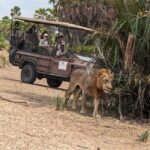
- Big wildlife day: A full-day game drive in Nyerere with a safari jeep and an English guide.
- Rufiji River wildlife: Shared boat safari with hippos, crocodiles, and lots of birds.
- Maasai village culture: Traditional dancing and fire-making using wood, with a guide to explain daily life.
- All-in comfort: Lodge stay at Africa Safari Selous (mid-range) with breakfast plus full board meals during the safari.
From Zanzibar flight to Nyerere’s Selous: fast, practical, and built for time
If your Tanzania trip only has a couple days for safari, this is the kind of plan that respects your time. You begin in Zanzibar, then fly to Mtemere Airstrip in Nyerere National Park (Selous), one of Tanzania’s largest parks. That single move changes the whole feel of the itinerary: you spend your energy on wildlife instead of bouncing between checkpoints.
The trip is also designed to keep momentum. After you land, the safari day starts quickly rather than dragging on with long waits. That matters because game drive quality is tied to the day’s rhythm. Morning and late afternoon are often best for animal activity, and this plan gets you on the road in time to catch those windows.
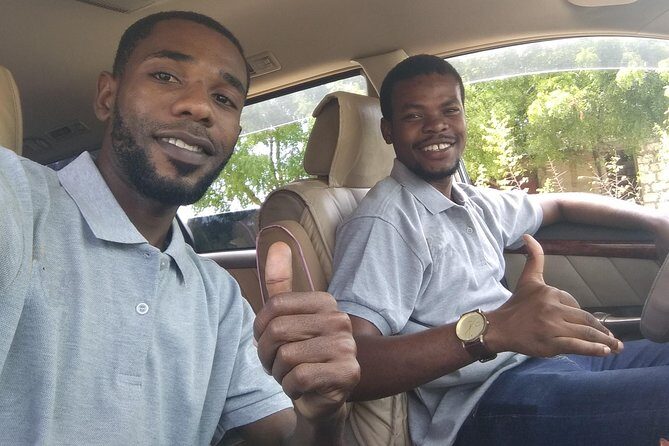
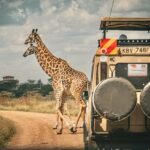
You’ll travel with a safari jeep and a professional English-speaking safari guide. That guide is a key part of the value, because wildlife viewing is not just about luck. You want someone who can read animal behavior and translate what you’re seeing in real time. In one of the trip notes, the guide named Fredy is singled out for making the experience memorable and for handling questions well.
Still, there is one practical detail you should plan around: hotel pickup in Zanzibar is not included. The good news is that pickup can be arranged with the company driver at an affordable price depending on your location. But you still need to coordinate it early, so you arrive at the airport without last-minute scrambling.
You can also read our reviews of more evening experiences in Morogoro Region
The full-day Nyerere game drive: where you’re aiming your eyes
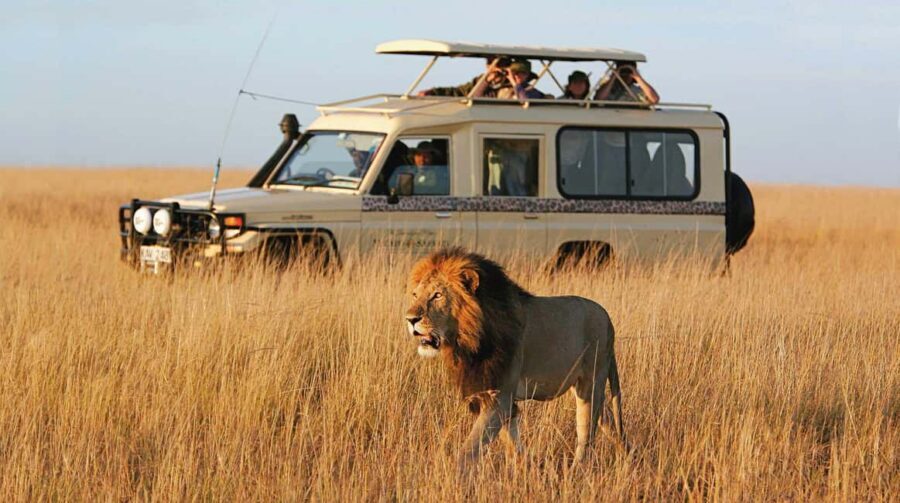
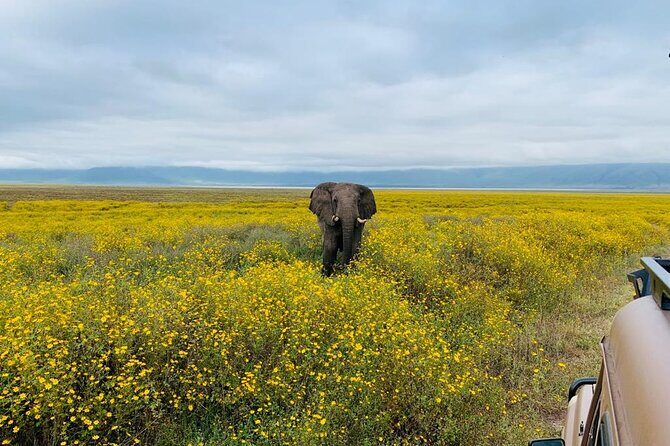
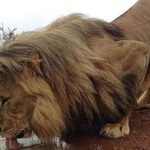
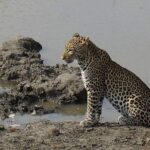
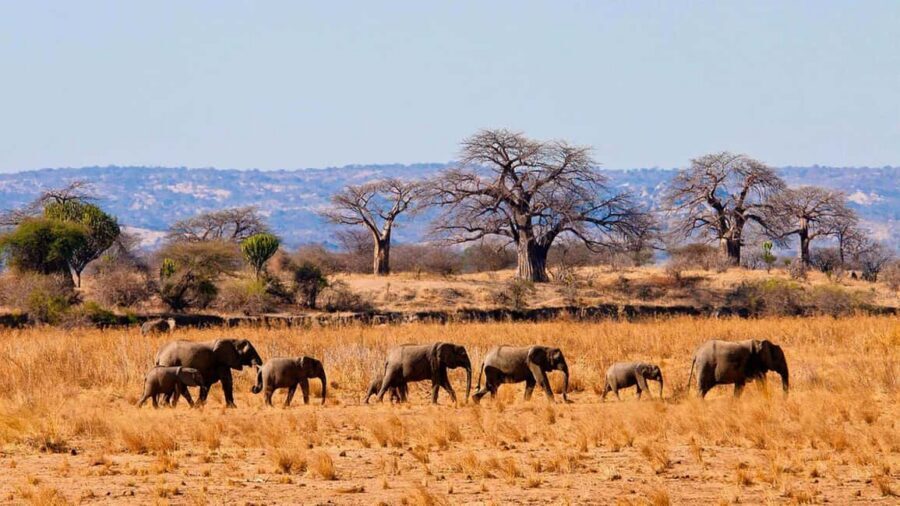
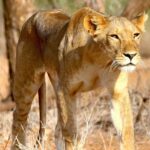
Nyerere National Park (Selous) is the center of gravity here. The safari day is a full outing, with the chance to see the kinds of wildlife that make people fall in love with Tanzania safaris in the first place. The trip highlights wildlife, nature, and the Big Five, and even if your exact sightings vary day to day, you’re in a place built for serious game viewing.
You’ll be out with your safari jeep and a guide, which is what turns a big park into something you can actually experience. A driver can place you in the right areas; a good guide helps you notice the small stuff: tracks, feeding signals, bird behavior, and the way predators often show up as a story rather than a random sighting.
A practical perk: the plan includes a hot lunch inside the national park while you’re still in safari mode. That’s more comfortable than rushing out of the park for a meal and then losing prime viewing time. It also helps with energy. When you’re spending hours scanning the horizon, you want steady fuel, not a mid-day food gamble.
One note on expectations: a safari is never a checklist. You might see plenty of animals, or you might spend a lot of time learning their patterns and locations. Either way, you’re paying for the overall safari experience: the rhythm of drives, the guide’s spotting skills, and the fact that you’re there during an actual full-day block.
Food and timing: the little things that keep a safari feeling smooth
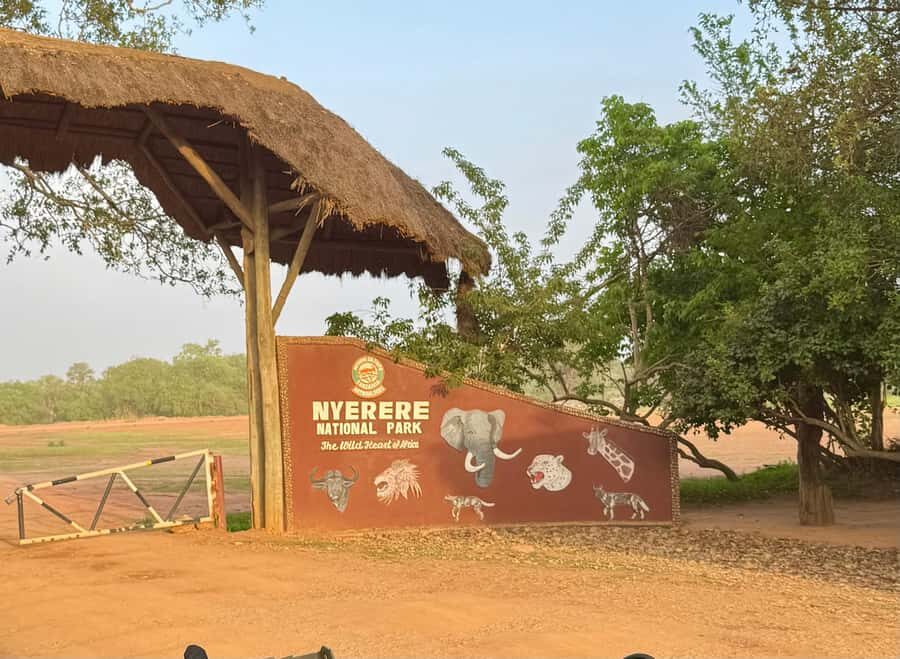
This trip includes meals in a way that makes a short safari work. You get full board on the safari day(s): breakfast, lunch, and dinner are covered, and there are soft drinks included too. That might sound like “standard stuff,” but on a tight schedule it matters a lot. It prevents the classic problem of short trips: you end up spending mental energy on food logistics instead of animals.
Day 1 is structured around being out during the day and then settling in afterward. You start early from Zanzibar, fly in, and begin the game drive right away. Lunch happens inside the park, then you head back to your lodge for relaxation and dinner.
That lodge time is not just for comfort. It’s your recovery window. If you’ve ever done safari in two different time zones, you know your body needs a reset. You’ll want an easy evening to sleep well, because Day 2 includes a boat safari that starts after breakfast.
Day 2 also keeps meals practical. After the boat safari, you’ll visit a Maasai village and then return to the lodge for lunch and downtime before heading back to the airstrip for the scheduled flight.
So yes, this tour packs a lot in. But the meal plan and pacing help it feel organized rather than chaotic.
Rufiji River boat safari: hippos and crocs up close (from a safe, scenic angle)
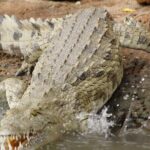
Day 2 has a change of scenery that’s not just nice—it’s smart. A land safari is about scanning and waiting for sightings on paths and clearings. A river safari flips the script. The Rufiji River is Tanzania’s largest river system, and it’s known for large populations of hippos and crocodiles, plus many birds.
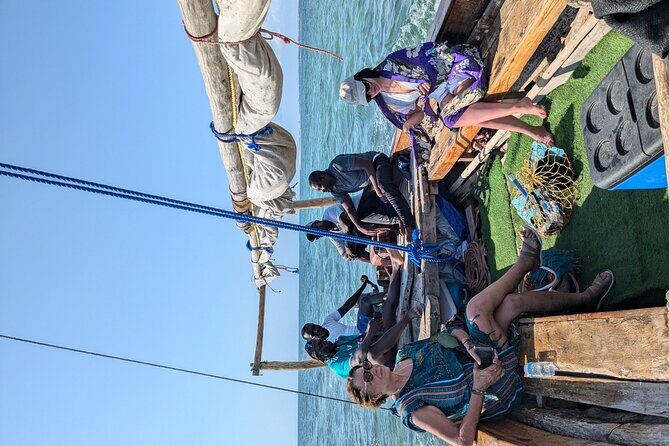
You’ll enjoy a shared boat safari on the Rufiji River. Shared usually means you might be with other guests, but it still tends to feel like a unique experience because the river itself controls the pacing. You are out there looking for movement: hippos breathing and drifting, crocodiles along the banks, and birds rising fast when something disturbs the water.
The trip also notes that with luck, you may see elephants and giraffes swimming across the river or relaxing along the sandy banks. That’s one of those “don’t count on it, but be ready for it” moments. When it happens, it’s memorable because it feels different from the usual safari scenes.
From a value standpoint, I like adding the boat day because it broadens what you’re paying for. You’re not just doing the same pattern twice. You’re experiencing the park ecosystem in another way—water edges, animal habits around rivers, and the kind of close-up wildlife that land drives can’t replicate.
Maasai village visit: cultural context you can ask questions about
After the boat safari, the itinerary includes a visit to a Maasai village. This part matters because it adds human culture to the natural focus of the park days. You learn about Maasai culture and traditions, including traditional dancing and fire-making using wood.
What I appreciate here is that you do not just watch. The visit includes explanation from a local guide and time to ask questions. That turns it from a quick photo stop into something more grounded. You get a chance to understand daily life, beliefs, and traditions in a way that can actually change how you see the region.
Now, a small caution: cultural visits can vary depending on group dynamics and timing. You’ll want to come with a respectful mindset and keep questions open-ended. If you ask good questions, you usually get a better answer.
Also, if you are sensitive to long walking or time outdoors, plan for it. The tour includes dancing and a fire-making demonstration, so it’s not just sitting in one spot.
A few more Morogoro Region tours and experiences worth a look

Africa Safari Selous lodge: mid-range comfort built for real safari days
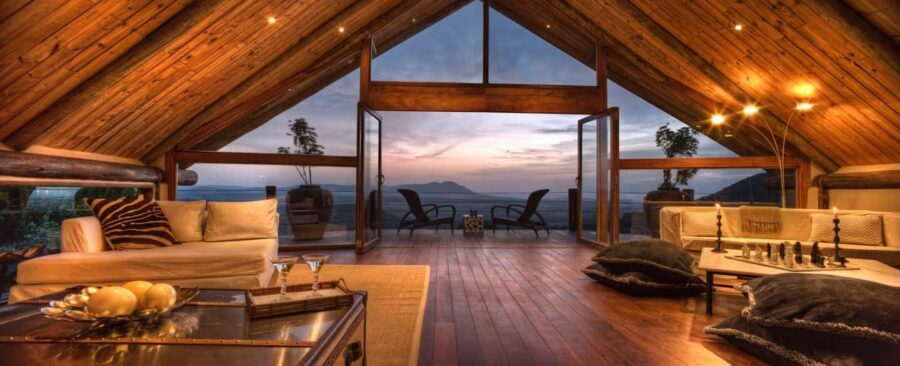
Your accommodation is at Africa Safari Selous (mid-range). The biggest practical win of choosing a lodge like this for a short trip is that it supports early starts and active days. You’ll have dinner after Day 1, and you’ll return for lunch and relaxation on Day 2 before flying back to Zanzibar.
In the trip feedback, guests describe the lodge as comfortable and beautiful, which lines up with what you want after a day that’s part driving, part searching, part waiting. You’re not looking for luxury spa vibes. You’re looking for clean comfort, a good night’s sleep, and a setting that feels calm when the safari adrenaline finally stops.
Because you’re staying only one night, the lodge’s role is mostly recovery. But it affects your whole trip quality. Sleep well and you’ll enjoy the boat day more. Don’t sleep well and everything feels longer.
Soft drinks being included helps too. It’s one of those small conveniences that keeps the day feeling handled.
Price and value: what $790 covers, and where your money goes
At $790 per person for a 2-day, 1-night safari from Zanzibar by flight, you’re paying for a package that includes the heavy lifting. What you get is not just a game drive and a lodge bed. The package includes:
- Flights go and return
- Accommodation
- Meals: lunch, dinner, and breakfast (full board during the safari portion)
- Safari jeep
- Professional safari guide (English)
- Soft drinks
- Park fees
- Boat safari on the Rufiji River
That’s a lot of included costs for a short itinerary, and it’s exactly why the price makes sense for the right traveler. Flight-based safari trips typically cost more because you’re paying for time saved and reduced friction. In exchange, you get a clean schedule and fewer moving parts.
Where you should watch value is in your Zanzibar logistics. Since hotel pickup is not included, you may pay extra depending on where you stay. If you’re far from the airport or getting to the airport is complicated, factor that into your total budget.
Bottom line: if you want safari without a two-day overland slog, this price can feel fair. If you love road trips and you’re comfortable arranging flights and park entry yourself, you might find cheaper DIY options. But you would be trading convenience for work.
Who should book this trip (and who might not)
This safari fits best if you:
- Want a short safari hit from Zanzibar with minimal travel hassle
- Like the idea of seeing wildlife from both jeep and boat
- Prefer a plan with meals handled and a guide to keep things organized
- Are okay with a private group format and want English support throughout
You might think twice if you:
- Need guaranteed hotel pickup in Zanzibar without extra planning
- Prefer unhurried pacing and dislike packed days
- Want a safari that is purely nature-based with no cultural stops
If you are the type who enjoys checklists but also enjoys surprises, this itinerary delivers. You get a structured day that still leaves room for wildlife serendipity—especially on the Rufiji River.
Should you book Nyerere from Zanzibar by flight?
I’d book it if you want the safari core, fast. The combination of flying into Nyerere, doing a full game drive, then switching to a Rufiji River boat safari gives you two different ways of seeing wildlife in one compact schedule. Add the Maasai village visit, and the trip becomes more than just animals on repeat.
The main reason I’d pause is the Zanzibar pickup detail. If you stay in a convenient spot and you plan your airport transfer early (or arrange the optional pickup), the trip should feel smooth. If you leave that part to chance, you’ll feel the stress before you even reach the park.
If you want a practical, well-run 2-days/1-night safari that actually gets you into Nyerere’s wildlife zone quickly, this one is a strong choice.
FAQ
How long is the safari?
It’s 2 days / 1 night.
Do I fly from Zanzibar to Nyerere National Park?
Yes. The trip includes return flights. After the outbound flight you arrive at Mtemere Airstrip in Nyerere National Park.
Is hotel pickup in Zanzibar included?
Hotel pickup from Zanzibar is not included, but pickup can be arranged through the company driver for an affordable price depending on your location.
What happens on Day 1?
Day 1 includes arrival by flight, a full-day game drive safari in Nyerere National Park, hot lunch inside the park, then dinner at your lodge.
What do you do on Day 2?
Day 2 includes breakfast, a shared boat safari on the Rufiji River, a visit to a Maasai village, lunch at the lodge, and then a scheduled flight back to Zanzibar.
What food is included?
The package includes breakfast, lunch, and dinner during the safari portion (full board), plus soft drinks.
Is there a cancellation option?
The trip offers free cancellation up to 24 hours in advance for a full refund. There is also a reserve now & pay later option.