REVIEW · MOSHI
6 Days Tanzania Budget Camping Safari with Migration
Book on Viator →Operated by MERU SLOPES TOURS AND SAFARIS · Bookable on Viator
Watching the herd move is pure drama. This 6-day budget camping safari is built around Serengeti’s Great Migration timing and then caps it with Ngorongoro Crater big-five days. You get hotel nights in Arusha town, park game drives by professional guides, and full-board-style meals that keep you focused on wildlife instead of logistics.
Only watch one thing: the schedule starts early, and you’ll spend a lot of time on the move in a group, so the comfort level is basic and the pace is not gentle.
In This Review
- Key highlights to expect
- The Serengeti Great Migration is the headline, and it matters
- Tarangire National Park: elephants, baobabs, and the first real game drive
- Serengeti arrival: sunset drives and why the camp location helps
- The full migration day: positioning beats guessing
- Sunrise play in Serengeti, then Ngorongoro reposition
- Ngorongoro Crater: big-five viewing in an inactive volcanic bowl
- Lake Manyara plus hot spring and Maasai boma: variety before the finish
- What budget camping safari really feels like day to day
- Price and logistics: where the $1,650 value comes from
- Guides and camp food: the human side of a safari
- Who should book this safari, and who should pause
- Should you book this 6-day Tanzania budget migration camping safari?
- FAQ
- FAQ
- What locations does this 6-day safari include?
- What’s the price and how long is the trip?
- Does the tour offer pickup?
- What time does the experience start?
- Is a mobile ticket provided?
- What wildlife focus is included for the Serengeti portion?
- When are the best odds for seeing the migration?
- What about Ngorongoro Crater and the big five?
- What meals are included?
- What is not included in the price?
- What’s the cancellation policy?
Key highlights to expect
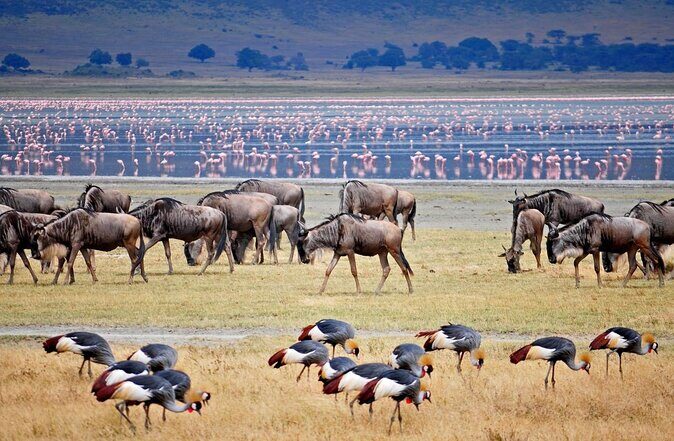
- Great Migration focus: your driver positions you in the areas most likely to hold wildebeest movement and crossings
- Ngorongoro Crater big five: crater game drives include the black rhino possibility and dense wildlife viewing
- Hands-on cultural stop at Mto wa Mbu: walking tour options with local food and village life
- Lake Manyara variety: climbing tree lions (when conditions allow), flamingos, and a hot spring visit
- Good value package: park fees, taxes, pickup/drop-off, and meals are built in for a budget-style itinerary
The Serengeti Great Migration is the headline, and it matters
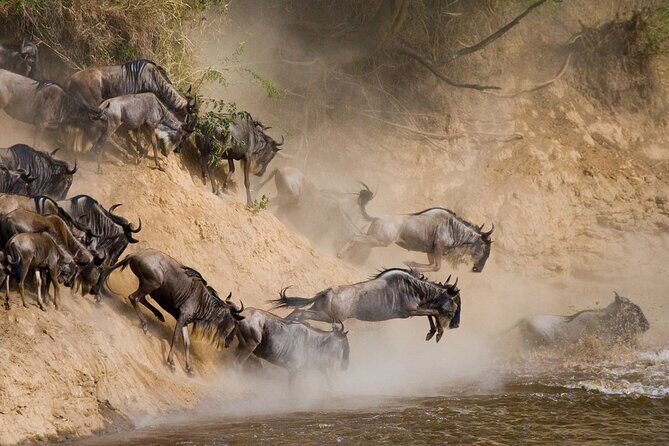
This safari is designed around following wildebeest as their circular route shifts through the ecosystem. The idea is simple: you’re not just doing one generic Serengeti day. You’re aiming to be in the right region when the herds are moving and when predators are ready to take advantage.
Here’s the practical part. The Great Migration timing changes year to year, so nobody can promise one exact moment. But the tour’s stated best odds are clear: June through September is the strongest season for spotting migration activity. And for July through September, the focus is on the northern Serengeti sector where crossings of the Mara River can happen. In other words, you’re planning around the period when the herds are most likely to put on a show.
I also like that the itinerary explicitly assumes you’ll adjust your drives to match where animals are that day. That approach is what you want in migration country: flexible positioning beats waiting for wildlife to come to you.
A few more Moshi tours and experiences worth a look

Tarangire National Park: elephants, baobabs, and the first real game drive
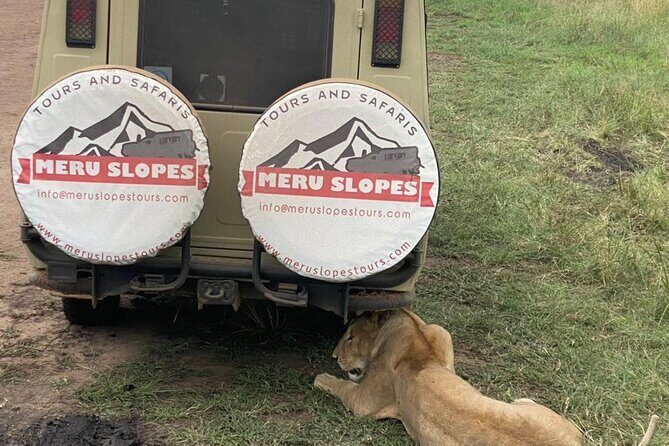
Day one kicks off with a pickup from your hotel, listed around 8:00 am, then a long transfer into Tarangire National Park. Tarangire is about 115 km from Arusha, and the drive time can add fatigue—so I’d treat this first day as your “get in rhythm” checkpoint rather than an easy start.
Once you’re in, Tarangire earns its fame with big concentrations of wildlife at the water sources. The park is named after the Tarangire River, where animals gather to drink. You’ll likely see plenty of elephants first, plus the kind of varied scenery that makes drives feel different from each other—baobab trees, rock and river corridors, and the moments when you spot animals high in branches.
This is also where you get a taste of the safari theme that runs through the whole trip: Tarangire has a mix of big beasts and smaller surprises. The itinerary notes climbing trees, pythons, lions, leopards, and birds. Even if you don’t get every species every day, the diversity keeps the drives interesting.
Best practical tip: bring gear for dust and early light. This is Tanzania’s savanna rhythm—sun, wind, and dry air. If you’re set up for it from day one, the rest of the week feels smoother.
Serengeti arrival: sunset drives and why the camp location helps
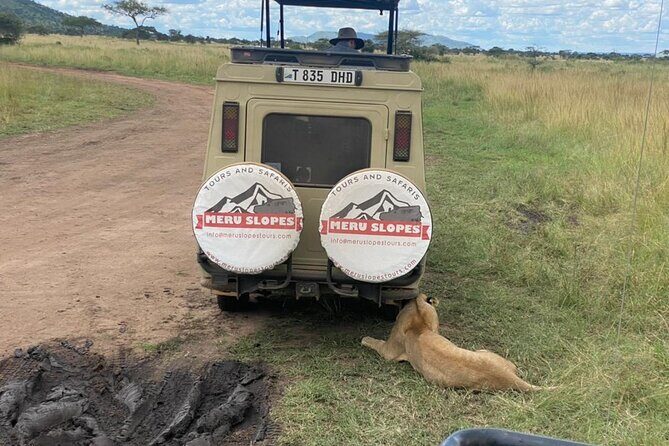
On the second day, you transition from transfer mode to Serengeti mode. The plan has you leaving after breakfast, doing an en-route game drive with time for views like the Rift Valley and even lookouts tied to Ngorongoro from the route. You arrive in Serengeti around mid-afternoon (the itinerary says about 3:00 pm), which gives you a useful split: travel plus an actual wildlife window.
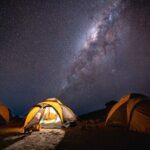
That evening game drive in central Serengeti is a smart move. Predators and grazers often behave differently after the heat drops, and sunset light makes animal spotting and photography easier. Then you sleep at a campsite inside Serengeti (the itinerary names Seronera campsite), which means you don’t lose time driving back and forth.
In a budget camping safari, time is the real currency. The closer you are to the action, the more “game drive hours” you get. I prefer itineraries that avoid long, wasted reposition drives after dark, and this one follows that logic.
The full migration day: positioning beats guessing
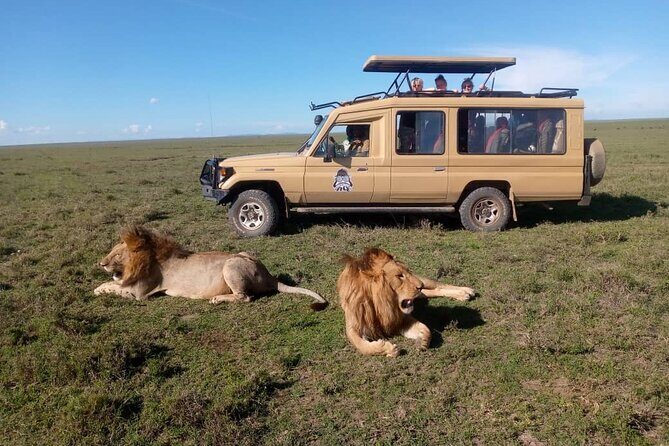
Day three is built for the migration chase. The rhythm is early: you wake for breakfast, then head out for a full-day game drive with time for lunch inside the jeep. The itinerary is clear that you’ll spend the day in key Serengeti areas, with the stated goal of following where the wildebeest migration is.
Why this matters is timing. Migration sightings depend on where the animals are feeding, crossing, or moving with the rains and grass patterns. You can’t control the herd. But you can control your starting point, your drive strategy, and your willingness to go where the action is likely to be.
This day is where the tour’s seasonal logic becomes important. If you’re traveling June to September, your odds improve. And if you’re traveling specifically July to September, you’re more likely to hit the Mara River crossing window that the tour targets. Still, think of it like aiming for a target, not a guaranteed event. When you’re in the right zone, the excitement can be intense—especially when predators track the herd.
Sunrise play in Serengeti, then Ngorongoro reposition
Day four is a classic safari double-step: sunrise wildlife, then a strategic move toward Ngorongoro. You’re waking around 5:45 am for sunrise viewing inside Serengeti, then doing an early morning game drive until late morning (the itinerary references timing up to 11:30 am). After that, you return to camp for a hot lunch, pack, and go back out for driving while heading toward Ngorongoro.
The key value here is pacing. You’re not spending the whole day trapped in one vehicle with no plan. You’re catching the best wildlife hours first, then repositioning before the crater day. By traveling this way, you reduce the risk of arriving late to the crater area and losing your best viewing time inside it.
You’ll sleep at a campsite named Simba campsite near Ngorongoro, then dinner and overnight there. In a budget camping setup, these transitions are part of the deal, so it helps that the itinerary is structured and predictable.
A few more Moshi tours and experiences worth a look
Ngorongoro Crater: big-five viewing in an inactive volcanic bowl
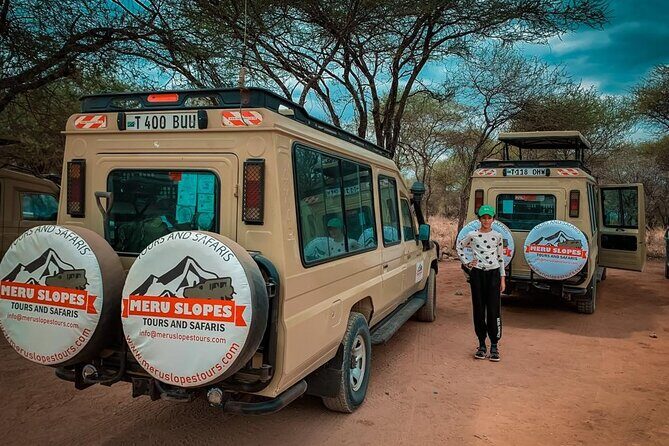
If Serengeti is about movement, Ngorongoro is about concentration. This crater is described as the world’s largest inactive, unbroken and unfilled volcanic caldera. The big idea inside Ngorongoro is isolation: animals descend into the crater and can’t simply walk out the same way, which creates dense wildlife viewing.
On day five, you wake around 5:30 am, descend into the crater floor, and spend hours on crater game drives. The itinerary is explicit that this is where you’ll have a chance at all the African big five. It specifically calls out black rhino, elephants, lions, buffalo, and leopards—plus plenty of birds.
Lunch inside the crater is one of those details that turns the day from a drive into an experience. Eating while watching flamingos and other wildlife from a fixed viewpoint gives you a calmer rhythm. Then you spend about 6 to 7 hours on crater terrain before ascending back out.
Afterward, the itinerary shifts from wildlife to culture. You visit Mto wa Mbu for a walking tour, including banana plantations and opportunities to taste local food. Mto wa Mbu is described as having an active cultural programme that shows visitors traditional daily life through activities and community projects. It’s a good counterbalance after hours in the jeep.
Reality check to keep expectations honest: Ngorongoro is a controlled-viewing environment, but animals are still animals. Big-five sightings are possible, not guaranteed every single day. Still, compared with many safari circuits, this is one of the best places in Tanzania to maximize odds of multiple iconic species in a single day.
Lake Manyara plus hot spring and Maasai boma: variety before the finish
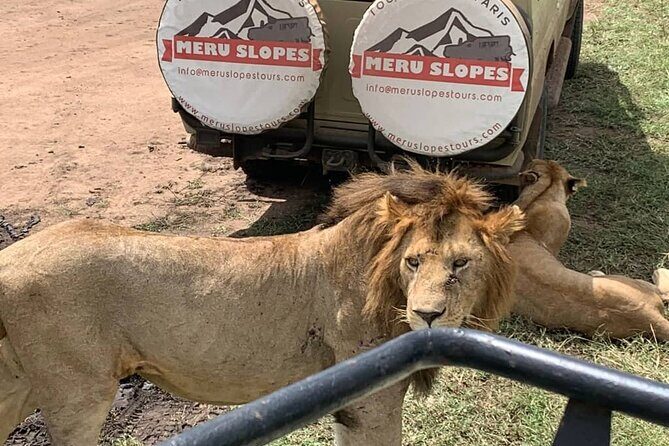
Your final day blends classic wildlife stops with two different cultural flavors. After breakfast, you head to Lake Manyara National Park for a full day of game drive time. The itinerary highlights a few signature moments:
- Climbing tree lions, which are linked to certain habitats and can show up when conditions are right
- Flamingos drawn to the algae in the lake
- A hot spring visit
Lake Manyara is often a “fewer species, different species” kind of park compared with Serengeti. So you’re not getting the same feel twice in one week, and that’s a good thing.
Then you go to a Maasai boma to see how people live and learn culture and traditions. That visit isn’t meant to replace the village walk at Mto wa Mbu; it’s more of a second lens at the end of the safari—another chance to understand Tanzanian life beyond the wildlife focus.
Finally, you drive back to town for dinner and overnight. This matters because it keeps you from ending the week with more driving than you can handle after a full final game day.
What budget camping safari really feels like day to day
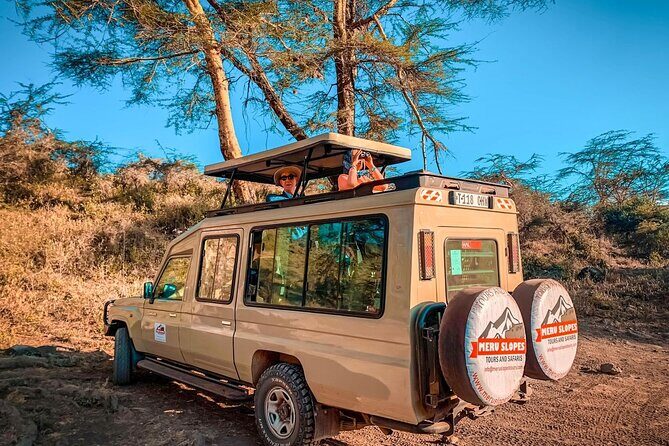
This is a camping-style safari, but it’s not “roughing it with zero support.” The package includes hotel accommodation in Arusha town, plus meals and water during the safari portion. It also includes unlimited mineral water and emergency rescue. There’s also free WiFi inside the safari jeep, which is helpful for checking messages and keeping your trip documents accessible.
You’ll also be in a small group. The tour is capped at a maximum of 15 travelers, which is important in safari-country. Smaller groups generally mean fewer bottlenecks on drives and less noise in spotting areas.
The rhythm is also consistently early mornings. You’ll see wake-up call times around 5:00 am to 5:45 am on multiple days. That doesn’t make the experience bad—it just means you’ll want to sleep fast, pack smart, and keep expectations aligned with dawn wildlife.
One thing I really appreciate from this itinerary style is that the driving days are broken up with real game-drive blocks. Even on days that include transfers, the plan tries to keep wildlife time meaningful instead of treating the day like an endless road trip.
Price and logistics: where the $1,650 value comes from
At $1,650 per person for about 6 days, this is priced for people who want the big Tanzanian highlights without paying for a private, high-end lodge package.
So what are you actually getting for that money?
Included items (as listed) cover:
- Professional guide/driver
- Hotel pickup and drop-off
- All taxes and fees
- Meals: 4 breakfasts, 5 dinners, and 6 lunches
- Unlimited mineral water
- Free WiFi inside the jeep
- Emergency rescue
- Hotel accommodation in Arusha town
Not included:
- Tips
- Visa
This is where value lives. Park fees and taxes usually add up quickly on safari circuits, and the itinerary lists “all taxes, fees” as included. That means you can budget for the big essentials once you book, rather than dealing with surprise add-ons at the parks.
One logistical detail to be aware of: the meeting/start time is listed as 7:30 am, while day-one pickup is described as 8:00 am. I’d treat this as “morning departure around that window,” and confirm your exact pick-up time in your booking confirmation.
Guides and camp food: the human side of a safari
A safari isn’t only about animals. It’s about how you’re handled during the long hours: finding sightings, keeping the group on schedule, and making meals taste good after dawn drives.
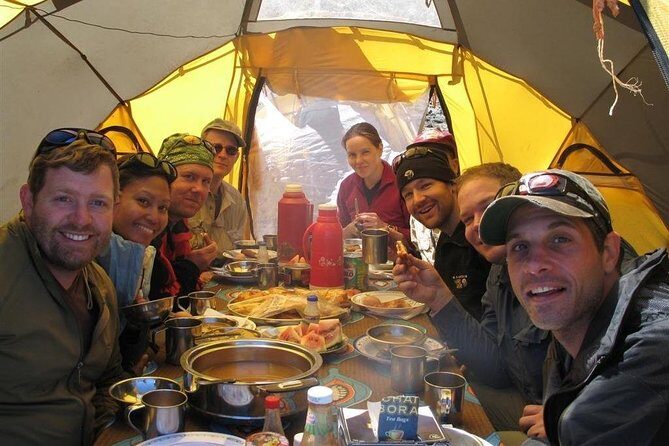
There are repeated signals that this operator runs with a team that cares about service. Names that show up in the experience include managers such as Kelvin and Jerome (booking and communication), guides such as Robert, Florian, Fidelis, Douglas, Mohammed, Daniel, and chefs including Johannes, Gideon, and Yohane. If you end up with that kind of team chemistry, you’ll feel it in practical ways: meals that keep the group energized, guiding that focuses on what you can actually see, and a pace that helps you maximize daylight.
One more small but meaningful detail: people have noted the food quality and the way dietary needs were handled. If food matters to you on safari, that’s a strong checkmark.
Who should book this safari, and who should pause
This trip is a strong fit if:
- You’re laser-focused on Serengeti migration timing and want a route that actually tries to follow it
- You’re okay with early mornings and lots of time in a jeep
- You want big-ticket parks like Serengeti and Ngorongoro without stepping into ultra-luxury pricing
- You like the trade-off of camping for more time outside and more wildlife hours
You might want to think twice if:
- You expect hotel-level comfort the entire week (the safari portion is camping-based)
- You hate group dynamics, since the max group size is up to 15
- You only want a perfectly predictable schedule with zero adaptation. Migration drives require flexibility by nature.
Should you book this 6-day Tanzania budget migration camping safari?
I’d book it if your top goal is to chase the Great Migration with a plan tied to the strongest seasons (June to September) and a crater day that brings a high chance of iconic species. The itinerary structure is practical: start early in Serengeti, reposition for Ngorongoro, then finish with Lake Manyara’s mix of wildlife and hot spring culture stops.
But be honest with yourself: this is a budget camping safari with an active pace. If you want a relaxed, slow vacation, pick a different style. If you want the kind of trip where the day starts before the sun and wildlife becomes the main event, this one makes sense.
FAQ
FAQ
What locations does this 6-day safari include?
It includes Tarangire National Park, Serengeti National Park, Ngorongoro Conservation Area (Ngorongoro Crater), Lake Manyara National Park, plus a cultural walking tour at Mto wa Mbu and a Maasai boma visit.
What’s the price and how long is the trip?
The price is $1,650 per person, and the duration is listed as about 6 days.
Does the tour offer pickup?
Yes. Hotel pickup and drop-off are included.
What time does the experience start?
The meeting point/start time is listed as 7:30 am.
Is a mobile ticket provided?
The experience features include a mobile ticket.
What wildlife focus is included for the Serengeti portion?
The safari is centered on Serengeti Great Wildebeest Migration, with the driver following where the migration is likely to be, including targeting the northern Serengeti area for Mara River crossings during July to September.
When are the best odds for seeing the migration?
The itinerary states the best chance is during June up to September.
What about Ngorongoro Crater and the big five?
The itinerary states you can see all the African big five in Ngorongoro Crater, including black rhino, elephants, lions, buffalos, and leopards.
What meals are included?
The included meals are listed as 4 breakfasts, 5 dinners, and 6 lunches, plus unlimited mineral water.
What is not included in the price?
Tips and your visa are not included.
What’s the cancellation policy?
Free cancellation is offered up to 24 hours in advance for a full refund. If you cancel less than 24 hours before the start time, the paid amount is not refunded.