REVIEW · TANZANIA
6 days Machame route climbing Mt.Kilimanjaro
Book on Viator →Operated by Kilisa Tours & Safaris · Bookable on Viator
Kilimanjaro rewards patience, and this Machame climb fits it well. Over 6 days you’ll move from montane forest to high alpine desert, with smart altitude pacing and strong back-up gear that helps you focus on walking, not worrying. I like that the experience runs with a safety-first mindset and proper mountain staffing, and I really enjoy the human side—singing, dancing, and certificate day at the end.
What I like most is the practical altitude support. You get portable oxygen tanks and an ox meter, plus an emergency first-aid kit and rescue team fees built into the plan, so there’s less guesswork if conditions turn rough. The other thing I loved is how the days are paced to earn altitude benefits: you gain, you step higher, then you descend to reset your breathing before pushing again.
One possible drawback: this is a tough climb with long days and cold nights, including a very early summit push. If you’re not already training and comfortable with steep, rocky trail, you may find the Machame rhythm overwhelming.
In This Review
- Key highlights on the Machame Route with Kilisa Tours & Safaris
- First morning: Moshi pickup, gate day, and the muddy forest start
- Day 1 to Day 2: Machame to moorland, then Shira Plateau’s exposed cold
- The big test: Lava Tower and the semi-desert grind
- Day 4 and the Barranco Wall: alpine desert, Karanga Valley, and careful water timing
- Summit night rhythm: 23:30 start, Stella Point sunrise, and Uhuru Peak success
- Day 6 finish: celebration, certificates, Mweka Gate, and Moshi showers
- Price and value: what $2,290 buys you on a Machame climb
- Group size, pacing, and who this route suits best
- Local operator strengths I’d bet on again
- Should you book this Machame Route climb?
- FAQ
- What’s the start time and where does this tour begin?
- Are airport transfers included?
- What camping and comfort items are included?
- What meals are included during the trek?
- Is oxygen support provided?
- What altitude milestones are part of the trip?
Key highlights on the Machame Route with Kilisa Tours & Safaris
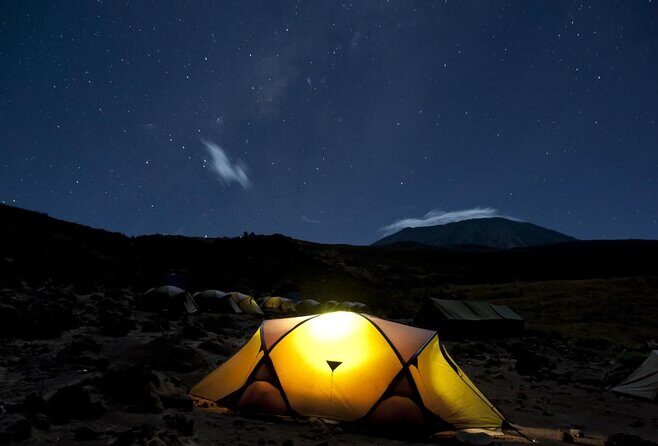
- 4-season mountain tents and double-layer sleeping mats for colder camps
- Portable oxygen tanks and an ox meter as part of the safety setup
- Treated, filtered drinking water plus a clear plan for washing water
- Altitude pacing that includes Lava Tower → Barranco, which helps acclimatization
- Uhuru Peak push from Stella Point timed for sunrise when weather allows
- Green and gold completion certificates plus a celebratory downhill finish in Moshi
First morning: Moshi pickup, gate day, and the muddy forest start
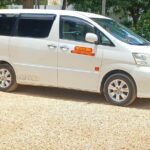
Your climb starts with an early routine that’s easy to understand. You’re picked up from the meeting point at Kilimanjaro Airport Road (and the tour also includes private transport to and from the airport to your Moshi accommodation), so you’re not trying to coordinate buses while your legs are still in “easy mode.”
After that, you’ll be driven toward Machame Village. Here’s the small detail that matters: if road conditions aren’t great, you may do a muddy 3 km walk that takes about an hour just to reach the gate area. That first day is often where people underestimate the feel of Kilimanjaro walking—thick forest, damp footing, and trail that can get soggy fast if rain shows up.
Then comes the real vibe shift. The hike enters the rain forest almost immediately, so expect slippery, muddy footing and the kind of misty air that soaks your clothes. You’ll have a packed lunch, and you’ll also stop partway for a welcome meal before reaching the Machame camping area in the late day.
Two practical notes I strongly recommend:
- Wear shoes that handle mud and have real grip. This is not the day for brand-new sneakers.
- Bring a rain jacket you’ll actually use. A poncho helps, but only if it won’t catch on gear while you climb.
A few more Tanzania tours and experiences worth a look
Day 1 to Day 2: Machame to moorland, then Shira Plateau’s exposed cold
Day 1 is around 7 hours and roughly 18 km, moving through montane forest. Even if you’re feeling fine at the start, save some energy. The goal is to settle in, not “win” the first day.
Day 2 starts at Machame camp and keeps you in motion for about 6 hours, roughly 9 km. After an early climb up through the top of the forest, you transition to the moorland zone. This stretch is where you’ll feel the air get thinner, but the gradient is gentler than the rocky days to come.
From there, you continue onto a rocky ridge toward the Shira plateau. This is when the scenery starts to open up—on clearer moments you can spot the Western Breach with its glaciers, and you’ll also get views toward Kibo. You’ll reach the Shira campsite at about 3,840 m, which is high enough to remind you that you’re climbing, not strolling.
Sleeping at Shira can be brutally cold. Temperatures can drop below freezing, and the camp feels exposed compared to the forest days. The plan includes dinner after your crew boils water for drinking and washing, which is a big deal for comfort and cleanliness at altitude.
Here’s how to make this second day work for you:
- Keep your breathing steady and slow, even if you feel okay.
- Eat the lunch and dinner you’re given. At altitude, appetite can be weird, but skipping meals makes the next day harder.
The big test: Lava Tower and the semi-desert grind
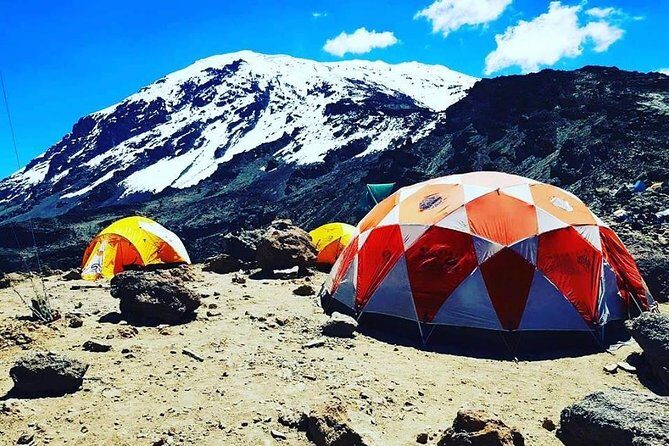
Day 3 is the toughest day so far. You’ll hike about 7 hours and around 15 km through semi-desert and rocky terrain around Lava Tower. You’ll climb to approximately 4,630 m after about 5 hours.
This is also the day where many people start to notice altitude symptoms—breathlessness, irritability, headaches. The key isn’t to panic. It’s to slow down, drink water, and tell your guide early if you’re feeling off. The presence of an ox meter and portable oxygen tanks matters here because it supports faster decision-making if someone’s not adjusting well.
You’ll have lunch in a designated area, then continue up the rocky scree toward Lava Tower itself. This is a classic “work for every step” moment. Scree can feel like you’re slipping even when you’re doing everything right—so your best tool is rhythm: short steps, firm footing, steady pace.
Then comes a smart recovery move. After lunch, you descend about 680 m to the Barranco camping area, reaching around 4,600 m at Lava Tower/before the next camp area. That descent is often what makes Day 3 acclimatization actually stick. The walking may feel harder at the top, but the body gets a chance to reset.
Day 4 and the Barranco Wall: alpine desert, Karanga Valley, and careful water timing
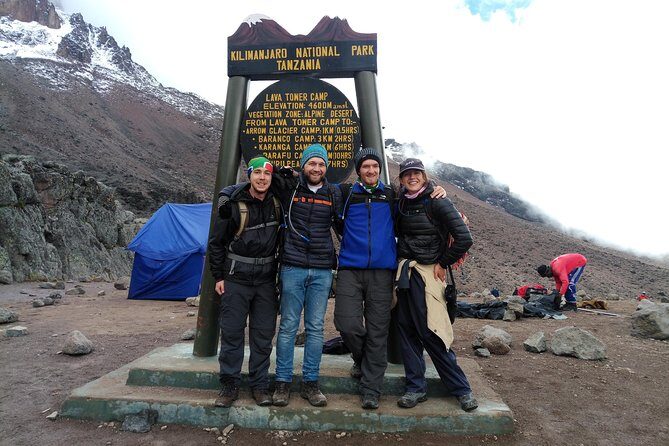
Day 4 runs about 7 hours and around 13 km. You’ll start from Great Barranco Wall, and yes—the Wall looks intense at first. The good news is that it often ends up easier than your brain expects once you’re actually climbing it. Still, treat it like a real obstacle: take your time, use the rhythm your guide gives you, and don’t rush the tricky bits.
Once you top out just below the Heim Glacier, you’ll get a clear sense of Kilimanjaro’s scale and beauty. Then the trail heads down through the Karanga Valley and over ridges and valleys, joining up with the Mweka route. The day leads you to Barafu Hut, where you’ll rest before the summit push.
Here’s an important practical detail: there’s no water at Barafu camp. The last water stop is the Karanga Valley. So even if you think you’ve got enough, drink what they recommend when you have the chance. Carrying extra water in the cold can be annoying, but running short near Barafu can be worse.
The Barafu portion is also where you should think about gear comfort. You’ll likely feel colder with each hour, and you’ll need to be ready for a very early wake-up the next night.
Summit night rhythm: 23:30 start, Stella Point sunrise, and Uhuru Peak success
Day 5 is the big one. You rise around 23:30, then you shuffle out into darkness with tea and biscuits. From there, you head through heavy scree toward Stella Point on the crater rim.
This section—roughly a 6-hour walk for many climbers—is mentally and physically the hardest. It’s steep enough to feel relentless, and the cold can make even simple tasks feel difficult. This is where having a well-run team matters. A consistent pace, calm guidance, and quick responses if someone’s struggling can change the whole experience.
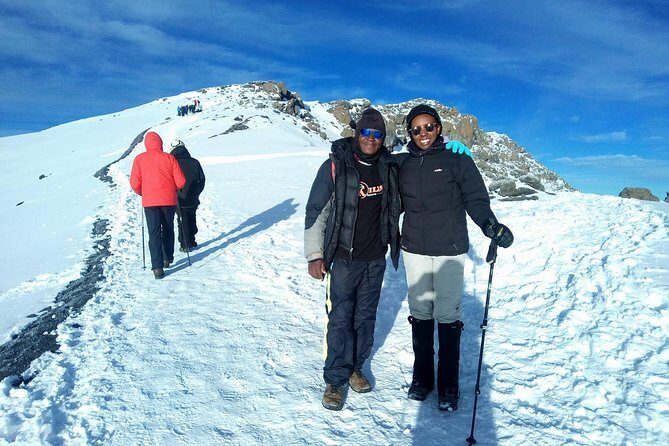
At Stella Point (5,685 m) you’ll get a short rest—and if the weather cooperates, you’re rewarded with the most amazing sunrise you’re likely to see in your life. After that, the climb continues for about 2 hours to Uhuru Peak, generally around 5,895 m, often with snow depending on conditions.
When you’re on the summit, take it in without overdoing it. Celebrate, take photos, and keep moving. Summit time is short for a reason: you’ll need energy for the long descent.
Then it’s down: about 7–8 hours to descend to Mweka. It’s a long day on stone scree, and your knees will remind you that you’re descending, not climbing.
Day 6 finish: celebration, certificates, Mweka Gate, and Moshi showers
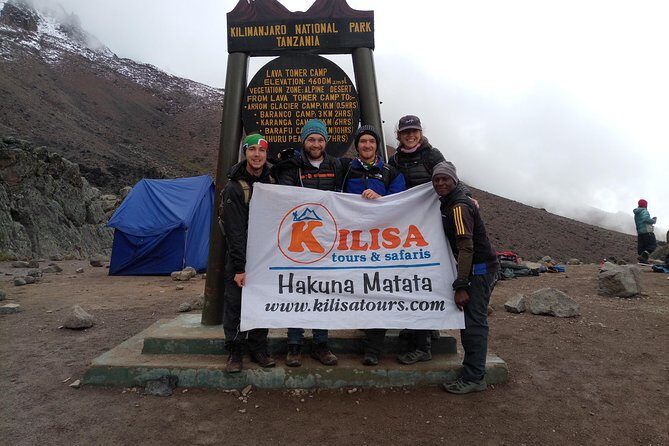
Your last day is shorter on paper: about 3 hours of hiking. But it also hits emotionally. After a well-deserved breakfast, your staff holds a celebration on the mountain with dancing and singing. This is when you hand over your tips to the guide, assistant guides, chefs, and porters.
Then you descend to Mweka Gate. The park requires everyone to sign their names to receive completion certificates. The colors are worth remembering:
- If you reached Stella Point (5,685 m), you receive a green certificate.
- If you reached Uhuru Peak (5,895 m), you receive a gold certificate.
After certificates, you continue downhill into the Mweka village for about an hour (around 3 km). Then you’ll get a hot lunch, and the plan drives you back to Moshi for long-overdue showers and more celebrations.
Price and value: what $2,290 buys you on a Machame climb
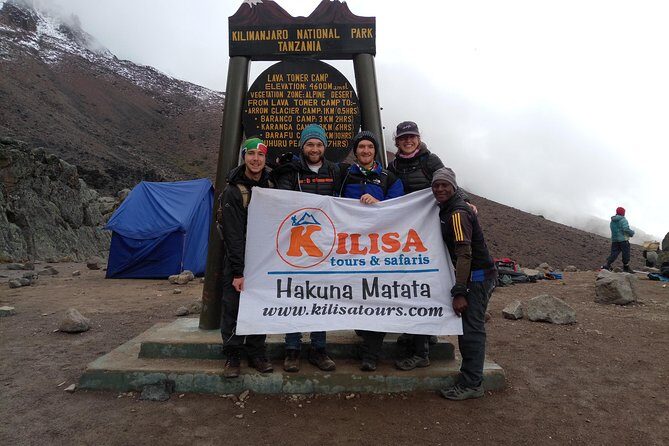
$2,290 per person isn’t “cheap,” but for Kilimanjaro it’s in a bracket that makes sense when you look at what’s included. The big value here is that the price covers the whole infrastructure: park and camping fees, transportation to and from the gates, and team rescue fees. Those items add up quickly on your own.
It also includes the comfort stuff that can actually change your experience. You get 4-season mountain tents, double layered sleeping mats, hot water for washing, and treated/filtered drinking water. At altitude, that means fewer miserable nights and better recovery.
The safety angle is also built in: portable oxygen tanks, an ox meter, an emergency first-aid kit, plus government taxes. You still need to manage your own fitness and pacing, but this kind of support is what helps the operator handle problems early, not late.
What’s not included is standard: travel insurance, flights, and tips for your guides/porters. If you’re price-comparing, make sure you also compare what happens if you’re sick, delayed, or need medical support.
Group size, pacing, and who this route suits best
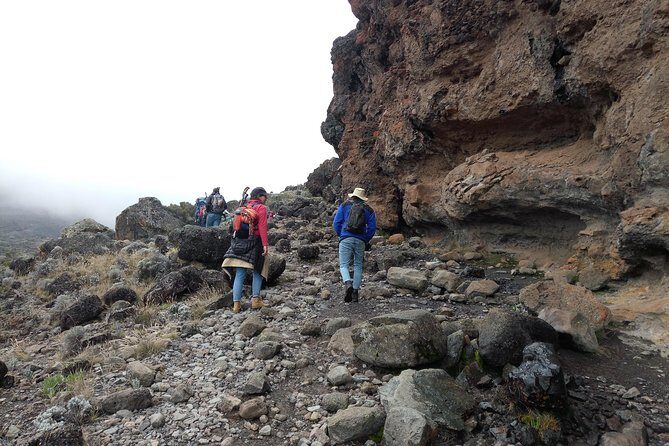
This climb runs with a maximum of 15 travelers. For Kilimanjaro, that’s a decent size—small enough that your crew can notice when someone is falling behind, yet large enough to keep the group energy moving.
You should expect a strong physical fitness requirement. This is not a “walk in the woods” trek. It includes long days, rocky sections, and a summit push at night. If you train with hills, stairs, and endurance work, you’ll find the experience more manageable.
This route is especially a good fit if you want:
- Real acclimatization days (Lava Tower and Barranco timing helps)
- A classic Kilimanjaro arc with shifting zones: forest → moorland → semi-desert → alpine desert → summit crater rim
- A safety setup that gives you tools like oxygen support and an ox meter
If you’re someone who panics when cold gets intense or you hate early wake-ups, you may still be able to do it—but you’ll need good mental prep and a guide who can keep you steady.
Local operator strengths I’d bet on again
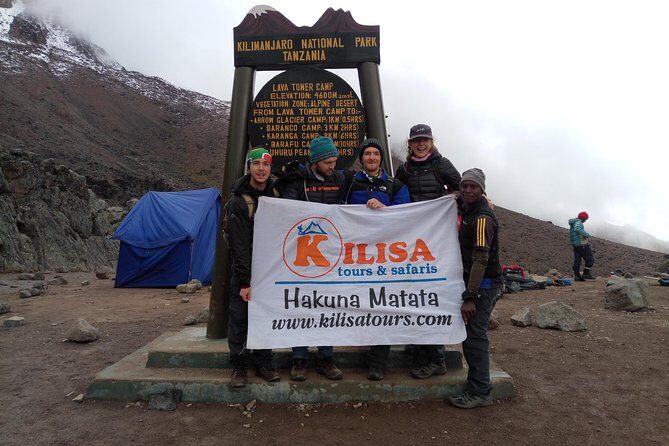
Part of what makes this experience feel solid is the way communication and on-the-ground help seem to flow. In reviews, I saw how people praised the operator’s responsiveness and the close support from arrival to finish.
I also noticed specific names showing up in that positive feedback. Naick is mentioned as helping make booking smooth with timely responses and advice. Nicholson is mentioned as a driver who was happy to show Moshi on request when there was time to kill. That kind of flexibility and friendliness matters because Kilimanjaro logistics can feel stressful if you’re left guessing.
And yes, the staff-and-team focus shows up in the way the climb ends: dancing, singing, and the full certificate moment. It’s a small thing, but it makes the last day feel earned instead of rushed.
Should you book this Machame Route climb?
I’d recommend booking if you want a classic Machame 6-day plan with oxygen support, a strong team setup, and a sensible pacing structure that includes a helpful descent after Lava Tower. The included camping comfort and treated water are also big wins for recovery.
I wouldn’t book if you’re looking for an easy trek or if you aren’t prepared for cold nights and the very early summit start. This route asks for stamina and discipline. If you have those, you’ll likely find it rewarding in a very direct way: you earn the summit with each day’s work.
If you can, train for uneven steps, bring gear that handles mud and cold, and plan your pacing like it’s your job. Because on Kilimanjaro, it often is.
FAQ
What’s the start time and where does this tour begin?
The tour start time is 8:30 am, and it starts at Kilimanjaro Airport Road in Tanzania.
Are airport transfers included?
Yes. Private transport is included to and from Kilimanjaro International Airport to your accommodations in Moshi, plus transportation to and from the Kilimanjaro gate.
What camping and comfort items are included?
You get 4-season mountain tents and double layered sleeping mats, along with hot water for washing and enough treated and filtered drinking water.
What meals are included during the trek?
You’ll have 3 hot meals daily while on the mountain. Breakfast is listed for 6 days, lunch for 5 days, and dinner for 5 days.
Is oxygen support provided?
Yes. The included safety setup includes portable oxygen tanks and an ox meter, plus an emergency first-aid kit.
What altitude milestones are part of the trip?
You reach Shira campsite at about 3,840 m, Lava Tower area around 4,630 m, and Stella Point at about 5,685 m. Uhuru Peak is around 5,895 m if you reach the summit.