REVIEW · MOSHI
6 Days Safari Tour to The Great Wildebeest Migration
Book on Viator →Operated by Benson Safaris Tanzania · Bookable on Viator
The Great Migration is chaos you can actually plan for. This 6-day Tanzania safari centers on the Mara River crossing in the Northern Serengeti, then widens out to Ngorongoro Crater for classic Big Five-style sightings and a real dose of Tanzanian culture. I like how the trip keeps things practical: airport transfers, park fees, and meals are built in, so you spend your energy on game drives instead of logistics. The one thing to remember is that the crossing itself can’t be guaranteed—where and when it happens changes from year to year, and you have to be ready for that uncertainty.
Two parts really sold me on this experience. First, you’re not doing a one-off photo stop—you’re spending multiple days with the Mara River as your target, where wildebeest gather, wait, and sometimes suddenly choose a crossing point. Second, the trip doesn’t only chase animals; it also includes a visit to a Maasai village in the Ngorongoro Highlands (optional), which adds context for how people live alongside this landscape.
One possible drawback to weigh: if your main goal is to see the river crossing at a specific moment, the timing is beyond anyone’s control. Even with smart positioning, the wildebeest don’t follow a schedule—they decide when and where to cross, so you’ll want to go with patience, not expectations pinned to a single day.
In This Review
- Key highlights worth your attention
- First steps: landing at Kilimanjaro and easing into Arusha
- Serengeti day one: the road to the action and the Maasai village option
- Mara River focus: how the Great Migration is really watched
- Northern vs Central Serengeti: giving you control over your wildlife mix
- Ngorongoro Crater: the 610-meter descent and the “always something” factor
- The tented bush-camp feel: comfort that still keeps you in the wild
- Price and what you’re actually paying for (and why it can be fair)
- How the day-by-day flow supports real wildlife viewing
- Who this safari fits best
- Should you book this 6-day Great Migration safari?
- FAQ
- FAQ
- How long is the 6 Days Safari Tour to The Great Wildebeest Migration?
- Where does the tour start?
- Is airport pickup and return included?
- Is the Maasai village visit part of the plan?
- What meals are included?
- Does the price include park fees and other charges?
- Is this tour private?
Key highlights worth your attention
- Mara River positioning for the Great Migration drama near crocodiles and dense wildebeest numbers
- Full game drives across Northern and Central Serengeti with flexible day-shaping
- Optional Maasai Village visit in the Ngorongoro Highlands to understand traditions and beliefs
- Ngorongoro Crater descent from the rim (610 meters) with strong wildlife odds
- A tented camp bush experience for that classic Tanzania feel, not just a lodge stop
- Professional local guides highlighted by guide names like Alex and Peter in real accounts
First steps: landing at Kilimanjaro and easing into Arusha
Your safari starts the moment you touch down at Kilimanjaro International Airport. You’ll be met by a Benson Safaris Tanzania transfer driver and taken to your lodge in Arusha, where the rest of the day is yours. This matters more than it sounds. After travel, your legs need downtime, and your head needs a reset before game drives start in earnest.
Arusha is also a nice warm-up city. Even if you keep it low-key, you can usually manage a short walk, a relaxed meal, or an easy day tour in the surrounding area if you’re itching to stretch your legs. I like that this trip doesn’t rush you into a long first-day drive right off the plane—your best game viewing depends on you being rested and alert.
A few more Moshi tours and experiences worth a look

Serengeti day one: the road to the action and the Maasai village option
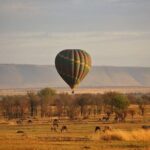
After breakfast, you head toward Serengeti National Park, driving through the Ngorongoro Conservation Area along the route that gradually opens up into huge savannah views. The acacia-dotted plains are part of the show here—especially if you’re seeing birds, track marks, and early wildlife as you move toward the parks.
This is also where you can choose the Maasai village visit in the Ngorongoro Highlands (listed as optional). If you go, it’s a chance to meet people who still carry the rhythms of a nomadic past—elders, warriors, women, and children—while learning about culture, beliefs, and traditions. I find these visits work best when you treat them like a conversation, not a checklist. Ask questions, keep your tone respectful, and remember you’re meeting families, not “performers.”
A practical note: village visits can add time and heat to a travel day. If you’re sensitive to long daytime outings, you might decide to keep the first Serengeti day more about the drive and wildlife and save energy for the migration-focused days later.
Mara River focus: how the Great Migration is really watched
This safari puts its spotlight on the Mara River area, the classic stage for wildebeest gathering and crossing. You’ll base yourself around where crocodiles hunt and where wildebeest numbers build. The whole point is simple: for days, anticipation grows—then the herd might not cross where you expect, or at least not right when you hope.
Here’s what I’d tell you to expect. You’ll do long, game-drive style days, and you’ll spend time watching. Sometimes lots of animals are near the water without anything dramatic happening. Other times the herd chooses a crossing point that varies from year to year and can’t be predicted. That’s why this trip dedicates multiple days to the region instead of treating it as a single lottery ticket.
If you want to get real value out of these days, go in with a mindset shift:
- Be ready to adjust as the herd behavior changes.
- Pack your patience like you pack your sunscreen.
- Take your cues from your guide’s positioning and local knowledge.
In real-world accounts tied to this safari style, guides are often credited for putting people in strong spots for photography. One guide named Alex is mentioned as putting the group into good positions for photos. Another account mentions Peter as a standout guide—so it’s worth asking your operator who you’ll have, and how they plan to read the river conditions.
Northern vs Central Serengeti: giving you control over your wildlife mix
One of the better ideas in this tour is the flexibility built around moving between Northern and Central Serengeti. You can shape the pace based on what you most want that day: another full day in the Northern Serengeti before heading south, or a split—half-day drives in the north and half-day drives in the central area.
This choice matters because the Serengeti isn’t one uniform “wildlife warehouse.” The animal mix, visibility, and the general feeling of the land can shift as you move. Giving you the option helps you avoid the most common safari regret: spending all your days locked into one area when your priorities shift in the field.
In practice, I’d use the flexibility like this:
- If you’re still chasing the crossing and the river area feels alive, go longer in the north.
- If you already feel you’ve done enough staring at the waterline, you’ll likely enjoy broader game density and variety in the central zones.
Either way, you’re doing full game-drive time, and the goal stays consistent: search for big wildlife moments while staying efficient with travel time between regions.
Ngorongoro Crater: the 610-meter descent and the “always something” factor
Then comes the payoff day: Ngorongoro Crater. This is one of the places where you can feel how geography shapes wildlife. The crater is a UNESCO World Heritage Site (noted as designated in 1979), and the key advantage for your safari is the permanent water supply on the crater floor. That draws wildlife in consistently, so you aren’t waiting days for animals to show up—you’re arriving into a system that keeps them around.
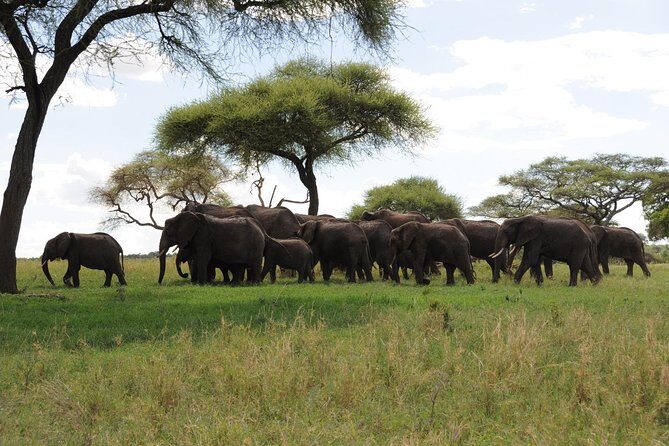
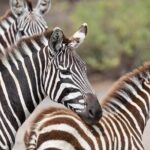
You descend 610 meters from the crater rim, and your game viewing begins fast. The crater is famous for strong sightings, and this trip specifically lists a lineup you can watch for, including black rhino (endangered), wildebeest, buffalo, zebra, eland, and multiple gazelle types (Grant’s and Thomson’s). You can also look out for giant tusked elephants. You’re basically moving through a wildlife hotspot in a compact area.
One thing I appreciate about Ngorongoro in a tour like this: it acts as your “Big Five-style safety net” after the migration crossing uncertainty. You still might not see every animal listed, but the odds are consistently better than in places where animals only pass through seasonally.
A few more Moshi tours and experiences worth a look
The tented bush-camp feel: comfort that still keeps you in the wild
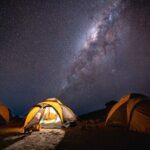
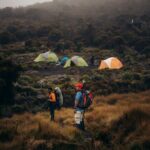
The tour highlights include the romance of a tented camp experience in the Tanzanian bush. Even without getting lost in details, this matters because it changes how the days feel. You’re not just visiting parks—you’re living inside the safari rhythm. Night sounds, early morning light, and that sense of being surrounded by wildlife territory all add to why people remember these trips long after the GPS coordinates fade.
At the same time, tents also mean you’re giving up some indoor comforts you might be used to back home. That’s not a reason to avoid the camp, but it is a reason to pack smart and keep expectations aligned with safari reality: cool evenings, practical clothing, and patience for how nature works.
If you know you sleep lightly, bring earplugs. If you run hot, pack breathable layers for daytime and something warm enough for evenings. These small moves let you enjoy the camp without it turning into a stress test.
Price and what you’re actually paying for (and why it can be fair)
At $3,194 per person for an approximately 6-day safari, the price is not small. The way to judge value here isn’t just the total number—it’s what’s included and what gets taken off your plate.
This package includes:
- Arrival and airport transfers (pickup and return)
- Accommodation as specified
- All fees and taxes plus park fees
- Meals (breakfast 5, lunch 4, dinner 3)
- Airport transfers both ways
Those inclusions add up quickly on safaris where park fees, vehicle logistics, and food often become surprise line items. So even if the ticket cost looks high, the “extras” that can inflate other trips may already be handled here.
That said, with any migration-focused safari, you’re also paying for risk management: multiple days in the Mara River area to improve your odds, plus the practical infrastructure of having guides and vehicles ready to reposition.
My advice: ask the operator what’s fixed versus flexible in your dates. This tour’s region-swapping flexibility is a selling point—but the best value comes when you match the trip to the season and your priorities.
How the day-by-day flow supports real wildlife viewing
Even when the structure looks simple, the timing strategy is smart.
- Day one (Arusha) is about recovery, not rushing.
- Serengeti approach and first wildlife day helps you start building familiarity with the park environment and spotting opportunities early.
- Multiple Mara River days is the key move: it turns the crossing from a one-shot gamble into a watched process.
- A second Serengeti game-drive block adds variety and lets you choose between Northern intensity and Central breadth.
- Ngorongoro Crater finishes strong with a compact, wildlife-dense setting where you can cross off more species without needing perfect migration timing.
- Departure day keeps travel short—transfer to the airport for your onward flight.
I like this pattern because it balances uncertainty (migration) with a high-probability finale (Ngorongoro). If you’re the type who hates “all eggs in one basket” trips, this structure should feel reassuring.
Who this safari fits best
This tour is a great fit if:
- You’re willing to spend time watching animal behavior instead of sprinting for quick views.
- You want the Great Migration to be central, but you also want other big wildlife moments.
- You enjoy learning from local culture and not just snapping photos from a vehicle.
- You’re okay with the fact that safari outcomes are partly nature and not just planning.
It’s also appealing for families who want safety and organization—one account notes feeling safe even with small kids, and praises smooth, professional execution.
This is a private tour/activity, meaning only your group participates. If you’d rather ask questions freely, move at your group’s pace, and avoid the awkward feeling of being squeezed into someone else’s tour bubble, private can be a big deal.
Should you book this 6-day Great Migration safari?
If your heart is set on the Great Migration and you’re okay trading certainty for effort, I think this is a strong booking choice. The multiple days focused on the Mara River area are the biggest reason. When you pair that with Ngorongoro Crater as a wildlife-dense finale, you reduce the chance that your trip feels like a miss.
I’d book if you:
- Want a well-organized safari with transfers and park fees handled
- Appreciate a mix of wildlife and culture (the Maasai village visit option)
- Like the idea of a tented camp while still getting solid game-drive time
I’d ask extra questions before booking if:
- You’re traveling during a season where you’re unsure how migration timing lines up with your specific dates
- You want full control of the day’s plans every single day (because the crossing is not predictable, and the Mara River experience is behavioral, not scheduled)
FAQ
FAQ
How long is the 6 Days Safari Tour to The Great Wildebeest Migration?
It’s listed as 6 days (approximately).
Where does the tour start?
The start point is Kilimanjaro Airport.
Is airport pickup and return included?
Yes. Arrival transfers from Kilimanjaro/Arusha Airport and airport pickup and return are included.
Is the Maasai village visit part of the plan?
A Maasai Village visit in the Ngorongoro Highlands is listed as optional.
What meals are included?
Breakfast is included for 5 days, lunch for 4 days, and dinner for 3 days.
Does the price include park fees and other charges?
Yes. The package includes all fees and taxes and park fees.
Is this tour private?
Yes. It’s described as a private tour/activity with only your group participating.