REVIEW · MOSHI
9 Days Kilimanjaro Hiking or Climbing via Northern Circuit route
Book on Viator →Operated by KILIMANJARO CLIMBING TOURS · Bookable on Viator
Northern Circuit can feel more like a long conversation with altitude. This 9-day Kilimanjaro climb from Moshi follows the Northern Circuit approach, starting at Londorossi Gate and leading you through forests, high plateaus, and cold alpine terrain to Uhuru Peak. I like that the schedule builds in time at higher levels so your body has more chances to adjust, and the big midnight summit push is clearly planned from the start.
The second thing I really like is what’s handled for you on the budget side. You get all fees and taxes, crew wages, gate transfers, plus meals for the days on the mountain, with breakfast (8), lunch (9), and dinner (8) included. One thing to consider: tips are not included, and you’ll also need to plan for your own flights, visas, and travel/medical insurance.
Finally, Kilimanjaro is weather-dependent. Your trip needs good conditions, and if it gets canceled due to weather you’ll be offered a different date or a full refund, but you shouldn’t treat summit timing as guaranteed.
In This Review
- Key things that make this Northern Circuit climb worth your time
- Why the Northern Circuit route from Moshi works (especially for altitude)
- Day 1: Londorossi Gate to Mti Mkubwa in rain forest
- Days 2–4: Shira Plateau, Shira Ridge, Lava Tower, and Moir Hut
- Day 5: Moir Hut to Buffalo Camp via Lent Hills views
- Day 6: Buffalo Camp to Third Cave on a quieter northern feel
- Day 7: Third Cave to School Hut, plus summit prep
- Day 8: School Hut to Uhuru Peak at night, then the long descent to Mweka Camp
- Day 9: Mweka Camp to Mweka Gate, certificates, and the Moshi finish
- Price check: what $1,584 includes and what can surprise you
- Logistics that matter: group hike rhythm, start time, and where you meet
- Who should choose this Northern Circuit climb (and who should rethink it)
- Practical tips I’d use before you go
- Should you book this 9-day Northern Circuit Kilimanjaro climb?
- FAQ
- What route does this Kilimanjaro climb use?
- Where is the meeting point, and what time does the trek start?
- What’s included in the price?
- What’s not included?
- How long is the summit day, and when do you start?
- Can I cancel for a full refund?
Key things that make this Northern Circuit climb worth your time
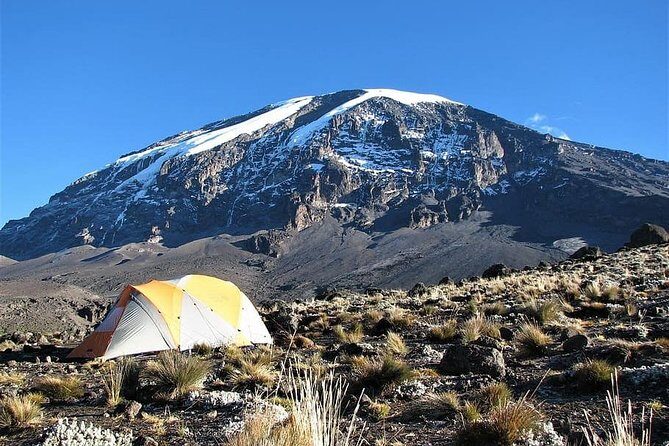
Northern Circuit pacing for altitude: more days at varied elevations than a straight shot, which can help you feel steadier as you climb.
A remote-feeling section on the north: the itinerary includes less-traveled terrain around Buffalo Camp and toward Third Cave.
Clear summit structure: you start around midnight, reach Gilman’s Point at about 18,600 ft, then go on to Uhuru Peak.
Real “park day” hiking blocks: each day has a defined hike length and habitat change, from rainforest to heath to alpine desert and Arctic-like cold near the top.
Budget clarity: most of the big mountain costs (park fees, crew wages, transfers, meals) are included in the price.
Why the Northern Circuit route from Moshi works (especially for altitude)
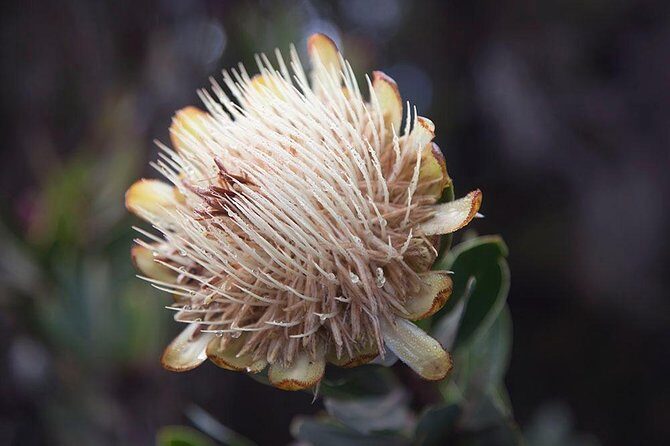
If your main goal is to reach Kilimanjaro’s summit with as much control as possible, the Northern Circuit approach makes sense. The route doesn’t just climb; it moves you through different altitude zones in a way that gives your body more time to adapt. That matters because Kilimanjaro is unforgiving when you rush.
You’ll feel this in the rhythm of the days. You start in rain forest (Londorossi Gate to Mti Mkubwa), then you step out into heath and high moorland (Shira Plateau), and later into alpine desert. By the time you’re headed into the coldest part of the mountain, you’ve already spent multiple days higher up than you were on Day 1.
It’s also mentally helpful. A long summit hike at 19,341 ft is a different game than a comfortable day hike. This itinerary builds momentum day by day, so summit day feels like a finish line instead of a surprise jump.
You can also read our reviews of more hiking tours in Moshi
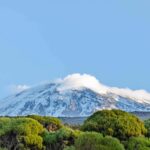
Day 1: Londorossi Gate to Mti Mkubwa in rain forest
Day 1 is your on-ramp. You leave Moshi for the gate area (about a 4-hour drive), do entry formalities at Londorossi Gate, then hike from there toward Mti Mkubwa, gaining from about 7,742 ft to 9,498 ft. The hike is only around 6 km / 4 miles and takes about 3–4 hours, so you’re not racing.
What I like about this start is the habitat shift right away. Rain forest hiking usually means more shade and a damp feel, so your first day tends to be about settling in—finding your rhythm, testing your shoes, and learning how you breathe at elevation. You also get the first camp night in place, which matters because you can’t treat Kilimanjaro like a “hit and run” trek.
Possible drawback: Day 1 includes a drive before you hike. If you’re travel-tired from arriving in Tanzania, do yourself a favor and try to land rested—because the first day’s comfort depends on how much energy you bring.
Days 2–4: Shira Plateau, Shira Ridge, Lava Tower, and Moir Hut
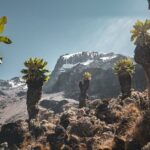
Days 2–4 are where the Northern Circuit flavor shows up. After Day 1, you climb from Mti Mkubwa to Shira 1 Camp at roughly 9,498 ft to 11,500 ft. It’s around 8 km / 5 miles and 5–6 hours, and the terrain changes to heath—tall grasses, heather, volcanic rock, and lichen-bearded trees.
Day 3 continues the high plateau idea from Shira 1 to Shira 2 (about 11,500 ft to 12,500 ft). The hike is shorter in distance—around 7 km / 4 miles—but it still keeps you at altitude for acclimatization. This is also the part where you get the feel of moorland meadows and wildflowers, plus the distinctive Senecio trees called out on the route.
Day 4 pushes you toward the volcanic features: Shira 2 to Lava Tower, then on to Moir Hut. You go from about 12,500 ft up to 15,190 ft near Lava Tower, then descend to 13,580 ft at Moir Hut. That pattern—go up high, then drop slightly—can be a smart way to help your body handle altitude while still keeping the day exciting.
The Moir Hut stop is also a bonus for acclimatization-minded hikers. The itinerary notes that Lent Hills has options for walks, which can give you a controlled way to gain or explore without turning the day into an all-out march. One practical note: when you’re above ~13,000 ft, you’ll want to dress for cold even when the sun is out.
Day 5: Moir Hut to Buffalo Camp via Lent Hills views
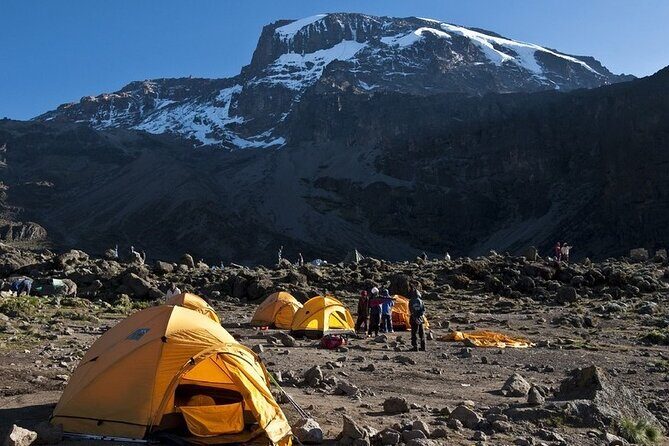
On Day 5, the elevation shifts a little and the hiking length gets longer. You move from Moir Hut down slightly to Buffalo Camp, but you also gain into Lent Hills first. The day is listed at about 12 km / 7 miles and 5–7 hours, staying in alpine desert terrain.
The itinerary mentions a moderately steep climb out of Moir Valley, then time to reach Lent Hills’ summit before returning to the main track and arriving at Buffalo Camp. This is where you get views north of Kilimanjaro stretching toward the Kenyan/Tanzanian border area—big-sky country energy.
Why this day matters: it combines altitude work with a “different kind” of effort. You’re not just walking forward; you’re doing a planned climb and then returning, which tends to feel more purposeful. It can also help you practice staying calm when the pace quickens.
Potential drawback: seven miles at altitude with cold air can feel longer than the same distance at sea level. Keep your steps light and steady, and don’t treat this as a training hike. Save energy for the later, steeper days.
Day 6: Buffalo Camp to Third Cave on a quieter northern feel
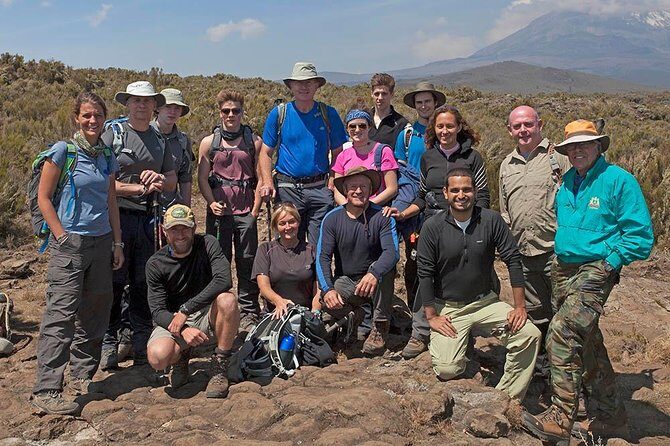
Day 6 is one of the more special days on this itinerary because it’s framed as remote and less traveled. You hike about 8 km / 5 miles in roughly 5–7 hours through sparser terrain, staying in the heath zone as you aim for Third Cave. Elevation drops from about 13,200 ft to 12,700 ft—still high enough to matter, but it gives a small break after Day 5.
The itinerary also notes a shift to increasingly sparse terrain on Buffalo Ridge and mentions mountain wilderness character on this route. That’s the kind of day that can feel quieter in your head. Less foot traffic usually means fewer distractions, and it becomes easier to focus on your breathing and hydration.
Practical consideration: because this is a remote-feeling segment, it’s extra important that you stick to your planned pace. Don’t surge early and then pay for it later. Think steady, not heroic.
Day 7: Third Cave to School Hut, plus summit prep
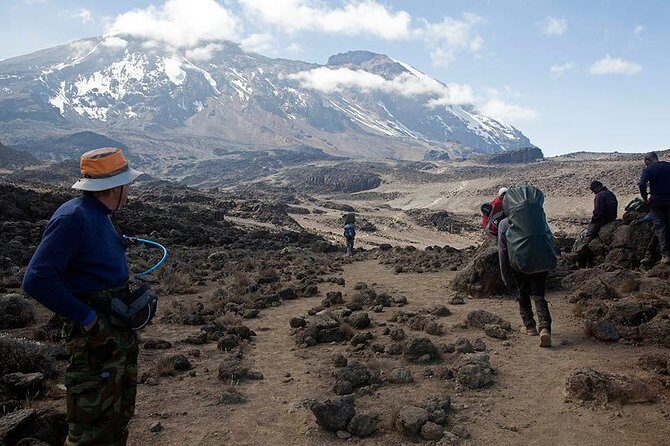
Day 7 is short and steep enough to remind you what’s ahead. You climb from about 12,700 ft to 15,600 ft—roughly 5 km / 3 miles and 4–5 hours—through alpine desert. You’ll go up and over the “Saddle,” described as sitting between Kibo and Mawenzi, then continue to School Hut.
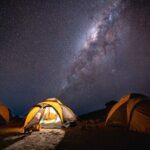
Once you reach camp, the plan is to rest and eat early so you can prepare for summit day. The key here is timing. You’ll need sleep, and you’ll need fuel, but you also need to stay warm in the evening as temps drop.
Why I think this is a smart design: by Day 7 you’ve done the earlier plateau acclimatization already, so the goal is positioning plus recovery. A well-run summit night usually comes down to whether Day 7 was handled with discipline.
Day 8: School Hut to Uhuru Peak at night, then the long descent to Mweka Camp
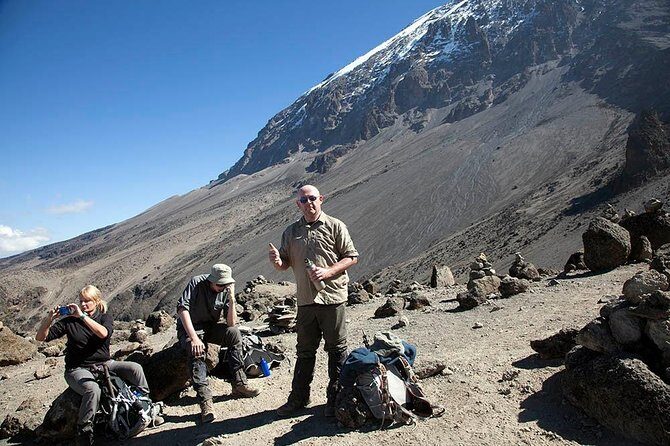
This is the day that makes or breaks the trip. You start very early, around midnight, for the push to Uhuru Peak at 19,341 ft. The itinerary lists about 6–8 hours for School Hut to Uhuru Peak, including the slow climb through darkness with frequent short breaks.
As you ascend, wind and cold are described as potentially extreme. That’s not a warning to scare you; it’s a practical forecast. When you’re cold at altitude, you burn energy just to stay functional, and you don’t want to start summit day under-fueled or under-dressed.
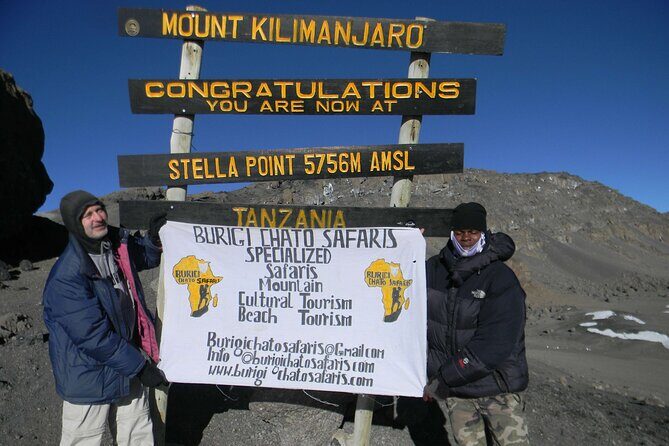
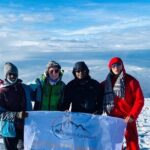
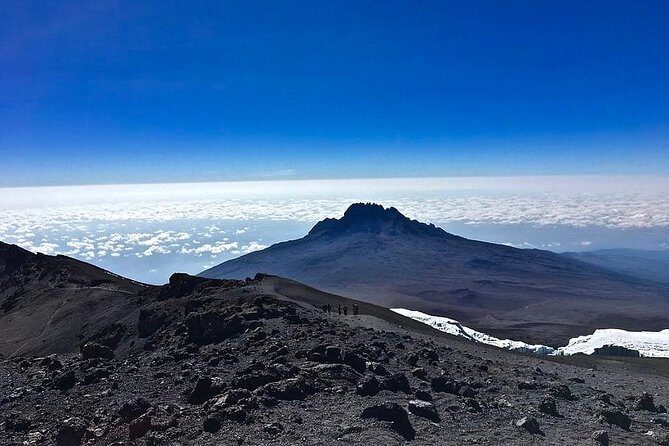
A major highlight is Gilman’s Point (about 18,600 ft), where you’re rewarded with the sunrise coming over Mawenzi Peak. Then you continue to Uhuru Peak—the highest point on Mount Kilimanjaro.
After the summit comes the workout nobody romanticizes: you still have a descent. The itinerary continues from Uhuru Peak back down to Mweka Camp, covering about 12 km / 7 miles in 4–6 hours. Even when summit feels like success, your legs will still need careful steps here. This part is often where people get sloppy, not because they’re careless, but because exhaustion makes balance harder.
Day 9: Mweka Camp to Mweka Gate, certificates, and the Moshi finish
Day 9 is a relief day with still-satisfying movement. You descend from Mweka Camp (about 10,065 ft) down to Mweka Gate around 5,380 ft. It’s about 10 km / 6 miles and 3–4 hours, with rain forest habitat as you drop.
You collect summit certificates at the gate, then walk about another hour to Mweka Village. A vehicle meets you there to drive you back to your hotel in Moshi.
This “walk out and sign off” structure is useful. It turns summit day into a complete story instead of ending abruptly at the peak. Also, collecting certificates is one of those details that feels small until you’re standing there—then it clicks into place.
One more practical note: low-elevation hiking can be wet and muddy, so keep your footing mindset on. Knees and ankles take a beating on summit descents, and Day 9 is where you still need to protect them.
Price check: what $1,584 includes and what can surprise you
At $1,584 per person for about 9 days, the big question is whether you’re paying for a real logistics plan or just the right to show up. Here, a lot of the essentials are clearly included.
Included:
- All fees and taxes
- Gate transfer and crew wages
- Airport pickup and drop-off, plus transfers tied to the climb
- Hotel accommodations before and after the climb (noted as bookable direct by you or by them)
- Meals: breakfast (8), lunch (9), dinner (8)
- Kilimanjaro hiking operation costs
- A mobile ticket is mentioned, plus group discounts
Not included:
- Tipping the crew
- Flights (local and international)
- Visas, medical and travel insurance
- Personal hiking gear
So is it good value? For many first-time Kilimanjaro hikers, the biggest cost risk is hidden fees—park fees, entry costs, and the stuff that only becomes obvious after you’re already committed. This price bundle is more transparent than some. You’ll still need to budget for the items above, but it’s easier to plan because core climb costs and meals are already covered.
If you’re the type who would otherwise spend time negotiating and juggling logistics, this package-style approach often feels worth it.
Logistics that matter: group hike rhythm, start time, and where you meet
You’ll start at 8:30 am from the meeting point in Moshi: BURIGI CHATO SAFARIS CO LTD, Mkwawa Street, Shanty town, Kilimanjaro TZ 7582, Tanzania. The activity ends back at the meeting point.
Pickup is offered, and transfers are part of the plan. That matters because the climb begins with a drive to Londorossi Gate, roughly 4 hours from Moshi, then you’re hiking right after entry formalities.
The operator lists a maximum of 500 travelers. That sounds huge for a single hike, but it signals the company’s booking cap rather than your personal group size. For your comfort, what matters more is how your guide team manages pacing, breaks, and camp flow once you’re on the mountain.
If you prefer lots of walking days with clear transitions, this itinerary gives you that. If you prefer lots of free time to explore on your own, Kilimanjaro routes are more structured than that.
Who should choose this Northern Circuit climb (and who should rethink it)
This climb is listed as suitable for most travelers. In plain terms, it fits people who can handle sustained hiking days and want a route that focuses on altitude acclimatization rather than a rushed climb.
You’ll likely love it if:
- you want the Northern Circuit route’s more gradual feel at altitude
- you want defined hiking blocks and a clear summit plan
- you appreciate that meals and key costs are already handled
You might rethink it if:
- you’re sensitive to cold and wind at very high elevation, since summit night can be extreme
- you dislike long travel days around Moshi and gate transfers
- you haven’t budgeted for personal gear, tipping, and insurance
Practical tips I’d use before you go
Get your summit mindset ready, because “around midnight” is not a suggestion—it’s the schedule. Plan sleep strategy and keep your warm layers close at camp the evening before.
Bring personal hiking gear even though meals and fees are included. The trek will supply logistics, not your boots, socks, and cold-weather clothing.
Practice pacing. The itinerary has days ranging from about 3–4 hours on the early low-elevation end to 6–8 hours on summit day, plus a long descent after. If you start too fast, you’ll feel it later.
Pack for mud too. Day 9 can be wet and muddy at lower elevations, so traction and careful steps matter.
Lastly, don’t ignore the “small” details like hydration and regular short breaks. Summit success is built out of boring decisions repeated all night.
Should you book this 9-day Northern Circuit Kilimanjaro climb?
Yes, if you want a structured 9-day Kilimanjaro experience that gives you time to adjust to altitude and puts the summit mechanics on a clear track. The value stands out because park/operation costs, transfers, and most meals are included in the price, which lowers planning stress.
I’d book it especially if you’re aiming for a confident summit attempt rather than gambling on a faster route. And I’d be honest with yourself about cold at night and the reality of descent after Uhuru Peak—because that part is still work.
If that sounds like your kind of adventure, this Northern Circuit plan from Moshi is a solid choice.
FAQ
What route does this Kilimanjaro climb use?
This is a 9 Days Kilimanjaro Hiking/Climbing via the Northern Circuit route starting in Moshi and traveling to Londorossi Gate, then hiking through camps that lead to Uhuru Peak and finishing at Mweka Gate.
Where is the meeting point, and what time does the trek start?
The meeting point is BURIGI CHATO SAFARIS CO LTD, Mkwawa Street, Shanty town, Moshi, Kilimanjaro TZ 7582, Tanzania. The start time is 8:30 am, and the activity ends back at the meeting point.
What’s included in the price?
The price includes all fees and taxes, airport pick up and drop-off, gate transfer and crew wages, hotel accommodations before and after, Kilimanjaro operation costs, and meals (breakfast 8, lunch 9, dinner 8).
What’s not included?
Not included are tipping the crew, local and international flights, personal hiking gear, and visas, medical and travel insurance.
How long is the summit day, and when do you start?
You start the push to the summit around midnight, hike for about 6–8 hours to reach Uhuru Peak, and then continue down to Mweka Camp in about 4–6 hours.
Can I cancel for a full refund?
Yes. You can cancel up to 24 hours in advance for a full refund. If you cancel less than 24 hours before the start time, you won’t receive a refund. The experience also requires good weather; if it’s canceled due to poor weather, you’ll be offered a different date or a full refund.