REVIEW · ARUSHA
3 Days of Camping Bliss in Serengeti and Ngorongoro Crater
Book on Viator →Operated by PINNACLE ADVENTURES & SAFARIS LTD. · Bookable on Viator
Stars over Serengeti beat a city break. This 3-day camping safari from Arusha mixes Serengeti game viewing with a Toyota Landcruiser 4×4 pop-up roof for serious spotting time, plus the feel of sleeping in the bush. The tradeoff: it’s real camping, not hotel comfort, so go in with that mindset.
I also really like the way Ngorongoro Crater is handled as a focused wildlife morning, when the animals tend to be most active. Add in the picnic lunch inside the crater, and you’ve got a full, efficient day with big sightings in a place that feels almost unreal.
In This Review
- Quick hits you’ll care about
- Price and value: what $840 really covers
- Getting around: Arusha pickup, 4×4 viewing, and group vibe
- Day 1 in Serengeti: afternoon game drive plus Central Serengeti camping
- Day 2 full-day Serengeti: ecosystems, picnic lunch, and predator time
- Day 3 Ngorongoro Crater morning: the Garden of Eden feeling
- Camping comfort: tents, sleeping bag gear, and what to mentally prepare
- Wildlife expectations: Big Five, Migration season, and how guides affect results
- Who this safari is best for (and who might feel off)
- Should you book 3 days of Serengeti + Ngorongoro camping?
- FAQ
- How many days is the safari?
- Where does the safari start and end?
- Is pickup included?
- What vehicle do you use?
- Are park admissions included?
- What sleeping setup is provided?
- What meals are included?
- What’s included in the price ($840 per person)?
- What’s not included?
- Can I cancel and get a full refund?
Quick hits you’ll care about
- Small group size (max 7), so you’re not lost in a sea of vehicles.
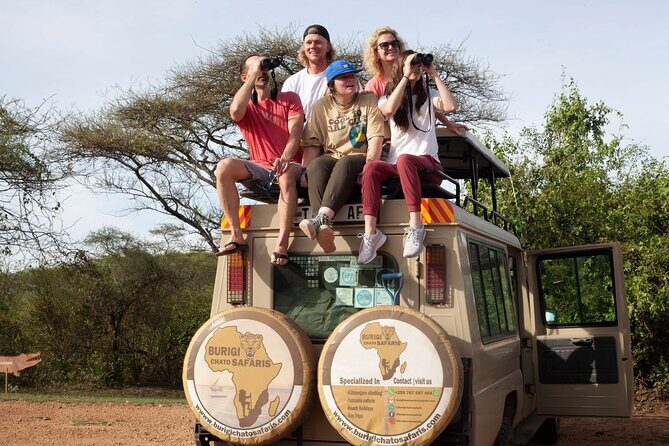
- Pop-up roof 4×4 Landcruiser with 7 window seats—built for angles and animal-close views.
- Central Serengeti camping for an evening of sounds, stars, and a real safari rhythm.
- Serengeti admissions listed as free and Ngorongoro ticket included in the package.
- All meals provided (2 breakfasts, 2 dinners, 3 lunches) plus bottled water.
- Guide and cook are included, and past guests specifically praised Frezier’s flexibility and guide Joshya’s animal knowledge.
Price and value: what $840 really covers
At $840 per person for about 3 days, the headline is that you’re paying for the full safari “machine,” not just a driver. The package includes all fees and taxes, a Toyota Landcruiser 4×4, a professional English-speaking guide, and a safari cook. On top of that, you’re covered for the overnight camping setup (tents, sleeping bag, mattresses, and camping equipment), and the food flow is handled for you.
Where you need to think for yourself is what’s excluded:
- Flights and visas
- Health and travel insurance (yellow fever vaccination is compulsory)
- Airport pick ups/drop offs
- Alcohol and non-alcoholic beverages (optional extras)
- Accommodation before or after the safari
- Personal spending money and other personal items
So the value equation is simple: if you’re already planning to be in Arusha and you want the heavy lifting done—vehicle, parks logistics, meals, and camp gear—this price can make sense. If you’re trying to add flights last minute or need extra hotel nights, the total trip cost will climb.
A few more Arusha tours and experiences worth a look
Getting around: Arusha pickup, 4×4 viewing, and group vibe
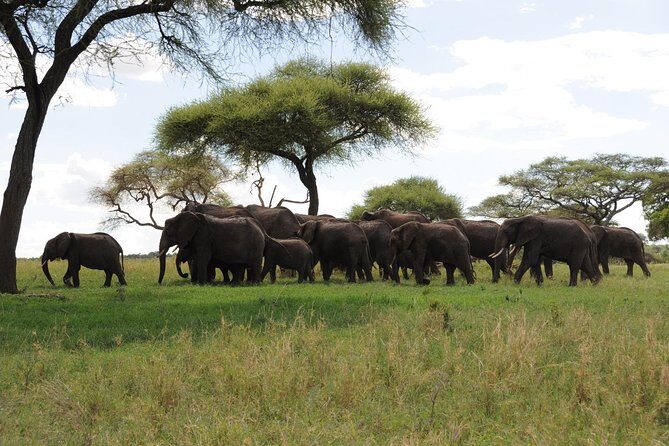
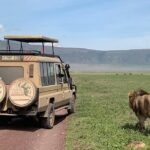
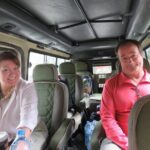
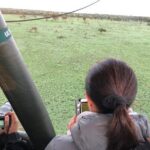
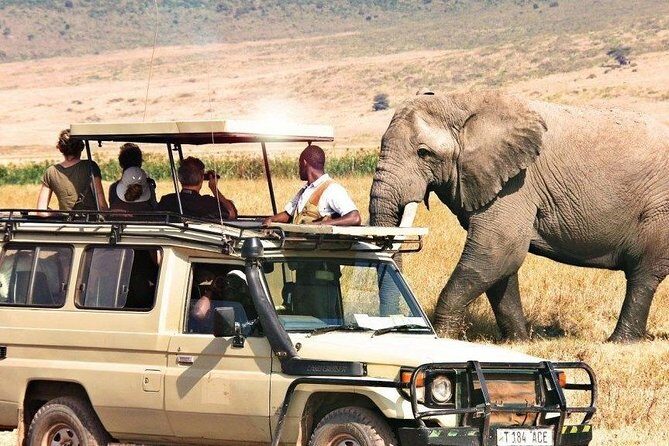
This tour starts in Arusha and includes pickup offered. You’ll ride in a Toyota Landcruiser 4×4 with a pop-up roof, 7 window seats, and power adapters. That sounds like a gear list, but it matters in the field. With a pop-up roof, you get more elevated sight lines for spotting and filming. With window seats, you can keep moving and scanning without doing the awkward “lean out and hope” routine.
Group size is capped at 7 travelers. That usually means fewer delays when vehicles position for sightings. It also tends to make the day feel more personal—like you’re part of a small expedition, not a ticket line.
In practical terms, you’re going to spend a lot of time on uneven roads and doing slow animal-spotting drives. Go in expecting early starts and long stretches of sitting in pursuit of motion: shadows, dust clouds, sudden movement near acacia trees.
Day 1 in Serengeti: afternoon game drive plus Central Serengeti camping
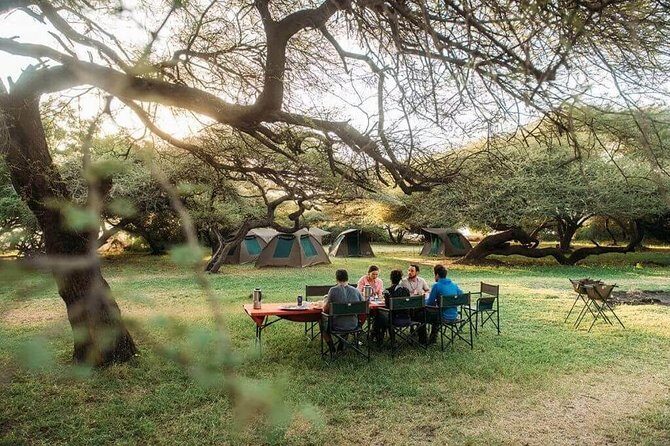
Your first day kicks off with an early morning pickup from your Arusha hotel, then a scenic drive into Serengeti National Park. You arrive at a UNESCO World Heritage Site, and then you’re out on an afternoon game drive across the plains—where luck and timing do the rest.
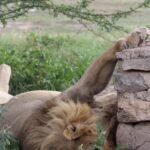
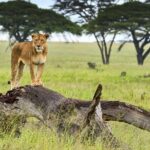
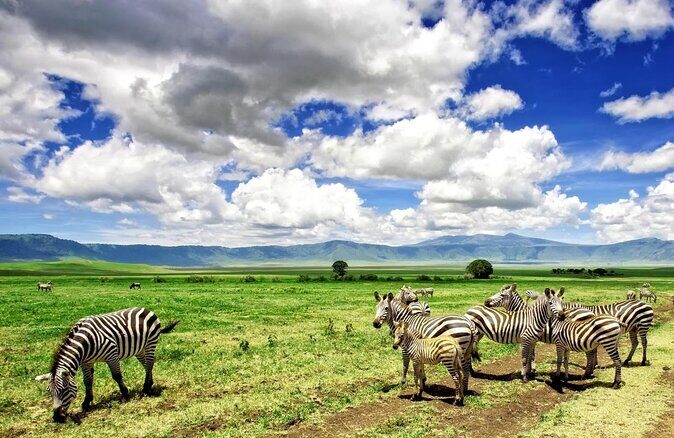
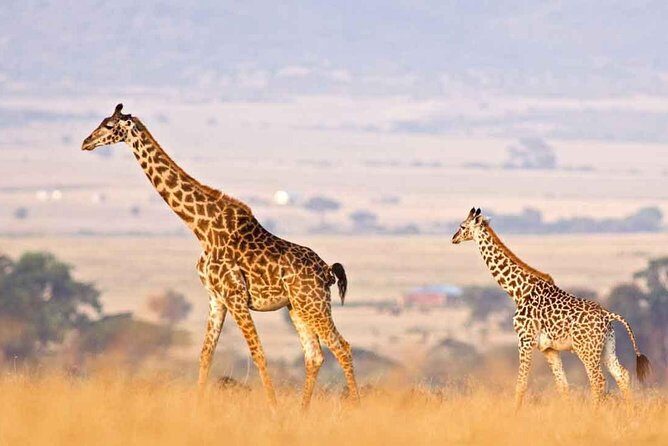
What I like about the day 1 format is that it feels like a gentle landing. You don’t try to cram everything in one day, but you still get that classic Serengeti mix: open savannah and the feeling that the horizon never ends. The hope is sightings like lions, elephants, giraffes, and—seasonally—the Great Migration.
Then you head to a campsite for dinner and your first night sleeping in tents in the Central Serengeti area. That “bush soundtrack” moment is the point. You’ll fall asleep to the sounds of wildlife at night, not to traffic and streetlights. It’s not luxury camping, but it’s the real experience you came for.
Potential consideration: because you’re camping, you should be mentally ready for basic conditions. The package includes sleeping bags, mattresses, and camping equipment, but it’s still outdoors. If you need a foam-mattress-and-shower kind of trip, this part may challenge you.
Day 2 full-day Serengeti: ecosystems, picnic lunch, and predator time
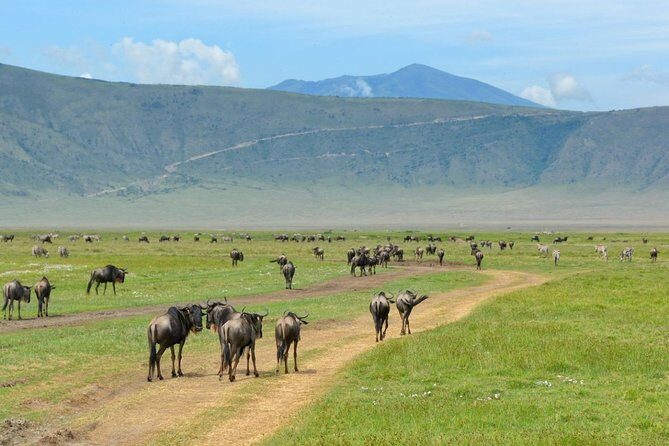
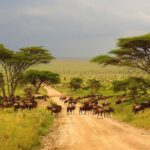
Day 2 is your long day. After an early rise, you’ll do full-day game drives across Serengeti, moving through different ecosystems: savannah plains, acacia woodlands, and river valleys. That variety matters because animals use habitat differently. One section may be better for big grazers, while another can deliver predators or dense bird life.
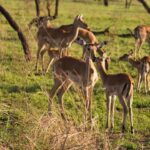
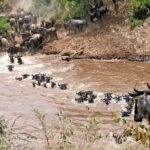
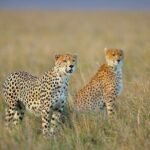
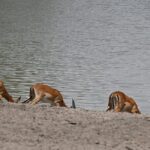
Expect a wide mix of wildlife options during the drives, including cheetahs, leopards, zebras, wildebeests, and many bird species. And if your timing lines up with the Great Migration season, you might see dramatic predator-prey action. The migration isn’t guaranteed year-round, so your guide’s skill in reading the landscape is where your luck gets converted into sightings.
Lunch is a picnic, timed so you keep your momentum. Then it’s more scanning and more slow, patient driving until the sun drops behind the plains—when the light turns everything gold and shadows get sharp.
A practical tip: this is a day where your “spotting stamina” matters. You’ll likely want to keep your camera/phone charged, grab water often, and stay present. Sitting quietly for a while is part of the deal. The payoff is when movement finally appears—then you’ll understand why people come back to Serengeti again and again.
Day 3 Ngorongoro Crater morning: the Garden of Eden feeling
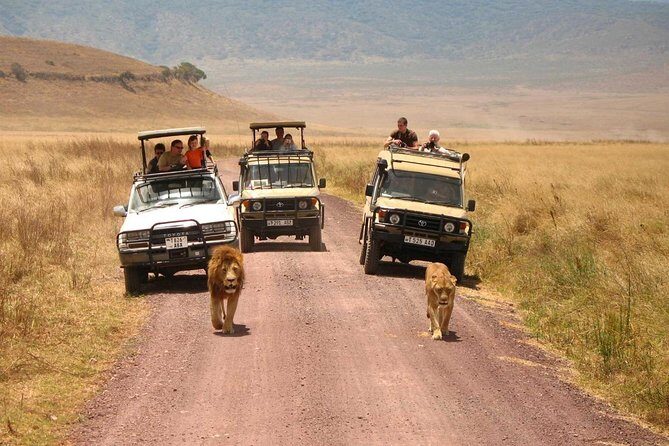
After breakfast, you head out for Ngorongoro Conservation Area. The big moment is descending into the Ngorongoro Crater for morning game viewing. If Serengeti is about breadth, Ngorongoro is about concentration. The crater is described as a “Garden of Eden,” and the logic checks out: you’re looking at an astonishing concentration of wildlife.
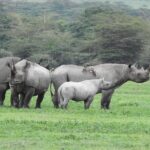
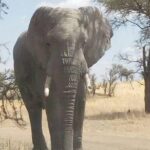
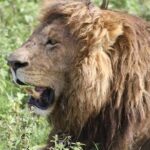
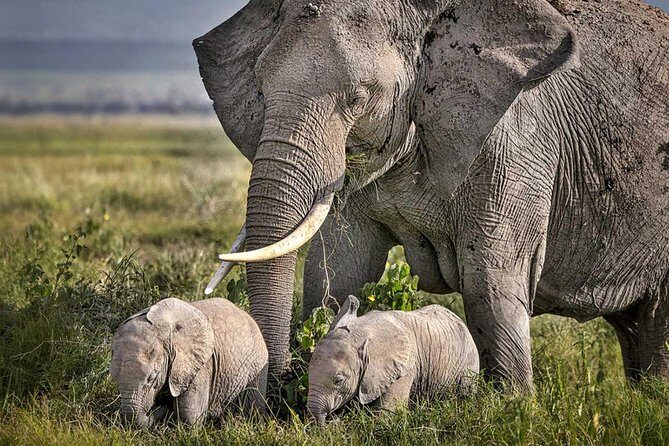
The chance set includes elephants, hippos, lions, and the endangered black rhino. Again, you’re not guaranteed every species, but Ngorongoro’s reputation is built on consistency of sightings.
Then you eat picnic lunch inside the crater, surrounded by that crater-scale scenery and animals nearby. This is one of those days where you’ll feel the scale in your chest—then you’ll spend the afternoon driving back toward Arusha.
You’ll arrive late afternoon, closing your 3-day loop. It’s a strong ending: early descent, daytime sightings, and then a return without dragging the schedule into another night of camping.
Camping comfort: tents, sleeping bag gear, and what to mentally prepare
Camping is handled for you in the included setup:
- tents
- sleeping bags
- mattresses
- camping equipment
That’s a real help because buying or renting camping gear can be expensive and annoying. Bottled water is also included, which is good because you’ll feel how quickly hydration matters once you’re out driving all day.
What you should still prepare for is the nature of camping life in a wildlife area:
- The outdoors is unpredictable by feel (cooler nights, wind, insects).
- You’re sharing your sleep space with the sounds of the wild.
- Your routine will be timed around drives and animal activity, not around a relaxed hotel schedule.
If you keep expectations aligned—view it like a safari expedition rather than a comfort vacation—you’ll probably love it.
Wildlife expectations: Big Five, Migration season, and how guides affect results
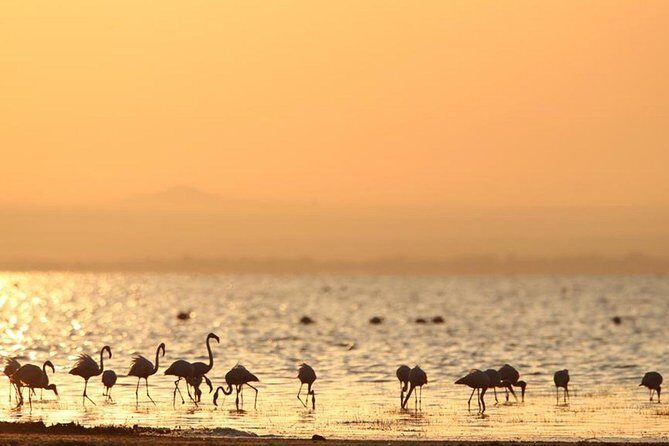
The safari is built around world-famous wildlife. The overview calls out the possibility of seeing the Big Five, and the day-by-day structure supports that goal: two Serengeti days for predator-prey drama, then Ngorongoro for dense wildlife in one enclosed area.
Season matters for the Great Migration. If you’re there during the migration season, you may catch dramatic scenes. If not, you can still see plenty of wildlife because Serengeti isn’t empty when migration isn’t happening. It just changes the “story” you’re watching.
This is where guide quality shows up. In earlier stays, guests specifically praised Frezier for flexibility—turning a wishlist into a smooth itinerary—and praised Joshya for knowing animals well enough to meaningfully improve spotting. That’s what you want: a guide who doesn’t just drive, but reads what’s in front of you.
No guide can promise exact sightings. But the difference between a good day and a great day is how quickly you find activity, how you position, and whether you understand what you’re seeing when it happens.
Who this safari is best for (and who might feel off)
This is a great fit if you:
- want classic Tanzania wildlife with real camping at a reasonable group size
- like early starts and long game drives (and can handle sitting and waiting)
- care about getting good viewing angles through a pop-up roof vehicle
- want the logistics handled: vehicle, guide, cook, camps, and meals are included
It may feel like the wrong match if you:
- need hotel-level comfort
- dislike camping conditions
- prefer a very short, fast itinerary with minimal time on the road
If you’re the type who loves being outside, watching animals in their own rhythm, and trading comfort for access, this trip will likely click.
Should you book 3 days of Serengeti + Ngorongoro camping?
I’d book it if you want an efficient wildlife-focused safari that includes the camp setup and meals, and you’re excited by the idea of sleeping under the stars. The value is strongest when you’re already set for Arusha (since accommodation before/after and airport transfers aren’t included) and when you’re okay with camping conditions.
Before you commit, check these two things:
- Are you traveling with a yellow fever vaccination plan? It’s described as compulsory for this kind of travel.
- Are you comfortable with a schedule built around early drives and outdoor nights?
If yes, you’ll get exactly what you came for: Serengeti’s wide-open wildlife action, then Ngorongoro’s concentrated crater sightings, all backed by a small-group setup and solid included support from the guide and cook.
FAQ
How many days is the safari?
It’s listed as 3 days (approx.).
Where does the safari start and end?
It starts in Arusha, Tanzania and ends back at the meeting point.
Is pickup included?
Pickup is offered, with the tour starting from Arusha.
What vehicle do you use?
The safari uses a Toyota Landcruiser 4×4 with a pop-up roof, 7 window seats, and power adapters.
Are park admissions included?
Yes. Serengeti National Park admission is free as listed, and Ngorongoro Crater admission is included.
What sleeping setup is provided?
Overnight stays are in tents, and you receive sleeping bags, mattresses, and camping equipment.
What meals are included?
You get 2 breakfasts, 2 dinners, and 3 lunches, plus bottled water.
What’s included in the price ($840 per person)?
The package includes all fees and taxes, the 4×4 safari vehicle, a professional English-speaking guide and safari cook, camping and sleeping gear, meals, bottled water, and the park admissions noted for Serengeti and Ngorongoro.
What’s not included?
Flights and visas, health and travel insurance, alcohol and non-alcoholic beverages, accommodation before/after the safari, airport pick ups/drop offs, and personal items or personal spending money.
Can I cancel and get a full refund?
Yes, cancellation is free up to 24 hours in advance for a full refund. If you cancel less than 24 hours before the start time, the amount paid isn’t refunded.