REVIEW · MOSHI
4 Days Safari Tour at Tarangire, Serengeti and Ngorongoro Crater
Book on Viator →Operated by Bush Lion Trekking and Tours · Bookable on Viator
A safari in four days forces smart choices. This one links Tarangire elephants, Serengeti game drives, and Ngorongoro Crater wildlife into a tight route you can actually enjoy. I like that the plan is structured around real sightings, with morning drives where animal activity is best.
What I also like is the comfort/value mix: you get lodge or tented-camp stays with sleeping gear handled, plus bottled water and some drinks in the safari vehicle. That means less time worrying and more time watching.
One drawback to keep in mind is the intensity of the days. You’ll start early often, and the drives between parks take time; plus Ngorongoro’s crater descent and ascent can feel like work, even when the views are worth it.
In This Review
- Key things to know before you go
- The real value of this 4-park circuit
- Day 1: Tarangire National Park and the elephant-baobab mood
- Tarangire-day drawback to consider
- Day 2: Serengeti arrival through the Rift Valley and an afternoon drive
- Day 2 drawback to consider
- Day 3: Two drives in Serengeti’s key areas, plus breakfast out in the open
- Day 3 drawback to consider
- Day 4: Ngorongoro Crater descent, black rhino odds, and hippo pool lunch
- Why the crater day is worth the early start
- Day 4 drawback to consider
- Price and logistics: what $2,274 per person really covers
- One more practical point about the package
- Private group timing and how it affects your game drives
- Wildlife expectations: what you can count on and what varies
- Who this safari suits best
- Should you book this 4-day Tarangire–Serengeti–Ngorongoro safari?
- FAQ
- What parks are included in this 4-day safari?
- Where does the trip start and end?
- Is pickup included?
- What meals and drinks are included?
- What kind of accommodation can I expect?
- Do I get an English-speaking guide?
- What is not included in the price?
- Is free cancellation available?
Key things to know before you go
- Tarangire’s elephant herds and baobabs are the daytime anchor of the trip
- Serengeti twice gives you a better shot at predators and shifting wildlife
- Breakfast in the wild style morning planning (plus packed lunches) keeps the day moving
- Ngorongoro crater game drive focuses on concentrated wildlife, including black rhino odds
- All camping equipment and accommodations are handled for you, so packing is simpler
- English-speaking guide and 24-hour support help if plans shift for weather or timing
The real value of this 4-park circuit
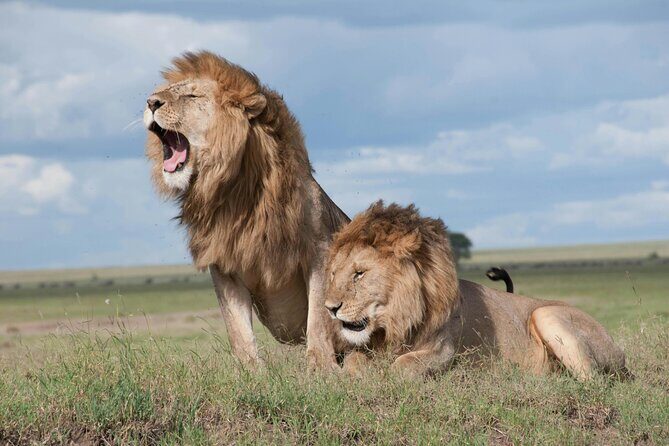
On a short safari, the biggest question is never just where you go. It’s how the days are paced. This tour is built around three very different ecosystems: Tarangire’s elephant-and-baobab landscape, Serengeti’s open plains for predator drama, and Ngorongoro’s crater bowl where animals often feel closer.
For you, that means you’re not stuck with one park type. You’re getting variety that helps wildlife viewing feel less repetitive. And with multiple drives in both Serengeti and the crater, you’re not relying on one lucky afternoon.
The price tag is serious at $2,274 per person, but it’s not only for the vehicle. Your package lists guide (English), accommodations, camping equipment, meals (4 lunches, 3 breakfasts, 3 dinners), plus landing and facility fees. In other words, you’re paying for the whole operating system that turns remote parks into a visitable trip.
A few more Moshi tours and experiences worth a look


Day 1: Tarangire National Park and the elephant-baobab mood
You start with an early morning transfer from Arusha, then head into Tarangire National Park for your first game drive. Tarangire is famous for large elephant herds and those iconic baobab trees, and the park’s look does something useful: it helps you orient fast. Even your first sightings tend to make sense because the scenery is distinctive.
What you’ll do in practice:
- A morning drive to search out elephants, then other big mammals like lions, giraffes, and zebras
- A picnic lunch inside the park, where you can eat while staying in the wildlife zone instead of disappearing back to town
- Another afternoon drive to cover more ground before sundown
For your experience, the win is that Tarangire works at two tempos. You can get classic elephant moments, and you can still spot the smaller stuff too, like different bird species and day-to-day animal behavior. That balance matters on a 4-day itinerary because it keeps your wildlife viewing feeling full, not just flashy.
Accommodation is built into this first day as well. You’ll sleep at Motto Cottages Lodge or in a tented camp nearby, depending on the setup. Either way, you get that evening shift from “driving and scanning” to “wind down and listen,” which is a big part of why safaris feel like trips instead of checklists.
Tarangire-day drawback to consider
Your first day can feel like a long one because you’re combining a transfer from Arusha plus a full drive day. If you’re sensitive to long travel windows, plan to be forgiving with your energy level that evening.
Day 2: Serengeti arrival through the Rift Valley and an afternoon drive
After breakfast, you drive to Serengeti National Park. The route is half the story on day two because you pass through the Great Rift Valley and the Ngorongoro Conservation Area, with a chance to see Maasai villages along the way.
Then comes the timing: you arrive in time for an afternoon game drive. That matters. Predators and grazing animals shift as the heat changes, so the afternoon slot can produce different sightings than a morning drive. It’s also a good way to settle into Serengeti without burning your whole day in transit.
What you should expect in Serengeti:
- A wide range of wildlife, with Big Five possible
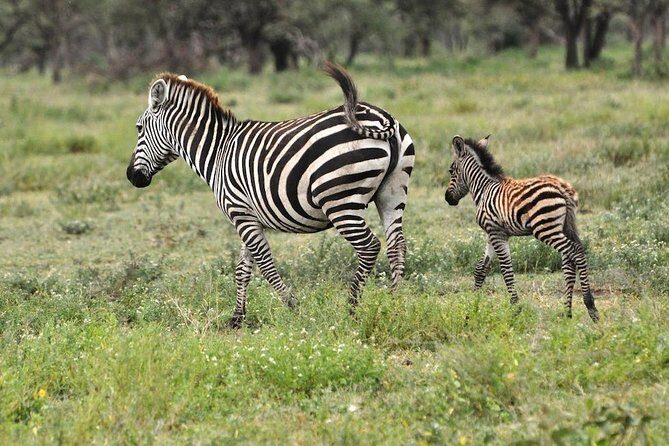
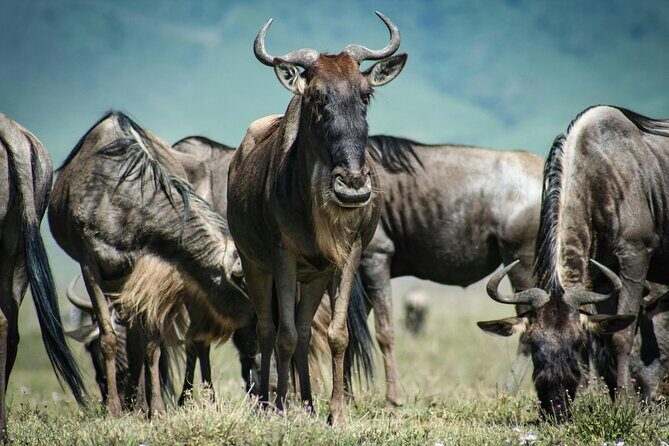
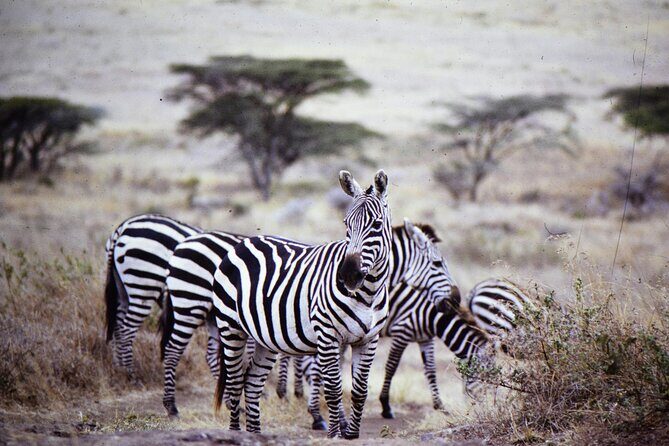
- Wildebeest and zebra migration possibilities depending on season
- A feel for the plains: open sightlines, longer tracking moments, and frequent birdlife
Even if you’re traveling in a season where migration is not front-page obvious, Serengeti still rewards attention. The key is that your guide can work the terrain and keep moving until they find the right pockets of activity.
You’ll overnight in the heart of Serengeti, in a lodge or tented camp. That location choice is practical: it reduces wasted time and keeps you close to the wildlife schedule on day three.
Day 2 drawback to consider
If your season depends heavily on migration drama, your actual sightings will follow that seasonal reality. The itinerary flags this directly: migration sightings depend on timing. Plan your expectations around flexibility, not guarantees.
A few more Moshi tours and experiences worth a look
Day 3: Two drives in Serengeti’s key areas, plus breakfast out in the open
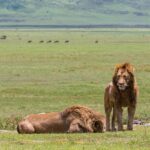
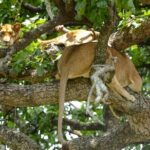
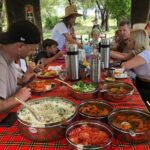
Day three is the Serengeti day most people hope for: early morning game drive, then breakfast in the wild, followed by more exploration later.
The structure is smart. Many animals are most active early. Morning is also when you can catch predator hunting, then watch how the day unfolds as animals react to heat and human presence.
You’ll spend time across different Serengeti zones, including:
- Seronera Valley
- Grumeti River area
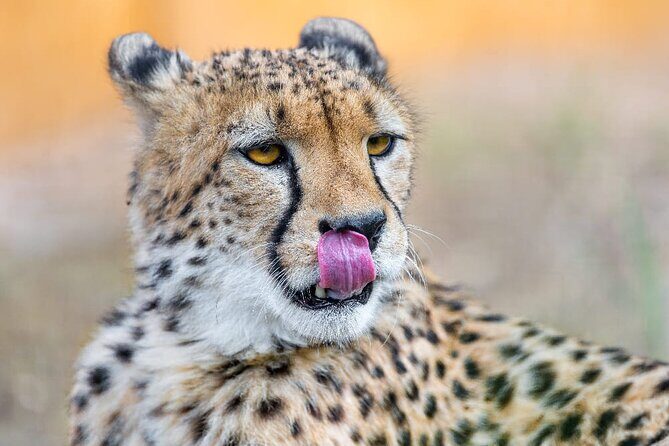
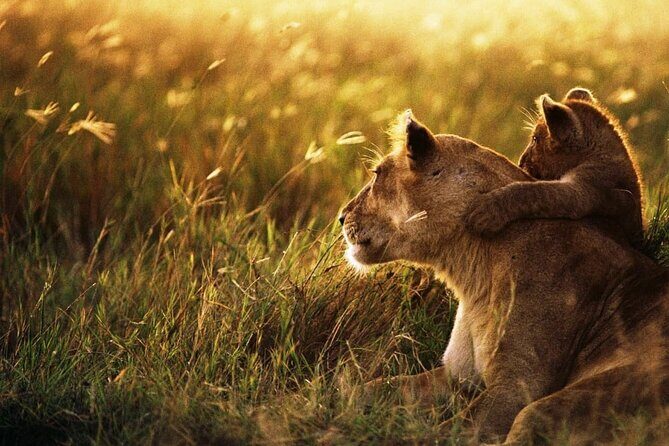
And you’ll likely move between sightings rather than staying parked too long. The goal is to keep your eyes busy and your chances broad: lions, cheetahs, giraffes, and constant bird action are all on the list.
Food-wise, this day is easier than it sounds. You’ll have a packed lunch and continue the day without turning it into a “stop for a restaurant” experience. That keeps you in wildlife rhythm and reduces dead time.
At night, you’re back at your lodge or tented camp in Serengeti for dinner and a starry break. If your brain needs a reset after scanning for hours, this part helps.
Day 3 drawback to consider
You’re looking at a long day with early start and sustained driving. If you get motion-sick easily, you’ll want to prepare for many hours on safari roads. Even when the vehicle is comfortable, it’s still an all-day route.
Day 4: Ngorongoro Crater descent, black rhino odds, and hippo pool lunch
Ngorongoro Crater is the day that feels like a dramatic switch: from open plains to a wildlife concentration area where the scenery frames the action.
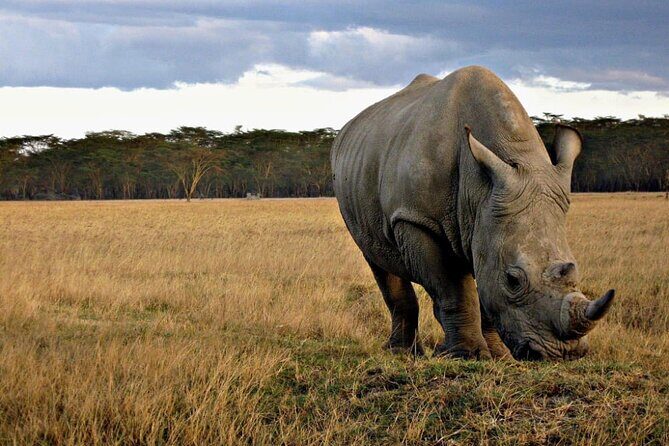
You depart early, then descend into the crater for a game drive on the crater floor. This is where the idea of “biodiversity in a bowl” becomes real. The itinerary specifically calls out the chance to spot a rare black rhino, along with other crater animals.
You’ll have a picnic lunch by a hippo pool, which is one of those details that turns a normal meal break into a wildlife moment. After that, you’ll ascend from the crater and return to Arusha, with time for local markets if your schedule allows.
Why the crater day is worth the early start
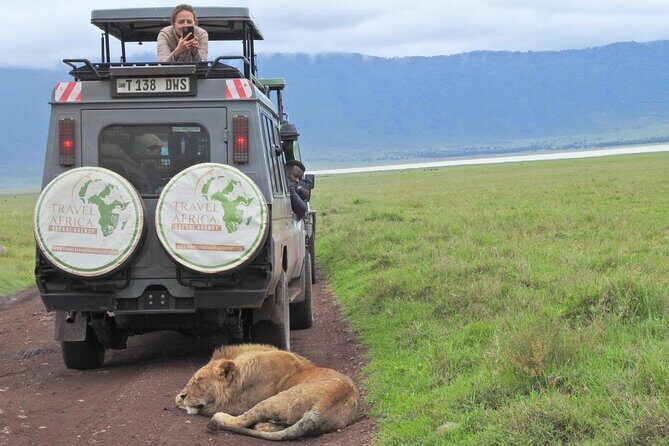
Ngorongoro’s main advantage is focus. Even with the inherent uncertainty of wildlife viewing, the crater layout tends to bring you into repeated animal zones where chances stack. Instead of searching endlessly across vast distances, you’re driving through an enclosed, known wildlife area.
Day 4 drawback to consider
Crater drives can be physically tiring because of the descent/ascent and time on uneven ground. If you have mobility limits, this is the day to think about first.
Price and logistics: what $2,274 per person really covers
Let’s talk value in plain terms. This safari lists a $2,274 per person price in Moshi-based offering terms. What you get included is the part people often forget to price separately:
Included highlights:
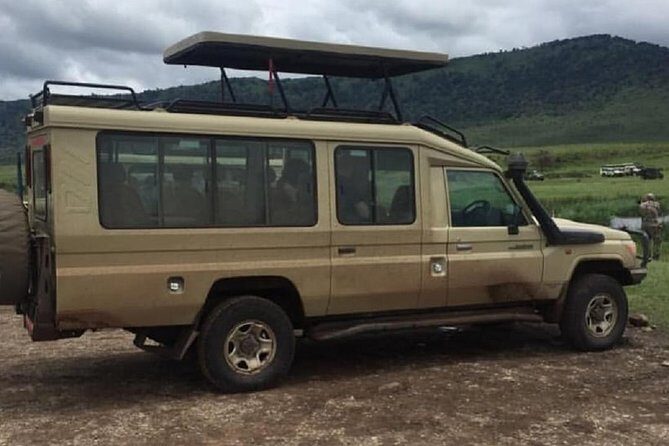
- Private transportation (you’re not sharing your vehicle with strangers)
- Landing and facility fees
- Guide (English)
- Accommodations and all camping equipment
- Bottled water and some drinks in the safari vehicle
- Meals: 4 lunches, 3 breakfasts, 3 dinners
Also, the itinerary shows Admission Ticket Free for the park days. That’s a helpful signal, but I’d still confirm what “free” means in your final booking and whether any reserve fees are handled by the operator. Small fee surprises are rarely fun on safari.
Not included:
- Flight
- Insurance
- Tips for the guides
Here’s how to think about the cost. If you were to DIY parts of this (vehicle, guide, park logistics, lodging, and meal planning), you’d spend time and money juggling pieces across remote areas. This package bundles the hard-to-organize parts so you can focus on the wildlife days.
If you’re the kind of traveler who hates surprises and wants a smooth start to finish, that bundle is worth paying for.
One more practical point about the package
This is marked as a private tour/activity, meaning it’s only your group. That usually makes schedules feel less crowded and decisions easier with your guide. It can also mean your per-person cost stays high if you’re traveling as just a couple. If you’re splitting among friends, the value math often improves.
Private group timing and how it affects your game drives
Because this is a private setup, you’re not competing with other groups for the same viewing moments. That makes a difference, especially in Serengeti where animals can move quickly and where your guide’s driving decisions matter.
Your guide drives the day like a working plan:
- Morning search effort first
- Lunch breaks timed to keep you in wildlife country
- Longer view windows when the sightings are worth it
You also get 24 hours support, which is useful when weather or timing shifts. Safari is weather-dependent, and the tour notes that good conditions are required.
If you’re traveling with family or a small group of friends, private can feel calmer. You can ask more questions, adjust your pace, and keep your attention where it belongs: spotting animals and learning their behavior as your guide points it out.
Wildlife expectations: what you can count on and what varies
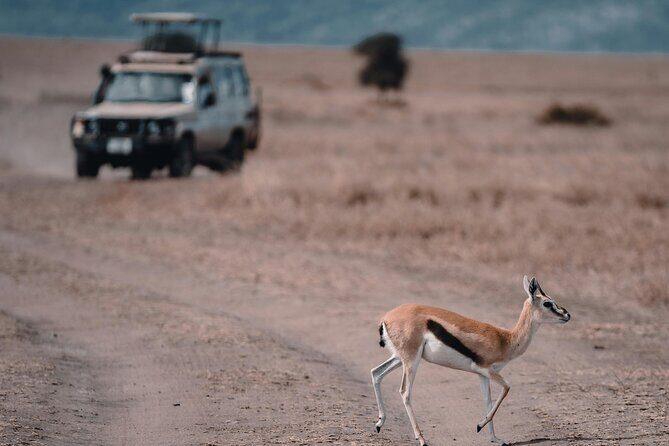
I like that the itinerary is honest about seasonal variability. Serengeti’s wildebeest and zebra migration depends on the time of year, so you should treat migration as a possibility, not a guaranteed trophy moment.
Tarangire is a steadier bet for its signature animals. The big elephant herds and baobab scenery are part of what makes the park feel uniquely “Tarangire,” even when wildlife sightings are scattered in the typical way.
Ngorongoro is the concentrated finale. The itinerary calls out black rhino as possible, which is exciting. But remember: with wildlife, odds are never promises. The smarter move is to go for the full experience: varied mammals, birds, and the surreal crater setting.
Who this safari suits best
This 4-day safari fits best if you want:
- A short trip that still covers three major park experiences
- Early mornings and structured game drives without daily planning stress
- English guidance and built-in lodging plus meals
It’s also a good option if you’re traveling with a group where private logistics matter, like friends traveling together or parents who prefer guided organization over open-ended driving.
If you want a slower, no-early-start safari, you might find the schedule intense. But if you like your wildlife time packed into the hours when animals are most active, this tour style fits that energy.
Should you book this 4-day Tarangire–Serengeti–Ngorongoro safari?
You should seriously consider booking if you want a clear route, an English-speaking guide, and most of the moving parts handled: vehicle transport, accommodations, camping gear, and meals. The pacing also makes sense for a 4-day window, with Serengeti covered twice and Ngorongoro as a high-impact final day.
You might rethink it if you’re looking for zero early starts, you expect guaranteed migration sightings, or you have mobility concerns that could make crater descent/ascent harder. And since flight and insurance are not included, build those into your budget early.
If you can handle a busy schedule and you want iconic Tanzania in a tight, well-run circuit, this is the kind of safari that gives you that rare feeling: you’re tired from wildlife watching, not from chaos.
FAQ
What parks are included in this 4-day safari?
This safari covers Tarangire National Park, Serengeti National Park, and Ngorongoro Crater in the Ngorongoro Conservation Area.
Where does the trip start and end?
The itinerary starts from Arusha and ends back in Arusha after the Ngorongoro Crater day.
Is pickup included?
Pickup is listed as offered, and the tour also includes private transportation as part of the service.
What meals and drinks are included?
You get 4 lunches, 3 breakfasts, and 3 dinners. The safari vehicle includes bottled water and some drinks.
What kind of accommodation can I expect?
You’ll stay in lodge or tented camp style accommodations. The first night is listed as Motto Cottages Lodge or a tented camp, and the Serengeti nights are listed as lodge or tented camp.
Do I get an English-speaking guide?
Yes. The tour includes a guide (English).
What is not included in the price?
The tour does not include flight, insurance, or tips for the guides.
Is free cancellation available?
Yes. You can cancel up to 24 hours in advance for a full refund, and the tour notes that it requires good weather. If it’s canceled due to poor weather, you’ll be offered a different date or a full refund.