REVIEW · ARUSHA
4 days luxury safari (a dream experience)
Book on Viator →Operated by safari soles tours · Bookable on Viator
Dreaming of Serengeti from the air? This 4-day luxury fly-in safari turns long drives into big game viewing, with early and evening drives in the parks. The one catch: the schedule runs on early mornings, and if you hate waking up before sunrise, you’ll feel it.
What makes this one a standout value is the mix of comfort and access. You’re not just doing a quick circuit; you’re spending real time on the ground in Serengeti National Park and then staying at Sopa Lodge Ngorongoro on the rim, so you’re close to the crater when it matters most.
I also like how organized this program tends to feel. Past guests have specifically thanked team members like Catherine and Jessica for smooth coordination, and drivers/guides including Jonathan, Ernest, Abdul, Raymond, Elias, and Innocent for the kind of guiding that helps sightings happen more often (and not just by luck).
In This Review
- Key things to notice before you go
- From Arusha to a Serengeti landing: why this style of safari works
- The Day 1 flow, in plain terms
- Serengeti mornings, a port stop, and the value of repeat drives
- What you should expect on Day 2
- The Serengeti-to-Ngorongoro shift: Sopa Lodge on the rim changes the game
- Day 3 highlights you’ll feel
- Ngorongoro Crater and the black rhino quest: the hardest target
- The Day 4 rhythm, what it means for you
- What you’re paying for: $4,500 in safari reality
- The one value warning I’d give
- Guides, coordination, and the little things that make it feel premium
- Practical tips so your safari day runs smoother
- Cancellation and weather: the small print that actually matters
- Who this safari suits best
- Should you book this 4-day fly-in luxury safari?
- FAQ
- Where does this safari start?
- How long is the safari?
- Is it private or shared with other groups?
- What wildlife parks are included?
- Are park admission tickets included?
- Is pickup included?
- What if the safari is canceled due to weather?
Key things to notice before you go
- Fly-in, jeep-on arrival: you land and go right into a full game drive rather than spending hours transferring.
- Serengeti rhythm: early-morning drives plus late-evening drives, which is when animals often move and you get better light.
- Night-and-rim convenience: sleeping at the crater rim lodge (Sopa Lodge Ngorongoro) saves time and makes the next day’s crater descent more practical.
- Maasai village cultural visit: a dedicated block for cultural touring before you settle in near the crater.
- A real black-rhino search day: descending into Ngorongoro to look for black rhinos, with the honest expectation that it’s hard.
From Arusha to a Serengeti landing: why this style of safari works
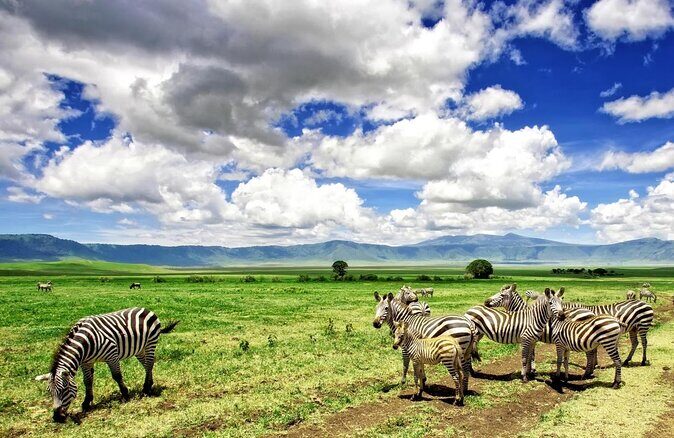
This is a classic Tanzania setup done in a smart way: you start from Arusha, then fly into the Serengeti area so your safari time stays focused on animals, not road time. After you arrive, the plan is simple and efficient: a jeep meets you at the airstrip, and you go straight into a game drive before the day settles down.
I like this format because it compresses the “getting there” phase. By the time you’re at the lodge for lunch and rest, you’ve already done real viewing from the road. It also helps with energy levels. Instead of spending a whole day in transit, you’re learning the rhythms of the park early, then returning for another evening drive once you’ve had time to recharge.
A few more Arusha tours and experiences worth a look
The Day 1 flow, in plain terms
You fly from Arusha to the Serengeti area, then the jeep is waiting at the airstrip for a full game drive. After that, you head to the lodge for lunch and a rest period. Later, you go out again for an evening game drive.
One practical benefit here is pacing. Evening drives often feel more relaxed than the first morning drive because you’re already “in safari mode,” and you get the second chance of the day when animals move again.
Serengeti mornings, a port stop, and the value of repeat drives
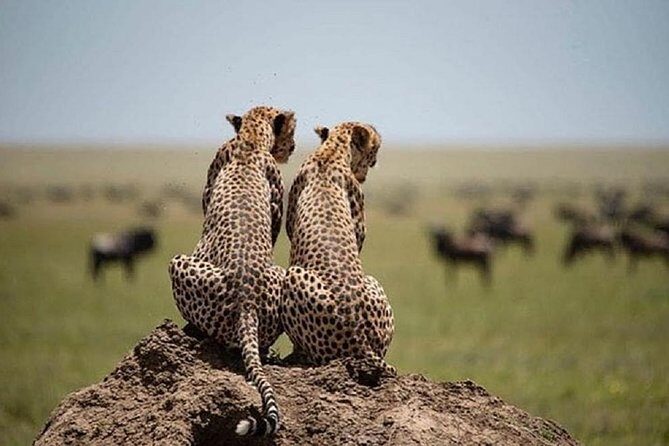
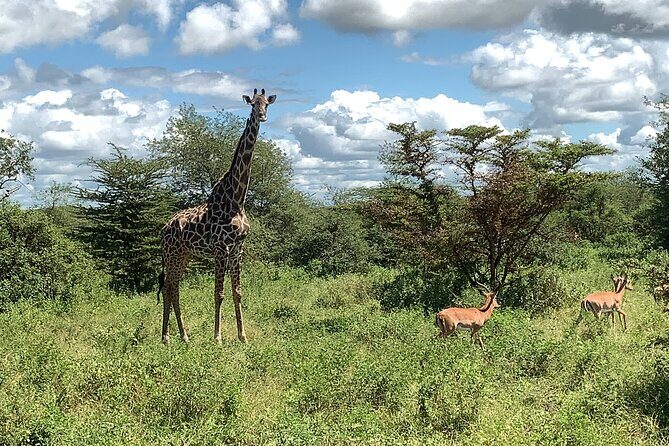
In Serengeti, repetition is a feature, not a flaw. This safari gives you at least two different outings on different days: early morning game drives and late-evening drives. That matters because animal movement changes with light and temperature, and your guide can adjust based on what the park is giving that morning.
Day 2 starts with an early game drive. Then the program has you head to a port area for some of the park’s best views and wildlife/scenery moments, before returning to the lodge to relax and go out again for a late evening game drive.
That port stop is worth mentally packing as a “pause for perspective,” not just another transfer. You’re breaking up the day so you’re not stuck in the vehicle the entire time. If you’re the kind of person who loves to look, take photos, and absorb the sense of scale, this part can be surprisingly satisfying.
What you should expect on Day 2
- Early morning viewing when animals are active
- A focused break for port-area views and wildlife/scenery moments
- A late evening drive to catch the softer light and evening movement
A balanced note: because this is Serengeti, sightings are never guaranteed. The program is designed to maximize your odds through timing and repeat drives, but the park still runs by its own rules.
The Serengeti-to-Ngorongoro shift: Sopa Lodge on the rim changes the game
Day 3 is where the safari turns into something that feels more “trophy” than “checklist.” You get an early breakfast, then another early game drive, with the goal of seeing a lot of animals through the morning. The plan continues through the afternoon and then transitions out of Serengeti.
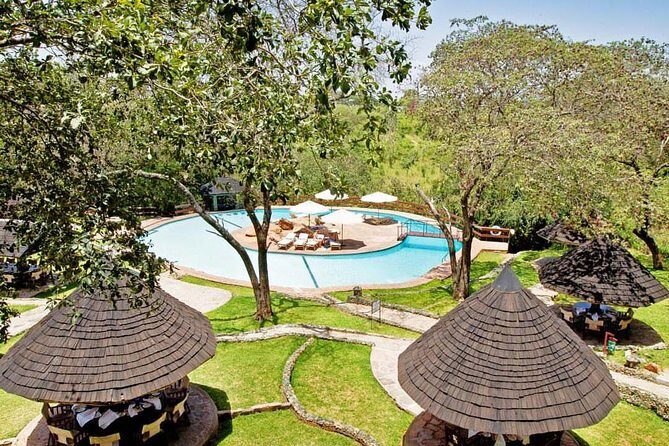
This is also the day you move toward the crater area and specifically to Sopa Lodge Ngorongoro, located on the rim of Ngorongoro Crater. That detail matters. Staying on the rim means you’re not losing half a day to repositioning when you want to descend early the next morning.
And before you fully settle in, there’s a cultural stop: a Maasai village tour. The way this is scheduled makes it feel grounded, not rushed. You’re arriving to the crater region, and then you get a human-scale experience before the next big nature moment.
A few more Arusha tours and experiences worth a look
Day 3 highlights you’ll feel
- Another early drive for prime viewing time
- A smooth transition from Serengeti toward Ngorongoro
- Sopa Lodge Ngorongoro as your base on the rim
- A Maasai village visit before accommodation near the crater
One consideration: Day 3 is longer and more “active” than a day that stays in one park. If you’re sensitive to travel fatigue, you’ll want to treat this day as a full-day flow and plan your energy around it.
Ngorongoro Crater and the black rhino quest: the hardest target
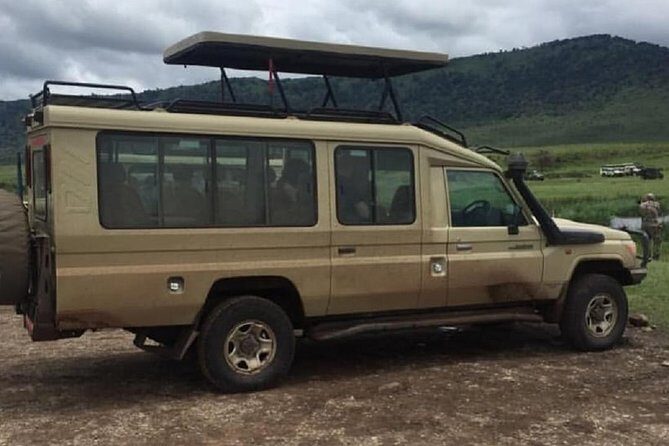
Ngorongoro Crater is famous for a reason. It’s a natural bowl, and animals are often easier to spot from certain angles because the viewing happens in a concentrated space. That’s why this safari builds in a dedicated Day 4 that starts with an early breakfast and then a crater descent.
The key mission on Day 4 is searching for black rhinos. The program is direct about this: black rhinos are the hardest to spot, even in a place as alive as Ngorongoro. That honesty is important. You’re not being sold a guarantee. You’re being taken into the right area and given the time and effort expected of a real crater search day.
After your crater viewing segment, the plan includes lunch, then another game drive, and finally you ascend back up to your lodge area. From there you pack for the trip back to Arusha town.
The Day 4 rhythm, what it means for you
- Early descent to maximize your time inside the crater
- Target search for black rhinos (difficult, so patience helps)
- Post-lunch game drive after the main search block
- Return to lodge area, packing, then transfer back to Arusha town
If you’re coming for one “big moment,” this is it. Not because it will be easy, but because it’s the kind of experience that turns a safari trip into a story you’ll keep telling.
What you’re paying for: $4,500 in safari reality
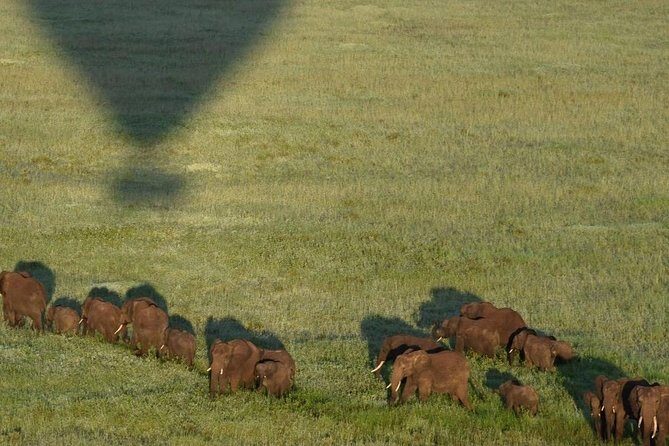
At $4,500 per person for roughly 4 days, this is not a budget safari. It’s positioned as a mid-range luxury option, and the value case comes down to what’s included in the flow.
Here’s what supports the value argument from the program details:
- Fly-in access that saves serious road time
- Multiple game drives across different parts of the circuit
- A base at Sopa Lodge Ngorongoro on the crater rim, which reduces repositioning stress
- Private operation for your group only, which usually means less waiting and more flexibility with your schedule
- Park access is labeled as Admission Ticket Free for multiple segments, with other parts labeled as Included
The other value driver is comfort versus repetition. When you’re doing early drives plus late drives for multiple days, you want your lodging and transport to keep up. This is why the “mid range” positioning matters. You get a “dream experience” feel without paying for the most extreme top-tier luxury.
The one value warning I’d give
The cost is high enough that you should feel confident about your dates and willingness to follow the schedule. Also, black rhino spotting depends on conditions. If you’d be disappointed by the possibility of not seeing a specific animal, make sure your expectations are aligned with a search, not a promise.
Guides, coordination, and the little things that make it feel premium
Safari success has two parts: where you go and how you go. This program’s reputation leans hard toward the second part.
From previous feedback, I see repeated praise for organization and communication. People have thanked Catherine and Jessica by name for planning and coordination, and they’ve highlighted guides like Jonathan, Ernest, Raymond, Abdul, Elias, and Innocent for animal focus and professional guiding. Even when a day is “just” a drive, a good guide helps you find animals faster and interpret what you’re seeing.
You’ll also notice the operational details that reduce friction:
- Pickup offered so you’re not piecing together logistics
- Mobile ticket for easier access
- Private tour/activity so it’s just your group
- Group discounts, which can help if you’re traveling with friends or expanding your circle a bit
One more plus: confirmation is provided at the time of booking. That matters when you’re pairing flights and safari start times.
Practical tips so your safari day runs smoother
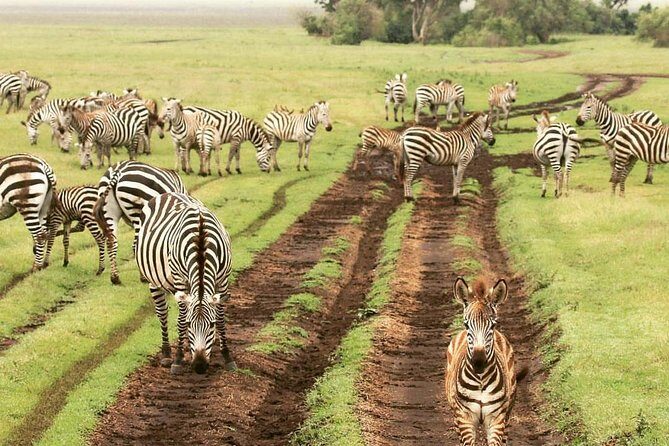
You can’t control animal behavior, but you can control your comfort. A few practical moves make early and late drives easier:
- Plan for early mornings. Even if you sleep well, the wake-up rhythm is part of the deal on this kind of circuit.
- Bring layers. Safari days can shift from cool early air to warmer daytime temps, and a vehicle game drive means you’re outside for long stretches.
- Pack for dust and sun. A light hat and sunglasses help, and consider gloves if you’re sensitive to morning chill.
- Use your body wisely. Day 3 and Day 4 are the most “full.” Staying hydrated and taking that lodge rest time seriously will pay off.
Also, be realistic with cameras and phone batteries. Game drives mean lots of hours searching and stopping. A backup power option can save you.
Cancellation and weather: the small print that actually matters
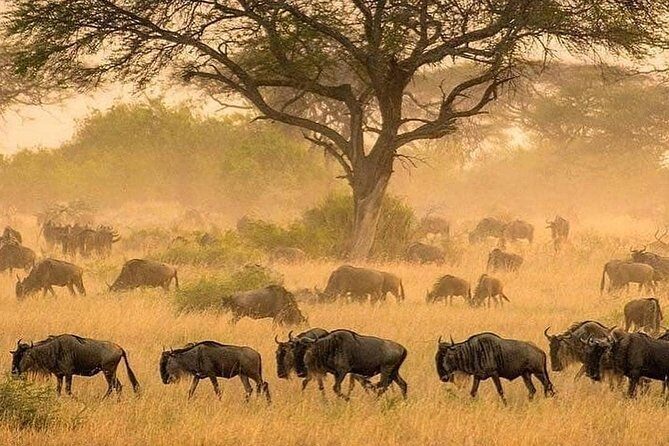
This experience requires good weather, and if it’s canceled due to poor weather, you’ll be offered a different date or a full refund. That’s not just legal language; for a fly-in safari, weather can affect flights and airstrip timing.
The policy also supports peace of mind: you can cancel up to 24 hours in advance for a full refund.
Who this safari suits best
This is a strong fit if you want:
- A 4-day Serengeti + Ngorongoro mix without wasting time on long drives
- A more comfortable pace that still includes multiple game drives
- A “big goals” day inside Ngorongoro, including the black rhino search
- A private setup for your group
It also fits a wide range of travelers since the program says most travelers can participate. Still, because the schedule is active and includes crater descent time, if mobility is a major concern for you, you should think ahead about how that impacts your comfort.
Should you book this 4-day fly-in luxury safari?
If you want the easiest way to experience Serengeti and Ngorongoro in a tight 4-day window, this is a compelling choice. The combination of fly-in access, repeated drives at the right times, and staying at Sopa Lodge Ngorongoro on the rim makes the whole trip feel efficient and intentional.
I’d especially recommend it if:
- You’re willing to wake up early for the best viewing
- You want a serious Ngorongoro day focused on black rhino searching
- You value smooth coordination and professional guiding over bargain pricing
I would not book it if:
- You dislike schedules built around early starts and long days
- You need a guarantee for a specific sighting. This is a search, and black rhinos in particular are difficult.
FAQ
Where does this safari start?
It starts in Arusha, Tanzania.
How long is the safari?
The duration is approximately 4 days.
Is it private or shared with other groups?
It’s private, meaning only your group participates.
What wildlife parks are included?
You visit Serengeti National Park and Ngorongoro Crater.
Are park admission tickets included?
Admission ticket details are listed as free for several segments, and included for parts of the Ngorongoro Crater and cultural touring.
Is pickup included?
Yes, pickup is offered.
What if the safari is canceled due to weather?
The experience requires good weather. If it’s canceled due to poor weather, you’ll be offered a different date or a full refund. You can also cancel up to 24 hours in advance for a full refund.
If you tell me your travel month and whether you’re a family, couple, or solo traveler, I can also suggest the best mindset for early drives and how to plan your camera/packing for the crater day.