REVIEW · ARUSHA
Safari “Kifaru” – 5 days in the most famous Parks in the world
Book on Viator →Operated by Safari Crew Tanzania · Bookable on Viator
Five days, three big safari names. This is a tight Tanzania route that links Lake Manyara, the volcanic Ngorongoro Crater, and the wide-open Serengeti so you get very different wildlife settings in a short time.
I love how the parks are spaced by ecosystem, not just by geography. You’ll move from Rift Valley forest and lake-edge marsh to a massive caldera bowl, then into Serengeti grasslands where visibility tends to be better.
I also like the way this works as a private experience, with airport transfers and a full meal plan handled for you. One thing to consider is that flight timing matters: if you arrive after 9:00 am, you still reach Karatu, but you may miss some en-route activities.
In This Review
- Key highlights worth knowing before you go
- The real draw of Safari Kifaru: three parks, one efficient route
- Lake Manyara starts the safari engine (and sets expectations)
- Mto wa Mbu: an easy add-on for real rural Tanzania
- Ngorongoro Crater: a whole ecosystem inside one ancient caldera
- Serengeti: open sightlines and the big seasonal story
- Ngorongoro Conservation Area: UNESCO status and Maasai settlement rights
- Timing, drives, and how to make the most of long days
- Price and value: what $2,930 buys you (and what it doesn’t)
- Who this safari fits best (and who should reconsider)
- Should you book Safari Kifaru with Safari Crew Tanzania?
- FAQ
- Which parks are included in Safari Kifaru?
- Are airport transfers included?
- Is this safari private?
- What meals are included?
- What if my flight lands after 9:00 am on the first day?
- Are park fees or admission tickets included?
- Do I need to arrange my own flights and visa?
- When do I get a full refund if I cancel?
- What information do I need to send after booking?
- Is the tour suitable for most travelers?
Key highlights worth knowing before you go
- Lake Manyara’s mix of habitats: forest springs, savannah, lake-edge marsh, and tons of birds in a small park
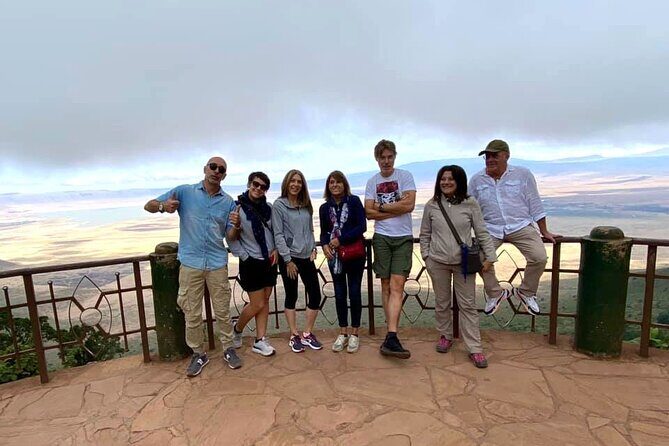
- Ngorongoro’s caldera concentration: a bowl-shaped setting with over 25,000 large animals, plus epic photo angles from the rim
- Serengeti sightings with open sightlines: grasslands dominate (especially in the south) so animals tend to be easier to spot
- Timing for the Great Migration: the plan can add overnights in Ndutu and Seronera during end-of-Dec to April
- Private safari logistics: airport transfers covered (JRO and ARK) and you travel only with your group
- A proven operator: Safari Crew Tanzania has 20+ years in the Rift Valley and won Tripadvisor Travellers’ Choice 2024 (Safari/Photo Tour/Nature/Wildlife)
The real draw of Safari Kifaru: three parks, one efficient route
If you want the Tanzania “greatest hits” without wasting days on backtracking, this 5-day loop makes a lot of sense. Lake Manyara, Ngorongoro Crater, and Serengeti each have their own feel, and the tour leans hard into that variety—so your photos don’t all look like the same day repeated.
What makes this route especially compelling is that it’s built around animal density and movement. The Ngorongoro Crater is described as holding a huge population in one enclosed caldera, while Serengeti is set up for constant searching—especially around migration timing in the right months.
Yes, you’ll spend time on roads. But the trade-off is that you pack more “wow” into fewer days, which is usually what people mean when they say they want a once-in-a-lifetime safari.
A few more Arusha tours and experiences worth a look
Lake Manyara starts the safari engine (and sets expectations)
Your first park stop is Lake Manyara, a relatively small park that still manages to cover a lot of ground. It sits under the Rift Valley escarpment, and the tour’s description matches what you’d hope for on day one: forests fed by springs at the valley edge, savannah areas, and marshy lake-edge zones.
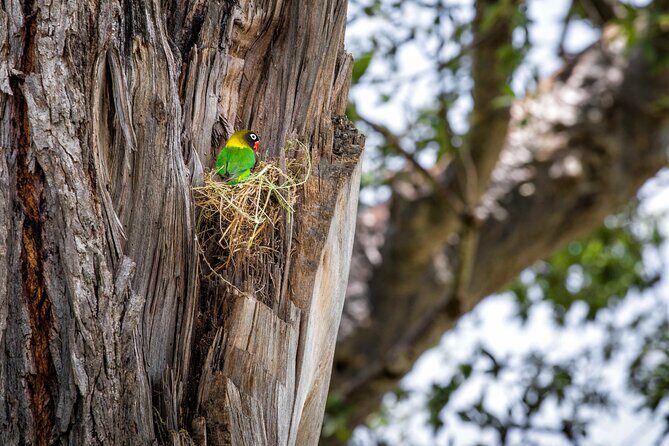
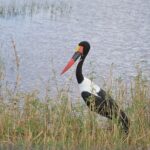
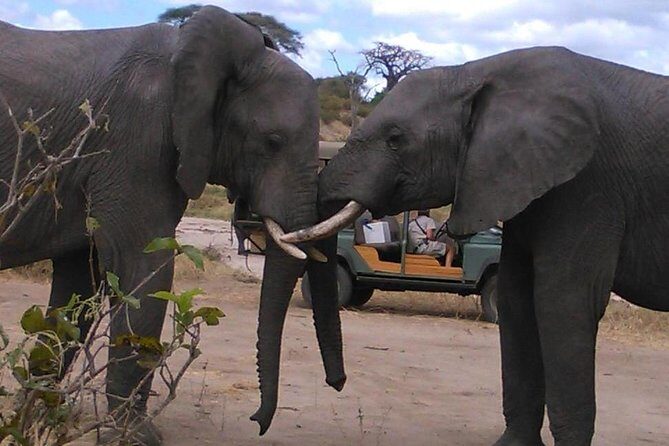
This matters because it changes what you might see—within the same general region. The tour lists big names like elephants and giraffes, plus monkey groups like baboons and vervets. And it also calls out birds heavily, with about 380 bird species, which is a reminder that you’re not just hunting big-game sightings.
Two practical timing realities:
- If you land before 9:00 am, you can do the Lake Manyara game drive.
- If you arrive later, you still get to Karatu, but you may approach the parks-day schedule without the extra stop.
One smart way to use that first day is to keep your mindset flexible. Lake Manyara is often a “variety first” park. If you’re expecting only one type of scene, you might feel underwhelmed. If you come expecting habitat variety, you’ll probably enjoy the pace more.
Mto wa Mbu: an easy add-on for real rural Tanzania
Depending on your arrival time, you can pair the safari with a visit to Mto wa Mbu, an agricultural village at the base of the Rift cliff. The tour frames it as a chance for an authentic look at contemporary rural life in Tanzania, and it also highlights that the area reflects multiple ethno-linguistic groups.
This stop is valuable because it slows the whole trip down for a moment. After hours in vehicle time and wildlife focus, you get to see how people live and work day to day. Even if you’re mainly there for animals, it helps the safari feel less like a bubble.
A small consideration: this kind of village visit can add heat and time on foot. The tour doesn’t spell out a length for the village stop beyond the day’s overall block, so I’d plan for basic sun protection and comfortable shoes.
Ngorongoro Crater: a whole ecosystem inside one ancient caldera
Ngorongoro Crater is where a lot of people start imagining Tanzania at its most iconic. The tour describes it as the remains of an ancient volcanic cone where the top collapsed about 2.5 million years ago, leaving a caldera with a savannah floor.
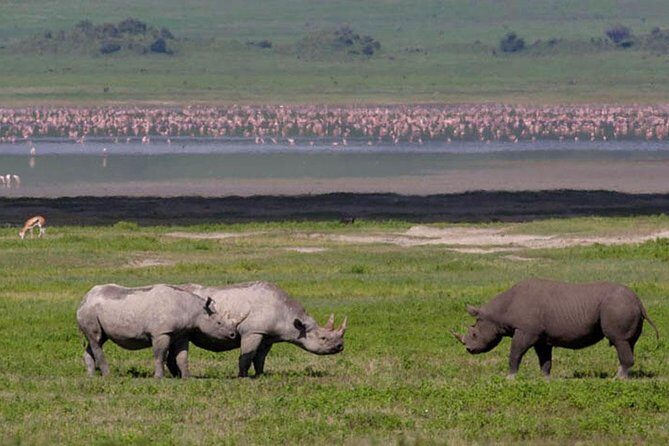
The numbers are part of the magic here. The crater is described as having a diameter around 16–20 km, with raised edges about 600 meters above the bottom. And the tour states that more than 25,000 large animals live within that “pan.”
That’s why the viewing tends to feel different than open-plains safari. In a massive enclosed setting, wildlife doesn’t have to travel as far to share the same space in front of you. You’re still doing a “game drive,” but the geography does some of the work.
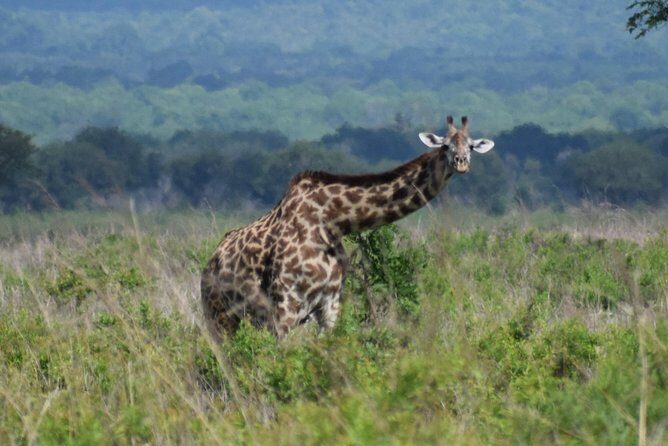
A detail worth knowing from the tour description: the typical species of the region live in the crater, with the notable exception that giraffes don’t find nourishment here. That doesn’t mean you should ignore giraffes elsewhere—it means the crater has its own rules.
Expect dramatic views from the rim as well. The tour mentions the edge sits at about 2,300 meters above sea level, so you may feel cooler air than you expect at lower elevations.
If you’re the type who loves photography planning, Ngorongoro is your “set the camera settings and wait for moments” day. If you prefer constant motion, it can still work—just lean into patience, because the crater rewards slow scanning.
Serengeti: open sightlines and the big seasonal story
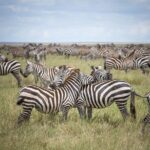
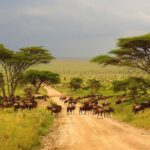
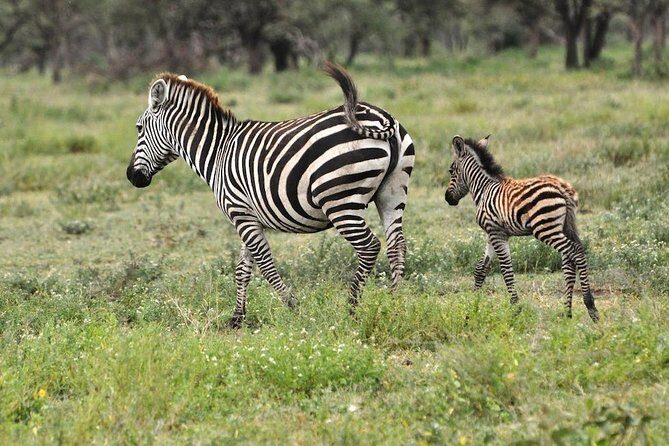
Serengeti National Park is presented as the most famous Tanzanian park and one of the most famous in the world. The tour’s wildlife list is enormous, and it gives you a reality check on why people keep coming back: more than 1.5 million wildebeest, about 300,000 zebras, and huge predator populations listed like over 2,700 lions, plus leopards, cheetahs, elephants, and more.
Two tour points are especially useful for how you’ll experience the park:
1) Grasslands dominate, especially in the south. The tour notes that volcanic subsoil can prevent tall trees from growing, so the environment stays more open. That tends to improve sightings, because animals aren’t hidden behind thick brush as often.
2) The Great Migration timing can be built into the trip. The plan says that for end-of-December to April, it can add overnights to increase your chance of seeing the migration: one night in southern Serengeti (Ndutu) and one in central Serengeti (Seronera).
That’s not just a marketing line. It’s how you turn Serengeti from a “general safari” into a seasonal story. If you’re traveling during those months, it’s smart to ask how your exact dates line up with the Ndutu/Seronera plan. Even within the same season window, timing can shift how active and visible animals are.
One more practical note: you’ll be on safari drives on more than one day in Serengeti. That’s good for your nerves and your camera. Wildlife sightings often don’t arrive on schedule, so extra time increases your odds of getting multiple moments instead of one big hit.
A few more Arusha tours and experiences worth a look

Ngorongoro Conservation Area: UNESCO status and Maasai settlement rights
After the Serengeti time, the tour includes a stop in the Ngorongoro Conservation Area. The big distinction here is legal and practical: it’s not a national park. The tour says it’s administered independently, where the environment is preserved and the Maasai community’s right to settle is recognized.
That matters for how the area feels. You’re not just looking at wildlife in a protected “no people” space. You’re in a living, inhabited conservation setting shaped by long-term land use and stewardship. The tour also flags that this is a UNESCO World Heritage Site since 1978, and it became an International Biosphere Reserve in 1981.
It’s described as covering 8,300 square kilometers and including multiple ecosystems—rainforests, mountain grasslands, and grass expanses along the Serengeti border. So even if you’re mostly chasing animal encounters, the area has variety in the background too.
This is a good stop to slow down mentally. It can help you connect the safari to real conservation policy, not just the wildlife brochure.
Timing, drives, and how to make the most of long days
This safari is designed around full-day wildlife blocks. The tour’s day segments commonly run around 8 hours for park drives, plus shorter blocks for specific conservation and travel time.
That has two implications for you:
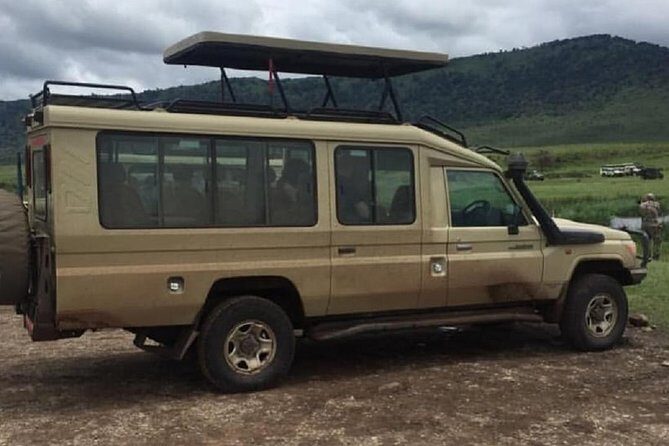
- You’ll want a vehicle setup that keeps you comfortable for long hours.
- You’ll want a simple kit so you’re not constantly stopping.
Bring practical stuff: sunscreen, a hat, water, and layers. Elevation can change where you feel warmth and cold. The crater rim altitude alone is a hint that mornings might feel brisk compared to what you expect.
Also, set your expectations on photo safari pace. Photo-focused safaris aren’t just about snapping quickly. They’re about scanning and waiting for the right moment when animals move into view.
If you’re traveling with a group that varies in wildlife patience, ask the guide to balance scanning time and repositioning time. Open plains can reward patience. Dense corners can require more movement. You want both, but you want it managed.
Price and value: what $2,930 buys you (and what it doesn’t)
At $2,930 per person, this isn’t a budget safari. But it’s not priced like a vague “we’ll figure it out later” trip either. The value comes from what’s bundled and what isn’t.
Included items that matter:
- Private transportation
- Accommodations
- Airport transfers for JRO and ARK
- Meals: 4 breakfasts, 5 lunches, and 4 dinners
- All fees and taxes
- The tour is private, meaning it’s only your group
Those inclusions are the big cost drivers on safari. When park fees, guiding, and logistics are handled, you avoid the common headache of piecing together separate services.
What’s not included:
- International and local flights
- Entry visa for EU, CH, UK citizens
- Tips and anything not explicitly listed
So the real question isn’t only cost—it’s whether you want to pay for a smoother end-to-end plan. If you’re tired of hunting down transfers, coordinating lodge nights, and figuring out which park fees go where, the bundled approach looks like good value.
If you enjoy travel DIY and already have flights and lodging lined up, a private bundled safari may feel expensive compared to building your own version. But given the tight 5-day window, most people who pick a “big parks” plan prefer to outsource the coordination.
Who this safari fits best (and who should reconsider)
This experience is a strong match if you:
- Want one focused trip covering Lake Manyara, Ngorongoro Crater, and Serengeti in about 5 days
- Like the idea of a private safari for your group instead of sharing vehicles
- Care about photos and want photo safari time in the most famous areas
- Travel with the goal of seeing many different animal habitats, not just one type of scene
It may be a less perfect fit if you:
- Have very tight flight windows and can’t reliably arrive before 9:00 am on the first day
- Want a lighter day with minimal road time (this is built for full drives)
- Are on a strict budget and need a lower per-person cost
One more note: the trip’s description says most travelers can participate, which is good. Still, safari days mean long sitting periods and dust exposure. If you’re very sensitive to vehicle time, bring ways to stay comfortable.
Should you book Safari Kifaru with Safari Crew Tanzania?
I think this is a smart booking for people who want Tanzania’s headline parks in a short, well-managed plan. The key advantage is simple: you’re not just visiting famous places—you’re moving through different ecosystems efficiently, with logistics and meals handled so you can focus on wildlife and the places themselves.
If you’re traveling during end-of-December to April, I’d treat this as extra compelling because the Serengeti plan can align with the Great Migration via Ndutu and Seronera overnights.
Before you pay, do two quick checks:
- Confirm your arrival time on day one so you don’t lose the optional Lake Manyara vs Mto wa Mbu choice.
- Match your dates with your migration expectations if that’s a priority.
If those fit your trip, Safari Kifaru looks like a solid way to get the most iconic Tanzania safari experience without turning your vacation into a project.
FAQ
Which parks are included in Safari Kifaru?
You’ll visit Lake Manyara, Ngorongoro Crater, and Serengeti National Park. The trip also includes a stop in the Ngorongoro Conservation Area. There’s an optional village visit to Mto wa Mbu depending on your arrival time.
Are airport transfers included?
Yes. Transfers are included to and from both Kilimanjaro Airport (JRO) and Arusha Airport (ARK).
Is this safari private?
Yes. It’s a private tour/activity, and only your group participates.
What meals are included?
The package includes 4 breakfasts, 5 lunches, and 4 dinners.
What if my flight lands after 9:00 am on the first day?
If you arrive after 9:00 am, you can still reach Karatu by 1:00 pm, but without carrying out activities along the way as you approach the parks day.
Are park fees or admission tickets included?
The tour states that all fees and taxes are included. It also specifies admission ticket included for several park game drives, while some stops are listed as admission free.
Do I need to arrange my own flights and visa?
International and local flights are not included. Entry visa is not included for EU, CH, UK citizens (and tips and anything not specified in inclusions are also not included).
When do I get a full refund if I cancel?
You can cancel up to 6 days in advance for a full refund, as long as you cancel at least 6 full days before the experience’s start time.
What information do I need to send after booking?
Reservations and purchases are made via email, and you’re asked to provide your mobile phone number, passport data, arrival flight data, and departure flight data.
Is the tour suitable for most travelers?
The additional info says most travelers can participate, but it’s still a safari with long days in vehicles, so plan accordingly.