REVIEW · MOSHI
5 days Safari to Tarangire, Ngorongoro, Serengeti and Lake Manyara
Book on Viator →Operated by Kilisa Tours & Safaris · Bookable on Viator
A wild day starts fast—and this safari is built that way. You cover Tarangire, Serengeti, Ngorongoro Crater, and Lake Manyara with a private 4×4 and big-game focus.
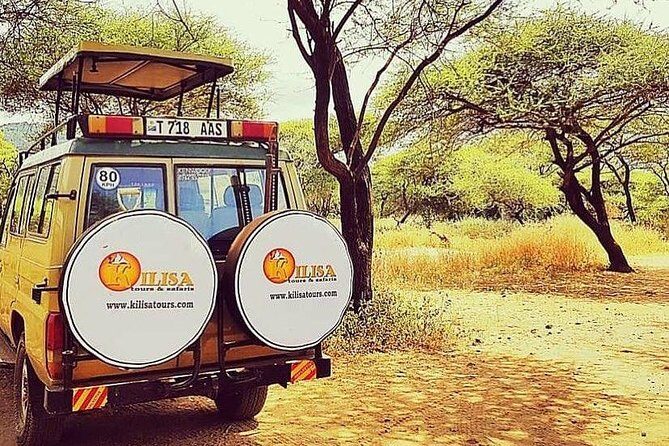
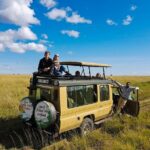
What I like most is the private safari jeep with pop-up roof, so you can spot animals without doing the stiff-necked airplane-seat shuffle.
The other big win is the density of iconic sights in just 5 days, including the chance to see the Big Five and the Serengeti areas tied to the wildebeest migration window (July to October). You get long enough drives and early starts to make sightings feel more like hunting, less like waiting.
One thing to plan for: this is not a soft-landing luxury route. Several nights are in camps or campsites, and you’ll rely on the provided camping setup—plus you may want to bring or rent a sleeping bag.
In This Review
- Key Things That Make This Safari Work
- Price and Logistics: What You’re Really Paying For
- Moshi Pick-Up and the Rhythm of Early Starts
- Tarangire National Park: Elephants, River Concentration, and Tree Climbing Pythons
- Serengeti: Sunrise Action, Predators in Motion, and the Migration Window
- Ngorongoro Crater: Rim Views, a Long Descent, and Big-Five Chances
- Lake Manyara: Birds, Hippos, and the Tree-Climbing Lion Factor
- Camping Setup, Meals, and Comfort on a Budget Route
- Who Will Love This Safari Circuit (and Who Might Not)
- Best Time to Go: Timing the Migration and Weather Reality
- Should You Book This 5-Day Safari from Moshi?
- FAQ
- How long is the safari?
- What parks are visited on this safari?
- What is included in the price?
- Are meals included during the safari days?
- Do I need to bring a sleeping bag?
- Are tips included for the guide or driver?
- Is there free cancellation?
Key Things That Make This Safari Work
- Private 4×4 with pop-up roof for better viewing on game drives
- Tarangire River all year round, which helps concentrate elephants
- Serengeti sunrise and western Serengeti game viewing for early action
- Ngorongoro crater rim lodging and a full crater day for close-to-everything odds
- Lake Manyara’s tree-climbing lions and strong bird life for variety
- Budget-friendly price for private guiding plus park fees (tips are separate)
Price and Logistics: What You’re Really Paying For
At $3,300 per person for a 5-day safari, this isn’t a bargain-basement deal. But it’s also not one of those “pay a fortune for the privilege of sitting in a bus.” The value comes from what’s wrapped into the fee.
You’re getting a private 4×4 safari jeep (with pop-up roof), a private safari guide, park fees and crater fees, and 3 meals per day during the safari days. Mineral water is included too, and the vehicles are set up with an ice chest. You also get picnic lunch boxes on drive days, which matters because it keeps your time in the bush instead of spending it at stops that don’t help your sightings.
There are a few items to keep in mind so the budget stays honest:
- Tips are not included (these are usually a big part of how guides earn extra income).
- Travel insurance and flights are not included.
- You may need a sleeping bag if you prefer your own. The listing notes sleeping bag rental is $15.
Also, the safari is capped at a maximum of 15 travelers. Even with that cap, the jeep is private for your group on safari, which usually means more flexibility than a larger shared tour.
If you like clear structure: the safari starts around 8:30 am from Moshi and runs you through the major parks on a tight loop—Tarangire → Serengeti → Ngorongoro → Lake Manyara → back to Moshi.
A few more Moshi tours and experiences worth a look
Moshi Pick-Up and the Rhythm of Early Starts
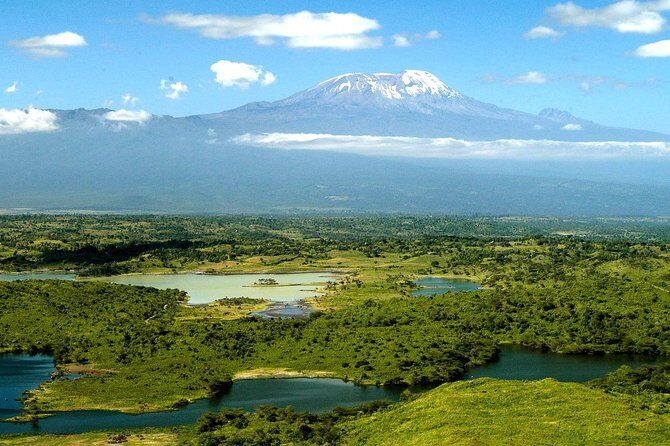
Moshi is a smart base for this kind of circuit. You’re close enough to jump into wildlife country without spending days just relocating.
Expect a schedule built around the best light and animal activity:
- Day 2 begins with an early 6:00 am departure to Serengeti.
- Day 3 includes sunrise game viewing, plus a long push toward Ngorongoro via Oluduvai Gorge.
- Day 4 includes an early crater start and a full day inside the caldera zone.
That rhythm can feel intense at first, but it’s also what turns “seeing animals” into a real safari day. If you sleep in, you’ll miss the best chances for predators and big herds moving through.
Also, you’ll have meet-and-greet coverage at arrival/departure points (airport or bus station). The experience uses mobile ticketing, and the provider mentions pickup offered, which is exactly what you want when you’re trying to keep travel days simple.
Tarangire National Park: Elephants, River Concentration, and Tree Climbing Pythons
Tarangire is one of those parks where the animals don’t feel randomly scattered. A major reason is the Tarangire River flowing all year round. When the water stays consistent, wildlife tends to stay consistent too—especially elephants.
On your first full day in the park, you’ll be out for full-day game viewing with picnic lunch boxes. This is where Tarangire earns its nickname as a strong elephant area. I like how this day is structured: you’re not “in and out.” You’re given the time to watch movement patterns—groups coming to water, animals shifting across open ground, and predators using the same routes.
What you might see (based on the experience details):
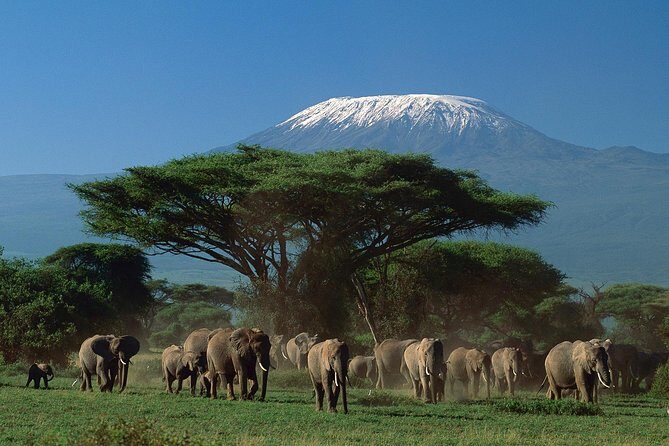
- Elephants in larger groups around the river
- Lions and leopards (always more hit-and-miss, but the odds are better with time)
- Giraffes
- Even mentions of tree-climbing pythons
A practical note: if you’re the kind of traveler who wants variety, Tarangire is a nice first stop. You’re not starting with the crowds of the Serengeti plains, and you’re not diving straight into crater terrain. You ease into safari mode with a park that makes wildlife feel close even when you’re still driving.
Drawback to consider: your first day is a big transition from Moshi into a full viewing block. If you get motion-sick easily, consider packing something for the drive and keeping your eyes on the horizon rather than the dashboard.
Serengeti: Sunrise Action, Predators in Motion, and the Migration Window
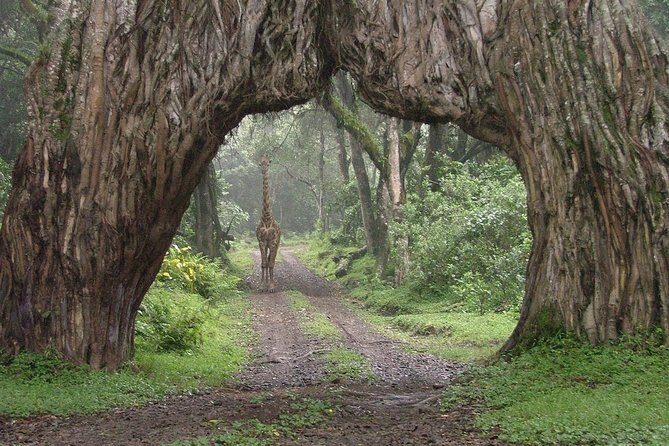
Serengeti is where you go when you want the idea of Tanzania to turn into something real. You’re heading there early, and the plan includes game viewing en route from the Ngorongoro Gate area through Olduvare into Serengeti National Park.
The key Serengeti value in this route is time + pacing:
- You arrive with enough day left to hunt for big sightings.
- You get sunrise game viewing in western Serengeti.
- You’re not stuck only on one stretch of road.
Serengeti’s draw is clear: open plains, predators searching, and herds moving in broad strokes. The details point to:
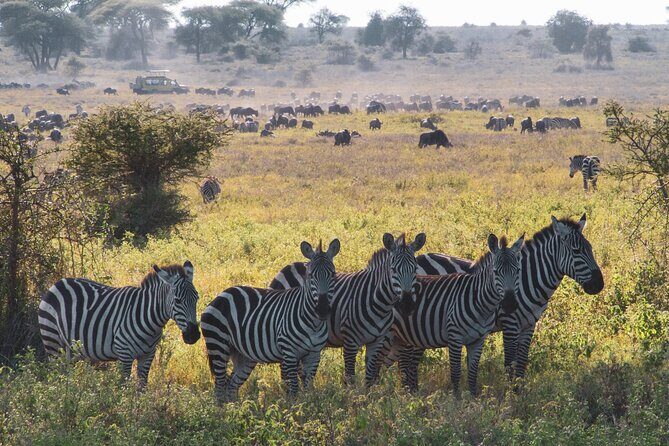
- Wildebeest migration (July to October is the prime window mentioned)
- Lions, plus predators like hyenas, cheetahs, and leopards
- Grumeti River area for crocodiles and hippos
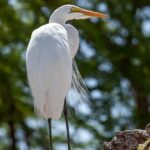
- Lots of grazing animals like giraffes, antelopes, and gazelles
Let’s talk about the migration idea in a practical way. If you’re traveling July through October, your odds of seeing migration activity are better simply because the experience is built around that season. If you’re outside that window, you’ll still find Serengeti wildlife—just not with the same migration pressure point.
One more thing I like: the route includes time in places that aren’t just “the most famous spot.” There’s a sunrise component in western Serengeti, which often helps you see animals moving before the heat and crowds have fully kicked in.
Potential drawback: driving distances across Serengeti can eat the day. This isn’t a “sit back and watch Netflix in the car” safari. It’s active. If you hate long hours on uneven roads, you may feel it by Day 3.
Ngorongoro Crater: Rim Views, a Long Descent, and Big-Five Chances
Ngorongoro Crater is the main character in this circuit. You don’t just pass by—it’s treated as a full-day focus.
On your crater approach, you’ll go via Oluduvai Gorge and then reach lodging on the crater rim (Simba Camp is named). Staying near the rim matters because it gives you crater views and helps you make the day inside feel more complete. You’re not trying to race back and forth in one half-day block.
Day 4 is where the Big Five logic kicks in. The plan includes:
- An early start with a crater descent
- A full crater tour of around 6 hours
- Lunch at a picnic site on the crater floor
- Game viewing with a noted high possibility of spotting the Big Five in one day (lion, rhino, elephant, buffalo, leopard)
- An afternoon ascent for lunch, then dinner and overnight back at Fanaka/Anennature Camp
A quick reality check: “high possibility” isn’t a guarantee. But crater geography does help. In a closed caldera environment, animals can be easier to find within a smaller area than in more spread-out ecosystems.
Practical advice for crater day:
- Expect big changes in temperature from rim to crater floor. Even without exact numbers listed, crater mornings can feel different than plains mornings.
- Keep your camera battery charged and ready. Your best shots often come right when the light shifts.
Also, the logistics are clearly time-based and structured, which is good. This is one of those places where a slow or disorganized guide can waste your only real chance of a full-day crater experience.
A few more Moshi tours and experiences worth a look

Lake Manyara: Birds, Hippos, and the Tree-Climbing Lion Factor
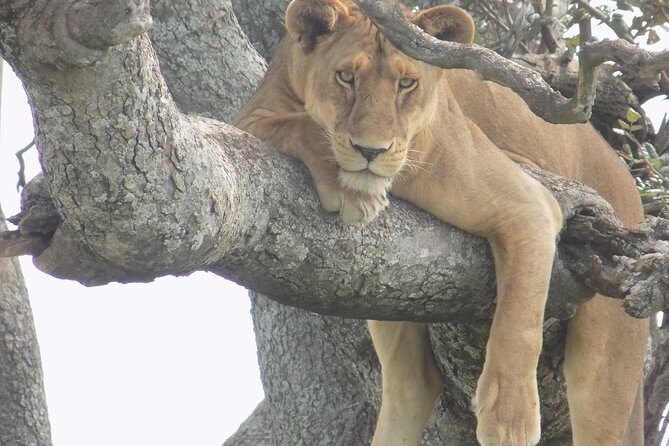
After the intensity of Serengeti and Ngorongoro, Lake Manyara gives you a different kind of safari day: green scenery, lots of birds, and the famous possibility of tree-climbing lions.
You’ll head there for a full day game viewing. It’s also a good day for a “watch the ecosystem” mindset rather than only scanning for predators. The details specifically call out:
- Varied bird life
- Tree-climbing lions
- Hippos
Lake Manyara can be a welcome contrast. In open plains, you’re tracking movement across distance. Here, you can often get more “pattern watching”—where animals feed, where birds cluster, and how shoreline areas support hippos and other wildlife.
Drawback to consider: if your heart is only set on the classic Big Five list, Lake Manyara might feel like a “bonus park” rather than a trophy park. But if you want variety in scenery and animal behavior, this is one of the better compliments to Ngorongoro and Serengeti.
Camping Setup, Meals, and Comfort on a Budget Route
This safari includes 3 meals per day and mineral water. That matters more than it sounds. When you’re out all day in parks, hunger can turn into fatigue fast. Picnic lunch boxes help keep you in the field rather than losing hours to meal stops.
The accommodation detail is mixed in a good way for value seekers. You get:
- 2 nights of accommodation (before and after safari)
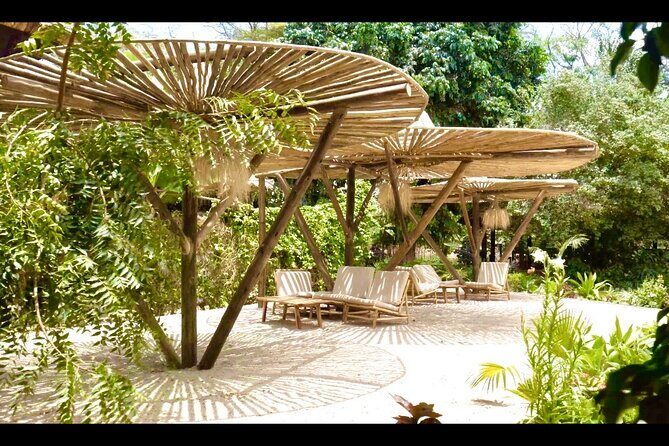
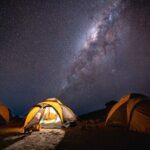
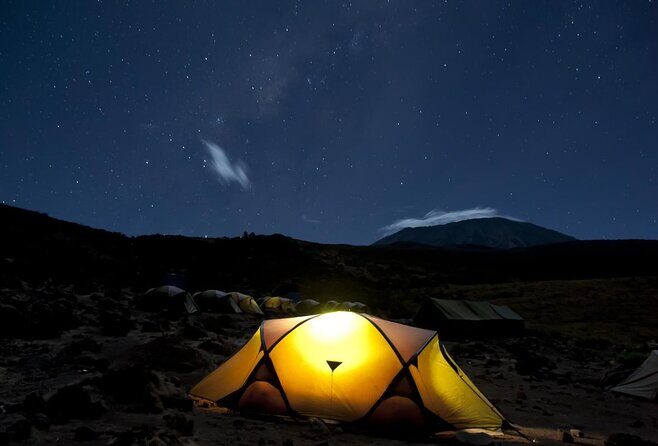
- During safari nights, the experience uses camping gear, described as two people per tent, plus named camps/campsites such as Fanaka/Avenneture, Seronera/Kati kati Campsite, and Simba Camp
So you’ll likely feel the difference between pre/post nights and the in-safari nights. If you want maximum comfort, this won’t feel like a hotel-focused vacation.
One gear note that can save your sleep: a sleeping bag rental is $15. If you’re picky about bedding, bring your own or budget for that rental. It’s a small cost compared to the overall price, but it can make a big difference after long drive days.
Who Will Love This Safari Circuit (and Who Might Not)
This plan is best for people who:
- Want Big Five potential without paying a luxury safari price
- Like structure (early departures, clear blocks of game viewing)
- Appreciate a mix of parks instead of staying in only one region
- Don’t mind camping-style nights during the core safari stretch
It may be less ideal if you:
- Get uncomfortable with early starts and long days on safari roads
- Expect a hotel-style experience every night
- Hate the idea of bringing or renting a sleeping bag
Here’s the other part of the equation: guide quality. One review notes a guide named Chris as especially helpful—knowledgeable in wildlife finding (getting you to the animals), personable, and effective at turning the day into real sightings. You can’t count on any specific person every time, but it’s still a strong signal: ask questions early, and when you’re assigned a guide, look for someone who communicates well and adapts quickly when animals move.
Best Time to Go: Timing the Migration and Weather Reality
The details call out the Great Wildebeest Migration from July to October. If those months work for you, Serengeti becomes the headline act, and you’ll be traveling in the season the safari is clearly optimized for.
Outside those months, you can still have outstanding wildlife days, but you should expect a different vibe: fewer migration-driven story moments and more “species and behavior” safari moments.
One more weather note: the provider says this experience requires good weather. If conditions aren’t favorable, you may be offered a different date or a full refund.
If you’re booking near the edges of rainy seasons, plan with flexibility in mind. Wildlife is there year-round, but visibility, road conditions, and timing can change.
Should You Book This 5-Day Safari from Moshi?
I’d lean toward booking if you want a high-impact route that stacks multiple top parks—Tarangire, Serengeti, Ngorongoro, and Lake Manyara—without turning your budget into a spreadsheet nightmare. The private jeep + private guide + park fees included is the kind of package that keeps your trip focused on wildlife instead of logistics.
I’d hesitate if you’re chasing maximum comfort every night or if you dislike early starts and camping-style setups. This safari is designed for action and time outdoors, not for lounging.
My practical call: if you can sleep in a tent for a few nights, don’t mind a schedule built around sunrise, and you want strong wildlife odds in a tight 5 days, this circuit makes a lot of sense from Moshi.
FAQ
How long is the safari?
It runs for 5 days approximately, with pickup offered from Moshi and the trip ending back at the meeting point.
What parks are visited on this safari?
You’ll visit Tarangire National Park, Serengeti National Park, Ngorongoro Crater (crater tour), and Lake Manyara National Park.
What is included in the price?
The price includes 2 nights of accommodation (before and after safari), 3 meals per day, mineral water, camping gear (two people per tent), a private 4×4 jeep with pop-up roof, a private safari guide, park fees, crater fees, meet-and-greet at airport/bus station, government taxes/VAT, and wildlife guidebook items on safari.
Are meals included during the safari days?
Yes. Breakfast, lunch (5), and dinner are included as listed, along with picnic lunch boxes during drive days and mineral water.
Do I need to bring a sleeping bag?
A sleeping bag rental is available for $15. The tour provides camping gears, but the sleeping bag is listed as not included.
Are tips included for the guide or driver?
No. Tips to the guide/driver and personal expenses are not included.
Is there free cancellation?
Yes. Free cancellation is offered if you cancel at least 24 hours before the experience start time for a full refund.