REVIEW · ARUSHA
4 Days Tanzania Safari Tarangire, Serengeti and Ngorongoro Crater
Book on Viator →Operated by Royal Tiger Tours and Safaris · Bookable on Viator
Tarangire to Ngorongoro in four days. That quick-hit circuit is what makes this safari so tempting, letting you hit Tarangire elephants, Serengeti plains wildlife, and Ngorongoro’s crater drama without extra hassle. I also like that the package is built to avoid surprises by including major safari costs like park fees and campsite stays.
My favorite part is the way the plan stacks long game-drive time with real time in each ecosystem, plus private transportation from Arusha so you’re not piecing together legs on your own. One thing to consider: it’s a tight schedule, so you will spend a lot of hours in the vehicle and you’ll need to be okay with early starts and camping-style nights.
In This Review
- Key things I’d circle before booking
- How the route works from Arusha (and why it matters)
- Price and what your $1,200 covers (the value math)
- Day 1: Tarangire National Park, elephants by the river, and Fanaka campsite
- Day 2: Serengeti via Karatu and Ngorongoro Conservation Area to Seronera
- Day 3: Morning Serengeti drives, then on to Ngorongoro’s rim
- Day 4: The 5–6 hour Ngorongoro crater floor drive (and Big Five chances)
- Big Five focus in four days: what to expect realistically
- Food, timing, and camping-style nights (included is a big deal)
- Your safari team: how guide and driver quality shows up
- What to watch for: schedule pressure and travel-plan headaches
- Should you book this Tarangire, Serengeti, and Ngorongoro safari?
- FAQ
- What parks are included in this 4-day safari?
- Are park admission fees included?
- Is transportation from Arusha included?
- What meals are included during the trip?
- How long is the Ngorongoro crater floor tour?
- What is not included in the tour price?
- How large is the group size?
- Can I get a full refund if I cancel?
Key things I’d circle before booking
- Tarangire River wildlife: year-round water concentrates elephants and predators near the banks
- Seronera area timing: afternoon and early drives in a known wildlife zone around the Seronera River
- Ngorongoro rim overnight: you’re positioned for a full crater-floor day the next morning
- Food included without finicky add-ons: breakfast, picnic lunches, and 3 dinners are part of the package
- Big Five focus in short time: you’re aiming high, but you’ll need flexibility on sightings
- Guides and drivers get credit: several safari staff names come up repeatedly in positive feedback
How the route works from Arusha (and why it matters)
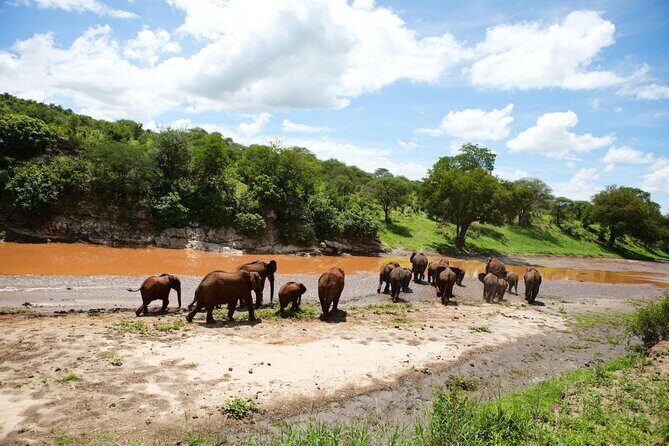
This safari is built around three heavyweight places: Tarangire National Park, Serengeti National Park, and Ngorongoro Crater (inside the Ngorongoro Conservation Area). You start in/around Arusha, then you’re moving south and west through farmland and conservation zones until you’re deep in safari country.
Why this matters for you: in Tanzania, distance equals time. The upside is that you cover real ground and see multiple ecosystems fast. The downside is you shouldn’t expect a slow, relaxing road trip. You’re signing up for motion, and that’s the trade.
A few more Arusha tours and experiences worth a look
Price and what your $1,200 covers (the value math)

At $1,200 per person, this is not a bargain-basement safari. But the price makes more sense when you look at what’s included: all fees and taxes, private transportation, and the core meal plan (4 breakfasts, 4 lunches, 3 dinners). Campsite stays are also treated as included parts of the itinerary, so you’re not scrambling to find lodging at the last minute.
So what are you really buying? You’re buying time and friction removal. You’re not hunting for park admissions, you’re not organizing between-parks travel, and you’re not converting every small decision into an extra cost. If you’ve ever tried to plan a short safari yourself, you know how quickly it becomes a spreadsheet exercise. This package aims to keep it simple.
What’s not included is tips. That’s normal for safaris, and it’s worth budgeting for so you don’t feel awkward at the end.
Day 1: Tarangire National Park, elephants by the river, and Fanaka campsite
You leave early after breakfast with picnic lunches, heading straight to Tarangire. This park is famous for elephants, and the plan leans into that. The Tarangire River runs year-round, and that’s the magnet: animals gather where water is dependable, and that’s when game viewing gets noticeably better.
Tarangire also gives you a different visual world than the big open plains. Expect baobab trees, dry-country scenery, and a higher chance of close, concentrated wildlife moments because so much activity pools around the river.
By evening, you settle at Fanaka campsite for dinner and overnight. Camping nights are part of the deal here, so if you’re expecting hotel comfort, mentally downshift. If you can handle basic safari accommodations, camping is also part of the charm. It’s part of being out there, not just driving past it.
Day 2: Serengeti via Karatu and Ngorongoro Conservation Area to Seronera

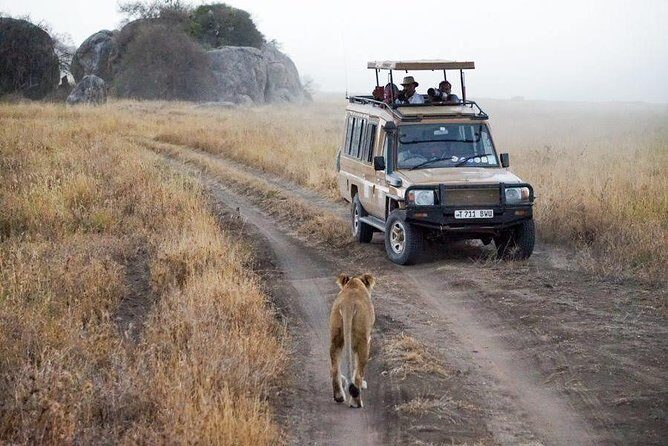
Day 2 is a long but rewarding transition. After breakfast you head toward Serengeti with picnic lunches, passing through the high-lying farmland of Karatu and the Ngorongoro Conservation Area. You’ll feel the change: farmland gives way to a wider, more open system where wildlife has room to roam.
When you arrive, the plan targets the central Serengeti area known as Seronera. This is tied to a specific wildlife logic: the Seronera River provides water, so animals stay in the general area longer than they might in drier zones. That’s why this area gets used for game drives.
You get lunch time at Nabi gate, then a late afternoon 2-hour game drive. That timing can be magic. You’re often more likely to see active feeding and changing animal behavior as the light shifts. You’ll still cover plenty, but it’s not just one long stretch.
Night falls at Seronera Camp with dinner and overnight. Again, this is safari-style lodging. It’s fine, but it’s not a city hotel, so set expectations accordingly.
Day 3: Morning Serengeti drives, then on to Ngorongoro’s rim
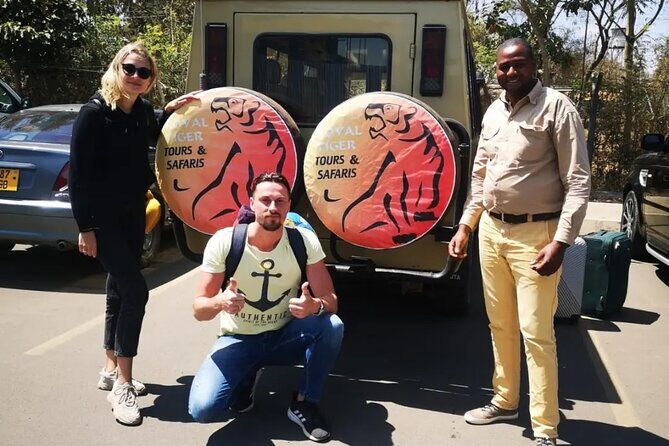
Day 3 starts with a relaxing morning, then you head out on an early game drive. The plan then brings you back for brunch and a hot lunch, followed by more driving in Serengeti before you continue on toward Ngorongoro.
This is the day where you feel the geography. You’re doing wildlife time, then shifting to crater time. En route from Serengeti to Ngorongoro, you also get additional game viewing, so you’re not losing the safari experience while traveling.
By late evening you arrive at Ngorongoro Simba Campsite on the crater rim. The rim location matters because it sets up an efficient Day 4. If you tried to start crater-floor time without being positioned on the rim the night before, you’d lose precious hours to travel and timing. Here, you’re ready for the full crater plan early.
A few more Arusha tours and experiences worth a look


Day 4: The 5–6 hour Ngorongoro crater floor drive (and Big Five chances)
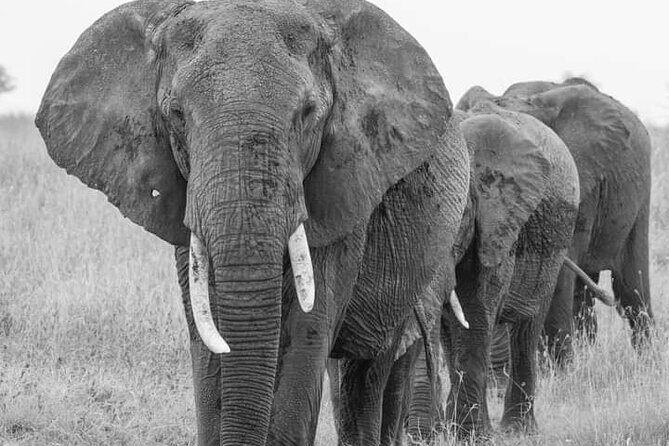
Day 4 is the crater day, and it’s designed like a highlight reel. You start with breakfast, then go straight down to the crater floor for a 5–6 hour crater tour. A picnic lunch happens down in the crater area, which helps you keep the full day focused on wildlife rather than logistics.
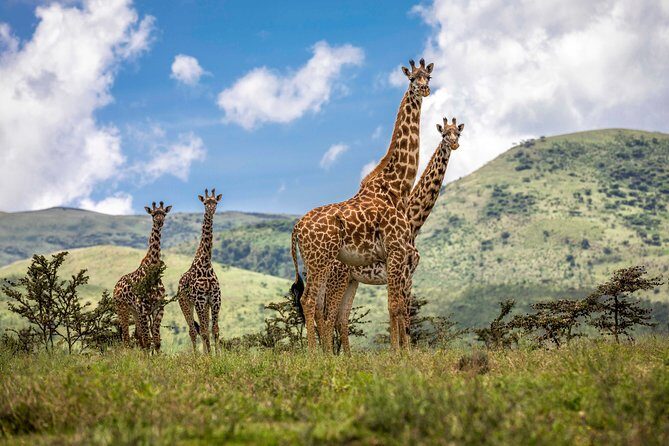
Ngorongoro is a unique kind of safari because it compresses scenery and wildlife into one enclosed stage. The crater floor can deliver impressive sightings because animals concentrate in a defined space with water and grazing.
The plan aims high: you may be able to see all of the Big Five. I’d take that as motivation, not a promise. Lions, leopards, elephants, and buffalo can all show up in different ways depending on where animals are moving that day. Your best strategy is to stay flexible and trust the guide’s decisions on where to park and when to scan.
In the evening, you head back to town. The operator drops you off at the airport, which is a helpful touch if your Zanzibar/return flight schedule is tight.
Big Five focus in four days: what to expect realistically
This itinerary is short, and that’s exactly why it’s popular. In a few days you’re chasing lions and leopards, plus elephants and other major mammals, across multiple habitats. You get more chances because you’re not stuck in just one park.
Here’s the reality you should plan around: the Big Five is not guaranteed on any safari. On a tight timetable, what you’re really booking is the best shot at those species given smart routing, targeted areas like Seronera for water-driven wildlife, and the crater’s natural concentration.
What you can control: your patience and your readiness. Game drives work best when you’re not constantly asking how long until the next sighting. Let the drive rhythm do its job. When you’re close to animals, time feels slower. When you’re traveling between hotspots, time passes fast.
Food, timing, and camping-style nights (included is a big deal)
Meals are one of the biggest practical wins in this package. You get 4 breakfasts, 4 lunches, and 3 dinners. Lunches are picnic-style on drive days, which is what you want in safari parks where stopping for a full meal can steal precious viewing time.
Dinner and overnight happen at camps each night: Fanaka campsite, Seronera Camp, then Ngorongoro Simba campsite. That means you should pack for basic safari comfort—proper layers for early mornings, a headlamp if you’ll use your phone after dark, and patience with the day’s schedule.
One more timing note: Day 1 and Day 4 both feel early-start heavy. If you’re the type who needs coffee before life makes sense, plan to bring what you need so you’re not relying on finding it at the exact moment your body wants it.
Your safari team: how guide and driver quality shows up
The overall vibe in the feedback is that the human side matters. Multiple staff names show up as favorites, including guides such as Bakari and Joseph, and staff like Frank and Emmanuel. Even when the specifics vary by trip, the pattern is clear: people remember the person behind the wheel and the person explaining animal behavior.
So what should you do as a reader? Ask your operator what you’ll be getting—especially the guide or driver assignment—and share what you care about: Big Five focus, birding, predator behavior, or just the most efficient routes for wildlife sightings. A good guide turns your drive into something more than a ride. They help you read the landscape and spot motion before you’d notice it yourself.
Also, communication matters. One set of feedback highlights that the operator’s main contact stayed responsive and that changes were handled when issues popped up. That’s reassuring if you’re planning around flights or tight travel windows.
What to watch for: schedule pressure and travel-plan headaches
This safari is well structured, but it’s still a moving machine. Distances between parks mean you lose some time to car rides. That’s not a flaw in your itinerary; it’s just the geography of Tanzania. If you hate long drives, you might find four days too packed.
The other consideration is travel friction outside the parks. One feedback item described a problem tied to guidance around visas and an unexpected reroute during a flight cancellation. You can’t eliminate travel-world uncertainty, but you can protect yourself with basic steps: confirm your visa requirements for your routing, and keep your own travel documents and plan versions organized.
Finally, clarity helps when timing changes. If you’re booking close to your departure date, give yourself more buffer than you think you need. Last-minute decisions can create avoidable stress, even with a good operator.
Should you book this Tarangire, Serengeti, and Ngorongoro safari?
I’d recommend booking if you want a high-effort, high-return Tanzania route that hits three major wildlife zones in four days. You’ll like it most if you’re okay with early starts, longish driving days, and safari camping-style overnight stays. You’ll also appreciate the value approach: park fees and the meal plan are handled, so you’re not turning the trip into constant add-on decisions.
I’d think twice if you want a slower pace, lots of downtime, or hotel-style comfort every night. You’re buying time in the parks, not time lounging in a lodge.
If you do book, do one thing that pays off: email ahead with your expectations in writing. Ask how they handle changes to your arrival time, and confirm the details of what’s included on your specific dates. That’s how you get the best outcome from a short safari.
FAQ
What parks are included in this 4-day safari?
The safari covers Tarangire National Park, Serengeti National Park, and Ngorongoro Crater (inside the Ngorongoro Conservation Area).
Are park admission fees included?
Yes. All fees and taxes are included, and the itinerary includes campsite stays and park admission as part of the plan.
Is transportation from Arusha included?
Yes. Pickup is offered, and private transportation is included for the safari route.
What meals are included during the trip?
Breakfast is included for 4 days, lunch is included for 4 days (picnic lunches on drive days), and dinner is included for 3 days.
How long is the Ngorongoro crater floor tour?
You’ll have a 5–6 hour tour on the crater floor, with a picnic lunch while you’re down in the crater.
What is not included in the tour price?
Tips are not included.
How large is the group size?
This experience lists a maximum of 100 travelers.
Can I get a full refund if I cancel?
Free cancellation is available up to 24 hours in advance for a full refund. If you cancel less than 24 hours before the start time, the amount paid is not refunded.