REVIEW · MOSHI
4 Day Mid-range Serengeti Safari
Book on Viator →Operated by Serengeti African Tours · Bookable on Viator
Four days, three wild-world stages. I like how this route moves fast—Tarangire, the Serengeti, then down into Ngorongoro—while you ride in a 4×4 pop-up roof vehicle with an English-speaking guide. The possible drawback: it’s a full-on schedule with long driving days, so you’ll want good stamina and patience for early starts.
What makes it feel like good value is the built-in structure. You get park access, meals, and overnight stays in safari lodges or tented camps, all tied to specific game-drive windows. You’re paying for a lot of logistics being handled, not just a seat.
This one is especially strong if you care about organization and spotting effort. In the feedback I reviewed, guides and coordinators show up by name—Lucas and Linah for planning and answers, with safari guides such as Godlisten, Praise, Abbu, Ombeni, and David getting repeat credit for animal-spotting and smooth days. If you want a more relaxed pace or extra buffer days, you may prefer a longer itinerary.
In This Review
- Key Things That Make This Safari Work
- Route Overview: Moshi Pickup and a Smart Wildlife Sequence
- Price and What You’re Really Getting for $1,800
- Day 1: Tarangire National Park for Elephants and Baobabs
- Day 2: Serengeti National Park and the Seronera Game-Drive Plan
- Day 3: Ngorongoro Conservation Area with Olduvai Gorge Stop
- Day 4: Over 600 Meters Down Into Ngorongoro Crater and Lake Magadi
- Lodging Style: What Farm Dream, Domel Tented, and Ngorongoro Lodge Usually Mean
- The Guide Factor: Why People Keep Mentioning Certain Names
- Packing and Planning Tips That Actually Help
- Who This Safari Fits Best (and Who Might Want Something Else)
- Should You Book This 4-Day Mid-range Serengeti Safari?
- FAQ
- Where is the start point for this safari?
- Is pickup offered?
- How long is the safari?
- What vehicle do we use for game drives?
- Which parks and stops are included?
- Are meals included?
- Are national park fees included?
- What is not included in the price?
- Can I cancel and get a full refund?
- How large is the group?
Key Things That Make This Safari Work
- Pop-up roof 4×4 for better wildlife viewing from your seat
- Tarangire to Serengeti to Ngorongoro in one tight, high-impact loop
- Seronera focus in the Serengeti for steady wildlife chances around water
- Olduvai Gorge stop to add human-history context before crater wildlife
- Crater descent over 600 meters plus Lake Magadi for a change of scenery
- Guides named for their service (Lucas, Linah, and guides like Ombeni and Praise show up often)
Route Overview: Moshi Pickup and a Smart Wildlife Sequence
This safari starts around Kilimanjaro Airport (pickup is offered), with the listed start time shown as 12:00am. Because timings can vary in real life, I’d treat that time as a reference point and confirm your exact pickup window after booking.
The trip is based in Moshi, and the route is designed like a highlight reel. You begin with Tarangire, switch to the Serengeti’s main wildlife engine, then end with Ngorongoro Crater, where animals concentrate because the crater environment holds water and food year-round.
You’ll travel in a 4×4 pop-up roof safari vehicle. That matters because it turns sightings from something you hunt down to something you can track while riding. When the guide stops, you’re already set up to look without climbing over seats or missing the moment.
Group size is capped at 50 travelers. That’s not a tiny private safari, but it usually keeps the logistics organized and prevents the chaos that can happen on very large group trips. The tour also provides a mobile ticket, which helps keep things simple once you arrive.
A few more Moshi tours and experiences worth a look
Price and What You’re Really Getting for $1,800
At $1,800 per person for about 4 days, you’re looking at roughly $450 per day. That sounds high until you break down what safaris actually cost in Tanzania: vehicle time, an English-speaking guide, park fees, and safari meals and lodging add up fast.
This package includes:
- Transportation in a 4×4 pop-up roof safari vehicle
- Professional, English-speaking guide
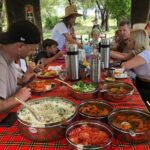
- Meals (breakfast, lunches, dinners as scheduled)
- Mineral water
- Overnight stays in safari lodges or tented camps
- All national park fees
It also excludes:
- Alcoholic and soft drinks
- Visa fees
- Tips
- Personal spending for souvenirs
For value, the big win is that park fees and meals aren’t treated as optional extras. Many cheaper deals look good on day one, then hit you with separate costs for entry and food later. Here, you can plan your budget more confidently: you know what’s covered and what’s on you.
If your goal is a mid-range safari that still feels properly “safari,” this price usually lines up with that sweet spot: not bare-bones camping, not ultra-luxury, and not constantly recalculating costs mid-trip.
Day 1: Tarangire National Park for Elephants and Baobabs
Day 1 is your entry point into Tanzania’s big, iconic wildlife world. After breakfast, you depart and stop in Arusha town for any last-minute purchases, then head toward Tarangire National Park.
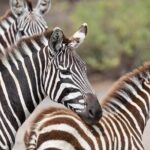
Tarangire is famous for elephants and for baobab trees—the kind of trees that look older than your whole family line. It’s also part of an annual migratory cycle, with numbers cited for the broader movement patterns: up to 3,000 elephants, 25,000 wildebeest, and 30,000 zebras (as described for the cycle). Even if you don’t see every number yourself, the point is clear: this park pulls large herds season after season.
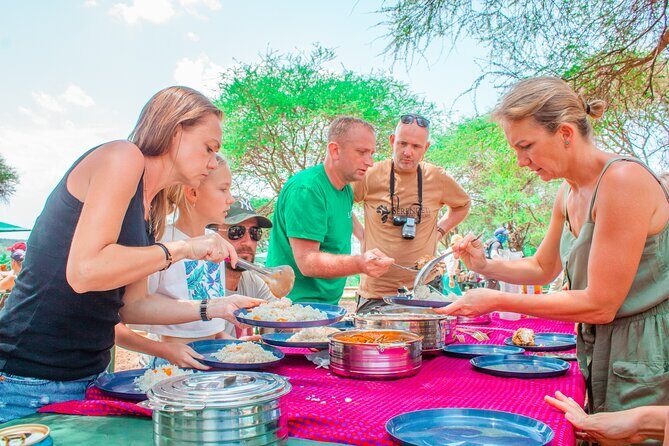
You’ll get a game drive in Tarangire and a picnic lunch inside the park. That picnic detail is more than a cute touch. It helps you stay in the action longer and avoids losing safari time to driving back and forth for lunch.
Dinner and overnight are at Farm Dream Lodge.
Practical consideration: Day 1 includes some travel time. If you’re sensitive to long car days, you’ll want to pack comfort items (a water bottle you can refill, a warm layer for early mornings, and a small snack for between meals since game drives can run longer than you’d expect).
Day 2: Serengeti National Park and the Seronera Game-Drive Plan
Day 2 shifts from Tarangire into the Serengeti, traveling via the higher farmland areas of Karatu and the Ngorongoro Conservation Area. This day is where you move from “special park” to “endless plains.”
The route then aims for the central Serengeti area called Seronera. This is a big reason the day is structured the way it is: Seronera is described as one of the richer wildlife habitats because of the Seronera River, which provides a valuable water source. In practical terms, that means wildlife has a reason to be in the same general neighborhoods more often than in drier, more spread-out areas.
You arrive in time for lunch, then enjoy an afternoon game drive. Afternoon drives can be excellent for activity and visibility—though it’s still one of those days where animals decide the schedule. The guide’s job is to read tracks, spot movement, and put you in the right places at the right times.
Dinner and overnight are at Domel Wildness Tented.
Practical consideration: you’re doing an afternoon game drive after a travel day. If you’re hoping for maximum early-morning viewing, you may wish the itinerary started Serengeti earlier. Still, this is a solid balance: you get the iconic Serengeti setting without sacrificing the earlier parks.
Day 3: Ngorongoro Conservation Area with Olduvai Gorge Stop
Day 3 is an interesting curveball, in the best way. You start with an early morning game drive, then head to the Ngorongoro Conservation Area.
Before you settle into Ngorongoro plans, you stop over at Olduvai Gorge. This is where paleontology becomes part of your safari story. The tour notes that Drs. Lois and Mary Leakey discovered skulls described as Nutcracker Man and Handy Man, tied to the human evolution timeline. It’s a reminder that this region isn’t only about wildlife—it also holds major clues about how humans evolved.
Late afternoon you transfer to Ngorongoro Wildlife Lodge, where you have dinner and overnight.
Practical consideration: Olduvai Gorge adds driving and a fixed stop time. If your priority is only wildlife, this day might feel slightly less animal-heavy than you’d like. But if you’re the type who enjoys connecting places to bigger stories, this stop is a memorable break from the pure game-drive pattern.
A few more Moshi tours and experiences worth a look
Day 4: Over 600 Meters Down Into Ngorongoro Crater and Lake Magadi
Day 4 is the dramatic finale. After breakfast, you descend into Ngorongoro Crater, described as going over 600 meters down. That drop matters because it changes the air, the terrain, and the viewing conditions fast. It’s also why crater safaris can feel like animals are always “right there” instead of scattered across huge distances.
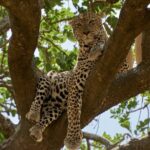
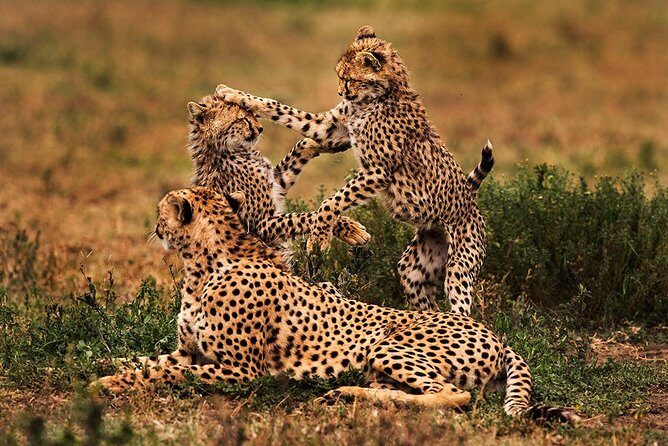
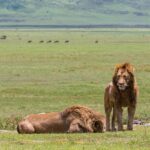
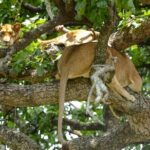
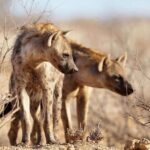
The tour emphasizes that Ngorongoro supports a wide variety of animals thanks to year-round water and fodder. You’re told to look out for wildebeest, zebra, buffalo, eland, warthog, hippo, and giant African elephants. The same day also highlights predator density—lions, hyenas, jackals, cheetahs, and the elusive leopard, which sometimes takes a trained eye to spot.
Later, you visit Lake Magadi, a large but shallow alkaline lake in the southwestern corner of the crater. That’s a nice change of scenery from grassland viewing: water and shoreline behavior can attract animals, and it gives your guide another angle for spotting activity.
This day is included with admission, and it’s the one many people remember most—partly because crater viewing is concentrated, and partly because Ngorongoro has a strong reputation for giving you multiple animal “types” in a single day rather than waiting for something specific hours away.
Practical consideration: Ngorongoro crater days can be long with lots of stop-and-go viewing. Bring layers and something to keep your legs comfortable, because you’ll likely spend meaningful time getting in and out of the vehicle for the best angles.
Lodging Style: What Farm Dream, Domel Tented, and Ngorongoro Lodge Usually Mean
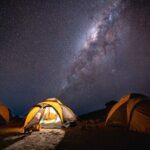
This safari uses a mix of safari lodges and tented camps. Day 1 is Farm Dream Lodge, Day 2 is Domel Wildness Tented, and Day 3/4 ties into Ngorongoro Wildlife Lodge.
What I like about this mix is that it keeps the trip grounded. Lodges can be a comfortable base after long days, while tented camps often keep the safari feeling more “in the wilderness” without dropping you into full survival mode.
Still, “mid-range” can mean different things depending on the camp. I’d expect basic comforts, not hotel-grade predictability. If air-conditioning is a must for you, you should confirm it with the operator before booking.
Also, pack a small flashlight/headlamp. Even when camps are well-run, game-drive days don’t always leave you with the exact light you want for zippers, shoes, and packing.
The Guide Factor: Why People Keep Mentioning Certain Names
For this kind of safari, the guide isn’t a minor detail. It’s the difference between seeing animals and seeing them well.
In the feedback data you provided, several guides and coordinators get repeat credit:
- Lucas and Linah show up as key points of contact for planning and question-answering.
- Safina is named as an operator contact in at least one account.
- Safari guides include Godlisten, Praise, Abbu, Ombeni, and David, with praise focused on animal-spotting and getting the group where they need to be.
- More than one account highlights groups checking off big-game moments, including mentions of Big Five outcomes.
So here’s how to use this information wisely: if you book, ask your operator who will be your guide and what their strengths are. You can also ask how they structure game drives—some guides focus more on predators, others on herd behavior. The right match can improve your odds of getting the animals you care about most.
Packing and Planning Tips That Actually Help
You’ll get the most out of your safari if you plan for heat, dust, and early mornings—things that don’t show up in the itinerary but show up in your body.
Bring:
- A light rain jacket or wind layer (weather changes can happen)
- Sunglasses and sunscreen
- Binoculars if you have them (not required, but helpful)
- Neutral-colored clothing for less distraction
- Closed-toe shoes with grip
- A small day bag for water and quick-access items
- Refillable water bottle (mineral water is included, but refilling helps)
Also think about timing. The schedule moves from park to park fast. If you’re coming from Zanzibar or another country, consider arriving at Kilimanjaro area the day before so you don’t feel rushed on pickup day.
Who This Safari Fits Best (and Who Might Want Something Else)
This safari fits best if you want:
- A smart, classic Northern Tanzania mix (Tarangire, Serengeti, Ngorongoro)
- A mid-range comfort level with real safari vehicle viewing
- Guided days that are well coordinated and mostly packed with game-drive time
- A route that’s built for big wildlife moments rather than slow sightseeing
It may not fit as well if you:
- Want lots of downtime between parks
- Prefer a more flexible route with fewer long drives
- Need a very early start every day for maximum morning wildlife
If you’re a first-time Tanzania safari-goer, this is a strong starter format because it hits the major icons without stretching into a week-long commitment.
Should You Book This 4-Day Mid-range Serengeti Safari?
I’d book this if you want a well-paced highlight circuit that still feels “real safari,” with park fees, meals, and a pop-up roof vehicle handled for you. The inclusion list is meaningful, and the repeated praise for communication and guides by name suggests you’ll be in capable hands once you arrive.
I’d think twice if you’re the type who gets cranky with early mornings and long travel days. This itinerary is designed for efficiency, not slow travel. If that sounds like you, consider extending your trip so you can enjoy each park with more breathing room.
If you book, do one simple thing: confirm your exact pickup time at Kilimanjaro Airport and ask which guide will be with you. Then pack for dust, start hydrating early, and treat every game drive like it might be the one that changes the whole day.
FAQ
Where is the start point for this safari?
The start is listed as Kilimanjaro Airport in Tanzania.
Is pickup offered?
Yes, pickup is offered.
How long is the safari?
It’s listed as 4 days (approx.).
What vehicle do we use for game drives?
You’ll use transportation in a 4×4 pop up roof safari vehicle.
Which parks and stops are included?
The itinerary includes Tarangire National Park, Serengeti National Park, Ngorongoro Crater/Ngorongoro Conservation Area, and a stopover at Olduvai Gorge.
Are meals included?
Yes. Breakfast, lunches, and dinners are included according to the travel plan.
Are national park fees included?
Yes, all national park fees are included.
What is not included in the price?
Visa fees, tips, alcoholic and soft drinks, and personal spending money for souvenirs are not included.
Can I cancel and get a full refund?
Yes. Free cancellation is offered, and you can cancel up to 24 hours in advance for a full refund.
How large is the group?
The tour lists a maximum of 50 travelers.