REVIEW · ARUSHA
Arusha National Park Day Trip
Book on Viator →Operated by Rupia Adventure · Bookable on Viator
Crater country in just one day. Arusha National Park brings you up close to animals and birds, plus a true film-location connection to Hatari with John Wayne and Hardy Kruger. I also like the people behind the experience, especially guides such as Norah and Happy, who pair calm friendliness with solid animal spotting.
What really made the day feel worth the money for me is the picnic lunch included in the plan and the chance to mix viewpoints (including Mount Meru views on clear days) with wildlife time. One thing to keep in mind: the walking safari with an armed ranger at Momella Gate comes with extra charges, and the whole outing depends on good weather.
In This Review
- Key things I’d circle before you go
- Arusha National Park, the Hatari connection, and why it feels different
- 8:30 pickup and Momella Gate: what you’re really signing up for
- The game-drive part: giraffes, buffaloes, waterbucks, and the birds that steal time
- Ngurdo Crater: why this stop matters on a short safari
- The complimentary picnic lunch: simple, practical, and actually helpful
- Guides like Norah, Happy, and Jose make the difference
- Timing and pacing: a 7-hour plan that fits real itineraries
- Price: $300 per person, and how the value adds up
- What to bring, and how to get the best wildlife views
- Who should book this Arusha National Park day trip
- Should you book it? My honest take
- FAQ
- What time does the tour start?
- How long is the Arusha National Park day trip?
- Is pickup included?
- Do I need a paper ticket?
- What’s included in the schedule?
- Is a walking safari part of the experience?
- Which animals are you likely to see year-round?
- How big is the group?
- Is the tour dependent on weather?
- What cancellation options are offered?
Key things I’d circle before you go
- Momella Gate walking safari with an armed ranger for a closer, slower way to spot wildlife
- Ngurdo Crater is built into the schedule, not just a quick stop on the way
- A complimentary picnic lunch keeps you fueled without hunting for food mid-drive
- Max group size of 15 helps the day feel organized and not crowded
- John Wayne’s Hatari filming area adds a fun historical layer to the drive
Arusha National Park, the Hatari connection, and why it feels different
If you’re doing safari in northern Tanzania, Arusha National Park is the one that often gets squeezed in as a quick add-on. That’s a shame. This park gives you a fast taste of East African wildlife without feeling like you’re spending your whole life in a vehicle.
There’s also a movie hook. The region became famous because Hatari was filmed here, with John Wayne and Hardy Kruger starring. Even if you’re not a movie nerd, it gives the drive a bit of extra meaning. You start noticing the terrain differently, because you know people once chose these exact places for scenes.
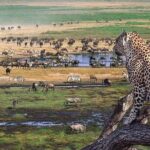
What I like most is how the park delivers variety. You’re not only scanning for the usual big names. The day is built around seeing animals year-round, including buffaloes, waterbucks, giraffes, warthogs, zebras, and baboons. And you’ll be watching birds too, which is a big part of why Arusha can feel richer than you expect.
If you enjoy animals but also enjoy habitat—the way the land shapes animal behavior—this is a strong choice. It’s also a good “first safari” park for people who want a controlled day trip rather than a multi-day grind.
A few more Arusha tours and experiences worth a look

8:30 pickup and Momella Gate: what you’re really signing up for
The tour starts at 8:30 am, with pickup offered in Arusha. That matters more than people think. One of the biggest safari frustrations is losing time at the beginning—waiting, negotiating taxis, or trying to coordinate rides. Pickup keeps the morning stress low so you can spend daylight on wildlife.
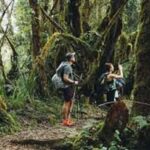
The first big action moment comes at Momella Gate, where an armed ranger waits to support you. This is where the day becomes more than a standard drive. At Momella Gate you’ll have the option for a walking safari, which is paired with the ranger for safety and to help you experience the wildlife up close.
A quick reality check: the walking safari is listed as available, but it’s for extra charges. If you want the up-close version, you should budget for that add-on. If you don’t feel comfortable walking, you can still enjoy the park via vehicle game viewing, but you’ll miss that slow, close, detailed feel that walking safaris bring.
What to do before you go is simple:
- Wear closed-toe shoes with solid grip.
- Bring a hat and sun protection.
- Keep water handy, because even a short walk can feel longer in warm conditions.
Most people can participate, but walking at a safari pace is still walking. If you’re dealing with mobility issues, it’s worth checking with your operator ahead of time.
The game-drive part: giraffes, buffaloes, waterbucks, and the birds that steal time
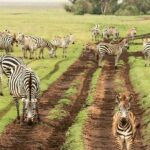
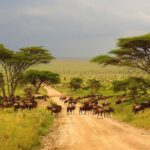
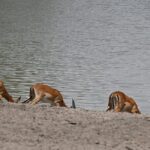
Arusha National Park is famous for animals you can spot throughout the year. That’s a huge plus on a day trip because you don’t have to guess whether it’s a “good season” for seeing something. The day focuses on real odds, including giraffes, buffaloes, waterbucks, warthogs, zebras, and baboons.
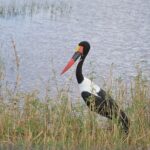
You’ll also be looking out for birds, and the day’s rhythm encourages it. In practice, that means you’ll spend time stopping for views and scanning rather than only chasing motion. Birds can pop up fast—especially in mixed habitats—and a ranger/guide can point you to what’s worth watching.
A few specific sighting themes show up again and again in people’s experiences:
- giraffes and zebras are common highlights
- flamingos and other birds can appear depending on where you are in the park that day
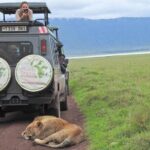
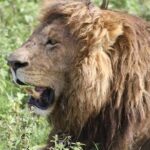
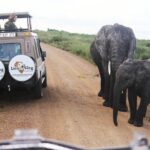
- you might even have luck with rarer sightings like lions or elephants, though you should treat those as “possible,” not promised
Also, Arusha often comes with big-scene views. Some outings include Mount Meru in the background when weather cooperates. That’s not a guarantee, but when it happens, it adds a lot to the feeling of the day.
Ngurdo Crater: why this stop matters on a short safari
Your itinerary includes Ngurdo Crater, and I like that it’s not treated as a throwaway add-on. A crater stop changes the angle of the day. Instead of flat scanning or constant vehicle movement, you get a different kind of scenery and usually a new set of wildlife viewing opportunities.
What makes this stop valuable for a day trip is timing. When you only have about 7 hours total, you want variety that actually affects how the wildlife shows itself. Craters can concentrate activity because of terrain shape and water/vegetation patterns (even if your exact sightings vary by season).
Expect Ngurdo Crater to feel like a “moment” in the day: a shift in tempo where you take in views, let your guide work the best angles, and give wildlife time to show up. It’s the kind of stop that can turn a good drive into a memorable safari day.
The complimentary picnic lunch: simple, practical, and actually helpful
A safari day lives or dies by food timing. When you’re out for hours, hunger makes everything worse—slower scanning, cranky moods, and more time spent finding snacks. That’s why I’m a fan of the included meal.
You’re served a complimentary picnic lunch, which keeps the middle of the day smooth. Instead of leaving your wildlife time for a restaurant stop, you get to eat outdoors and refuel while still staying in the safari flow.
From a practical standpoint, picnic lunch also helps you pack smarter. I’d still bring small extras like water or a light snack if you know you get hungry, but the included lunch removes the biggest logistical headache.
If you’re the kind of traveler who cares about comfort, this is one of those details that pays off quietly. You can eat, take a breath, and then continue looking for animals and birds without feeling rushed.
Guides like Norah, Happy, and Jose make the difference
A day trip can be “just driving.” Or it can be guided, paced, and enjoyable. The experiences here lean hard toward the better version, with strong praise for guides who are friendly and tuned in to animals and nature.
Names that come up include Norah and Happy, plus Jose in other outings. When guides are strong, it shows in small ways: where you stop, how long you linger, and how they manage the group so everyone has a fair chance to see.
You’re also traveling with Rupia Adventure as the operator, and the day is capped at 15 travelers. Smaller group size usually means fewer people blocking your view, less chaos at quick photo stops, and a better chance for your guide to respond to what the wildlife is doing right now.
For you, the real benefit is this: a good guide helps you spend time on what matters. In a park with birds, animals at different distances, and wildlife that won’t pose on cue, guidance changes your results.
Timing and pacing: a 7-hour plan that fits real itineraries
This tour is listed at about 7 hours, starting at 8:30 am. On paper, that sounds short. In practice, it’s long enough for a solid wildlife rhythm: transfer time, park time, the included Ngurdo Crater portion, and time for lunch and (if you choose it) the walking safari segment.
The best use of a 7-hour safari is as a “bridge day.” It works well if you’re:
- starting a bigger trip and want a warm-up
- breaking up travel days without losing the safari feeling
- preparing for a bigger undertaking like climbing or long tours, when you still want wildlife time without committing to multiple days
The only drawback of a shorter day is you can’t chase everything. You’ll prioritize certain experiences—like the crater and the walking safari—so the vehicle portion is designed to complement that rather than cover everything a multi-day safari can.
Pack for a day outdoors. Even if the day is busy, it won’t feel like a sprint.
Price: $300 per person, and how the value adds up
The price is $300.00 per person. That sounds like a “tour premium,” so let’s talk value in a real way.
Here’s what supports the cost based on the details you’re given:
- Pickup offered in Arusha
- Mobile ticket
- Ngurdo Crater included
- Complimentary picnic lunch
- Park admission listed as free/included
- Maximum group size of 15
Those points matter because they remove several hidden costs. You’re not paying extra for your entry ticket, you’re not managing your own lunch, and you’re not arranging your own transport from scratch.
What could change the final amount is the walking safari with the armed ranger at Momella Gate, which is described as for extra charges. If you want the walking safari, this is the one part you should plan for financially so there are no surprises.
Also, the group cap matters. You’re not paying to share your view with an unlimited number of people. In a day trip, that can be the difference between constantly waiting for sightlines and actually enjoying the moment.
If you want a structured safari day that includes both a crater highlight and the option for an up-close walking experience, the $300 price starts to look more reasonable.
What to bring, and how to get the best wildlife views
You’ll get the most out of this day trip if you treat it like wildlife watching with some walking. Based on the nature of the experience, I’d plan for:
- closed-toe shoes with grip for paths and any walking
- a hat and sunscreen
- binoculars if you already own them (birds can be easier with them)
- a light layer in case mornings are cool, then it warms up
For wildlife viewing, patience beats rushing. Your guide may stop to watch an animal change position or react to movement. Let the guide set the pace. If you constantly reposition yourself, you can end up with worse angles for photos and more back-and-forth.
And bring a flexible mindset about animal sightings. The day targets year-round animals like giraffes and zebras, plus birds, but nature still sets the final agenda.
Who should book this Arusha National Park day trip
I think this day trip is a great match if you want:
- a starter safari day without committing to a multi-day route
- a mix of animals and birds, not only the biggest mammals
- a specific highlight like Ngurdo Crater included in your time budget
- the option for a walking safari near Momella Gate
It may be less ideal if you:
- don’t want any walking at all (even short walking segments can be part of a walking safari day)
- want a long, sprawling safari day with lots of different areas and extended driving time
If you’re the type of traveler who enjoys close wildlife moments and likes guides who handle the details well, this fits.
Should you book it? My honest take
Book it if your goal is a well-paced, organized Arusha National Park day with a crater highlight, a complimentary picnic lunch, and a real chance at up-close wildlife through the Momella Gate walking safari option. The $300 price is easier to justify when you factor in pickup, included admission, Ngurdo Crater, lunch, and a small group cap.
Skip it or choose a different option if you’re only interested in a pure vehicle safari and don’t want to budget for the extra walking-ranger charges. Also, remember the outing depends on good weather, so if you’re traveling during a rough-weather stretch, you may need flexibility.
FAQ
What time does the tour start?
The start time is 8:30 am.
How long is the Arusha National Park day trip?
It runs for about 7 hours.
Is pickup included?
Yes, pickup is offered in Arusha.
Do I need a paper ticket?
No. The tour uses a mobile ticket.
What’s included in the schedule?
The itinerary includes Arusha National Park, Ngurdo Crater, and a complimentary picnic lunch.
Is a walking safari part of the experience?
There is a walking safari possibility at Momella Gate with an armed ranger, but it is listed as for extra charges.
Which animals are you likely to see year-round?
The experience highlights buffaloes, waterbucks, giraffes, warthogs, zebras, and baboons, plus many different bird species.
How big is the group?
The maximum group size is 15 travelers.
Is the tour dependent on weather?
Yes. The experience requires good weather. If it’s canceled due to poor weather, you’ll be offered a different date or a full refund.
What cancellation options are offered?
Free cancellation is available up to 24 hours in advance for a full refund. If you cancel less than 24 hours before the start time, the amount paid is not refunded.