REVIEW · ARUSHA
5 days Tanzania Camping Safari Tour
Book on Viator →Operated by MORAKA AFRICA SAFARIS · Bookable on Viator
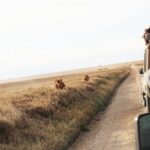
Wild animals, close-up, on a camping schedule. This 5-day Tanzania camping safari takes you from Lake Manyara to the endless Serengeti plains and down into the Ngorongoro area. I like that the plan is built around real game-drive timing, with both early starts and late-day drives, so you’re not stuck doing wildlife only at one time of day.
Two big things I love here: first, the tour includes camping equipment plus all the main meals (breakfast, lunch, dinner), so your budget stays predictable. Second, you’ll be with a professional English, Spanish, and French-speaking driver/guide who’s focused on finding animals and keeping the day moving. The one drawback to think about is that camping is the point. If you want a soft-bed, room-service kind of safari, this will feel closer to an adventure than a luxury lodge trip.
In This Review
- Key highlights that matter before you go
- Camping Safari Value: What $1,200 Buys You in Northern Tanzania
- Starting in Arusha at 7:00 am: How the Logistics Feel in Real Life
- Day 1 Lake Manyara National Park: Lions, Giraffes, and Bird Noise You’ll Remember
- Day 2 Serengeti National Park: Main Plains Energy and a Late-Evening Game Drive
- Day 3 Another Serengeti Morning, Plus Picnic Lunches That Keep You in the Game
- Day 4 Ngorongoro Conservation Area Approach: Night on the Crater Rim
- Day 5 Ngorongoro Crater Day: A Full Day Descent and Picnic-Lunch Crater Tour
- The Guide and Crew That Make It Feel Smooth: Latipher, Joseph, and Nathan
- Meals, Camping Equipment, and What You’ll Actually Need to Pack
- Price and Expectations: When This Safari Plan Fits Best
- Should You Book This 5-Day Tanzania Camping Safari?
- FAQ
- What parks are included on this 5-day safari?
- Where does the tour start and end?
- What time does the safari start?
- Is pickup offered?
- Does the tour include camping equipment?
- Are meals included?
- Is there drinking water included?
- What about park admission fees?
- What does the guide provide, and what languages do they speak?
- Can I cancel for a full refund?
Key highlights that matter before you go
- Camping gear included, so you can pack lighter and spend money on the safari, not on equipment rental.
- Short, focused route: Lake Manyara → Serengeti → Ngorongoro, with early mornings built in.
- Small group size (max 7), which usually means easier drive logistics and more time with your guide.
- Two Serengeti days plus a late-evening drive, not just one long day that blur-sits into one long heat haze.
- Ngorongoro crater rim night, giving you the chance to start the crater day with an organized plan.
- Operator support and real care, including attentive service noted under the name Latipher, plus excellent cooking from Nathan.
Camping Safari Value: What $1,200 Buys You in Northern Tanzania
At $1,200 per person, this is positioned as an affordable way to do a classic Northern Tanzania circuit without stripping out the essentials. The value isn’t just the price tag. It’s what’s wrapped into it: all fees and taxes, camping equipment, drinking water and soft drinks, and meals across all days.
For a safari, fees can add up fast, especially when you’re trying to keep the “total cost” in your head. Here, the big pieces are handled: the itinerary lists park admission as free, and the inclusions list covers fees and taxes. That means you can plan without constantly wondering what comes next at the gate.
One more value point: you’re not paying extra just to have a guide on board. The tour includes a professional driver/guide and even accommodates dietary requirements on request. If your food needs are simple but important (allergies, vegetarian preferences, and similar), this kind of planning is the difference between a safari that feels smooth and one that feels stressful.
A few more Arusha tours and experiences worth a look
Starting in Arusha at 7:00 am: How the Logistics Feel in Real Life
The tour starts back in Arusha, with a 7:00 am start time. That matters. On safari routes, getting moving early helps you hit the best animal activity windows and saves you from losing daylight to traffic and gate procedures.
You’ll likely appreciate the small group limit—up to 7 travelers—because it keeps the vehicle feel manageable and makes it easier for your guide to run a plan rather than herd people. The tour also offers pickup, which is usually a win in Arusha, where day-to-day getting-around can eat time if you’re not careful.
One detail I think is worth calling out: it uses a mobile ticket, and confirmation is provided at booking. That’s the kind of practical stuff that keeps things from getting messy right before you leave.
Day 1 Lake Manyara National Park: Lions, Giraffes, and Bird Noise You’ll Remember
Day 1 is Lake Manyara National Park. After breakfast, you drive into the park for a full day game safari. Manyara sits at the base of the Great East African Rift Valley, and that geography shows up fast: it’s not just flat plains. It’s a park with variety, and wildlife uses that variety in obvious ways.
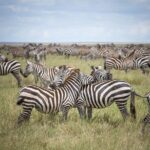
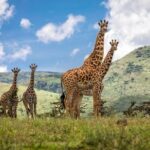
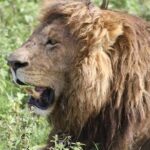
This is a park where you can do well even if you don’t score a dramatic “once-in-a-lifetime” moment every hour. It’s famous for animals like lions and giraffes, plus zebra, and it’s also known for birds—lots of birds. If you’ve ever felt disappointed because you only thought safari meant big cats, Manyara helps recalibrate that. You get a fuller picture of how African ecosystems look and move.
A practical consideration: Manyara is a full day, so plan to stay flexible. Long drives and game drives can be physically tiring, even when the scenery is great. I suggest you treat Day 1 like the foundation day: hydrate, keep your layers handy, and don’t overthink it. Your guide will set the pace and steer toward what’s working that day.
Day 2 Serengeti National Park: Main Plains Energy and a Late-Evening Game Drive
After breakfast, Day 2 heads to Serengeti National Park. The plan includes registration at the main gate, followed by a full day game drive and then a late evening game tour.
This is where you start to feel the Serengeti effect: open space, big sky, and animals that seem to appear right where your guide has been steering the vehicle. The itinerary gives you more than one “wildlife window,” which is key. Early and late light can change what you see and how easy it is to spot animals.
You’re also getting a smart rhythm: today is built for a long look around the park, then you shift into evening time when many animals keep moving. If your goal is to see the ecosystem, not just a few quick sightings, the structure here supports that.
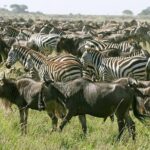
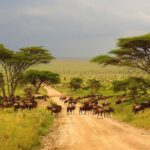
One more point that helps expectations: the itinerary frames Serengeti as a place where you can witness major movement events depending on season—like migrating wildebeest, river crossings, and calving. Those are not guaranteed day-by-day, but having multiple days in Serengeti increases the odds of seeing something truly special rather than guessing at one moment.
Day 3 Another Serengeti Morning, Plus Picnic Lunches That Keep You in the Game
Day 3 is another Serengeti National Park day, and it’s scheduled for success. You start with early morning game drives, return for breakfast, then continue again with a full day of game tours and picnic lunches.
That early start is not just a schedule choice. It’s a visibility choice. Morning is often when animals are easier to spot and when behavior is active. Then the day continues with a picnic-lunch approach, which usually means you spend less time “going out and waiting” and more time actually doing the safari.
The itinerary also points to possible seasonal highlights: migrating wildebeest, river crossing, and calving, depending on the time of year. This is the day where those seasonal moments often make sense because you’re in the park for extended blocks rather than just one pass.
If you’re the type who hates feeling rushed, the picnic-lunch format can be a relief. It’s still a day built around game drives, but the breaks feel designed to keep you functional for the next driving block.
A few more Arusha tours and experiences worth a look

Day 4 Ngorongoro Conservation Area Approach: Night on the Crater Rim
Day 4 shifts the focus from Serengeti to Ngorongoro. The itinerary has you with a relaxing morning and early lunch, then drive toward Ngorongoro, spending the night on the Crater Rim.
That crater-rim night is a big deal. It changes the logistics of Day 5. Instead of traveling far and then trying to make crater time work, you’re already positioned for the descent early the next day. It’s also a nice change of pace from long plains driving. The crater area has a different feel, and it often looks dramatic at different times of day.
Also, this is a reminder that a safari is part wildlife, part travel choreography. This plan sets you up for the crater day in a sensible way, and that’s why it works for people who want to do Ngorongoro without feeling like the schedule is one long sprint.
Day 5 Ngorongoro Crater Day: A Full Day Descent and Picnic-Lunch Crater Tour
Day 5 starts with early breakfast, then you descend directly to the Crater rim for a full day crater tour with picnic lunches. After the crater experience, you drive back to Arusha in the evening.
Ngorongoro is one of those places where the scenery plus the animals are hard to separate in your brain. The crater setting naturally concentrates wildlife, and it gives your guide a strong advantage: they can plan for what you’re likely to see within a defined area.
Expect a full-day pace. The itinerary calls it a full day, so you’ll want to dress for long hours outside the vehicle and keep water accessible. Picnic lunches help keep the drive flow going, which is good because you don’t want crater time lost to unnecessary stops.
One more practical note: because the return to Arusha is in the evening, you should plan for a late-day finish. This isn’t a trip that ends “at noon” unless you’re ready to feel tired after your crater tour.
The Guide and Crew That Make It Feel Smooth: Latipher, Joseph, and Nathan
What consistently makes safari tours better isn’t the brochure. It’s the humans in the vehicle. In the feedback, Latipher is mentioned for patience and attentive follow-through when plans felt last minute. That kind of care matters because safari days are weather- and wildlife-dependent. If communication is solid, you stay relaxed even when nature changes the script.
The guide name Joseph comes up with a clear theme: he knew where to find animals and answered questions well. That’s a practical skill. When you’re paying attention to small movement details, a guide who can explain what you’re looking at turns the drive into learning, not just waiting.
Then there’s the cooking side. The name Nathan is noted for cooking delicious meals. On a camping safari, food can make or break your mood. Meals included each day (breakfast, lunch, dinner) are great, but it’s the quality that keeps you from feeling like you’re “camping through hunger.”
This tour’s crew also fits the multilingual profile: the professional guide can speak English, Spanish, and French. If you want fewer language gaps on the spot, that’s a real comfort.
Meals, Camping Equipment, and What You’ll Actually Need to Pack
You don’t have to bring everything. The tour supplies camping equipment, and it covers drinking water and soft drinks. The meals are included across all five days: breakfast (5), lunch (5), and dinner (5).
This is a big reason the tour feels budget-friendly in practice. You’re not paying for day-by-day meals outside the safari plan, and you’re not paying to rent camping gear at the start of your trip. That keeps the “total safari budget” more stable.
What should you pack? The data doesn’t list items, so I’ll keep this to common-sense advice. Bring a light day bag, sun protection, and comfortable footwear for uneven ground near camps. Even in warm climates, mornings and evenings can feel cooler when you’re outdoors early. Layers are your friend. Also bring a dry bag or plastic cover for electronics, because Africa dust has opinions.
If you have dietary needs, the tour says they can be arranged on request. Send that info ahead of time so your meals match your needs without last-minute stress.
Price and Expectations: When This Safari Plan Fits Best
This is a 5-day camping safari that focuses on major parks you’ve likely heard about: Lake Manyara, Serengeti, and Ngorongoro. It’s not a mega-route that tries to cram in every park on a single timeline. That matters because shorter, focused itineraries often mean less transit fatigue and more time doing the core activity: game drives and crater exploration.
The plan also fits people who want a classic safari structure:
- early starts for sightings
- full-day drives with breaks
- picnic lunches to keep time on the clock usable
- at least two solid days in Serengeti for seasonal odds
If you’re traveling solo or as a couple and you’re okay with camping, you’ll likely find the “affordable by design” approach appealing. The max group size of 7 also suits people who don’t want to share the vehicle with an unmanageable crowd.
If you hate uncertainty, you might struggle. Wildlife viewing depends on timing, and safari days aren’t factory production lines. But that’s also the charm. Your guide’s job is to work with conditions, not against them.
Should You Book This 5-Day Tanzania Camping Safari?
I’d book this if you want a budget-friendly Northern Tanzania safari with the key parks covered and you’re comfortable with camping. The pricing makes sense because meals and camping gear are included, and the route is built around practical game-drive timing, not just a checklist of names.
Skip it if camping is a hard no for you, or if you want a purely lodge-based comfort level. Also, if you’re expecting your trip to end without any late-day travel, note that Day 5 returns to Arusha in the evening after the crater tour.
If you want a safari that stays organized, keeps you in the parks at the right times, and doesn’t blow up your budget on add-ons, this plan is a solid call.
FAQ
What parks are included on this 5-day safari?
You’ll visit Lake Manyara National Park, Serengeti National Park, and Ngorongoro (Ngorongoro Conservation Area for the crater tour).
Where does the tour start and end?
The tour starts in Arusha, Tanzania and ends back at the meeting point in Arusha.
What time does the safari start?
The start time is 7:00 am.
Is pickup offered?
Yes, pickup is offered.
Does the tour include camping equipment?
Yes, camping equipment is included.
Are meals included?
Yes. The tour includes breakfast (5), lunch (5), and dinner (5).
Is there drinking water included?
Yes, drinking water and soft drinks are included.
What about park admission fees?
The itinerary lists admission as free, and the inclusions include all fees and taxes.
What does the guide provide, and what languages do they speak?
A professional driver/guide is included, and they can speak English, Spanish, and French.
Can I cancel for a full refund?
Yes. Free cancellation is available up to 24 hours before the experience start time for a full refund.