REVIEW · MOSHI
3-Day Ngorongoro Crater Manyara and Tarangire Safari from Arusha
Book on Viator →Operated by Cubs Expeditions Limited · Bookable on Viator
Big mornings, big animals, and a tight route. This 3-day safari circuit hits Tarangire, Ngorongoro Crater, and Lake Manyara, with a driver-guide handling the logistics and you doing the fun part: scanning for elephants, baobab trees, and lions where they can’t help but show off.
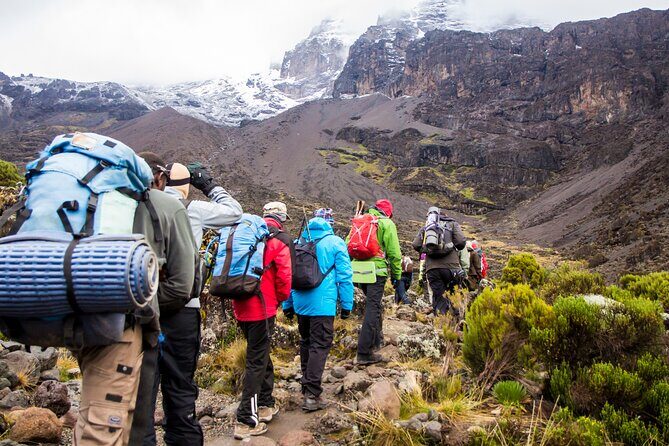
I especially like that this is a camping-style trip with meals handled end-to-end, so you’re not hunting for food or wasting time between parks. I also like the small-group feel (up to 15), which usually means more eyes on the road when someone spots movement. One possible drawback: it’s a long day in the truck each morning, so if you hate early starts or rough roads, plan to treat this like an active safari rather than a slow scenic drive.
In This Review
- Key highlights that matter in real life
- Safari value: $700 for parks, transport, and two nights done right
- Day 1: Tarangire National Park all day game viewing
- Day 2: Ngorongoro Crater descent for close-up game viewing
- Day 3: Lake Manyara full day with that famous tree-lion vibe
- Camp life and meals: the part that makes or breaks a camping safari
- Your guide and driver: spotting, calm, and helping you get the shot
- Getting from park to park: what those long drive days feel like
- What’s included vs not included, and why it affects your final cost
- Who this 3-day Ngorongoro, Manyara, and Tarangire safari is for
- Should you book this safari from Arusha?
- FAQ
- FAQ
- What parks are included in this 3-day safari?
- How long is the safari?
- What time does the tour start and where are you picked up?
- Are meals included?
- Is lodging included?
- What does the $700 price cover?
- Is free cancellation available?
Key highlights that matter in real life
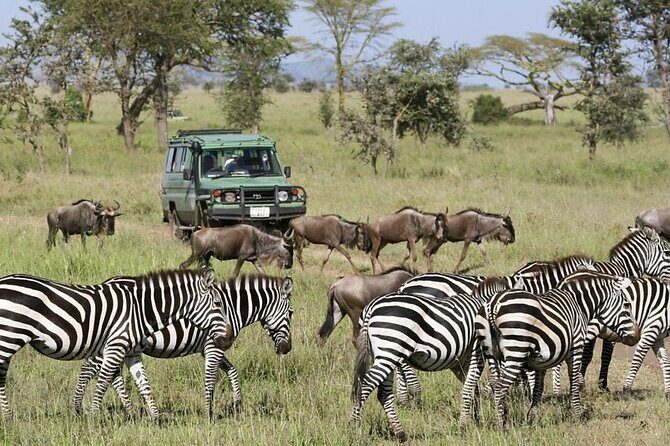
- Three top parks in three days: You get contrast, from Tarangire’s elephants to Ngorongoro’s crater floor to Lake Manyara’s famed tree-climbing lions.
- Up-front meals and camping setup: Breakfast, picnic lunches, and dinner are included, plus camping equipment and lodging are pre-arranged.
- Driver-guide spotting power: Guides like Ely, Abdul, Gabriel, Joshua, Omari, and Godwin are repeatedly praised for finding animals and staying helpful.
- Ngorongoro descent experience: You’ll go down into the crater for game viewing, not just watch from the rim.
- Good value for $700: You’re paying for park access, transport, accommodation, and game driving in a single package, not stacking costs later.
Safari value: $700 for parks, transport, and two nights done right
At $700 per person for a 3-day circuit, you’re not buying just a scenic drive. You’re getting a bundle: park fees, all activities, accommodation, camping gear, and transportation included, plus meals (breakfast, lunch, dinner) across the whole trip. In practice, that matters because many safari costs sneak in later—permits, entry fees, transfers, and the stuff that turns a “cheap” option into an expensive one.
Here, the structure is simple. You leave Arusha early, game drive all day, and return for dinner and sleep. With two nights already arranged, you’re not coordinating campgrounds, packing logistics, or planning day-to-day. You can focus on wildlife and photos instead of spreadsheets.
If you’re comfortable with camping (basic but managed), this is a very workable price point for a classic Northern Circuit sampler.
A few more Moshi tours and experiences worth a look
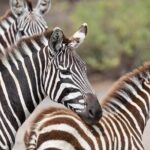

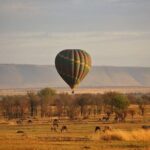
Day 1: Tarangire National Park all day game viewing
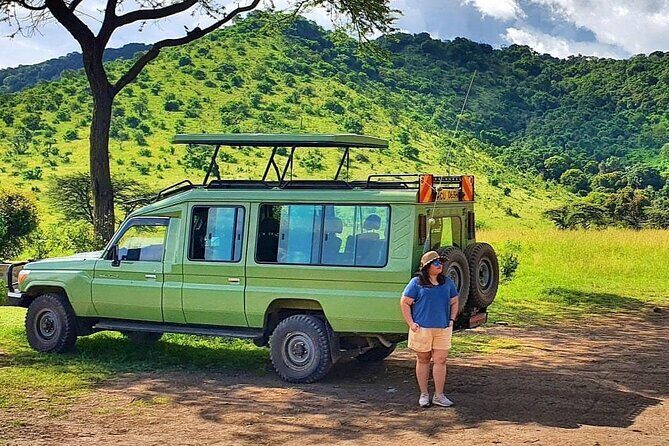
Your day starts early. You meet at 6:00 am, then you’ll leave Arusha town at 08:30 for the drive into Tarangire National Park. The plan is a full day of game viewing with picnic lunches, then you roll into camp for dinner and an overnight.
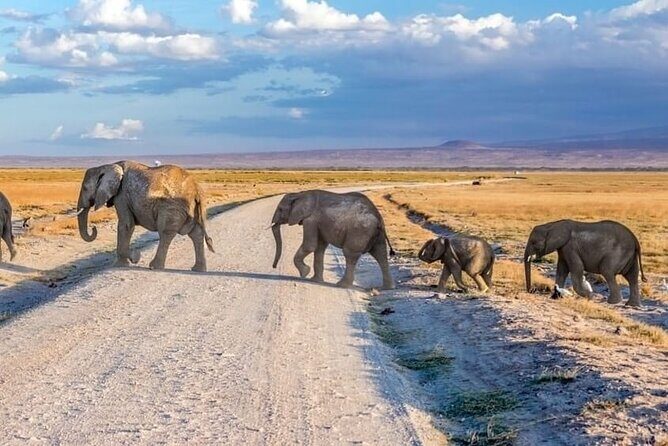
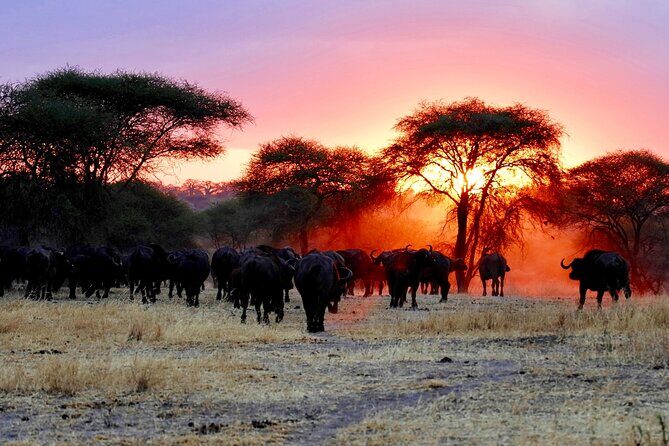
Why Tarangire is a smart opener: this park is known for big elephant energy and that stark, photogenic mix of baobab trees and open savanna. Tarangire often feels like the safari equivalent of warming up with a runner who already knows the route—once you start spotting, you can relax and enjoy the rhythm.
Practical expectations
- You’ll spend most of the day in the vehicle. Bring layers. Tanzania mornings can feel cool even when the sun warms up later.
- Picnic lunch keeps the day moving. It means you eat without breaking your game-drive schedule.
- The goal is seeing wildlife in action, not doing a checklist tour. If your guide like Omari or Abdul is behind the wheel, you’ll likely get off the main road at the right moments when the animals show up.
One small reality check: Tarangire is fantastic, but it’s also busy. Some wildlife comes and goes quickly, so your best tool is a flexible mindset and a willingness to wait a little when the guide thinks something is coming.
Day 2: Ngorongoro Crater descent for close-up game viewing
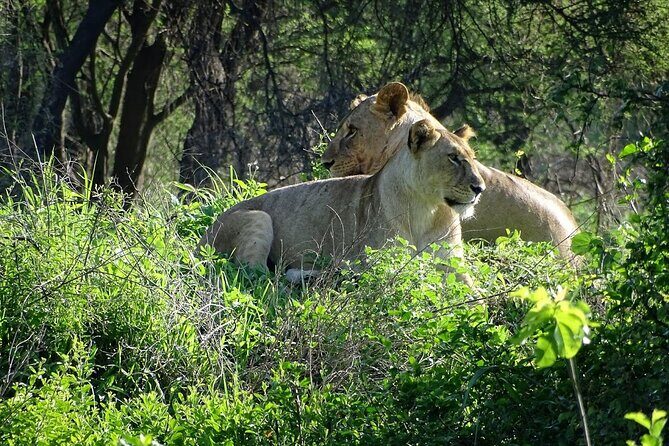
Day two is the headline. After early breakfast, you head to the Ngorongoro Conservation Area and then go down into the crater floor for game viewing. You’ll have picnic lunches during the day, then head back to camp for dinner and overnight.
Descending into Ngorongoro is exactly what makes this day special. From the rim it looks dramatic; from the floor it becomes real—dense visibility, animals moving on familiar-looking routes, and the feeling that you’re watching an ecosystem that’s been doing its job for a long time.
What you’re hoping to see
- Predators and grazing animals sharing space.
- Groups of animals that seem to appear all at once once you reach the right viewing areas.
- A good shot at the Big Five lineup, though nothing in safari life is guaranteed on any single day.
From the experience notes you can take a useful lesson: some visitors get most of their targets, while others miss a specific one like leopard, which tends to stay out of sight more often than you’d like. That’s not a failure of the safari—it’s just how visibility works in the crater. A careful driver can improve your odds, and guides such as Ely, Gabriel, Joshua, and Omari are consistently described as attentive and good at finding animals.
Practical expectations
- The morning descent means cooler air and different lighting than you’re used to. Wear something that works for both shade and sun.
- Because it’s full-day viewing, you’ll want your camera ready early. Quick stops can happen when your guide spots activity.
Day 3: Lake Manyara full day with that famous tree-lion vibe
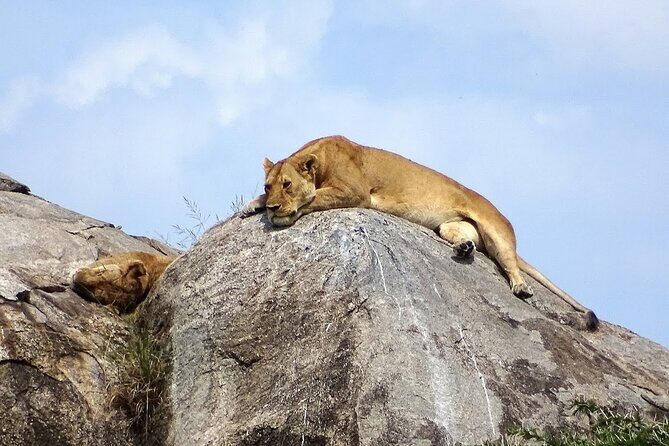
Your third day is for Lake Manyara National Park. After breakfast, you collect picnic lunches from your cook, then head out for a full day of game viewing. In the afternoon you drive back to Arusha, arriving around 5:00 pm for drop-off.
Lake Manyara is where the safari mood often gets playful. This is the park type that rewards patience and sharp eyes. And yes—this route’s promise includes the idea of lions climbing trees. Even if you don’t see one on the day you go, the park still gives you that distinctive mix of wildlife and scenery, with plenty of action around water and vegetation.
Practical expectations
- Another long day on the road. If you’re prone to getting restless in the truck, pack small comfort items: a neck pillow, sunglasses with good coverage, and a snack you can keep within reach.
- The afternoon return to Arusha is your deadline marker. You’ll want to stay present early in the day so you don’t feel rushed later.
If you’re traveling in peak season or on a day when wildlife is spread out, the guide’s job becomes more about timing than luck. That’s why the guide match matters here. Many people highlight how caring and helpful the driver-guide was, plus how they handled requests while keeping the day on track.
Camp life and meals: the part that makes or breaks a camping safari
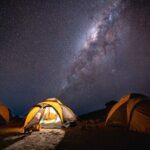
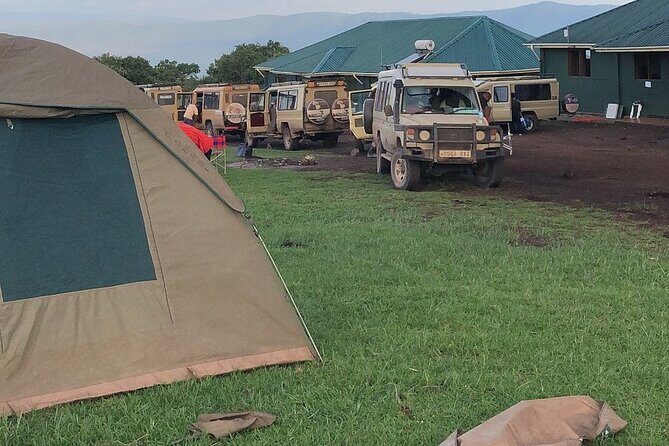
A camping safari lives or dies on two things: sleep and food. Here you get both handled for you. The tour includes camping equipment and two nights lodging, plus three breakfasts, three lunches, and three dinners, with drinks included. That’s not a small detail—it’s the difference between “logistics vacation” and actually enjoying your trip.
From the experience notes, the cooks are a big deal. Names that come up include Halidi, Filippo, and other chefs who are repeatedly described as producing tasty, abundant meals. Even when game viewing is the star, good food changes your day-to-night mood. It’s easier to laugh off a missed sighting when you’ve got a hot meal waiting at camp.
Also, camp can be its own mini wildlife show. Some visitors report seeing animals near or outside their tents. That doesn’t mean it will happen for you every night, but it does mean you’re likely to experience the atmosphere of being closer to the wild than in lodge-style safaris.
What to bring mentally
- Accept that camping means no hotel standards. You’re trading luxury for access, flexibility, and that classic safari feel.
- If you’re someone who loves bedtime comforts, plan for simple preparation: a warm layer, earplugs if you’re sensitive to sound, and a headlamp so you’re not fumbling after dark.
A few more Moshi tours and experiences worth a look

Your guide and driver: spotting, calm, and helping you get the shot
This safari is small-group by design—max 15—and the driver-guide becomes your primary advantage. In the notes, guides like Abdul, Ely, Gabriel, Joshua, Omari, and Godwin are repeatedly praised for being informative, careful, and sharp at noticing wildlife. That shows up in the results: many people come away saying they saw lots of animals and got close enough for meaningful photos.
Here’s what matters for you:
- You’re not just sitting in a vehicle. You’re relying on decisions: where to stop, when to move, and how long to wait.
- A good guide reads the day. If the animals aren’t showing in one zone, they shift to another without turning the trip into a chaos scramble.
If you’re chasing specific targets, your guide can’t invent sightings, but they can improve your odds with time-on-task and good road sense. That’s why it’s worth paying attention to how the safari describes its guides and how people remember their care and competence. When someone is consistently mentioned for both spotting and being helpful, it’s a good sign.
Also, group travel works best when the guide manages pace. A small group usually means fewer “hold everyone up” moments and more time actually in the right places.
Getting from park to park: what those long drive days feel like
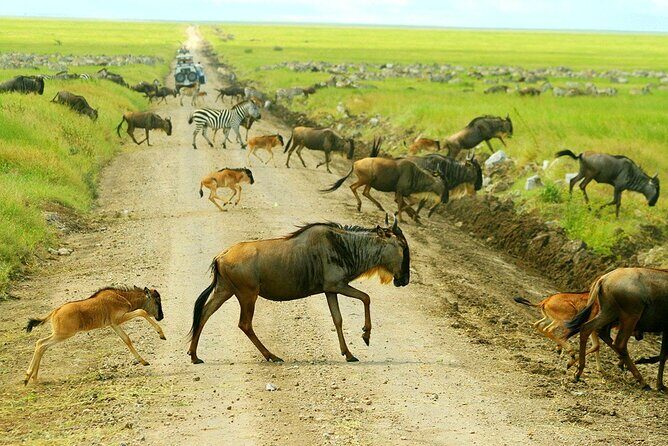
This circuit is efficient. But it’s still three full days of driving and game viewing. Day one is Tarangire all day. Day two is the Ngorongoro crater day with a descent. Day three is Lake Manyara all day, then a return to Arusha around 5 pm.
So what should you do with that information?
- Plan to be mentally ready for early mornings and long stretches in the truck.
- Keep your day gear simple and accessible: water, sunscreen, a hat, and a phone/camera battery plan.
- If you get motion sick, consider bringing what you normally use. The itinerary doesn’t suggest breaks every hour; the day is organized around game drives.
A safari like this doesn’t pretend to be relaxing. It’s an active plan with a payoff: variety across parks and two nights where you can actually rest and reset.
What’s included vs not included, and why it affects your final cost
Included:
- Park fees and admission tickets (so you’re not hunting for entry paperwork)
- All activities and game driving
- All accommodation for the two nights
- Camping equipment
- All transportation (including moving between parks and back to Arusha)
- Meals: three breakfasts, three lunches (including picnic lunches), three dinners
- Drinks
Not included:
- Tips
- International flights
Why this matters: the biggest hidden cost on a safari is often “the stuff around the parks.” Here, it’s wrapped into the package. If you’re comparing options, make sure other quotes include transport, park fees, and lodging too—otherwise your cheap price can turn into a more expensive trip once everything is counted.
Who this 3-day Ngorongoro, Manyara, and Tarangire safari is for
This is a strong fit if you:
- Want the classic Northern Circuit highlights without needing a week.
- Like the camping style experience and don’t need luxury bedding.
- Prefer a small group (up to 15) over a huge bus safari.
- Care about meals being handled for you so you can stay focused on the parks.
It may not be the best match if you:
- Want a slow, low-effort itinerary with lots of free time.
- Strongly prefer lodge-style comfort over camping.
- Are extremely sensitive to long driving days.
Should you book this safari from Arusha?
If your goal is a 3-day sampler that covers Tarangire + Ngorongoro Crater + Lake Manyara, this tour makes sense. The package value is clear: park fees, transport, camping gear, lodging, and meals are included, and the small-group size keeps the experience feeling personal. The repeated emphasis on guides and cooks like Abdul, Ely, Gabriel, Joshua, Omari, Godwin, Halidi, and Filippo also suggests the day-to-day quality is handled, not left to luck.
I’d book this if you can handle early mornings and you’re excited by the chance of big wildlife sightings—even understanding that one target like leopard can be elusive in a short trip. If you want a safari that’s organized, efficient, and focused on seeing animals, this one fits the bill.
FAQ
FAQ
What parks are included in this 3-day safari?
Tarangire National Park, Ngorongoro Conservation Area (including time down in the crater), and Lake Manyara National Park are included.
How long is the safari?
It runs for 3 days (approx.).
What time does the tour start and where are you picked up?
The start time is 6:00 am, and pickup is offered. You leave Arusha town at 08:30 on Day 1, and you return to Arusha around 5:00 pm on Day 3.
Are meals included?
Yes. Breakfast is included for 3 days, lunch is included for 3 days (with picnic lunches), and dinner is included for 3 days. Drinks are also included.
Is lodging included?
Yes. Two nights of lodging are pre-arranged, and camping equipment is included for the camping setup.
What does the $700 price cover?
The price covers park fees, all activities, accommodation, camping equipment, transportation, drinks, and game driving, plus the included meals.
Is free cancellation available?
Yes. Free cancellation is available up to 24 hours in advance for a full refund. If you cancel less than 24 hours before the start time, it isn’t refunded.