Elephants and a crater full of animals—fast. This Moshi-based lodge safari strings together Tarangire National Park and Ngorongoro Crater for a big-animal hit when you do not have time for Serengeti. The idea also includes Lake Manyara, so you get more than one habitat in a short run.
I like the focus on real safari time in the parks, not just long drives for the sake of it. I also like that you travel with a private 4×4 jeep and you get AMREF Flying Doctors insurance built into the package, plus lunch on the itinerary. One thing to watch: the name says 3 days, but the schedule details provided mainly lay out Day 1 and Day 2, so confirm what happens on the extra day and how you return.
In This Review
- Quick reasons this safari makes sense
- A fast Tanzania safari circuit from Moshi
- Day 1 in Tarangire National Park: baobabs, river water, big herds
- Where Lake Manyara fits in this short lodge safari
- Day 2 at Ngorongoro Crater: Big Five odds in one 600m deep bowl
- Private 4×4, lunch stops, and what the schedule really costs
- Lodge night in Karatu: what rest actually means here
- Guides and safety: AMREF Flying Doctors and smooth planning
- Should you book this 3-Day Lodge Safari?
- FAQ
- What parks are included in this lodge safari?
- Is pickup from Moshi offered?
- What’s included in the price?
- What isn’t included?
- How long is the safari?
- What is the cancellation policy?
Quick reasons this safari makes sense
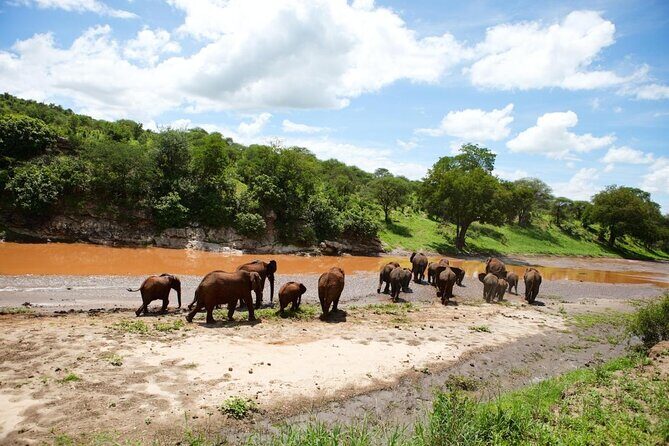
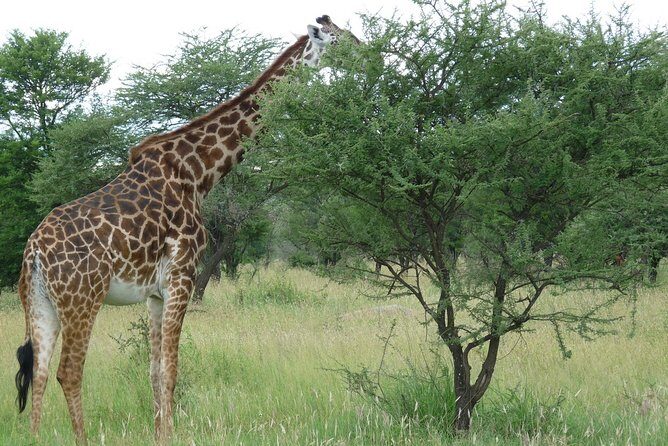
- Tarangire River water brings serious elephant numbers along with giraffes and predators that hunt around the herd
- Ngorongoro Crater is a known Big Five zone with a massive bowl roughly 600 m deep and about 20 km across
- Lunch is served in the crater area, which turns a meal into an actual wildlife moment
- Private means your timing stays yours: only your group rides together in the jeep
- AMREF Flying Doctors coverage is included, adding practical peace of mind for a remote region
- Bujo Tours’ service comes up repeatedly as organized and on-time, with guides named Anthony and Sweve highlighted for pushing for sightings and helping with real-life problems
A fast Tanzania safari circuit from Moshi
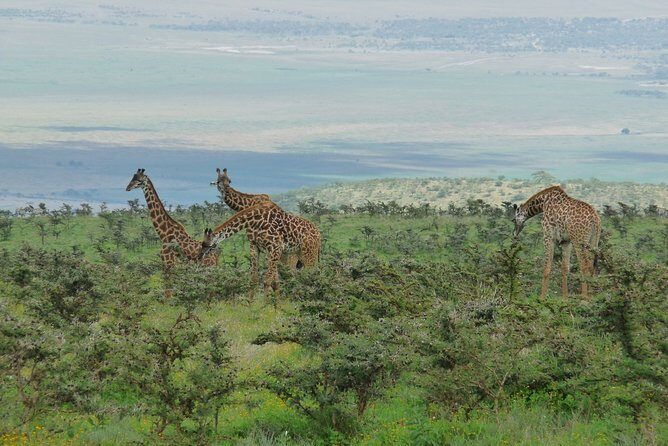
If you’re basing in Moshi, you’re in a good spot for “maximum wildlife, minimum guessing.” This tour is designed for a short window, with Tarangire first and Ngorongoro Crater second, which is a classic combo of river-area wildlife and crater concentration.
The itinerary is clearly built around big ecosystems: Tarangire’s elephants and river life, Lake Manyara’s variety (the plan says it’s included), and then Ngorongoro’s famous crater setting. That matters because wildlife is about habitat. Different parks mean different animal patterns, and you get a better shot at seeing multiple species without starting over.
Value-wise, the price is not cheap, but it’s not just for “a seat in a van,” either. You’re paying for a private 4×4, lodge safari routing, government taxes, and at least two lunches included. The total package also lists AMREF Flying Doctors insurance, which is a real-world benefit when you’re far from major medical centers.
A few more Moshi tours and experiences worth a look
Day 1 in Tarangire National Park: baobabs, river water, big herds
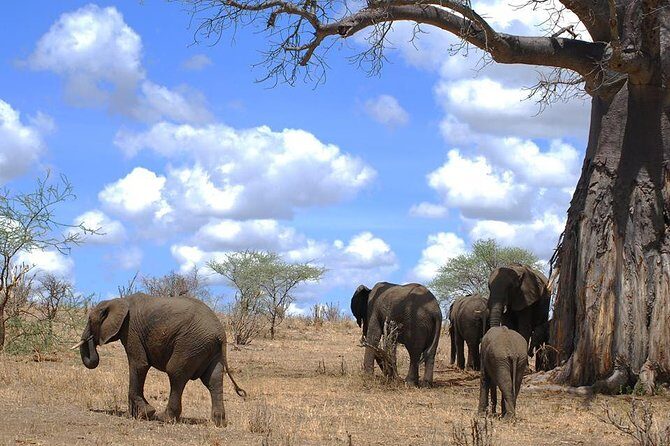
Tarangire is the kind of park that rewards staying alert and watching the ground as much as the skyline. The tour starts with an early hotel pickup after breakfast, then heads into Tarangire National Park, a place known for huge baobab trees and the perennial Tarangire River.
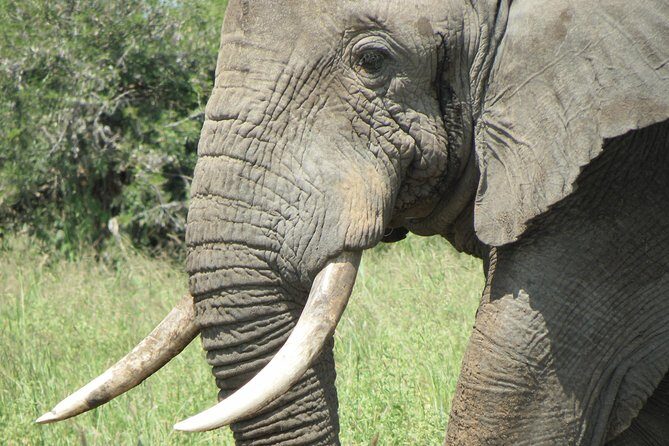
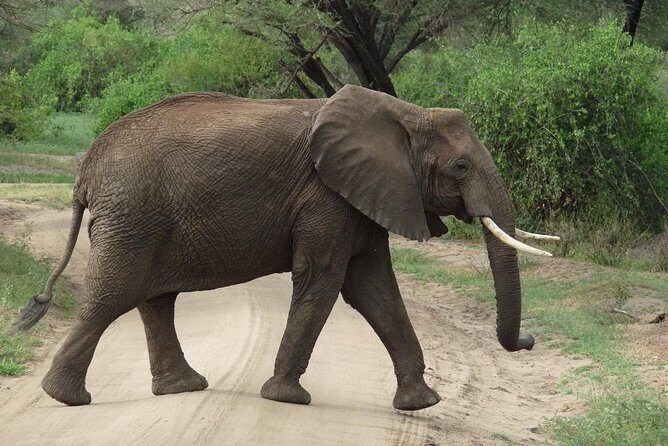
Here’s the practical reason Tarangire stands out: the river and seasonal swamps concentrate life. The plan notes the river as the only source of water in the region, and that’s why the park is associated with some of the largest elephant herds in northern Tanzania. When water is scarce, animals cluster, and your odds improve—especially for elephants, zebras, and the predators that move in response.
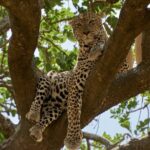
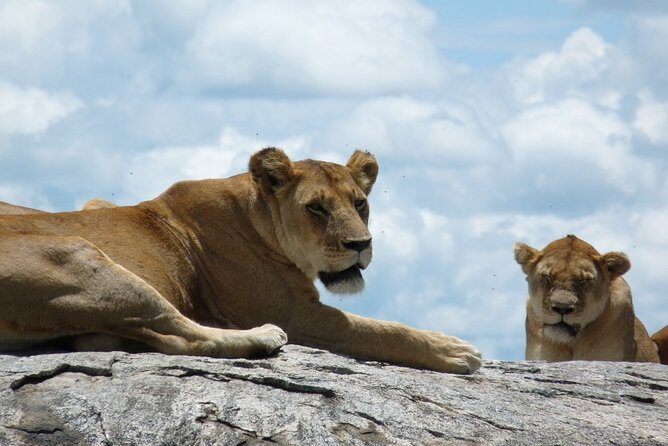
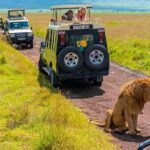
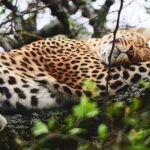
What you can look for on this day includes a long list of typical sightings. Expect the tour to aim at elephants and giraffes first, then the smaller grazers and browsers that share the same feeding routes, like bushbucks, hartebeests, dik-diks, waterbucks, and reedbucks. The itinerary also mentions zebras, buffalo, warthog, and lions in the mix. Leopards are harder, but the text suggests they can be seen every once in a while, which is about as honest as safari marketing gets.
One scheduling detail to plan around: the Day 1 block is listed as around 7 hours with admission included. That tells you you’re not doing a quick drive-by. You’ll be in the park long enough to get at least a couple of different animal “moods”—morning movement toward water and later activity as temperatures change.
Consideration: Tarangire is active and busy with wildlife where the water is. That’s great for sightings, but it also means there can be moments when it’s less about one perfect “pose” and more about constant scanning. If you want guaranteed close-up predator action every hour, no short lodge safari can promise that. But if your goal is elephants and steady wildlife, Tarangire fits the mission.
Where Lake Manyara fits in this short lodge safari
The overview for this package says Lake Manyara National Park is part of the circuit, which makes sense if you’re trying to cover multiple Tanzania wildlife styles without losing a week. Even though the day-by-day breakdown provided focuses heavily on Tarangire and Ngorongoro, you should still treat Lake Manyara as a likely stop and ask your operator how it fits into your exact timing.
Why Lake Manyara matters for you: it adds habitat variety to the itinerary. That’s not a “nice bonus.” It’s the whole point of doing a circuit rather than only one park. Different terrain and vegetation often mean different animal behavior and different bird activity.
What you should do before you go is simple: confirm whether Lake Manyara is a full game drive day, a shorter segment, or a specific viewpoint-style stop. Because the schedule info here does not spell out the Lake Manyara timing, you’ll get better value by getting that clarity early rather than hoping it works out on the fly.
If Lake Manyara is included in your plan, you’ll likely use it as a breathing-change between Tarangire and the crater day. That helps you stay fresh for Ngorongoro, where the sights come fast and the views can be intense (in both senses of the word).
Day 2 at Ngorongoro Crater: Big Five odds in one 600m deep bowl
Ngorongoro Conservation Area is where this safari really earns its reputation. Day 2 starts with an early departure and heads toward the cooler regions of the Ngorongoro highlands. You’ll descend into the crater’s world: a massive bowl that the itinerary describes at about 600 m deep and roughly 20 km across.
That scale matters for animal viewing. A crater concentrates animals because you have limited space to roam, and water and food patterns become clearer. It’s also an excellent place to hunt for multiple species in one place without burning time moving between distant ecosystems.
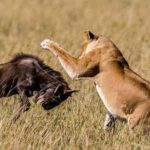
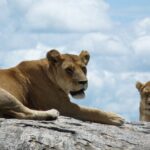
The plan explicitly calls out the possibility of the Big Five: lion, elephant, buffalo, rhino, and leopard. Real talk: no one can promise all five in one day, especially on a short itinerary. But Ngorongoro is one of the better bets in Tanzania for packing big sightings into a limited schedule because you’re looking at a controlled arena with consistent animal zones.
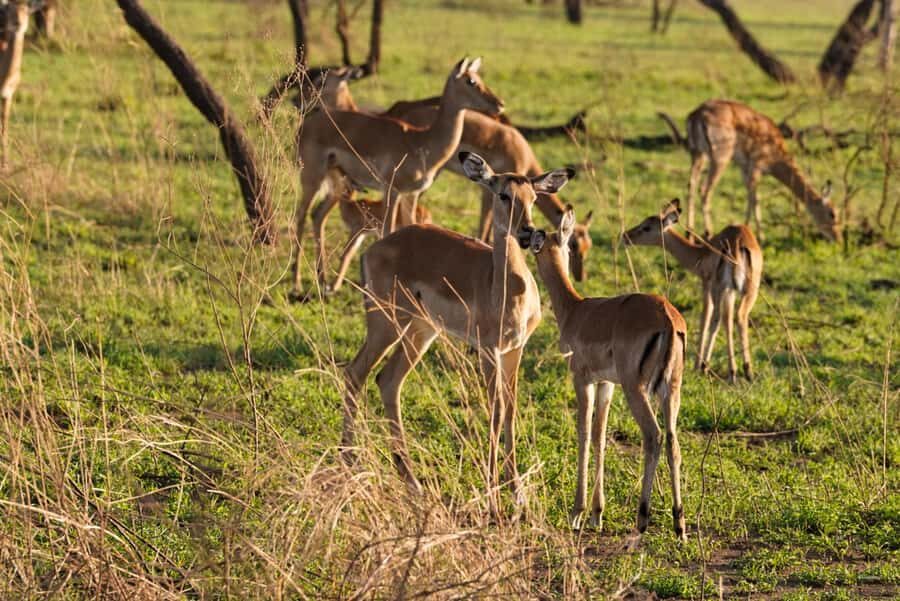
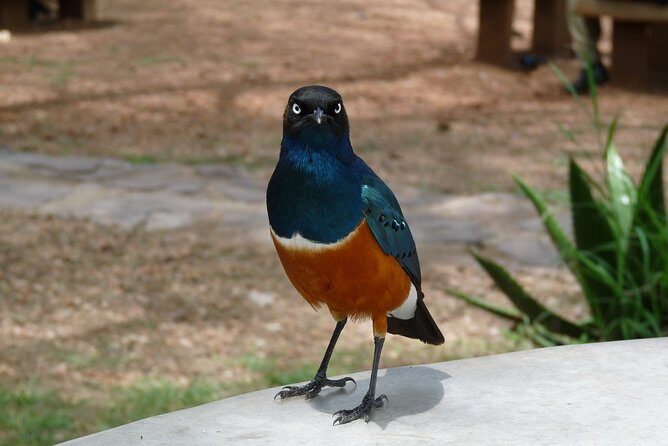
Beyond the Big Five, you can also expect species tied to open areas and grazing zones. The itinerary mentions Grant’s and Thomson’s gazelles and mountain reedbucks, plus hyenas. And if you love birds, the text gives you a useful anchor: more than 500 bird species in the region.
The itinerary includes a big practical “wow” moment: lunch on the crater. Eating there is not just scenic decoration. It keeps you in the wildlife zone longer, instead of pulling you out to reset and lose daylight. Timing can make or break a safari day, and staying in place helps.
Day 2 is listed as around 8 hours, and the late afternoon plan is to travel back to Karatu, where you overnight at the lodge. Karatu is the kind of base that makes it easier to rest after the crater day without turning your safari into a full-day transit marathon.
Consideration: Ngorongoro can feel cooler than lower areas, and you’ll likely be in and out of shaded spots while animals move. Bring layers so you’re comfortable rather than fidgety. A happy client is a better spotter.
Private 4×4, lunch stops, and what the schedule really costs
This package is priced at $1,374.93 per person. For a private safari, that’s in the realm where you’re paying for access, time, and the way a private jeep changes the day.
Here’s what you’re getting that supports the price:
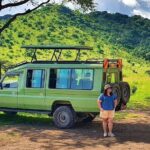
- Private 4×4 jeep equipped for safari drives
- Lodge safari routing (with a lodge overnight at Karatu mentioned for Day 2)
- Lunch included twice (the itinerary lists Lunch (2))
- AMREF Flying Doctors insurance
- All government taxes
- Pickup offered and mobile ticket
What you are not getting (so you can budget calmly) includes:
- Alcoholic and soft drinks
- Flights (international)
- Tips for the safari guide
- Personal expenses like souvenirs
- Travel insurance
- Visa fees and immunization documents
Let’s translate that into real budgeting. If you do not already have travel insurance, you may want to add it even though AMREF coverage is included in the tour. Tips are also a common extra cost that people forget to factor in, and safari days run long enough that you’ll feel the difference between “no tipping planned” and “we prepared for it.”
Also note the itinerary’s admission details: Day 1 includes an admission ticket, while Day 2 is listed as admission free in the schedule notes. Even if the phrasing is a bit inconsistent, the key point is that park access is handled as part of the package rather than you figuring out gate fees at the last second.
A few more Moshi tours and experiences worth a look
Lodge night in Karatu: what rest actually means here
After Ngorongoro, you head back to Karatu for an overnight at the lodge. That matters because a crater day can be draining. You’re driving, scanning for movement, and reacting fast when animals appear.
The lodge part is described broadly as a lodge safari, so you’ll want to confirm the lodging standard tied to your booking. But even without specifics, the logistics are clear: the itinerary plans for recovery time after a full day in the crater area.
What I’d plan for emotionally: wildlife-heavy days are full of “look look look” energy. A lodge night helps you reset so the next morning doesn’t feel like one long yawn in a hot car.
One small practical note: since the itinerary says Day 2 ends with an overnight at Karatu and the full duration is listed as around 2 days (approx.), clarify with the operator how your final day works. You may have a third day buffer for return travel, or you may be effectively doing two major park days plus transfer time. Either way, ask so you know whether you’re leaving early or taking a more relaxed morning.
Guides and safety: AMREF Flying Doctors and smooth planning
A safari lives or dies on two things: driving skill and decision-making. On these short circuits, your guide has to choose when to push for a sighting and when to slow down because the animal is already there.
The company behind this safari is Bujo Tours, and names like Anthony and Sweve come up in the feedback I see for guide performance. The themes are consistent: clear animal information, proactive attempts to see more, and help with practical issues when plans get stressful.
That matters because it can be hard to know what you’re looking at out there. A good guide helps you connect the dots—why elephants cluster by water, how predators move in response, and what bird activity can signal in a new area.
On safety, this package includes Flying Doctors insurance (AMREF). That’s not a guarantee against everything, but it’s the kind of medical coverage you want in a remote region where “get help fast” can matter. You’re also traveling with an established operator, and the format is private, so you’re not stuck sharing your day with strangers who don’t care about timing.
Consideration: Since tips are not included, and safari days can stretch, decide your tipping plan before you depart. You’ll enjoy the experience more when you don’t have a last-minute math scramble.
Should you book this 3-Day Lodge Safari?
I’d book this if you want a short Moshi-based safari that prioritizes the two big winners: Tarangire elephants and Ngorongoro Crater’s concentrated wildlife. It’s also a good fit if you’re allergic to rushed Serengeti logistics and prefer a lodge circuit with private guiding and a steady pace.
I’d hesitate if your must-do is a perfectly detailed three-day schedule with every park stop clearly spelled out. The details you provided focus on Tarangire Day 1 and Ngorongoro Day 2, so you should confirm where Lake Manyara lands and what the “extra day” includes.
If you go ahead, ask your operator two questions up front:
1) Exactly how many days and drives are included in your booking, based on the package you’re buying?
2) When and how Lake Manyara is added to your route?
Answer those, pack layers, and you’re set up for a safari that’s short on time and strong on wildlife.
FAQ
What parks are included in this lodge safari?
The package overview says it includes Tarangire National Park, Lake Manyara National Park, and Ngorongoro Crater/Ngorongoro Conservation Area. The detailed day-by-day schedule given highlights Tarangire on Day 1 and Ngorongoro on Day 2.
Is pickup from Moshi offered?
Yes. Pickup is listed as offered, and the tour starts with an early pickup after breakfast on the first park day. The start time is noted as 8:00 am.
What’s included in the price?
Included features list a lodge safari, a private Jeep 4×4 equipped, AMREF Flying Doctors insurance, and all government taxes. Two lunches are included, and the itinerary notes admission is included for Day 1 and listed as free for Day 2.
What isn’t included?
Not included are flights (international), alcoholic and soft drinks, tips for the safari guide, personal expenses like souvenirs, travel insurance, visa fees, and immunization documents.
How long is the safari?
The duration is listed as 2 days (approx.). The tour is called a 3-Day Lodge Safari, so it’s worth confirming what the third day covers in your exact booking.
What is the cancellation policy?
You can cancel up to 6 days in advance for a full refund. If you cancel 2–6 days before the experience you receive a 50% refund, and if you cancel less than 2 days before the start time, the amount paid is not refunded.