REVIEW · MOSHI
3 Days Exploring Serengeti & Ngorongoro Crater from Arusha
Book on Viator →Operated by African Diurnal Safaris & Tours · Bookable on Viator
Serengeti and Ngorongoro in just three days. This safari concentrates the big-ticket Tanzanian wildlife moments into a tight route, with Serengeti plains game drives plus a dawn descent into Ngorongoro Crater for concentrated viewing. I also like that you get options to add Olduvai Gorge or a Maasai village stop without wrecking the core plan.
What I like most is the way the days are structured around animal activity: game drives on Day 1 and Day 2 in Serengeti, then a very early start on Day 3 for the crater floor. I also love the human touch—an English-speaking guide/driver and professional cook, and the fact that this is a private tour means your driver can focus on your sightings rather than herding a crowd.
One drawback to plan for: the travel time. Even on a 3-day schedule, you’re doing long stretches of driving from the Kilimanjaro area toward the parks, so expect full days behind the wheel.
In This Review
- Key highlights worth knowing before you go
- The core idea: why this 3-day route works
- Day 1 in Serengeti National Park: long drive, big first impressions
- Day 2: Serengeti game drive plus the rim-to-crater transition
- Day 3 in Ngorongoro Crater: early descent and crater-floor animal density
- Price and value: what you’re paying for (and what it includes)
- The guides and the pacing: getting to what matters
- Food, comfort, and sleeping: what camping gear signals
- What to expect from the wildlife (without counting on guarantees)
- Best-fit for who this tour suits
- Should you book this 3-day Serengeti and Ngorongoro safari?
- FAQ
- What time does the safari start?
- Is this tour private?
- Are park fees included?
- What meals are included?
- Is there a lunch stop inside Ngorongoro Crater?
- Are Olduvai Gorge or a Maasai village stop possible?
- What wildlife areas do you visit?
- What’s the cancellation window?
Key highlights worth knowing before you go
- Private safari setup: only your group participates, so your guide can tailor pacing and stops.
- Serengeti twice, Ngorongoro once: two game-drive sessions in Serengeti, then a crater-day that starts early.
- Wildlife focus, including migration season potential: the Serengeti schedule explicitly targets big-game and predators, with great migration mentioned.
- Crater-floor lunch at Ngoitoktok: you eat at a picnic site near the hippo pool area in the crater.
- Camping gear included if you’re in a camp: mattress, sleeping bag, and pillow are part of what’s provided.
- Optional add-ons on route: Olduvai Gorge and a Maasai village stop can be worked in if you want them.
The core idea: why this 3-day route works
This is the kind of safari plan you book when you want the headline parks, but you don’t want to spend a full week driving and waiting around. You’ll cover the Serengeti National Park on two separate days—morning-to-afternoon timing you can feel in your legs and eyes—then you hit Ngorongoro Crater early on Day 3 when the light and the wildlife odds are better.
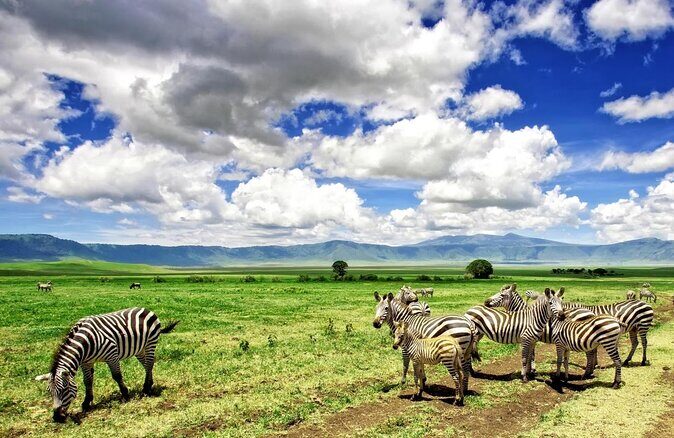
Serengeti is about space: long grass plains, predators in motion, and the sense that the whole ecosystem is running like a giant machine. Ngorongoro Crater is about concentration: a caldera that funnels animals into predictable corridors, plus obvious bird life around the crater features. The pairing is smart because it gives you two very different viewing styles in only three days.
Also, this is a private tour, which matters more than you might think. In a crowded group, you often spend time responding to the group’s pace. Here, your guide/driver can prioritize what you care about—predators, big mammals, or just taking your time to process what you’re seeing.
A few more Moshi tours and experiences worth a look
Day 1 in Serengeti National Park: long drive, big first impressions
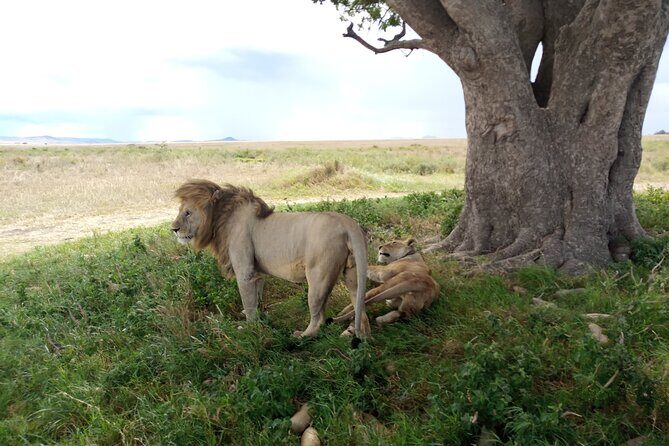
Your day starts early with breakfast, then you head out toward Serengeti National Park, passing through the Ngorongoro Conservation Area. There’s an optional way to add Olduvai Gorge if you want a quick dose of human-history context before the wildlife takes over.
Once you’re in the Serengeti, your afternoon is built around a classic game drive: wide plains, spotted movement, and the constant possibility of a close encounter at vehicle distance. The itinerary specifically calls out big-game animals, predators, great migration, and Nile crocodiles. That last detail matters because it tells you the plan isn’t only about the open grass—it’s about watching the ecosystem edges too.
Later, around 6:30 p.m. for sunset, you’re driven for dinner and overnight at your lodge or camp. I like this timing because it gives you a clean break after a full drive-and-drive day. It also sets you up for a more productive Day 2, since you’re not trying to squeeze a second major Serengeti push immediately after arrival.
A practical consideration: Day 1 is often the day where you feel the driving. If you’re sensitive to long road time, plan to drink water steadily and keep a light snack routine going so you don’t “crash” before the game drive.
Day 2: Serengeti game drive plus the rim-to-crater transition
Day 2 starts with another game drive in Serengeti, so you’re not relying on luck from a single day. This is one of the reasons the itinerary feels efficient: you’re giving yourself repeat chances for the animals you want to photograph, the predators you hope to spot, and those surprise sightings that make safari worth it.
In the afternoon, you transition toward Ngorongoro Crater. The route includes a couple optional stopover ideas:
- a possible stop at Olduvai Gorge, and/or
- a stop at a Maasai village (if you want cultural context during the travel day)
You’ll end Day 2 at the rim for dinner and overnight, with an excellent view of the crater floor. That rim view is a helpful mental map. Even before Day 3’s descent, you can start visualizing where animals might move and why certain areas feel “busy.”
This is also the day where your comfort kit matters. A crater rim overnight often means cooler temperatures than the plains. If you tend to run cold, pack layers you can peel on and off during the driving and outdoor meal times.
Day 3 in Ngorongoro Crater: early descent and crater-floor animal density
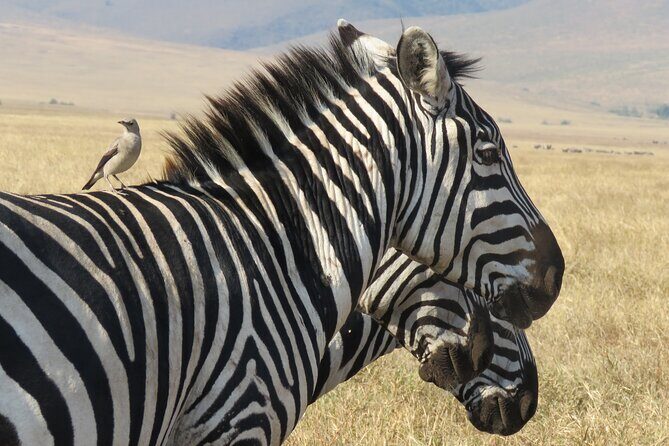
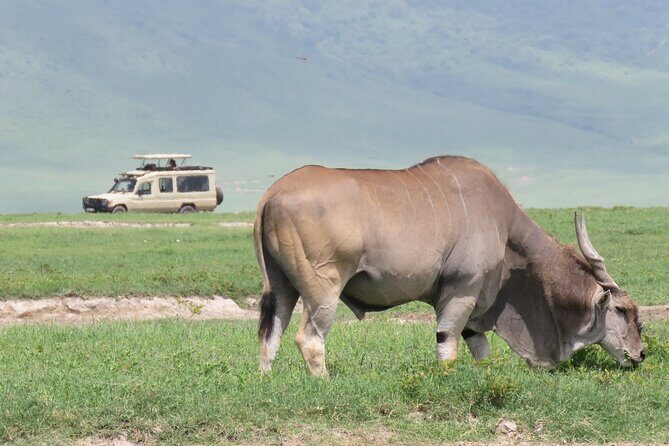
Day 3 begins early with breakfast, then you descend into Ngorongoro Crater for game drives. This is the heart of the itinerary. Ngorongoro is famous because so many animals live here inside the caldera, including the Big Five—rhino, lion, buffalo, and elephant are explicitly listed, along with the idea that these species are present.
You’ll also find a supporting cast that makes the crater feel alive: zebra, hippo, wildebeest, and hyena are mentioned, plus additional wildlife depending on timing.
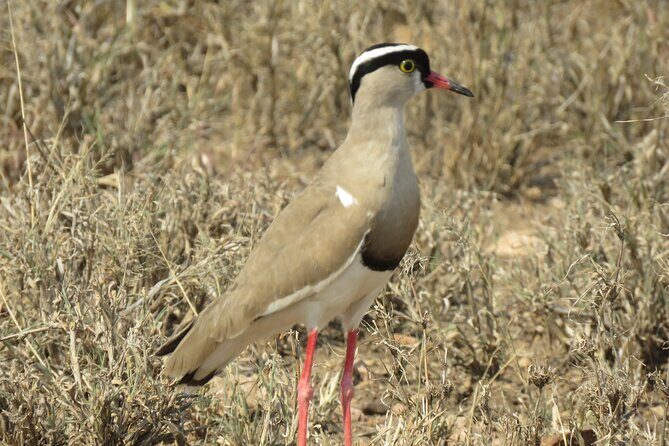
Then comes one of my favorite parts of any crater safari: birds. The plan calls out flamingos on the Soda Lake, plus geese, storks, and vultures. Even if you’re not a bird person, vultures are a good sign of how the food chain is working below, and flamingos are a strong visual moment—especially compared with the darker mineral colors of the crater walls.
Lunch is served at the Ngoitoktok swamp, near a hippo pool. I like that this isn’t a random stop where you eat and rush off. It’s placed in a wildlife-rich area, so your lunch break has a purpose beyond refueling.
After lunch, you drive straight back to Arusha town for dinner and overnight. That “straight back” note is good news if you hate uncertain driving—once you’re done with the crater, you’re not adding extra park time. You’re also ending on a more relaxed note than if the final day had a second long park segment.
Price and value: what you’re paying for (and what it includes)
At $2,190 per person, this is not a budget safari. But it lines up with what you’re getting: park access, a private setup, professional guidance, and a full food package plus camping gear.
Here’s what’s included per the tour details:
- All park fees and taxes
- Guide/driver and a professional cook
- Meals: breakfasts (2), lunch (3), dinners (2)
- Camping gears (mattress, sleeping bag, pillow)
- Pickup offered and a mobile ticket
What’s not included:
- tips/gratuities for guide/cook
- personal items and optional activities
- domestic and international flights
- lodging for the night before and after the safari
So what’s the “value” angle? You’re paying for three things that are hard to recreate on your own:
1) entry and logistics into the parks (fees and access),
2) a guide who can read the bush and adjust as wildlife appears, and
3) meal planning and basic overnight comfort, including camping equipment if you’re in that style of stay.
One more value note: you’re not stuck guessing whether you’ll get a real safari day. The schedule is built around game drives in the right places—Serengeti on two days and Ngorongoro on Day 3.
The guides and the pacing: getting to what matters
In safari, the guide isn’t a background character. They’re the link between you and what the animals are doing. People who’ve done this route emphasize that the guide/driver is patient and actively works to locate wildlife.
Your guide may have a style similar to what’s been described with Samson and Elisante—both names that show up in the context of excellent animal-finding and close viewing from the vehicle. One strong theme is care: watching where you want to look, taking the time to make sure you see what’s available, and sharing knowledge about what you’re seeing.
That matters because Serengeti and Ngorongoro can both be overwhelming at first glance. A good guide helps you “get your bearings fast”: what to watch for, what tracks or signs suggest, and how to interpret distance and movement without wasting time.
Pacing is also intentional. Two Serengeti drives give you time to learn the area, and the early crater start helps you get meaningful viewing before the day heats up and wildlife shifts.
Food, comfort, and sleeping: what camping gear signals
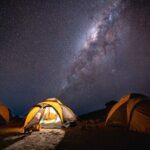
This tour includes breakfast, lunch, and dinner, plus camping gear like mattress, sleeping bag, and pillow. That combination suggests you may be sleeping in a camp style setting in addition to lodges, even though the itinerary also mentions lodge or camp.
For you, that means you should think like a camper even if you’re not used to it:
- you’ll want a warm layer for evenings and early mornings (especially if you’re near the crater rim)
- you’ll want to bring a small day bag for camera, water, and layers
- you’ll appreciate the fact that key sleep items are handled for you, not left to guesswork
The food coverage is also a real advantage. Safari days run on timing, and having meals included reduces the stress of finding food at exactly the wrong time.
What to expect from the wildlife (without counting on guarantees)
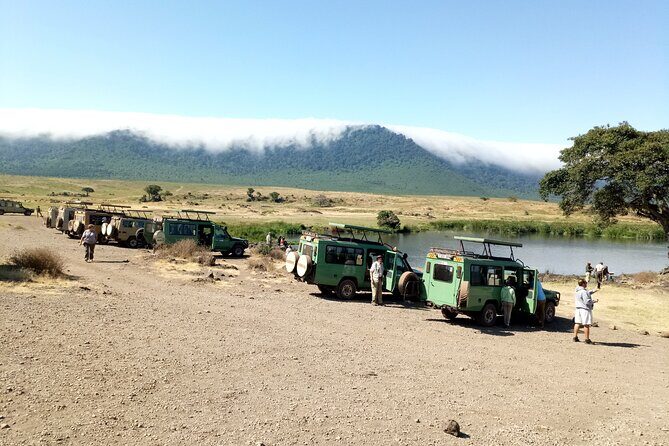
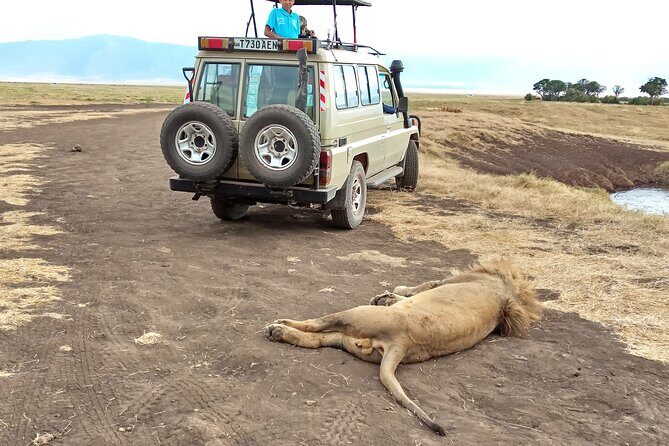
Ngorongoro Crater is the easier bet in terms of “will I see something?” It’s a closed system, and the itinerary explicitly lists a wide range of animals inside the caldera, plus flamingos and other birdlife.
Serengeti is still a top-tier safari, but it’s a larger space. That’s why the plan’s two Serengeti game drives matter: you’re giving yourself more chances for predators and for that great-plains feel. The itinerary also calls out the great migration, which is worth keeping in mind as a reason to choose this season if migration timing aligns with your dates. (Your sightings still depend on the bush in front of you.)
A smart mindset: plan for variety rather than a checklist. You’re likely to see plenty of big mammals, but the “best moment” might be a predator moment, a close elephant sighting, or the bird life at soda lake and around the swamps.
Best-fit for who this tour suits
This tour fits well if:
- you want Serengeti + Ngorongoro in one tight package
- you value private guiding and a chance to slow down for the animals you care about
- you’re okay with early starts and long driving days
- you like the idea of included meals and camping gear, so you can travel lighter in essentials
If you’re the type who hates driving time, you should still consider it—but treat the itinerary as three days of motion, not three days of relaxing in one spot. The route covers huge distances between ecosystems.
Should you book this 3-day Serengeti and Ngorongoro safari?
I think this is a strong booking choice if you want an efficient hit of Tanzania’s two headline wildlife areas and you’re comfortable with a packed schedule. The included park fees, guide/driver, professional cooking, and meal plan reduce the “hidden stress” that often comes with safari planning.
If you’re debating whether it’s worth it, ask yourself this: do you want a guided, private safari with structured game drives and crater-floor time, rather than trying to stitch together permits, routing, and food on your own? If yes, this one makes sense.
FAQ
What time does the safari start?
The start time is listed as 7:00 am, with the experience starting from Kilimanjaro Airport.
Is this tour private?
Yes. It’s described as a private tour/activity, so only your group will participate.
Are park fees included?
Yes. The tour includes all park fees and taxes.
What meals are included?
The included meals are breakfast (2), lunch (3), and dinner (2).
Is there a lunch stop inside Ngorongoro Crater?
Yes. Lunch is served at the picnic site in the crater at Ngoitoktok swamp, described as a hippo pool.
Are Olduvai Gorge or a Maasai village stop possible?
Both are listed as optional stopover ideas on route (Olduvai Gorge and/or a Maasai village stop).
What wildlife areas do you visit?
You’ll do game drives in Serengeti National Park and then descend into Ngorongoro Crater for crater-floor drives.
What’s the cancellation window?
You can cancel for a full refund up to 24 hours before the experience’s start time, with no refund if you cancel less than 24 hours before.