REVIEW · MOSHI
Latest Updates On The Top Best 3 day Serengeti Migration Safari
Book on Viator →Operated by AFRICA NATURAL SAFARIS · Bookable on Viator
Three days, one wild planet. This Serengeti migration safari packs the big wildlife moments fast, with wildebeest, zebra, and Thomson’s gazelle moving across the plains. I like that you’re in an open-roof 4×4 Land Cruiser for bumpy, up-close sightings, and that the schedule leans hard into early drives when animals are most active. One thing to consider: you’ll sleep in budget-style accommodations, so comfort is basic (and only water is included with meals).
This route is also built around range. You’ll cover three major stops—Ndutu, the Serengeti, and Ngorongoro Crater—so you’re not just staring at one view for three days. And timing matters: the classic dry-season window is late June to October, while late January and February are best for wildebeest calving.
In This Review
- Key Highlights You’ll Actually Care About
- Entering The Safari From Moshi: Pickup, Timing, and First Views
- Season Cheat Sheet: Dry Migration vs Calving Months
- Day 1: Arusha to Serengeti National Park and Your First Full Day in Wildlife Country
- Day 2: Early Serengeti Tracking, Then Rolling Toward Ngorongoro
- Day 3: Ngorongoro Crater Game Drive, Picnic at the Lake, and Big Five Chances
- Why the Open-Roof Land Cruiser Matters More Than You Think
- Guide Style, English Speaking, and How to Use It to Get More Sightings
- Price and Value: Is $770 Per Person a Good Deal?
- Comfort and Practicalities on a Tight 3-Day Schedule
- Who This Safari Fits Best (and Who Should Think Twice)
- Should You Book This 3-Day Serengeti Migration Safari?
- FAQ
- How much does the 3-day Serengeti migration safari cost?
- What’s included in the safari price?
- What isn’t included?
- Where does the safari start and end?
- Is pickup offered?
- What is the visa cost listed for this safari?
- What’s the cancellation policy?
Key Highlights You’ll Actually Care About
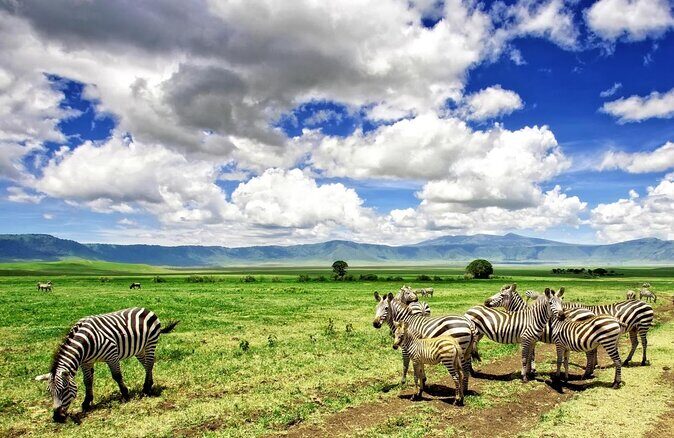
- A tight 3-day circuit that hits Ndutu, Serengeti, and Ngorongoro Crater in one trip
- Early-morning game drives across Serengeti for predator tracking by guide observation and footprints
- Open-roof transport that makes photos easier and viewing more natural
- Water-only meal inclusion (other drinks cost extra), with alcohol not included
- Big Five odds around Ngorongoro’s crater “oasis,” plus a picnic lunch near a hippo-and-bird lake
Entering The Safari From Moshi: Pickup, Timing, and First Views
Most safari trips live or die on the first transfer day. Here, the experience starts in Moshi and includes pickup, so you’re not hunting for the right vehicle with safari dust already in your shoes. The meeting point is Tanzania Natural Tours Ltd in Moshi, and the activity ends back there too.
The practical win is that you get moving early from the Mount Kilimanjaro region toward the wildlife areas. The drive itself is part of the experience: you travel toward the Serengeti along a road near the rim of Ngorongoro Crater, which means you have a decent chance to spot animals en route rather than treating the journey like empty time.
Also note the group size: the safari has a maximum of 90 travelers. That’s not tiny, but it’s not the kind of massive herd that usually blocks your view either—especially on game drives where your focus is the animals, not the crowd.
A few more Moshi tours and experiences worth a look
Season Cheat Sheet: Dry Migration vs Calving Months
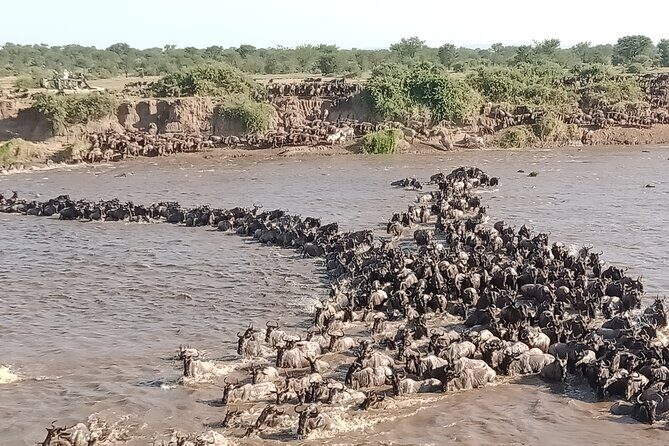
If you’re choosing a time to go, this trip gives you two clear targets.
For the Great Wildebeest Migration, the best general season is the dry months, late June through October. That’s when wildlife viewing tends to be easier across open plains because animals gather around water and food more predictably. This is also the time people talk about when they describe a migration column that can stretch up to 40 kilometers, involving more than 2.5 million animals.
If your priority is baby wildebeest, aim for late January and February. That’s when wildebeest calving happens, and your whole trip shifts from chasing migration movement to watching the next generation enter the grassland.
One honest thought: migration is not a fixed calendar event. Even in the best months, where the herds are on a given day can vary. What you can control is the season you pick—and this itinerary is designed for that seasonal focus.
Day 1: Arusha to Serengeti National Park and Your First Full Day in Wildlife Country
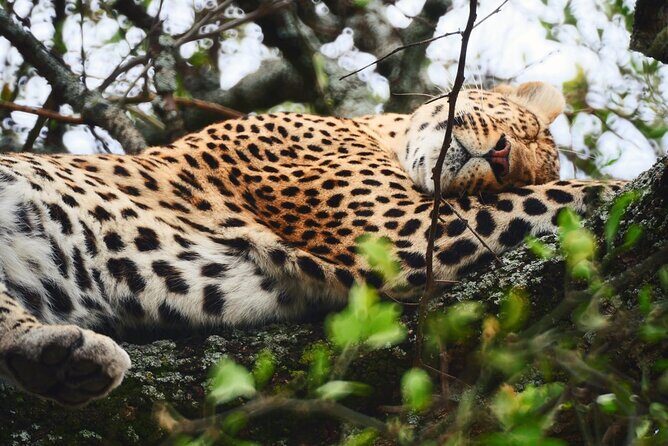
Day 1 is all about momentum. You leave Arusha early morning and head toward the Serengeti National Park. The drive is described as running near the rim of Ngorongoro Crater, and that matters because it gives you more chances to see wildlife before you even reach the main game-drive areas.
After lunch, the plan continues into the plains with a leisurely game drive. “Leisurely” here is a good word. After a long morning transfer, you don’t want an adrenaline sprint that burns your energy. You want time to slow down, watch behavior, and notice small details—like how zebras move in lines, or how wildebeest react when predators are near.
That night, you sleep at Budget Nyani Campsite. Meals include water in all meals, while other drinks are not included. So if you like soda, juice, coffee, or bottled water beyond what’s provided, you’ll want to bring a plan (or money) for those.
Day 2: Early Serengeti Tracking, Then Rolling Toward Ngorongoro
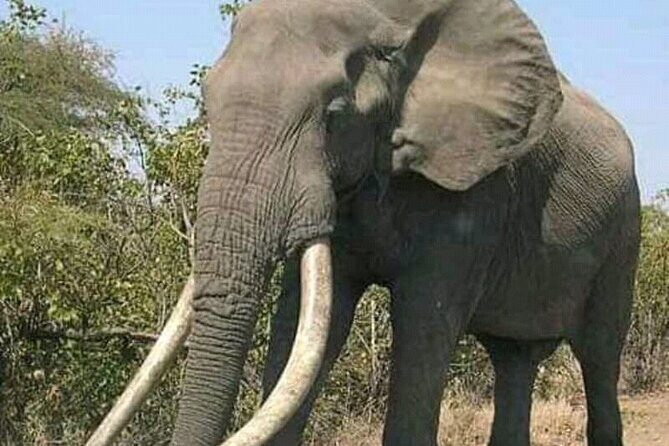
Day 2 starts early—because wildlife doesn’t wait. You’ll have an early-morning game drive across the heart of the Serengeti as the sun rises again. The idea isn’t just “wake up early.” It’s that the savannah changes fast in the morning: birds get loud, animals move more actively, and the whole scene feels alive in a way you don’t get later in the day.
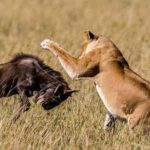
What I like in the description is the guide’s approach to finding predators. Instead of random driving, the guide checks footprints on the ground to help locate where predators may be. That kind of tracking isn’t magic, but it’s a real skill—and it’s one reason this kind of safari can feel more satisfying than just driving past animals at midday.
Then you shift toward Ngorongoro Crater for dinner and overnight. This is a meaningful change of setting. Serengeti is open plains and rolling distance; Ngorongoro is a contained world with its own rules. You’re basically swapping one type of wildlife stage for another.
Day 3: Ngorongoro Crater Game Drive, Picnic at the Lake, and Big Five Chances
Ngorongoro Crater is the payoff day. You’ll start after an early morning breakfast and head down for the best time to spot animals. That timing matters because the crater can get busier, and visibility and animal movement are often better earlier.
Your day includes a game drive around the crater, plus a picnic lunch at a small lake inside the park. The lake is described as a place for hippos and migratory birds, so you’re not only looking for the Big Five. You’re also watching daily drama: hippos in and around water, birds using the edges, and animals crossing between feeding areas.
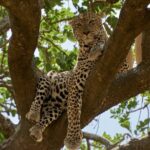
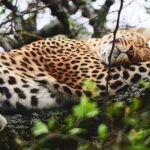
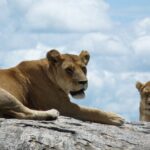
The tour emphasizes the crater’s “oasis” effect and says there’s a high possibility of spotting the full Big Five. In this specific description, the Big Five includes lion, elephant, leopard, rhino, and water buffalo. I’ll keep expectations realistic: “high possibility” is not a guarantee. But Ngorongoro is well known for concentration of wildlife, and the schedule is built to put you in position during the hours when sightings can happen.
A few more Moshi tours and experiences worth a look
Why the Open-Roof Land Cruiser Matters More Than You Think
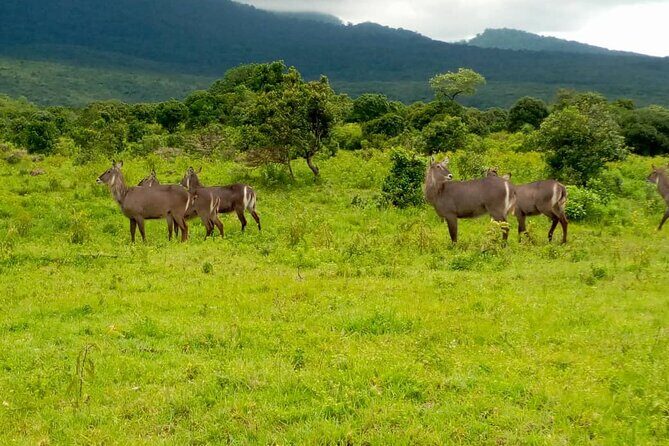
A safari vehicle might sound like a minor detail, but it changes your experience.
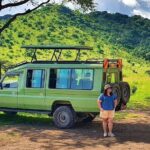
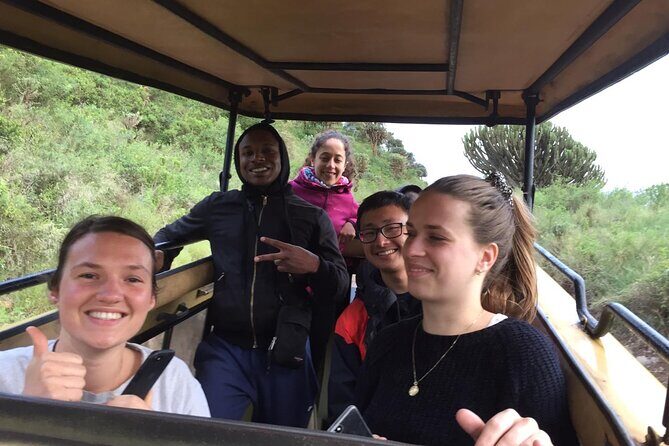
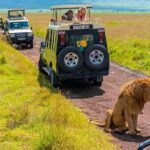
Here you get transport in a 4×4 Land Cruiser with an open roof. That affects three big things:
First, it changes how you see. You get better sightlines for animals at the edges of the road, and you can track movement without leaning awkwardly.
Second, it helps with photos. You can frame shots more naturally when you’re not constantly battling windows and reflections.
Third, it keeps the whole trip feeling like you’re truly in the wild, not behind glass. That matters on a short itinerary where every minute counts.
Guide Style, English Speaking, and How to Use It to Get More Sightings
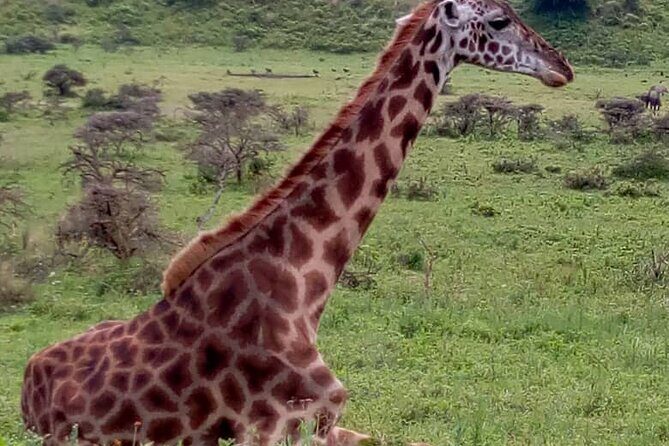
The experience includes a professional English-speaking guide. On a 3-day safari, that’s not a “nice to have.” It’s the difference between seeing animals and understanding what you’re seeing.
The description highlights guide skills like examining footprints to locate predators. That’s one example of using real animal-sign reading instead of pure luck. You’ll also get help interpreting seasonal migration patterns—especially if you go in late June to October, or if you’re there in late January and February for calving.
A simple tip: ask your guide what they’re trying to find that morning. If you know the target, you’ll notice more quickly whether you’re getting closer—through tracks, bird activity, or animal behavior changes.
Price and Value: Is $770 Per Person a Good Deal?
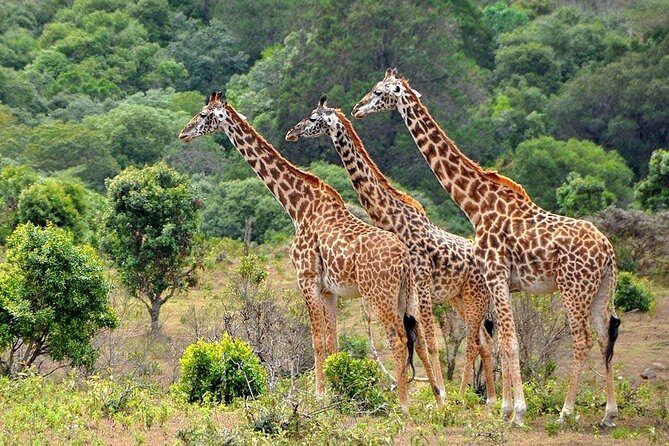
At $770 per person, this isn’t a budget bargain, but it also isn’t priced like a private luxury lodge safari. The value comes from what’s included and the structure of the trip.
Included highlights:
- All fees and taxes
- Budget accommodations during the safari on a full board basis
- A professional English-speaking guide
- 4×4 Land Cruiser with open roof
- Pickup and a mobile ticket
What’s not included (and can affect your total cost):
- Alcoholic beverages
- Flights to Tanzania
- Travel and medical insurance
- Visa cost (listed as $50 for most passport holders; Canadian and USA passport holders are listed as $100)
- Tips for guide and chef
- Optional add-ons like Serengeti balloon flight and Masai Village
- Personal expenses
Here’s the practical way I’d judge the value: you’re paying for time in the field and for people who know how to get you there safely and efficiently. You’re not paying for high-end comfort. If that matches your travel style—meaning you want wildlife first—this price can feel fair.
Comfort and Practicalities on a Tight 3-Day Schedule
This trip is short, which is great if you want migration highlights without taking a week off. But short also means you’ll be trading long rest periods for more game-drive hours.
You should plan for:
- Early starts (especially day 2 and day 3)
- Budget-level accommodation at Budget Nyani Campsite
- Meals where water is included, but other drinks are not
If you’re the type who likes relaxing in the late afternoon, you might feel the pace. If you’re the type who wants more animal time, the schedule will likely feel just right.
Also remember: the tour is operating with a maximum group size of 90 travelers. That typically means you’ll spend more time with your group during transfers, and less time noticing numbers once you’re out on safari roads.
Who This Safari Fits Best (and Who Should Think Twice)
This is a strong match if you want:
- A 3-day Serengeti migration safari with major stops in one circuit
- Early-morning wildlife time
- A guided experience that includes predator-tracking style searching (like footprint reading)
- A travel plan that prioritizes sightings over hotel comfort
It might not be ideal if:
- You expect luxury accommodation
- You want guaranteed Big Five on every trip (nobody can promise that)
- You dislike long drive days or early starts
One more note: many safari visitors combine trips across Tanzania. If you’re pairing this with other activities, make sure your flight and transfer timing leaves room for real-world driving time.
Should You Book This 3-Day Serengeti Migration Safari?
If you’re aiming for one thing—wildebeest migration moments with a clear shot at predator activity and crater wildlife—this itinerary makes sense. You get the essentials: guided drives, open-roof transport, and a route that hits Ndutu, Serengeti, and Ngorongoro Crater within three days.
I’d book if your travel style is practical: you’re happy with basic lodging, you’re okay with water included but not alcohol, and you’re ready for early mornings to maximize animal chances. I’d think twice if you want a slow, comfortable vacation rhythm or if you’re not willing to manage a few extras like tips and optional add-ons.
FAQ
How much does the 3-day Serengeti migration safari cost?
The price is $770 per person.
What’s included in the safari price?
It includes all fees and taxes, budget accommodations during the safari on a full board basis, a professional English-speaking guide, and transport in a 4×4 Land Cruiser with an open roof.
What isn’t included?
Alcoholic beverages, both domestic and international flights, travel and medical insurance, visa costs, tips for the guide and chef, extra activities like Serengeti balloon flight and Masai Village, and personal items are not included.
Where does the safari start and end?
It starts at Tanzania Natural Tours Ltd in Moshi and ends back at the same meeting point.
Is pickup offered?
Yes, pickup is offered.
What is the visa cost listed for this safari?
The visa cost is listed as $50, except for Canadian and USA passport holders which is listed as $100.
What’s the cancellation policy?
You can cancel up to 24 hours in advance for a full refund. If you cancel less than 24 hours before the start time, the amount paid will not be refunded.