REVIEW · ARUSHA
Ngorongoro Crater: Full-Day Safari Tour
Book on GetYourGuide →Operated by Jaynevy Tours · Bookable on GetYourGuide
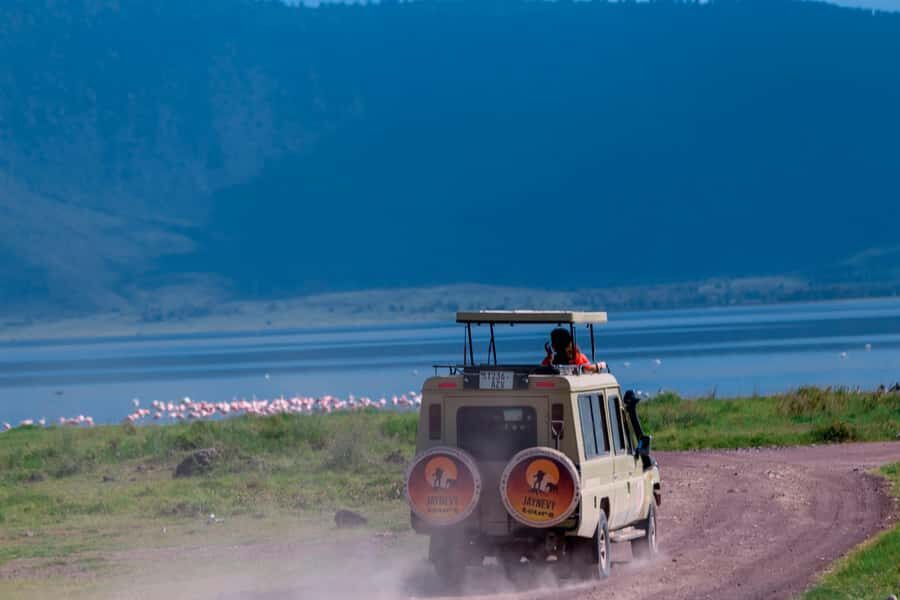
Ngorongoro Crater is big enough to feel like another planet. From the rim, you get that instant wow-factor, then you step onto the crater floor for a guided game drive where spotting the Big Five can happen in the same visit. I love how the day pairs two things that usually take separate trips: dramatic views of the UNESCO volcanic caldera and real wildlife time in a compact space.
This tour also gives you practical structure: pickup, entrance access, a guided visit inside the crater, and lunch included. One caution: the day is long and early starts can get bumpy, with some people experiencing delayed pickup, light communication, or confusion around the handoff back to hotels.
In This Review
- Key highlights to watch for
- Why Ngorongoro Crater feels like a natural amphitheater
- The full-day schedule: 12 hours with a 5-hour crater window
- The game drive: what spotting Big Five actually means here
- Rim viewpoints and the geology story you can photograph
- Maasai culture: included, but timing can affect what you experience
- Price and value: what $291 covers on this full-day safari
- What can make or break your day: guides, pacing, and hotel drop-offs
- Packing list and crater comfort tips that actually help
- Who this tour suits—and who might want a different format
- Should you book this Ngorongoro Crater full-day safari?
- FAQ
- How long is the Ngorongoro Crater full-day safari tour?
- Where does pickup happen for this tour?
- What languages are the live tour guides?
- What’s included in the price?
- Is lunch provided, or should I plan to buy food?
- Is there an optional add-on besides the safari?
Key highlights to watch for
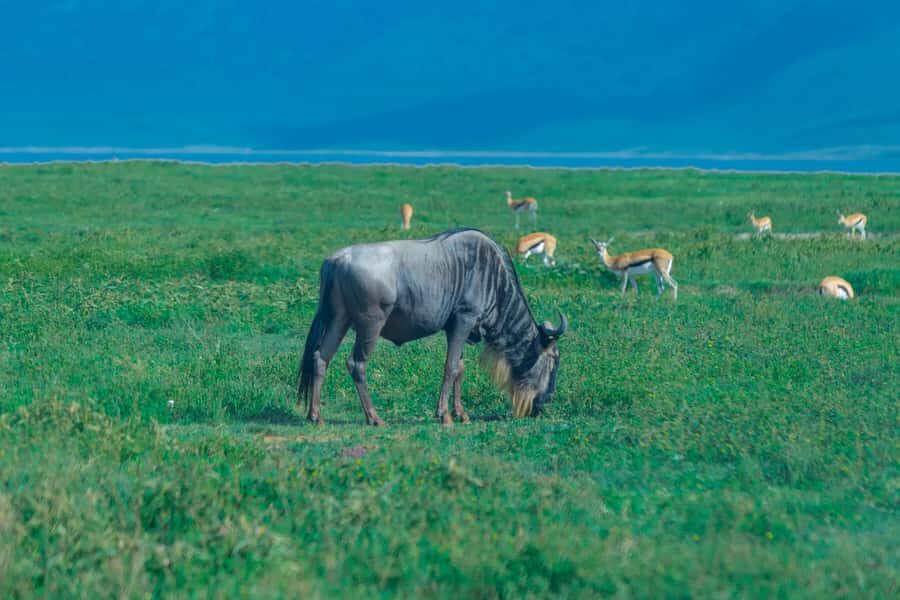
- Big Five potential in one crater bowl: lions, leopards, elephants, buffalo, and rhinoceroses, plus you may also spot hippos, hyenas, zebras, wildebeest, and lots of birds.
- Rim to crater floor views: the UNESCO site’s steep walls rise up to about 2,000 feet, so you get both scale and close-up wildlife.
- Geology you can actually picture: a massive volcano collapsed after eruption millions of years ago, creating the bowl-shaped caldera you’ll stand above.
- A wildlife-rich ecosystem in a small area: expect habitats like grasslands, swamps, forested zones, and soda lakes—supporting lots of animals in one region.
- Long travel hours bookend your safari time: plan for about 3 hours to reach the crater area, 5 hours on-site, then another 3 hours back.
- Communication quality can vary by guide: some days run smoothly; on rough days, you may get rushed explanations or unclear logistics.
Why Ngorongoro Crater feels like a natural amphitheater
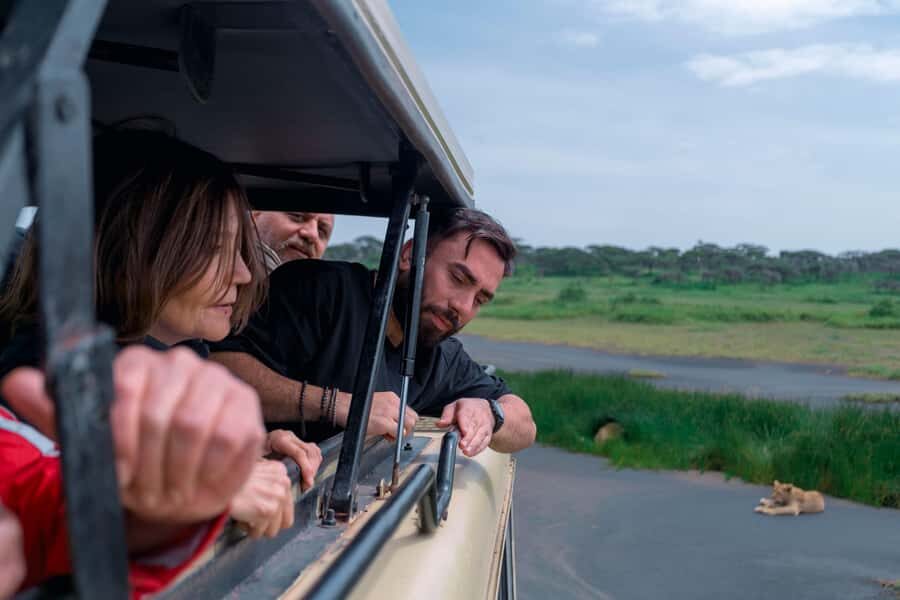
Ngorongoro Crater is famous for one reason: it’s a huge volcanic caldera turned into an animal-filled stage. You start by seeing the crater from the rim, where you can take in the shape of the place like a giant bowl carved into the earth. Then, with your guide, you head down into the crater floor where the ecosystem does the heavy lifting for you.
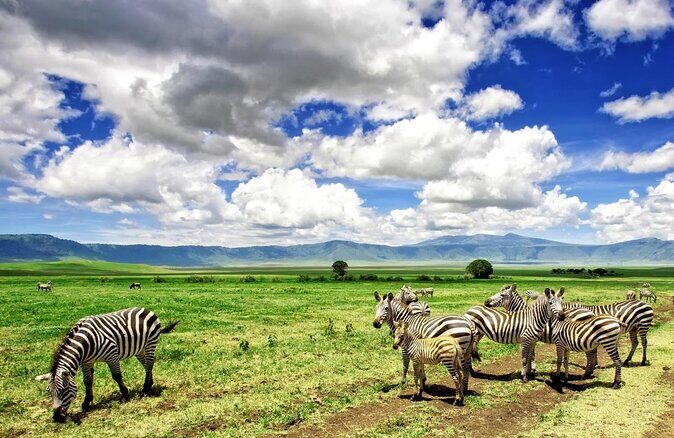
Here’s the part I think matters most for your expectations. This isn’t just a viewpoint. The crater floor is where conditions help wildlife gather—about 30,000 animals in an area that’s relatively compact compared with much of East Africa. That means you’re more likely to see animals without needing all-day driving across endless distances.
And the geology is more than trivia. The caldera formed after a massive volcano collapsed following an eruption millions of years ago. That collapse created steep walls (up to roughly 2,000 feet high) and fertile soil that supports different habitats. As the vegetation and water change, the animals you’re likely to find change too—grasslands for grazing species, swamps for water lovers, forested patches for cover, and soda lakes for their own unique ecological mix.
If you care about photographs, this day is built for them. Rim stops give you the scale shots. The crater drive gives you the eye-level moments—sometimes close enough for dramatic, story-like pictures.
A few more Arusha tours and experiences worth a look
The full-day schedule: 12 hours with a 5-hour crater window
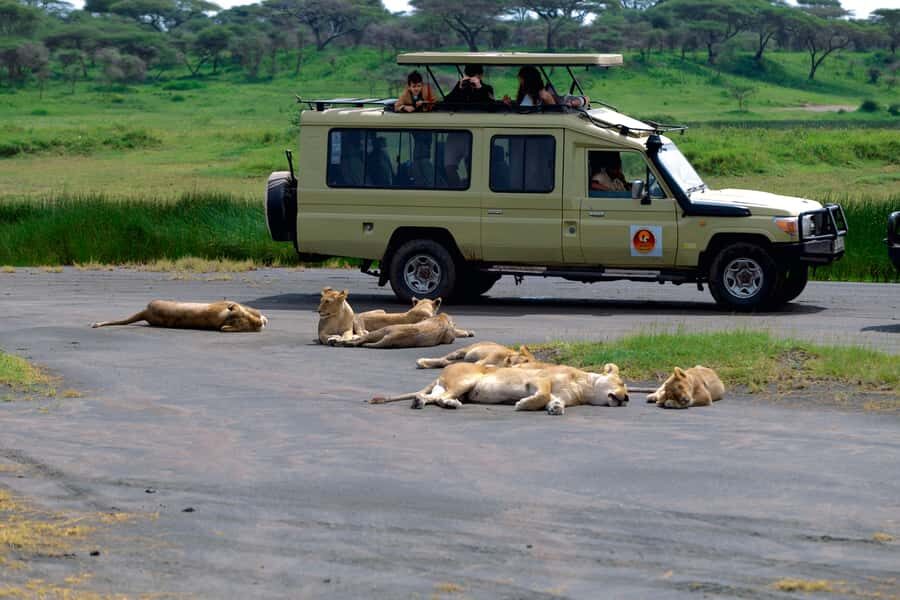
The day is structured around driving time plus the guided safari portion. In round numbers, you’ll spend:
- about 3 hours driving toward the crater area
- about 5 hours in Ngorongoro with a guided crater visit and game drive
- about 3 hours driving back
That totals about 12 hours from your pickup to your drop-off. Lunch and bottled water are included, so you’re not hunting for meals mid-safari.
Two practical points to plan for. First: the start time is often very early. One real-life example people run into is being told a pickup around 4:30am, with later arrival (for some, closer to 5:30am). Even if your timing is smoother, you should mentally prepare for early mornings and a day that runs on the safari clock, not a city schedule.
Second: the logistics happen in layers. You’ll likely experience a handoff system—getting into a jeep/SUV for the crater day—and sometimes that involves waiting at a meeting point before entering the main safari vehicle. If you dislike uncertainty, bring patience. If you stay calm, the safari portion usually does the emotional work.
The game drive: what spotting Big Five actually means here
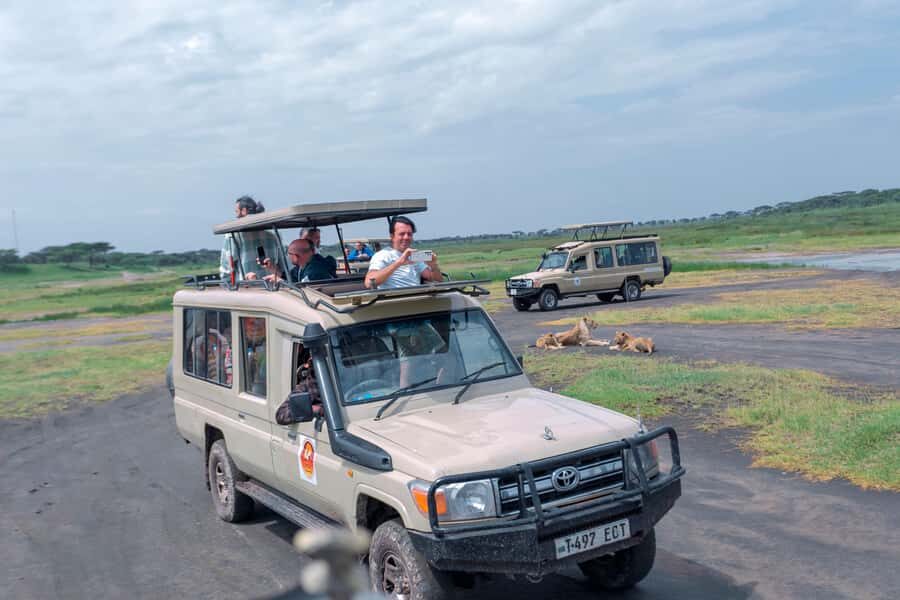
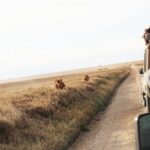
When a tour says Big Five, it’s giving you a best-case focus, not a guarantee. Still, Ngorongoro is one of the best places to chase that list because the terrain and animal density make sightings more feasible within a single day.
On the crater drive, your guide is aiming for those different animal “types” across habitat zones:
- Predators like lions and leopards
- Big herbivores like elephants and buffalo
- The rarest-feeling target in many safaris: rhinoceroses
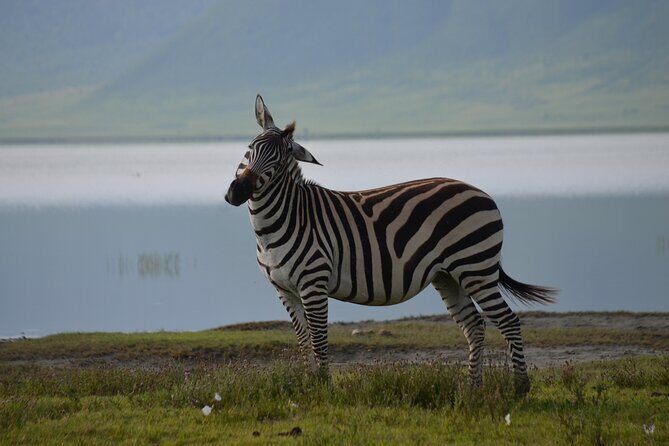
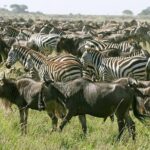
You’re also likely to encounter the cast that rounds out the day’s wildlife story. Based on what people have seen on this kind of outing, you might get hyenas, hippos, zebras, and wildebeest, plus a lot of birdlife. Even if you don’t tick every Big Five box, the variety can be the payoff—one drive can feel like several different scenes stitched together.
A simple tip that makes a real difference: bring binoculars. Wildlife may be easier to spot than in some larger parks, but you’ll still want extra reach for behavior—watching a lion’s rest pattern, checking where a rhino has moved, or identifying birds without guessing.
Safety-wise, the rules are straightforward: keep a respectful distance from wildlife and follow your guide’s instructions. The day’s success depends on you and everyone else staying controlled and quiet enough not to disrupt animals.
Rim viewpoints and the geology story you can photograph
Ngorongoro is gorgeous from above, but you’ll get more from the rim stop if you know what you’re looking at. The crater is a UNESCO World Heritage Site and one of the planet’s largest volcanic calderas. The sheer bowl shape is the headline, created when a volcano collapsed after a long-ago eruption.
From the rim, you can understand the geography of the wildlife drive. The crater walls rise steeply (about 2,000 feet), which also shapes how air, light, and animal movement behave inside. On the crater floor, the habitats break down into pockets—grasslands, swamp areas, forested patches, and soda lakes—so you’re not chasing one uniform “green.” You’re moving between ecological rooms.
That variety matters for both viewing and photos. When the guide chooses a spot based on habitat, your chances improve. Instead of searching blindly, you’re watching a system that already funnels animals into certain zones—like water areas drawing certain species or open grasslands pulling in grazers.
Bring a camera you’re comfortable using one-handed from the jeep window. I also suggest a small lens cloth or tissue. Crater drives can mean dusty air and fast moments.
Maasai culture: included, but timing can affect what you experience
This tour includes learning about the Maasai people and their traditional way of life. That’s the kind of cultural add-on that can enrich a safari day because it gives context to the region beyond wildlife.
Here’s the reality check: cultural visits can vary depending on what’s possible during the day’s schedule. Some people have found that the cultural component felt limited, so don’t assume it will automatically match your expectations for depth.
If Maasai culture matters a lot to you, do two things:
- Ask your guide what you’ll see and how much time is set aside for it.
- Go in ready with questions about everyday life and traditions, not just photos.
Even if the stop is shorter than you hope, you can still make it meaningful if you treat it like a conversation, not a checklist.
A few more Arusha tours and experiences worth a look
Price and value: what $291 covers on this full-day safari
At $291 per person, this isn’t a casual add-on. You’re paying for a full guided day, not just a viewpoint ticket. The good news is what’s included is solid and specific:
- professional guide
- pickup from your hotel and drop-off
- entrance fees
- lunch
- bottled water
- government taxes and levies
That bundle matters because safaris add up fast once you factor in transfers, park access, and guide time. If you want a door-to-door day from Arusha with crater entry covered, this price can feel reasonable compared with piecing together the day yourself.
What’s not included also matters for your budget:
- visa fees
- travel insurance
- international and domestic flights
- personal expenses (like extra drinks)
- optional activities, like a hot air balloon safari ($460 per person)
Also note: accommodation is not included, so you’ll be doing this as a day trip. If you’re staying near Arusha, this format can be a great way to see Ngorongoro without the cost of staying inside the crater-area lodges.
What can make or break your day: guides, pacing, and hotel drop-offs
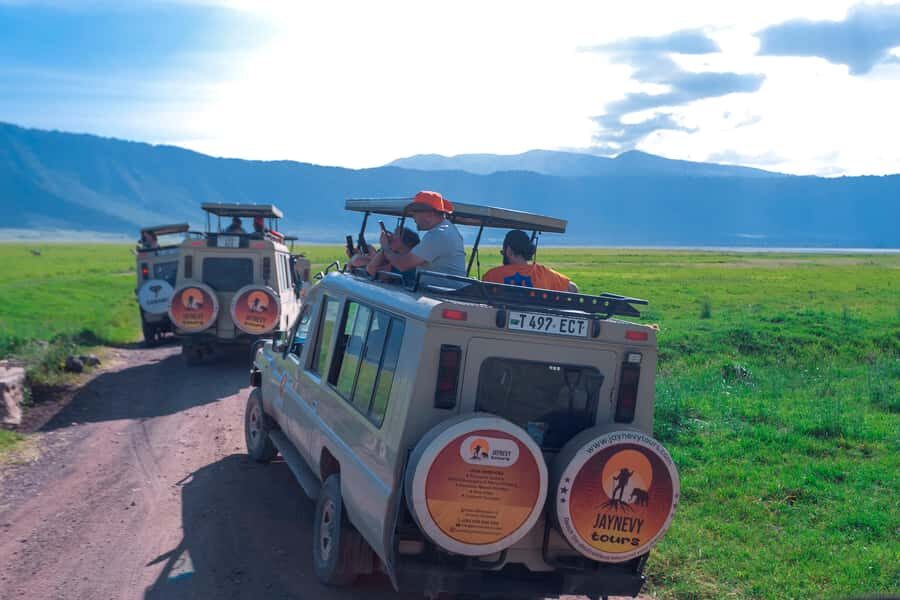
Ngorongoro is spectacular, but a safari day depends on how smoothly the humans run it.
Some people have had positive experiences with a guide who handled the day well and kept things moving. Others have had rougher moments, including one driver named Philip who seemed rushed and stressed, constantly referencing another customer’s timing. There are also accounts of a guide being rude or aggressive, and a few times when the cultural Maasai part didn’t feel delivered as expected.
The most common “operations” complaint pattern is disorganization. Examples include:
- pickup arriving later than promised
- getting into a vehicle without clear explanations
- waiting around at a meeting camp before the main safari drive
- confusion on the way back to individual hotel drop-offs, sometimes requiring extra navigation support
You can’t control how the provider schedules things, but you can control how prepared you are. I recommend:
- confirm your pickup time the night before
- write down your hotel name and address clearly (and keep it accessible offline)
- keep your phone charged and ready for navigation and communication
- ask the guide early what the plan is for crater time and lunch
If you go in flexible and stay focused on the crater, the day can still deliver big.
Packing list and crater comfort tips that actually help
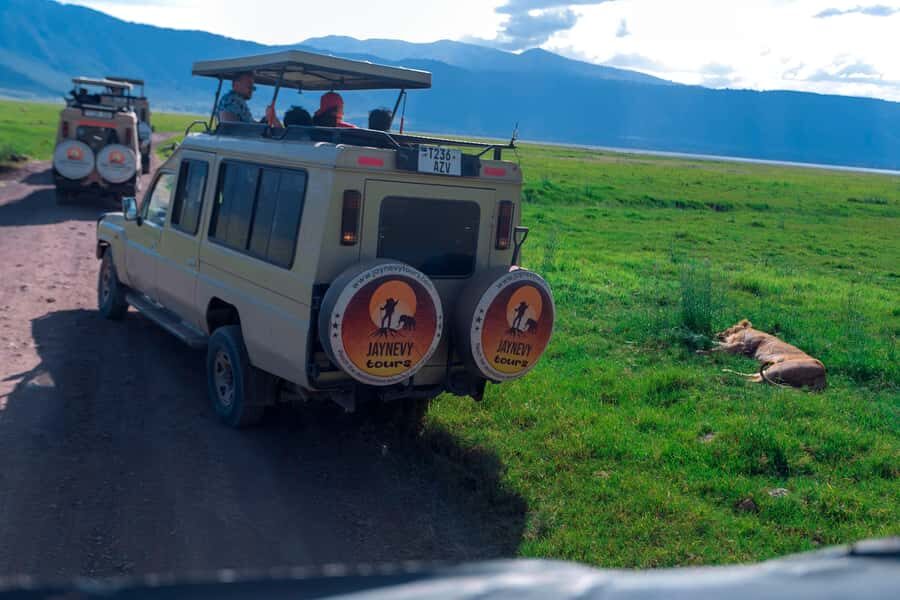
This day involves sitting in vehicles, a guided crater drive, and some walking for viewpoint and transfers. You’ll want comfort more than fashion.
Bring:
- your passport
- comfortable shoes
- sun hat and sunscreen
- comfortable clothes you can move in
- camera
Also bring a jacket or sweater if you run warm-to-cold easily. The crater can be cooler than the surrounding area, especially early in the day or near viewpoints.
Binoculars are strongly worth it for wildlife viewing. Bottled water is provided, but I’d still carry a little extra if you’re prone to getting thirsty.
Respect rules clearly listed for this tour:
- no smoking (including in the vehicle)
- no plastic bags
- no alcohol or drugs
- no littering
- no making fire
- no nudity, bare feet, or riding the animals
It’s simple, but it keeps the day safe and ensures access remains possible for everyone.
Who this tour suits—and who might want a different format
This tour fits best if you:
- want a full-day Ngorongoro experience from Arusha (plus pickup options in Mto Wa Mbu and Karatu)
- care about a strong chance at seeing Big Five species in one crater system
- prefer a guided structure with entrance fees and lunch handled
- can handle a long day with early pickup
It’s also a good match for first-time safari visitors because the crater setup makes wildlife spotting more straightforward than in massive parks.
A few groups should think twice:
- If you hate uncertainty around timing or logistics, you may find some days frustrating.
- If Maasai culture is a top priority and you want a long, detailed cultural program, you might want to ask for specifics before booking.
On the plus side, the tour is listed as wheelchair accessible, and a private group is available if you want more control over pacing and comfort.
Should you book this Ngorongoro Crater full-day safari?
I’d book it if your priority is one big, guided safari day with rim views, crater geology, and serious wildlife time. The value math works because entrance fees, lunch, and transfers are included, and the crater’s compact ecosystem makes animal sightings more realistic in a limited visit.
I’d pause before booking if you’re the kind of traveler who needs flawless pickup timing, crystal-clear communication, and a guaranteed long cultural stop. In that case, ask tough questions before you go. Confirm pickup time windows, clarify the plan for the Maasai component, and make sure you understand how hotel drop-offs will be handled.
If you keep your expectations aligned with a guided day safari—then treat the early start and the schedule variability as part of the process—you’ll likely come away with the main thing Ngorongoro delivers: that jaw-dropping crater scale and a wildlife drive that can feel like a highlight reel.
FAQ
How long is the Ngorongoro Crater full-day safari tour?
The total duration is listed as 12 hours.
Where does pickup happen for this tour?
Pickup options include Mto Wa Mbu, Arusha, and Karatu. Drop-off locations match these areas.
What languages are the live tour guides?
The live tour guide is available in French, English, Spanish, and German.
What’s included in the price?
Included items are a professional guide, hotel pickup and drop-off, entrance fees, lunch, bottled water, and government taxes and levies.
Is lunch provided, or should I plan to buy food?
Lunch is included in the tour.
Is there an optional add-on besides the safari?
Yes. A hot air balloon safari is listed as an optional activity for $460 per person.