REVIEW · ARUSHA
2 Days Tarangire and Ngorongoro Crater Tour
Book on Viator →Operated by Allday In Africa Limited · Bookable on Viator
Two days and a whole lot of wildlife. This quick safari packs Tarangire’s elephant country and the world-famous Ngorongoro Crater into one tight weekend with an open-air feel from an 4×4 safari vehicle. It’s the kind of trip that makes a big first impression, especially when you have limited time in northern Tanzania.
I like that it’s built around a real safari rhythm: early starts, long enough drives to get you to the action, and game-viewing time that’s meant for spotting animals, not just ticking boxes. I also like the value of getting meals and drinks handled for you, so you can focus on eyes on the horizon and not spreadsheets.
One consideration: this is a fast-paced, short-tour format. You’ll be up early (the start time is 5:30am) and you’ll want to be flexible, since the exact park pairing can be Tarangire or Manyara on the two days—so confirm the itinerary before you go.
In This Review
- Key things to know before you choose this 2-day safari
- Why This 2-Day Arusha Safari Feels Like a Proper Big-Game Escape
- Your Day 1 Drive: Tarangire National Park to Karatu for an Overnight Reset
- Tarangire National Park: elephants, baobabs, and seasonality
- What “8 hours” of Tarangire really means for your mindset
- Karatu overnight: a practical base for the crater day
- Day 2: Ngorongoro Conservation Area and the Crater Descent Experience
- Ngorongoro Conservation Area: the World Heritage framing
- Ngorongoro Crater: why the viewpoint changes everything
- How the scheduled time helps you enjoy the day
- The Open-Roof 4×4 Vehicle: Best for Viewing, Not for Comfort Expectations
- Food, Water, and What’s Actually Included
- Price and Value: Is $515 a Fair Deal for Two Iconic Days?
- Who This Tour Fits Best (and Who Might Feel Rushed)
- Should You Book This 2-Day Tarangire and Ngorongoro Tour?
- FAQ
- Where does this tour start, and where does it end?
- What time does the tour begin?
- Which parks are included in the two days?
- What type of vehicle is used for game drives?
- How big is the group, and is it ever private?
- What meals and drinks are included?
- Are admission tickets included?
- What is the cancellation window?
Key things to know before you choose this 2-day safari

- Big wildlife time in a short window: Tarangire or Manyara plus Ngorongoro Crater across two days.
- Open-roof 4×4 safari vehicle: you get that direct, low-to-the-ground viewing experience.
- Karatu overnight base: you break the drive up with an overnight stay in Karatu before the crater day.
- Small group size: up to 7 travelers, and it can turn private when you book with 5+ people.
- Meals and drinks included: breakfast, dinner, two lunches, plus water and soft drinks during the trip.
Why This 2-Day Arusha Safari Feels Like a Proper Big-Game Escape
If you’ve ever looked at northern Tanzania on a map and thought, I don’t have time for this, this tour is designed for that exact problem. It’s short, but it doesn’t feel random. It connects a classic elephant-and-baobab park (Tarangire) with one of Africa’s most famous natural stages (Ngorongoro Crater), so you get variety without losing days to travel.
What I find smart here is the focus. Instead of rushing through five parks, you’re aiming at two iconic experiences. Tarangire is known for thick concentrations of elephants and the dramatic presence of baobab trees. Ngorongoro gives you that enclosed crater bowl where animals often gather and where the scenery changes the way you watch for wildlife—more scanning downhill, more watching for movement at the floor level.
And you’ll notice how the trip is set up for comfort and flow: pickup is offered, there’s a mobile ticket, and you’re back at the same meeting point at the end. That matters because on a short safari, fewer “logistics headaches” means more time in the parks.
A few more Arusha tours and experiences worth a look
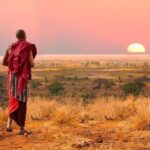
Your Day 1 Drive: Tarangire National Park to Karatu for an Overnight Reset

Your day begins at 5:30am from Four Points by Sheraton Arusha (and the Arusha Hotel area), then you’re headed out toward Tarangire National Park. The drive time isn’t spelled out, but the early start tells you the plan: you’re trying to catch the most active morning wildlife window.
Tarangire National Park: elephants, baobabs, and seasonality
Tarangire sits in Tanzania’s Manyara Region and is built from granitic ridges, river valleys, and seasonal water features. The park’s mix of acacia woodland, seasonally flooded grassland, and baobabs is part of why it’s so recognizable once you’re there.
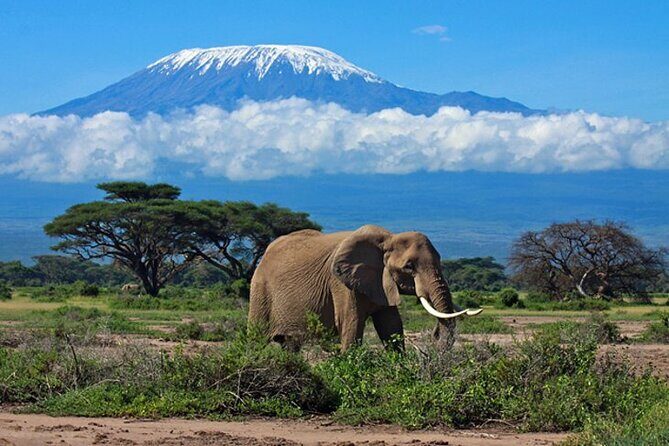
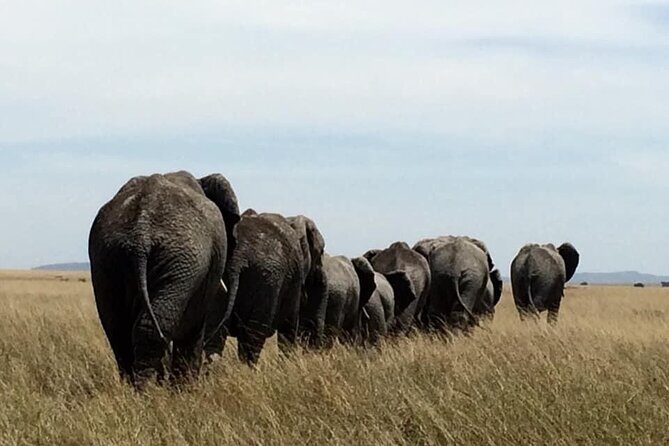
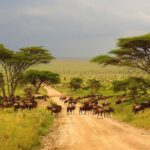
The big reason people love Tarangire is the elephant density. It’s one of those places where you can go looking for elephants and feel like the odds are in your favor. You may also see common wildlife such as zebra, wildebeest, cape buffalo, and other resident species. If you’re traveling during the dry season window (June to November is highlighted), it’s especially likely you’ll see large groups gathering around water and open sightlines.
What “8 hours” of Tarangire really means for your mindset
That stop time is long enough to do more than one viewing style. You’ll have time to:
- watch for animals near water and open patches
- adjust as the herd patterns shift
- keep your eyes moving, because Tarangire wildlife can appear in clusters rather than single-file moments
The open-roof safari setup also changes how you feel. Even when you’re seated, you’re physically closer to the environment—wind on your face, quick changes in light, and the ability to lean and track movement without being boxed in.
Karatu overnight: a practical base for the crater day
After Tarangire, you’ll stay in Karatu overnight. The schedule doesn’t describe the hotel in detail, but the timing is clear: Karatu is your reset point so day two (the crater day) doesn’t feel like a straight-through marathon.
Karatu matters for another reason too. Ngorongoro day typically involves a very different “mode” of safari: more looking for animals down in the crater floor, more time spent in a dramatic bowl of visibility. Having an overnight base means you start day two more ready and less frazzled.

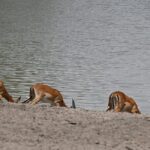
Day 2: Ngorongoro Conservation Area and the Crater Descent Experience

Day two is where this trip earns its reputation. You’ll head to the Ngorongoro Conservation Area, then focus on the crater itself.
Ngorongoro Conservation Area: the World Heritage framing
Ngorongoro Conservation Area is a protected zone and a World Heritage Site. It’s about 180 km from Arusha, and it’s part of Tanzania’s “crater highlands” region. The important practical takeaway is that this isn’t just a scenic detour. It’s a managed conservation landscape designed around the crater ecosystem.
Ngorongoro Crater: why the viewpoint changes everything
The Ngorongoro Crater is an inactive volcanic caldera, formed after a volcano collapsed on itself long ago. It’s described as about 610 metres deep with a crater floor area of around 260 square kilometres. In other words, you’re looking into a natural amphitheater.
That geometry affects what you do as a safari viewer:
- You scan a wider “stage,” not just a flat field.
- You’re watching for animals moving across the crater floor and appearing in clusters.
- The light can shift quickly, so you’ll want to keep your eyes on both shadow lines and open patches.
If you love the idea of seeing the Big Five, this crater setting is often where hope turns into sightings because the environment funnels activity into a visible area. Still, keep it real: wildlife is wildlife. The crater can be amazing even when the exact “trophy animal” you’re hoping for doesn’t show up in the first pass.
How the scheduled time helps you enjoy the day
Your crater-focused time is about 5 hours, which is enough to:
- go in with a plan (scan, then narrow)
- take in the crater scale (the first viewpoint moments matter)
- settle into a rhythm of watching and reacting, not chasing
The Open-Roof 4×4 Vehicle: Best for Viewing, Not for Comfort Expectations

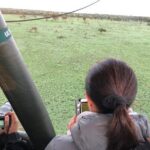
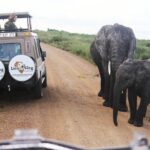
This is an open-roof safari experience in a 4×4 open roof safari vehicle. That’s a plus if you want the “real safari” feel—direct sightlines, less glass between you and the scene, and the ability to track wildlife quickly.
Here’s the practical part: open vehicles can be cooler in the morning and can get dusty depending on conditions. Bring what you need for comfort (light layers, sun protection, and something for dust if you’re sensitive). You don’t need to dress like a survival show, but you should treat this as outdoors-first.
Also, with a maximum group size of 7 travelers, you should have space to reposition and get a clear look. It still won’t be a private taxi safari for everyone, but it’s far from the big, cattle-car style of group touring.
Food, Water, and What’s Actually Included

Short safari tours succeed or fail on basic needs. This one handles a lot of that for you.
Included:
- Breakfast
- Dinner
- Lunch (listed as 2)
- 1 bottle of water per day
- Soft drinks
- Pickup offered
- 4×4 open roof safari vehicle
- Mobile ticket
What that means for you: you’re less likely to lose time hunting for food stops or paying for every little drink mid-drive. You can stay focused on wildlife spotting, which is exactly what you want when you’re on a tight schedule.
You’ll still want to plan for personal items that aren’t listed as included. Tips and porterage aren’t included, and items of personal nature aren’t included either. If you’re the type who likes to bring snacks, that can be nice—but don’t count on the tour to cover extras outside the listed meals and drinks.
Price and Value: Is $515 a Fair Deal for Two Iconic Days?

At $515 per person for a roughly two-day safari, you’re paying for the combination of:
- safari vehicle with open-roof viewing
- park time across two major destinations
- meals (breakfast, dinner, and two lunches)
- water and soft drinks during the trip
- an overnight in Karatu (the overnight stay is part of the schedule)
So where does the value land? If your goal is “max wildlife impact per day,” this does that. It’s also priced as a true short escape, not a multi-week investment.
The best way to judge value is to compare what you’re not buying separately. When the trip covers meals and drinks, you save time and you save hassle. When the vehicle is handled, you save the headache of arranging transport that actually works for game viewing.
One note: admission is listed as free for the park stops in the schedule. If that’s accurate for your booking, it strengthens the value even more. If you want to be extra careful, confirm that entrance fees are included for your dates before payment is final.
Who This Tour Fits Best (and Who Might Feel Rushed)

This is a great fit if:
- you have limited time in northern Tanzania
- you want an honest, high-impact wildlife introduction
- you’re comfortable with an early start and a packed schedule
- you want a small group experience (up to 7)
It may feel rushed if:
- you hate early mornings and long drives
- you prefer slow travel with lots of free time
- you want a “learn-by-hanging-around” safari where you can take your time with every question
If you’re a first-time safari-goer, I think this format is a strong starting point. You’ll learn how you personally like to watch for animals—near water, across open ground, or down in valleys and crater bowls. Then, if you return for a longer trip later, you’ll know exactly what to prioritize.
Should You Book This 2-Day Tarangire and Ngorongoro Tour?

Book it if you want the classic Tanzania highlights in a tight window, with open-roof safari viewing and meals handled so you can stay in “wildlife mode.” The small group size and the structured pacing make it a sensible choice for a weekend-style escape from Arusha.
Don’t book it if your ideal vacation is slow and flexible with minimal driving. And do make sure you contact the operator first to confirm whether your two days are Tarangire + Ngorongoro or Manyara + Ngorongoro, since the park pairing can vary.
If you want, tell me your travel month and how many people are in your group, and I can help you think through what sightings are most realistic and what to pack for the open-roof experience.
FAQ
Where does this tour start, and where does it end?
It starts at Four Points by Sheraton Arusha (Arusha Hotel, Fire Road, Clocktower Roundabout, Plot 2, Arusha) and ends back at the same meeting point.
What time does the tour begin?
The start time is 5:30am.
Which parks are included in the two days?
The tour includes Ngorongoro Crater, and on the other day it can be either Tarangire National Park or Manyara National Park, depending on the inquiry and exact itinerary.
What type of vehicle is used for game drives?
Safari drives are done in a 4×4 open roof safari vehicle.
How big is the group, and is it ever private?
The maximum group size is 7 travelers. It’s private if booking has 5 people or more.
What meals and drinks are included?
The tour includes breakfast, dinner, and two lunches. It also includes 1 bottle of water per day and soft drinks.
Are admission tickets included?
The park stops in the schedule list admission as free for the visits described.
What is the cancellation window?
Free cancellation is allowed up to 24 hours in advance of the experience’s start time for a full refund.