REVIEW · ARUSHA
2-Day Private Guided Tour to Tarangire and Ngorongoro
Book on Viator →Operated by TALES OF TANZANIA SAFARIS · Bookable on Viator
Crater morning at Ngorongoro is unforgettable. This tight private 2-day safari pairs Tarangire’s big-elephant energy with Ngorongoro’s dramatic crater wildlife, so you see a lot without losing days to logistics. I love that it’s built around Tarangire game drives plus a full crater day, not just a quick look-from-the-car stop.
The main trade-off is timing: you’ll be in the vehicle a good chunk of each day, including the drive out of Arusha and back. If long days on bumpy roads aren’t your thing, plan for patience and bring a little comfort gear.
In This Review
- Key takeaways before you go
- From Arusha to Tarangire: your first game-drive day starts early
- Tarangire National Park: elephants, birds, and baobabs by the water
- Silale Swamp: a wildlife magnet you’ll want to remember
- Lunch inside the park: how to make it feel like part of safari
- Ngorongoro Conservation Area: the crater is the main character
- Morning mist and altitude: why time of day matters here
- The crater game drive: what you should actually watch for
- Eating well: breakfast, dinner, and the two planned lunches
- Private guiding with Tales of Tanzania Safaris: what the money buys
- Value check: is $1,278 “worth it”?
- Comfort and road reality: what to expect in two long safari days
- Who should book this 2-day Tarangire + Ngorongoro safari?
- Booking checklist (based on what’s included and not)
- Should you book this 2-day Tarangire and Ngorongoro private tour?
- FAQ
- What time does the safari start and where is the pickup?
- How long is the tour?
- What’s included in the price?
- What isn’t included?
- Is park admission included?
- What are your chances of seeing rhino?
Key takeaways before you go

- Private vehicle, your pace: You’re not sharing the same sightings with a random crowd.
- Tarangire’s elephant focus: Expect large herds, plus chances at lions and even leopard.
- Birding time in Tarangire: The park is a standout for birds, especially around reliable water.
- Ngorongoro crater is a self-contained ecosystem: It concentrates wildlife in a small, scenic bowl.
- Two picnic lunches (not just sandwiches): Lunch is planned inside the parks so you don’t waste prime viewing time.
From Arusha to Tarangire: your first game-drive day starts early

Your day begins at 8:00 AM with pickup in Arusha, and the schedule is straightforward: head out to Tarangire, with lunch boxes on the way. The drive is about 110 km and takes roughly 2 hours, which is a big help if you’re trying to fit safari into a short stay.
What I like here is how the timing works with the animals. In many safari situations, the late start is when sightings thin out. This itinerary gets you into Tarangire while the day is still fresh, so you’re not chasing wildlife after the best light and animal movement have already happened.
One practical point: 2 days means you’ll feel the pace. You’ll want to keep your “camera on standby” brain switched on, because you’ll likely go from driving to game viewing quickly.
You can also read our reviews of more guided tours in Arusha

Tarangire National Park: elephants, birds, and baobabs by the water
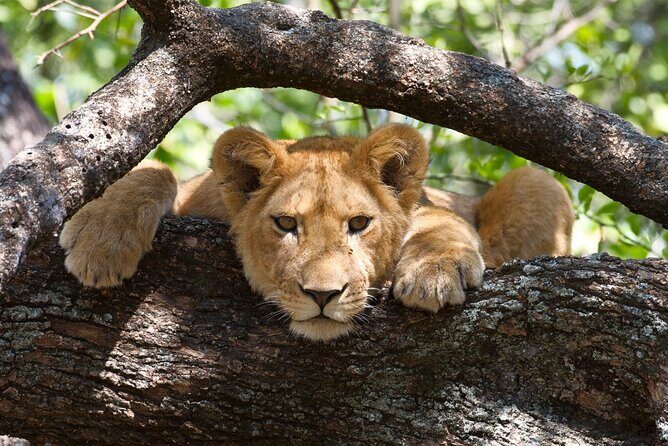
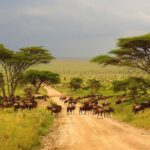
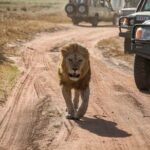
Tarangire is famous for elephants in large herds, and that alone makes it a smart starting park. You’re not just hoping for one or two sightings—you’re in a place that’s set up for repeat encounters. The park is also a solid bet for other predators, including lion and leopard, plus lots of other big game.
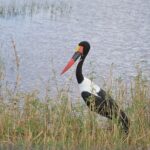
Then there’s the bird angle. Tarangire is known as a great birding destination, which matters if you’ve tired of only chasing the “big mammals” trophy. If you’re the kind of person who enjoys scanning trees, reed beds, and swamp edges, this park rewards you.
A big reason Tarangire stands out is water. During the dry season, the Tarangire River becomes a key resource, and animals gather where water is reliable. The itinerary doesn’t lock you into a specific season, but it explains why Tarangire can feel especially active at that time: the river basically turns into the main meeting point.
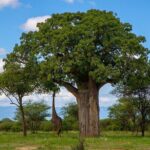
Don’t skip the scenery component, either. Tarangire has the classic baobab character, and the high number of these trees makes the park feel instantly “place-specific.” Even when animals are quiet, you usually get something interesting to look at—especially around water areas.
Silale Swamp: a wildlife magnet you’ll want to remember
Toward the south of the park, Silale Swamp is mentioned as a spectacular area that’s almost always rich in wildlife. In a short 2-day tour, that’s the kind of detail you’re glad exists in the background. When a park has a swamp that reliably attracts animals, your chances improve that the drive doesn’t turn into long stretches of “nothing yet.”
Lunch inside the park: how to make it feel like part of safari

You don’t stop for lunch at a random roadside café. Instead, the plan includes eating inside Tarangire, with your driver-guide picking a picnic spot in the park. That small choice changes the whole vibe: you’re not backtracking or wasting the best viewing hours.
There’s also something calming about lunch in the middle of the day in the bush. Wildlife doesn’t politely pause because it’s lunchtime, but the planned break helps you recharge so you can enjoy the next section rather than pushing through on autopilot.
A small tip for your comfort: bring layers. Safari days can swing from warm sun to cooler air, especially around dawn or in open vehicle settings.
Ngorongoro Conservation Area: the crater is the main character

Day 2 takes you from Arusha toward Ngorongoro Crater, one of Tanzania’s most iconic safari destinations. This crater is described as the world’s largest intact collapsed caldera, and the key idea is that it forms a self-contained ecosystem.
Here’s what that means for your expectations: in a place like this, wildlife gets “concentrated.” You’re not driving endlessly across a huge region hoping to bump into animals. Instead, the crater acts like a contained stage where animals share the same bowls of terrain and water sources. It’s why the crater is widely known as a top option for spotting major species, including the Big Five.
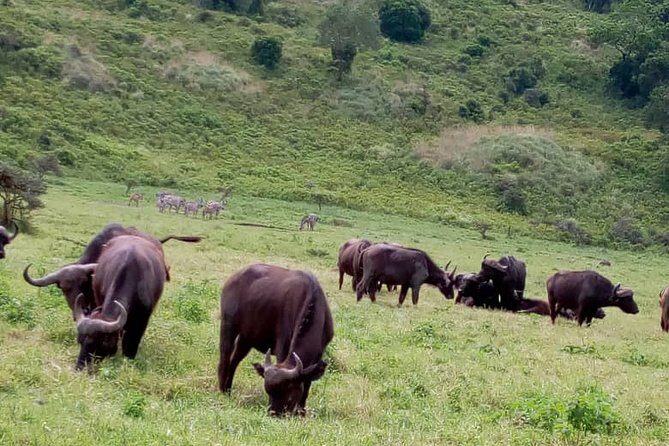
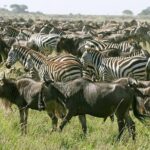
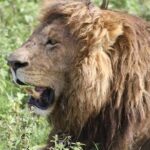
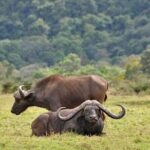
The itinerary notes that the crater ecosystem holds lions, hyenas, fantastic birdlife, serval, Cape buffalo, and zebra, and that there can also be rhino sightings if you’re lucky. I’d treat rhino as a bonus, not a guarantee, because that keeps your day enjoyable even if you don’t see one.
You can also read our reviews of more private tours in Arusha




Morning mist and altitude: why time of day matters here
The plan mentions the view from lodges and early morning mist at high altitude. You may not be sitting on a lodge veranda during your crater drive, but the idea is useful: mornings can be atmospheric, and that can affect visibility and how animals move.
So if you’re picky about photo conditions, keep your expectations realistic. The crater can be visually stunning even when it’s not perfectly clear—mist can add drama, and wildlife still works the same terrain.
The crater game drive: what you should actually watch for

Once you’re in the crater area, the itinerary keeps the rhythm simple: game drive, lunch in the crater, then more game viewing before you head back to Arusha in the late afternoon.
What I think makes Ngorongoro special is the mix of animals you can run into in a smaller area. You’re not just waiting for one highlight. Lions and hyenas bring predator interest; buffalo and zebra add the “big herbivore” base; birds add texture and constant motion.
Also, because the ecosystem is self-contained, your driver-guide’s ability to read animal patterns matters. Even without fancy tricks, experienced guiding often means you’re in the right place at the right moment—like positioning near where animals are likely to cross, rest, or feed.
A quick practical note: expect lots of time scanning. Even if the sightings are frequent, you’ll still spend plenty of moments looking for movement. If you get eye strain easily, consider bringing sunglasses and taking short micro-breaks when you can.
Eating well: breakfast, dinner, and the two planned lunches
This tour includes breakfast and dinner, plus two lunches—and both lunches are planned in the day’s safari context. That matters more than it sounds. On short safaris, people often lose time hunting for food, or they end up eating badly and feeling sluggish. Here, meals are folded into the driving schedule so you’re not constantly “managing hunger.”
If you’re used to rougher safari setups, the inclusion of sit-down meals plus private transport can feel like an upgrade. You still have the safari schedule, but your body gets basic support.
You’ll want to bring water and snacks only if they’re your personal preference; the tour data doesn’t spell out details beyond lunch and meals, so I’d treat extra food as optional rather than necessary.
Private guiding with Tales of Tanzania Safaris: what the money buys
This is a private tour, priced at $1,278 per person for 2 days. On paper, that’s not cheap, so it helps to break down what you’re paying for beyond “a guide exists.”
First: private transport. You’re not rotating through a shared safari schedule with strangers. Your driver-guide can focus on your timing and your questions, which is valuable when you only have 2 days and want maximum return.
Second: meal planning and pickup logistics. Pickup from Arusha Urban and meals included means fewer moving parts for you to manage.
Third: the chance to get professional guiding. One past experience with the same safari company highlighted Jeremiah as a driver-guide who was professional and maintained the safari car well. I can’t promise a specific guide is assigned to your exact dates, but it tells you the company has shown capable staffing in the past.
Value check: is $1,278 “worth it”?
For a 2-day safari, the price is usually driven by park time, vehicle time, guiding, and operational support—not just the view. Here, the itinerary also indicates admission ticket is free on both days, which can significantly improve the value. If park fees are truly handled within the package, you’re less likely to face a surprise bill that makes the final cost feel higher.
Still, be honest with yourself: if you’d rather spend less and take a less structured group option, that might suit you better. But if you want a clean, focused safari in a short window, private guiding can actually save you time and stress.
Comfort and road reality: what to expect in two long safari days

This tour is efficient, and efficiency has a cost: you’ll spend meaningful time in the vehicle. That’s not a deal-breaker, but it’s a real factor—especially for anyone sensitive to motion or who hates sitting without breaks.
Plan to manage the basics:
- Wear layers for shifting temperatures.
- Bring sun protection for long scanning sessions.
- Keep your camera gear protected from dust.
Also, remember that animals don’t operate on your timetable. A well-run guide keeps you moving intelligently, but you still might wait for the right crossing or feeding moment—especially in areas where animals spread out.
Who should book this 2-day Tarangire + Ngorongoro safari?
This tour is a strong match if:
- You’re short on time but still want major safari icons in two days.
- You want both elephant-heavy Tarangire energy and concentrated crater wildlife at Ngorongoro.
- You like variety: birds plus big mammals rather than chasing one single species.
- You value private guiding and a tight itinerary that doesn’t waste daylight.
You might think twice if:
- You need lots of downtime each day.
- You hate road time and long days.
- You’re expecting a relaxed stroll pace—this is a drive-and-scan safari.
Booking checklist (based on what’s included and not)
The tour includes private transportation, breakfast, dinner, and lunch (2). It also offers pickup and uses a mobile ticket.
Not included: Visa and tips. So budget for that separately so you’re not scrambling at the end.
One more practical thought: safari cash and tipping habits can vary, so I’d plan ahead based on your comfort and local guidance.
Should you book this 2-day Tarangire and Ngorongoro private tour?
If you want a high-return safari in a short window, I’d lean toward booking it. The combination of Tarangire’s elephants and birds with Ngorongoro’s crater concentration is a smart pairing, and the private format plus included meals helps you spend your limited time where it counts.
The main reason not to book is if you personally dislike long driving days and want slower pacing. If that’s you, search for a longer trip or a more relaxed itinerary.
Overall, this is the kind of safari that fits first-time visitors well and also works for people who’ve done a safari before but want a clean, focused hit of Tanzania’s top wildlife zones.
FAQ
What time does the safari start and where is the pickup?
The tour pickup starts in Arusha Urban, and the opening hours listed run Monday to Sunday from 8:00 AM to 6:00 PM. The itinerary indicates a departure from Arusha at 8:00 AM for Day 1.
How long is the tour?
Day 1 is listed at about 9 hours and Day 2 at about 8 hours, with the activity ending back at the meeting point in Arusha.
What’s included in the price?
The package includes breakfast, dinner, private transportation, and lunch (2).
What isn’t included?
The listed items not included are visa and tips.
Is park admission included?
The itinerary shows Admission Ticket Free for both days, meaning the admission is marked as not something you pay separately within the tour.
What are your chances of seeing rhino?
The itinerary notes that rhino sightings are possible in Ngorongoro, but phrasing indicates it depends on luck rather than being guaranteed.