REVIEW · ARUSHA
5-Day Highlights mid-Range Crater, Serengeti, Tarangire
Book on Viator →Operated by Lion King Adventures · Bookable on Viator
Early alarms. Big animal rewards.
This 5-day Northern Circuit safari strings together Tarangire, Ngorongoro Crater, Serengeti, and Lake Manyara with a smooth rhythm that makes the long drives feel worth it. I like that you’re riding in an open-roof safari truck for animal sightings that actually feel close, not fenced-off. I also like the private-group approach, which helps you avoid the worst crowd moments while still keeping a relaxed pace.
The trip also has a built-in comfort factor: mid-range lodge and safari camp stays, plus most meals included, so you’re not hunting for food all day. One thing to consider is that the price is steep enough that you’ll want to treat it like the main event—and remember flights aren’t included, so you’ll need to plan that part separately.
In This Review
- Quick, specific things I’d notice first
- Starting in Arusha with a calm first night
- Tarangire National Park: elephants, baobabs, and a picnic on wheels
- Ngorongoro Crater: the caldera that concentrates wildlife
- Serengeti morning drive at 6:30: migration numbers and predator odds
- Lake Manyara: flamingos, tree-dwellers, and the ride back to Arusha
- Lodges, camps, and the comfort that keeps you looking outward
- Price and value: what you’re really paying for at $2,327
- Getting the most from game drives (without stressing yourself out)
- Who this safari suits best
- Should you book this 5-day Northern Circuit highlights safari?
- FAQ
- Where does this tour start?
- What time does the tour begin?
- How long is the safari?
- Is this a private tour?
- What parks are included in the itinerary?
- What’s included in the price?
- Are flights included?
- What meals are included?
- What vehicle do you use on safari?
- Can I cancel and get a full refund?
- What animals should I expect to see?
Quick, specific things I’d notice first
- Open-roof Safari Truck for better sightlines on game drives
- Tarangire picnic lunch inside the park, not off somewhere nearby
- Ngorongoro timing and scale: a massive caldera with deep wildlife density
- Serengeti morning drive ~6:30 am with time for predator chances
- Lake Manyara bird-heavy scenery with flamingos when conditions line up
- Private experience for your group that helps manage crowd energy
Starting in Arusha with a calm first night
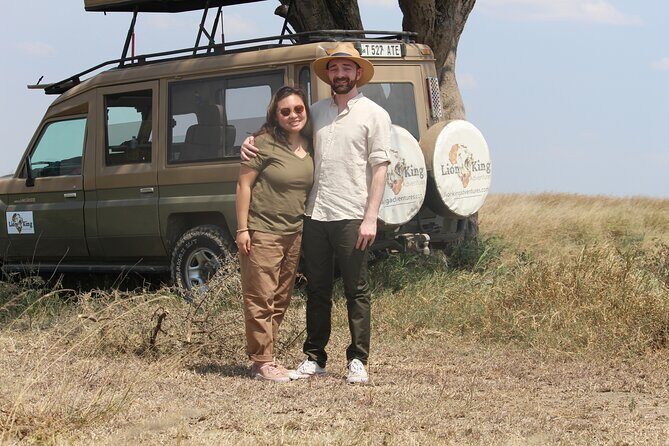
Most safari timelines start with a punchy pickup, then you’re immediately chasing the first animals. This one starts more gently: you’re met at the airport by a Lion King representative and transferred to your Arusha overnight. You’ll then settle into Arusha Planet Lodge, which gives you a low-stress landing before the game-driving begins.
That matters. In Tanzania, your first day can set the tone for the whole trip. With a proper night in Arusha, you’re more likely to sleep well and handle those early starts without feeling like a walking zombie.
A few more Arusha tours and experiences worth a look
Tarangire National Park: elephants, baobabs, and a picnic on wheels
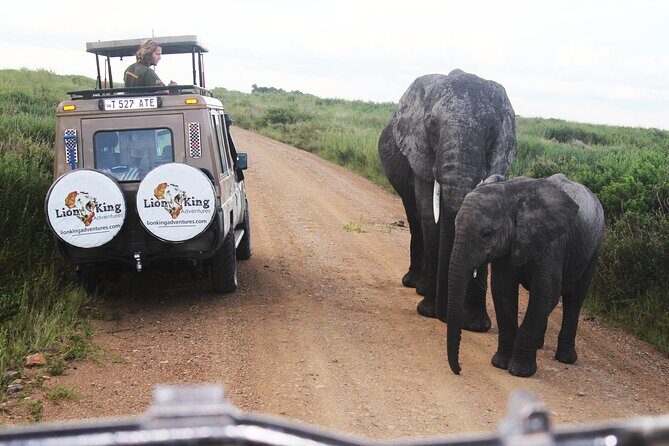
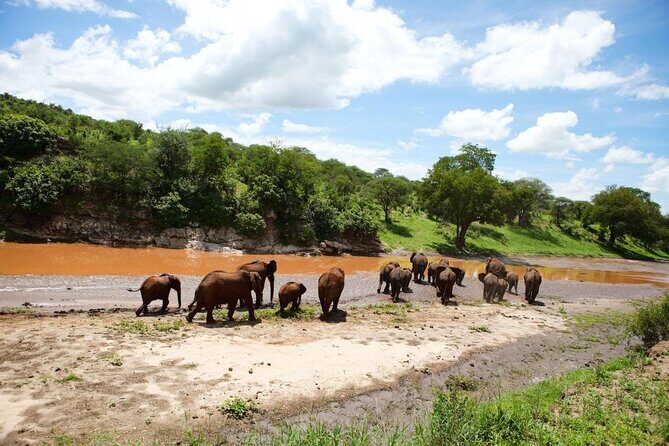
After breakfast, you drive about two hours to Tarangire National Park. Tarangire is famous for elephant families—this is where you can often spend long minutes just watching herds work their way through savannah edges and seasonal swamps. You’re also in baobab country, and those iconic trees show up in the background like nature’s own billboard.
Game viewing here tends to be about variety and movement:
- Giraffes, bushbuck, hartebeest often appear near the river systems
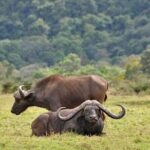
- Zebra and buffalo are part of the regular cast
- Predators like leopards are possible, along with other carnivores depending on conditions
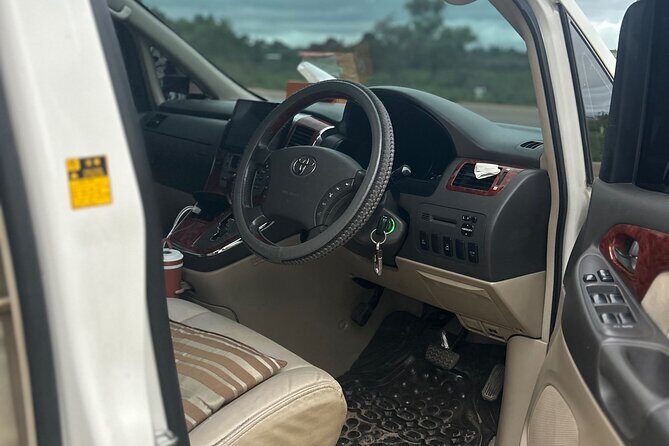
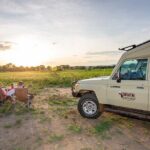
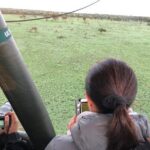
You ride in a state-of-the-art safari truck with an open roof, so you’re not stuck behind glass. That makes a difference for spotting—especially when animals pop up suddenly near bushes, or when you’re trying to follow action across a wide area.
Lunch is a picnic inside the park. That’s a practical win because it saves time and keeps you in the habitat instead of breaking your momentum with an outside detour.
Ngorongoro Crater: the caldera that concentrates wildlife
Ngorongoro is one of those places where the geography does half the work for you. You head out after an early breakfast toward the crater, which is described as the world’s largest volcanic caldera—about 20 km wide and around 600 m deep. Formed by a volcanic explosion roughly three million years ago, the crater has a self-contained rhythm that pulls wildlife into view.
This is also a place where water sources matter. Springs inside the caldera draw animals such as wildebeest, gazelle, reedbuck, and others. Birdlife is huge here too—more than 500 species are associated with the area—so even when the big mammals take a breather, there’s still plenty to look at.
Ngorongoro is known for the Big Five, and you may see large predators alongside herbivores as they move between grazing spots and open ground. The trick is to be patient and watch edges. Wildlife here often appears along slopes and near water points, not only in the center of the action.
After exploring around midday (you head out at about 14:00), you continue toward the Serengeti area and check into a high-grade tented camp. That shift—crater geology to Serengeti plains—keeps the itinerary feeling like more than just a checklist.
Serengeti morning drive at 6:30: migration numbers and predator odds
The next morning starts early. You’ll have breakfast, then go out on a game drive around 6:30 am and spend roughly 6–7 hours on the hunt for sightings. Serengeti is where you start thinking in herds, not single animals.
The migration scale is the headline:
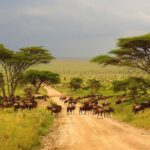
- Zebras can number around 250,000
- Wildebeest herds may be around 1.5 million
- Antelope totals can be around 500,000
And it’s not fixed. Where animals go depends on rainfall, so your exact sightings can vary by season. Even so, migration seasons usually mean steady motion, and motion is what keeps drives interesting.
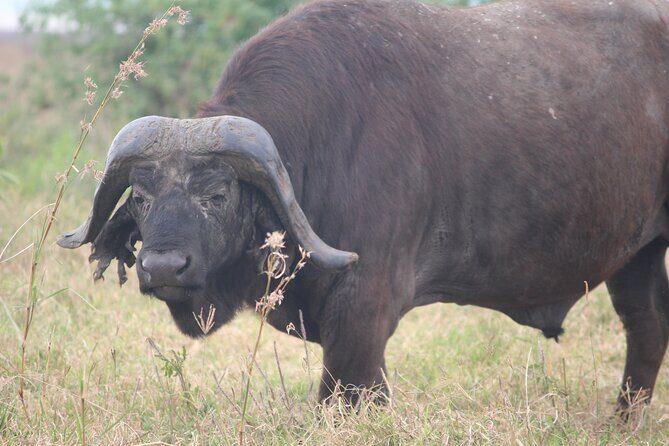
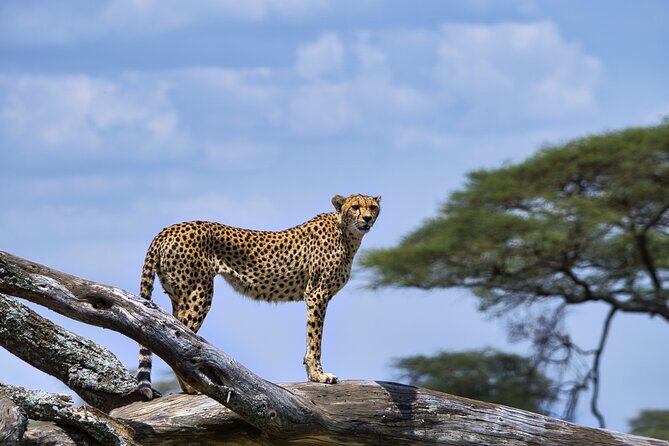
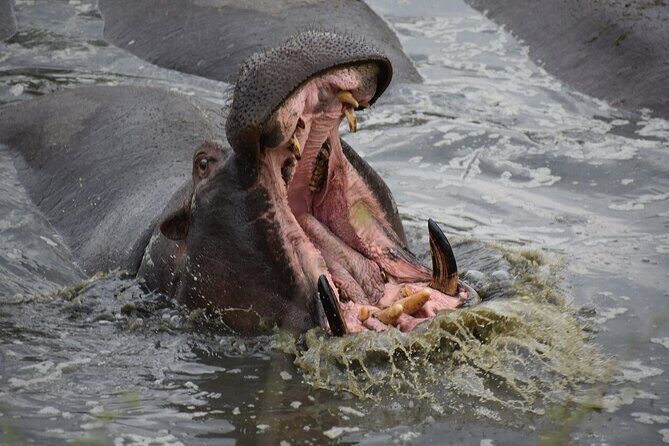
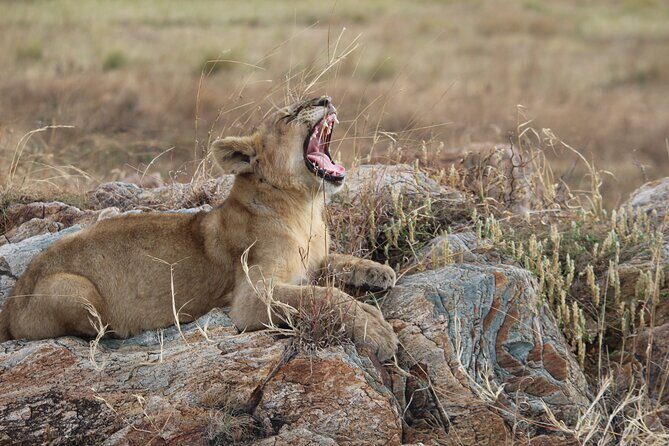
You’re also likely to find other wildlife in the mix—impala, buffalo, crocodile, and hippo are listed as part of the potential sightings. Predators like leopard, cheetah, and lion may show up too, but that’s never guaranteed. The realistic goal is more about maximizing time in the right places than forcing one perfect outcome.
By about 14:00, you head back toward Karatu and return after dinner time at your camp or lodge arrangement.
Lake Manyara: flamingos, tree-dwellers, and the ride back to Arusha
Lake Manyara is a smaller park than Serengeti, but it packs plenty into the day. After breakfast, you drive to Lake Manyara National Park, about 120 km west of Arusha. The name comes from the shallow salt lake that covers a large portion—around 70%—of the park’s area.
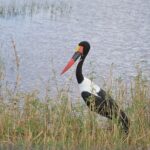
Because the lake floods and dries seasonally, bird action can swing with timing. The park is known for flamingos and is associated with 500+ bird species, so this is one of the best days for bird-focused sighting.
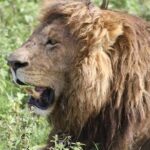
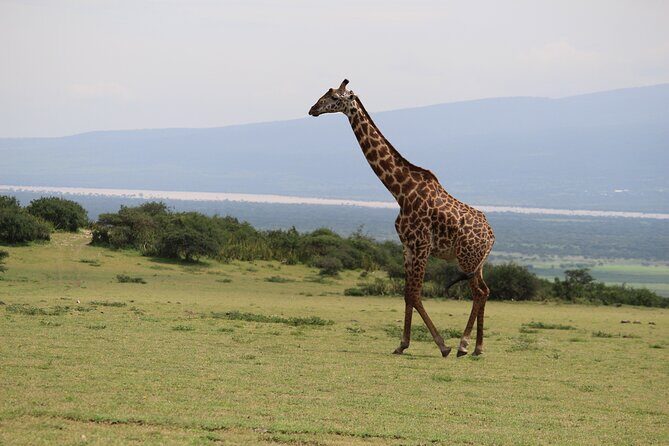
Expect mixed habitats too: open grassy plains, primate-filled woodlands, and baobab-dotted cliffs. Animal sightings can include monkeys, giraffe, zebra, wildebeest, buffalo, elephant, and—if luck and timing align—lions lounging in trees. When lions are in the trees, it’s the kind of sight that feels almost unfairly good.
After lunch, you head back to Arusha. You arrive around 5:00 pm, which is a nice pace for the end of a five-day itinerary.
Lodges, camps, and the comfort that keeps you looking outward
This is a mid-range safari, which usually means you trade the barebones camping style for real beds, real meals, and places to recharge. Accommodation is included, using lodges and safari camps rather than just rest stops.
Meal inclusion helps the whole trip feel smoother. The plan includes 4 breakfasts, 3 lunches, and 3 dinners. That matters because it reduces decision fatigue while you’re already managing long drives and early mornings.
From experiences shared by past safari-goers with this provider, the accommodations and setup often get positive mentions, including specific camp names in the Serengeti like Nyota Luxury Camp and lodge stays around Karatu. The same kind of praise shows up for the safari vehicle setup—brand-new and well maintained—plus guides who focus on finding sightings while also explaining what you’re looking at.
And that last part is underrated. You’ll remember the why, not only the what. When a guide can point out behavior, not just species names, the whole safari feels more like learning and less like checking boxes.
Price and value: what you’re really paying for at $2,327
At $2,327 per person, this safari isn’t budget travel. But it is also not the kind of premium that feels untouchable. Your price is covering the big safari costs that usually add up fast: park access (where listed as included), accommodation in lodges and camps, a driver-guide setup, and most of your meals.
What keeps the value math more honest is that flights are not included. That means you’re paying for the Northern Circuit itself—across multiple parks and long driving days—rather than trying to bundle everything into one confusing total.
Also, you’re booking a route that hits the highest-demand parks of the circuit in just five days:
- Tarangire for elephants and baobabs
- Ngorongoro Crater for concentrated wildlife
- Serengeti for migration-scale herds
- Lake Manyara for birds and a different kind of terrain
If you want one trip that does the Northern Circuit highlights without stretching into a week or more, this sits in a workable sweet spot.
Getting the most from game drives (without stressing yourself out)
You’re going to be spending a lot of time scanning—so help yourself. Bring sunglasses, sun protection, and light layers. Mornings can feel cooler, especially when you start early like the Serengeti day.
Also, keep your expectations practical:
- Predators can appear, but timing controls sightings.
- Migration patterns shift with rainfall, so you might see the herds in slightly different ways depending on the season.
- The best sightings often come from being still for a few extra minutes while you wait for movement near bushes, water edges, or slope lines.
If your goal is photos, you’ll love the open-roof vehicle. If your goal is just seeing animals clearly, that open view also reduces the frustration of glare and reflections.
Who this safari suits best
This is a strong fit if you want:
- A private safari experience for your group
- A “highlights” route across Tarangire, Ngorongoro, Serengeti, and Lake Manyara
- Mid-range comfort with most meals included
It also works well for families when the guide is good at communicating and adjusting the pace. One family example shared with this provider includes traveling with kids around ages 6 and 8, with emphasis on child-friendly attention and spotting time.
If you’re the type who enjoys understanding animals and not just ticking off species, the guide quality matters here—and you’ll see many different guide names linked to strong service and strong spotting across past trips, including Enouk, Imma, Shafino, Shaban, Haroni, Gordon, Leonard, Fredrick, and Mwita.
Should you book this 5-day Northern Circuit highlights safari?
Yes—if you want a focused safari that hits the headline parks in five days and you’re okay with early starts and a serious safari budget.
I’d skip it or rethink it if:
- You want a totally relaxed, no-early-morning vacation (this route is built on early drive time).
- You’re looking for a cheap safari where flights and park logistics aren’t part of your plan.
- You want more variety outside the main circuit without adding extra days.
If your dream is Tarangire elephants, Ngorongoro’s crater concentration, Serengeti migration-scale herds, and Lake Manyara’s birdlife—all in one tidy itinerary—this is a compelling way to do it.
FAQ
Where does this tour start?
It starts at the Mount Meru Hotel on the Arusha-Taveta Road in the Sekei Area of Arusha. The tour ends back at the meeting point.
What time does the tour begin?
The start time listed for the experience is 9:00 am.
How long is the safari?
It runs for 5 days (approx.).
Is this a private tour?
Yes. It’s listed as private, meaning only your group participates.
What parks are included in the itinerary?
The tour covers Tarangire National Park, Ngorongoro Crater, Serengeti National Park, and Lake Manyara National Park.
What’s included in the price?
Included items are accommodation at lodges and safari camps, pickup offered, most meals (breakfasts, lunches, and dinners listed), and admission tickets for the park activities as shown.
Are flights included?
No. Flights are not included.
What meals are included?
Breakfast is included 4 times, lunch 3 times, and dinner 3 times.
What vehicle do you use on safari?
You travel in a safari truck with open-roof viewing for game drives.
Can I cancel and get a full refund?
Yes. Free cancellation is available up to 24 hours in advance of the experience’s start time for a full refund.
What animals should I expect to see?
The itinerary description highlights elephants and baobabs at Tarangire, crater wildlife in Ngorongoro, migrating herds in Serengeti (zebras and wildebeest), and Lake Manyara’s birds like flamingos plus animals such as giraffe, zebra, wildebeest, buffalo, elephant, and possibly lions in trees.