REVIEW · ARUSHA
2 Days Group Joining Camping Safari Tarangire Park and Ngorongoro Crater
Book on Viator →Operated by Avocet Tanzania Safaris · Bookable on Viator
Two parks in two days is a fast beat. This small-group safari pairs Tarangire elephants with a crack-at-it descent into Ngorongoro Crater, with camping and meals built into the plan. I especially like that the schedule is efficient without feeling rushed on the drives, and that you get included game driving with proper 4×4 viewing. The one thing to watch is that the transfer to and from your exact hotel can be a weak point, so you’ll want to confirm your drop-off details clearly.
I also like the practical touches that make long safari days easier: a top-open 4×4 with all-window viewing, plus mineral water and even a socket/charger adapter in the vehicle. You’ll feel looked after, even when you’re bouncing across Tanzania’s roads for hours.
Because this is a 2-day combo, it’s not the kind of itinerary where you can slow down and linger. You’ll be focused on maximizing sightings in limited time, which is great if you’re on a schedule, but it does mean less breathing room than a longer safari.
In This Review
- Key Things I’d Put on Your Radar
- Two Parks, One Camping Night: What This 2-Day Safari Really Means
- Getting From Arusha To Tarangire: Your Day 1 Starts Early
- Tarangire National Park: Elephants, Baobabs, and Big-Sky Safari Moments
- Camp Night at Kizumba Campsite: Full Board Helps You Recharge
- Ngorongoro Crater: Descend First, Then Watch the Wildlife Concentrate
- Vehicle, Guides, and Comfort: The Details That Improve Your Safari Day
- Price and Logistics: Does $500 Per Person Really Add Up?
- Transfer Caveat: One Weak Spot to Confirm Before You Go
- Who This Safari Fits Best (and Who Might Want a Longer Trip)
- Should You Book This 2-Day Camping Safari?
- FAQ
- What parks are included in this 2-day safari?
- What time does the safari start?
- Is pickup included?
- How many people are in the group?
- What’s included for meals and accommodation?
- What vehicle will be used for game drives?
- Are park entrance fees included?
- Is tipping included in the price?
- Can I cancel for a full refund?
Key Things I’d Put on Your Radar
- Max 7 travelers keeps the drives more personal and the planning less chaotic.
- Top open-roof 4×4 with all-window seats gives you strong sightlines for wildlife and landscapes below.
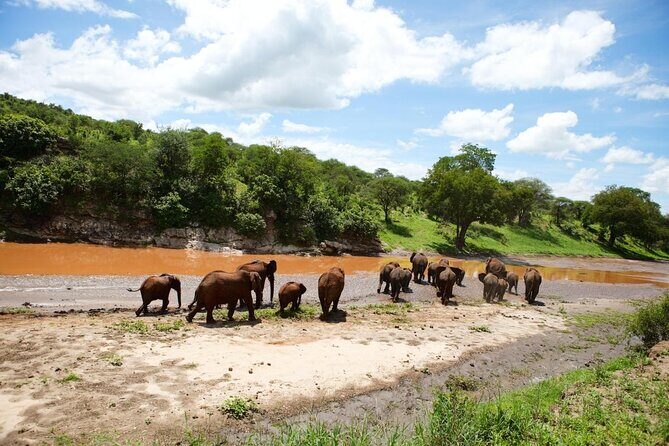
- Tarangire’s elephant odds are specifically a selling point, with baobab country adding drama to the stops.
- Kizumba Campsite is included for the overnight, so you don’t have to hunt for lodging mid-trip.
- Picnic lunch boxes on both days keep the day moving without losing half the afternoon to meals.
- Ngorongoro’s wildlife density is the whole point of day two—descend, drive, and watch the crater work its magic.
Two Parks, One Camping Night: What This 2-Day Safari Really Means
This is the kind of safari I recommend when you want the big Tanzania names but you don’t have a week to do it slowly. You’re covering Tarangire National Park and Ngorongoro Crater back-to-back, which is a big ask in just 2 days—but it’s also why the trip feels focused. If your goal is simply to see major wildlife areas with minimal fuss, this combo makes a lot of sense.
The best part is that the trip doesn’t rely on you to solve logistics. You get pickup offered, a mobile ticket, professional safari guides, and the key costs are bundled. That matters because safari trip “surprises” usually come from vehicle, meals, or entrance fees. Here, you can plan your budget with fewer unknowns.
The possible downside is also simple: time. Two parks mean less time at each location than longer safaris. You’ll be hunting for sightings during game drives that follow a set rhythm. If you’re hoping for a slow, scenic walk-through safari day with lots of downtime, this is not that style.
A few more Arusha tours and experiences worth a look
Getting From Arusha To Tarangire: Your Day 1 Starts Early
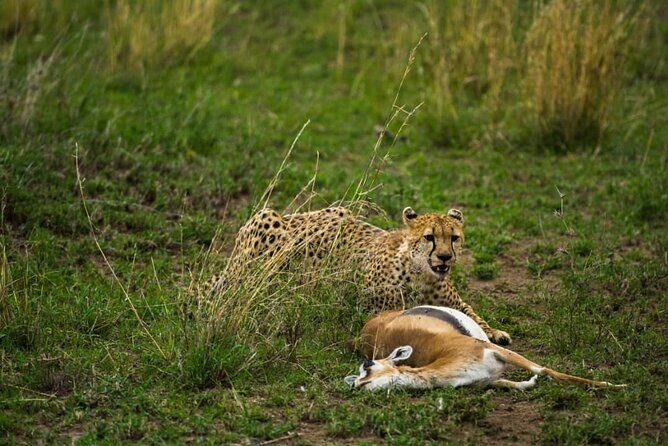
Your day begins with an 8:30 am start and a drive out from Arusha toward Tarangire National Park. Expect a long morning transition before the first serious wildlife time. The payoff is that you’re not wasting daylight once you reach the park gates.
From there, you’re set up for a game drive with picnic lunch boxes. That design is practical: it reduces time spent stopping, and it keeps your drive momentum. Also, driving in the morning tends to offer decent animal activity, especially around water and open areas where larger animals move through.
Day 1 runs for about 7 hours total. That timeframe helps you understand how the day is shaped: enough time for a real drive and picnic, then you shift gears toward dinner and the campsite.
Tarangire National Park: Elephants, Baobabs, and Big-Sky Safari Moments
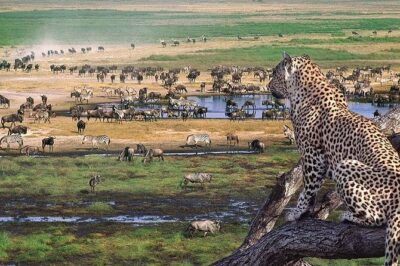
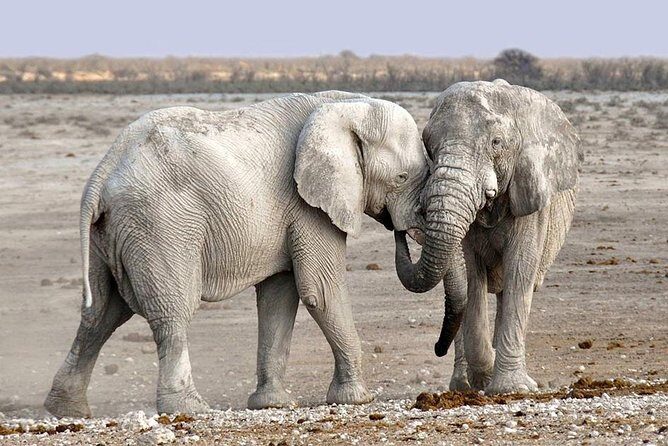
Tarangire is often described as an elephant park, and this itinerary leans into that strength. You’ll spend game-drive time inside the park, and elephants are a named target. If you’ve only got a short safari window, choosing a park where elephants are a core focus is smart.
You also get the chance to see the kind of features Tarangire is known for—especially baobab trees. Even if you don’t obsess over botany, baobabs change the way a safari feels. They make the park look older, harsher, and strangely cinematic. When you’re bouncing through wildlife country in open air, those big trunk silhouettes help you orient yourself and judge distances.
A small practical note: day 1 includes an off-park shift after the drive. You leave the park later in the afternoon, then you drive for dinner and overnight at Kizumba Campsite on a full board basis. That means Tarangire is the main wildlife push on day one, while day two is where the crater game drives take over.
Camp Night at Kizumba Campsite: Full Board Helps You Recharge
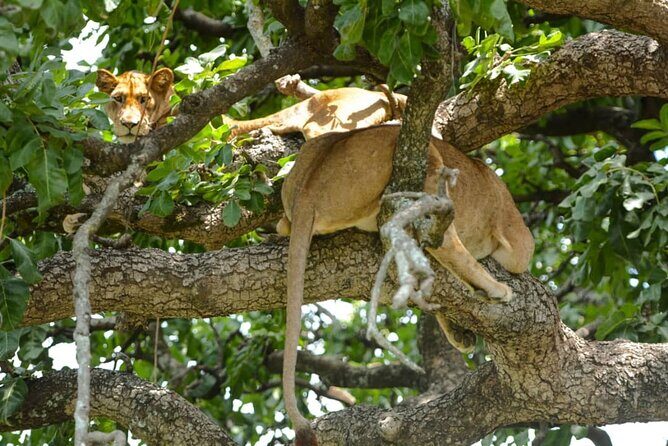
Overnight is at Kizumba Campsite, and it’s listed as a full board arrangement on day one. In safari terms, “full board” is one of those phrases that can mean a lot. Here it matters because it reduces what you need to figure out after sunset.
You’re not just “sleeping somewhere.” You’re getting dinner and then waking up for breakfast, which keeps the second day from becoming a logistical scramble. For most people, that’s the difference between a safari you enjoy and one that drains you.
It’s also the reason this trip works as a tight combo. Camping gives you the time advantage. You’re positioned close enough to be able to start day two efficiently and still spend real time in the crater rather than burning the entire morning on transfers.
Ngorongoro Crater: Descend First, Then Watch the Wildlife Concentrate
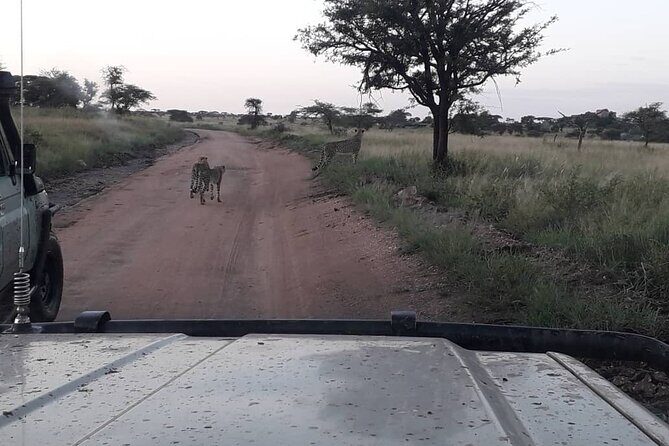
Day two is built around Ngorongoro Crater. After breakfast, you drive to Ngorongoro, then descend into the crater for game drives. This is not just a change of scenery; it changes how you see wildlife.
The itinerary frames Ngorongoro as having a very dense concentration of wildlife in Africa. That reputation is the reason the crater has become such a must-do. With a limited schedule, a place known for dense viewing odds is a better bet than an area where wildlife spread out.
You’ll enjoy game drives there with picnic lunch boxes again, which keeps the day moving. The crater drive portion is what you’re buying with your time on day two. If Tarangire is your elephant-and-baobab warm-up, Ngorongoro is the main show where everything feels more compressed and immediate.
You’ll then drive back to Arusha town around 3:00 pm and the service ends. That end time is helpful for planning the rest of your day back in town, especially if you have onward travel.
A few more Arusha tours and experiences worth a look

Vehicle, Guides, and Comfort: The Details That Improve Your Safari Day
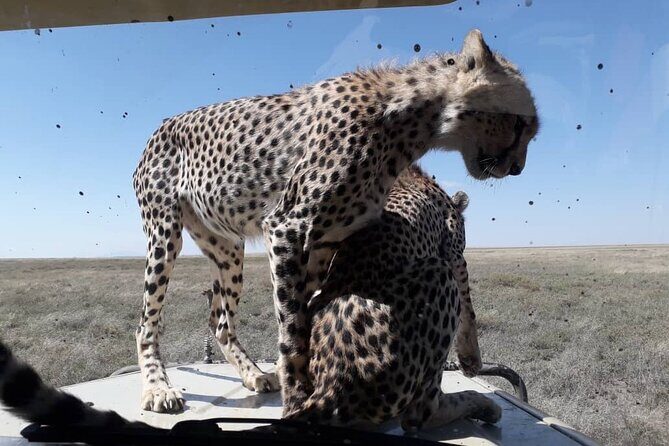
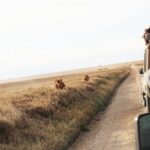
I pay attention to vehicle setup because it changes your photo chances and your comfort when you’re sitting for hours. This safari uses a 4×4 top open roof vehicle with all-window seats. That means you can spot animals from multiple angles and keep your body positioned for viewing without constantly shifting seats.
You also get mineral water, which is one of those small inclusions that actually matters in Tanzania’s heat. It’s easy to underestimate water needs until you’re hours into a drive.
Another practical included item: socket changing in the car. That’s essentially a charger-adapter style amenity, which can save you from scrambling for the right plug during the trip.
The itinerary also includes professional safari guides. While the exact guide names aren’t listed in the details you provided, the guide role is clear: guiding drives, helping you find animals, and keeping the day running smoothly across two major parks.
Price and Logistics: Does $500 Per Person Really Add Up?
At $500 per person, this is not a budget safari, but it also isn’t an ultra-luxury package. The real question is what you get for that number—and here, most of the big-cost pieces are included.
You get:
- All fees and taxes
- Game driving in both areas
- Accommodation for the night at Kizumba Campsite
- Camping gears included
- Meals included (with breakfast and dinner, plus lunch via picnic boxes)
- Mineral water
- A proper safari vehicle setup (open roof, window viewing)
- Pickup offered and a mobile ticket
You’re also told admission for day one is free, and for day two it’s included. That doesn’t mean you should ignore entrance fees in your own planning, but it does suggest you’re not paying separate park costs on the spot.
What’s not included is tips, and that’s normal. Just don’t forget it, because it’s the one extra people sometimes leave out of their initial mental budget.
The value logic is simple: if you tried to build this yourself (vehicle + guide + meals + camping + entrance handling) you’d likely spend more time and money, even before you factor in the hassle of coordinating two parks in two days.
Transfer Caveat: One Weak Spot to Confirm Before You Go
The biggest real-world concern here isn’t the parks. It’s the last-mile transfer timing. One past traveler described chaos with the transfer back to their hotel, including a delay of more than 2 hours.
That doesn’t mean it happens to everyone. But it does mean you should protect yourself by confirming:
- where the pickup starts exactly
- where you’ll be dropped at the end (Arusha town vs. direct hotel drop-off)
- whether your return time may shift on the road
If you plan a tight dinner reservation the moment you return, consider building in a buffer. Safari days run on wildlife and road conditions, not on your calendar apps.
Who This Safari Fits Best (and Who Might Want a Longer Trip)
This is a strong fit if:
- you want Tarangire and Ngorongoro without spending days in transit
- you’re okay with a structured schedule in exchange for efficient wildlife time
- you value small-group feel (max 7) and better vehicle viewing
You might want a different plan if:
- you hate early mornings and long drive days
- you prefer unhurried safari pacing with fewer stops and more downtime
- you’re counting on very predictable hotel timing at the end of day two
If your travel style is “see the big things, do it well, then move,” this combo does exactly that.
Should You Book This 2-Day Camping Safari?
I’d book it if you’re choosing between big Tanzania highlights and limited time. The bundled value—camping overnight, meals, game driving, and the open-roof 4×4—makes it easier to enjoy without constant budget math. Also, the focus on elephant-country Tarangire plus the wildlife-density reputation of Ngorongoro is a smart pairing for a short trip.
Before you confirm, do two quick checks: verify your exact pickup and drop-off location in Arusha, and plan extra time around the return day just in case road timing runs differently.
FAQ
What parks are included in this 2-day safari?
You’ll visit Tarangire National Park and Ngorongoro Crater.
What time does the safari start?
The start time is listed as 8:30 am.
Is pickup included?
Pickup is offered.
How many people are in the group?
The tour has a maximum of 7 travelers.
What’s included for meals and accommodation?
Dinner and breakfast are included, and lunch is provided as picnic lunch boxes. Accommodation for the night is included at Kizumba Campsite, and camping gears are also included.
What vehicle will be used for game drives?
The safari uses a 4×4 top open roof vehicle with all-window seats.
Are park entrance fees included?
Day 1 is listed with admission ticket free, and day 2 is listed with admission ticket included.
Is tipping included in the price?
Tips are not included.
Can I cancel for a full refund?
Yes. You can cancel up to 24 hours in advance for a full refund.