REVIEW · ARUSHA
2 Day Safari Tarangire and Ngorongoro Crater
Book on Viator →Operated by Signature Safari · Bookable on Viator
A quick two days, big wildlife energy. This Tarangire and Ngorongoro safari is a smart way to sample two of Tanzania’s best game-viewing zones without burning a whole week in transit. I like how Tarangire leans into what the park does best: elephant-heavy scenes, plus the kind of predator action that can surprise first-timers.
The second day brings you to the UNESCO-listed crater, where wildlife feels packed into one dramatic bowl. I like the contrast: Tarangire’s river pull and baobabs on day one, then Ngorongoro’s dense variety on day two—including a picnic lunch by the hippo pool.
One thing to consider: this is a short safari, so the schedule is busy and you’ll want good weather to get full value from the drives and game viewing. If skies turn poor, the trip may be rescheduled or refunded.
In This Review
- Key highlights you’ll feel from day one
- Why Tarangire and Ngorongoro in one safari is such a good use of time
- Tarangire National Park: elephants, baobabs, and predators near the river
- The Tarangire-to-overnight segment: why the included meals matter
- Ngorongoro Crater Conservation Area: dense wildlife odds and that hippo pool lunch
- Transportation from Arusha: convenience that saves your energy
- Price and value: is $440 reasonable for two parks in two days?
- Small group size (max 7): how it affects your safari day
- Pacing, weather, and what to plan for on a two-day itinerary
- Who should book this 2-day Tarangire and Ngorongoro safari?
- Should you book? My honest take
- FAQ
- What parks does the 2-day safari include?
- How long is the safari?
- What does the $440 price include?
- Is pickup from Arusha provided?
- How many people are in the group?
- What is the cancellation window?
Key highlights you’ll feel from day one
- Two parks, one tight rhythm: Tarangire first, then Ngorongoro Crater the next day.
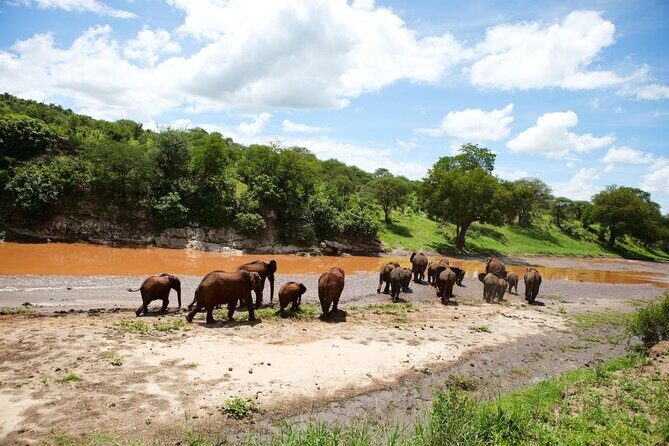
- Elephants and predators in Tarangire: especially strong during the dry season when the river concentrates animals.
- A real crater-style wildlife showcase: cape buffalo, rhino, hippo, and more in one area.
- Hippo pool picnic lunch: a rare-feeling meal moment inside the action.
- Small group pace (max 7): less crowd pressure, more time to work with your guide.
Why Tarangire and Ngorongoro in one safari is such a good use of time
If you’re based in Arusha and you want maximum “wow” with minimum logistics headaches, combining these parks works. Tarangire and Ngorongoro are different enough that you don’t get repeat scenes all week long. You get elephants and classic savanna views in Tarangire, then you switch to the crater’s enclosed feel and unusually high odds of seeing multiple species close together.
This is also a practical trip style. You’re not trying to stitch together two separate safaris, and you’re not stuck figuring out how to move between parks day by day. Round-trip transportation is included, so you can spend your attention where it belongs: watching for wildlife.
And because the group is capped at 7 travelers, you’re more likely to get a comfortable pace for spotting, scanning, and adjusting when your guide finds something moving.
A few more Arusha tours and experiences worth a look

Tarangire National Park: elephants, baobabs, and predators near the river
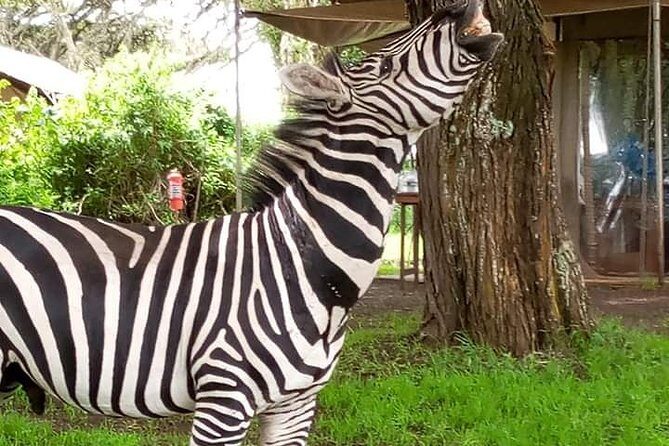
Tarangire National Park is at its most compelling during the dry season. That matters because the Tarangire River becomes a magnet. When water concentrates, animals concentrate too—so you’re not just searching for wildlife across a huge area. Instead, you’re watching clusters form around the places they must visit.
Here’s what makes Tarangire a standout:
- Massive elephant presence is a headline for a reason. Expect big herds moving and feeding in the same general areas where other animals show up.
- Lions, leopards, and hyenas are part of the “look harder” game-viewing mix. In dry-season conditions, predators can take advantage of the same animal concentrations you’re watching.
You’ll spend day one inside Tarangire for a long stretch. The schedule shows a shorter initial stop followed by a longer game-viewing period, which is a nice setup: you get oriented and then you settle in for the main action. The park also has that classic Tarangire visual signature—baobabs that make it feel like you’re watching wildlife in front of nature’s oddest sculpture garden.
What to watch for (so you get more than just passing sightings):
- Watch how herds move toward water and how predators react to that movement.
- Pay attention to timing: when animals change direction, it often signals something in the wider area.
- If you’re new to safari, don’t chase every tiny movement. Give your guide a chance to build a pattern of where animals are likely to show up next.
Potential drawback: day one is long. Even if game drives are exciting, you’ll still be in a vehicle for a good chunk of the day. Plan your body for a full day of sun, dust, and sitting.
The Tarangire-to-overnight segment: why the included meals matter
This is one of those safaris where the “not glamorous” parts are handled for you. Dinner is included, and breakfast is included again on day two. Lunch is included as well, split across the two days.
That sounds simple, but in real life it’s a big deal. Safaris can run long. When meals are already taken care of, you’re less likely to feel stressed about finding food right after a drive. It also helps you keep your energy stable for the next day’s crater viewing, which is the real finish-line experience.
Overnight accommodation is also included as part of the safari experience. You’re not bouncing back to Arusha at night, which means you’re positioned to start day two on the crater with less back-and-forth.
My practical take: if you’re doing only two days, you want sleep and food to be low-effort. This itinerary is built that way.
Ngorongoro Crater Conservation Area: dense wildlife odds and that hippo pool lunch
Ngorongoro Conservation Area is famous for one big reason: the crater creates a kind of natural stage. The schedule takes you into the area for a full crater day, and the expectation is clear—your odds are higher because wildlife is present in dense variety.
In this part of the experience, you’re looking for a mix of animals that can appear in close proximity:
- Cape buffalo
- Rhinoceros
- Hippopotamus
- And other species that use the crater plains
The tour highlights a picnic lunch by the hippo pool. That’s the kind of moment you remember because it’s unusual: you’re not just eating in a random stop. You’re eating in an area where hippos are part of the viewing scene, and that changes the feel of the day. It’s also a nice break in the middle of crater scanning time.
What’s special about Ngorongoro as a second day:
Tarangire can feel like a big open “search and find” challenge. Ngorongoro feels more like “watch and let the area come to you.” You’ll often spend time observing how animals use space across the crater floor, and how different species share the same general zones.
One reality check for expectations: a crater day can look different depending on how animals are positioned at that moment. You might see certain species quickly, while others may require more patience. The value here isn’t only one specific animal—it’s the overall density and variety.
Transportation from Arusha: convenience that saves your energy
Round-trip transportation from Arusha is included, which is a huge quality-of-life upgrade. With only two days, travel time matters. The less time you spend arranging and re-arranging logistics, the more time you can spend actually watching wildlife.
The meeting point is in the Arusha area near Masailand Safari & Lodge, and the activity ends back at the same starting point. That keeps things simple: you’re not sending yourself across town at the end of a long day.
There’s one detail worth knowing from real-world experience: pickup can come with a small extra fee depending on your hotel. One guest reported paying $5 extra for pickup and drop-off at their hotel. I’d treat that as a “confirm it early” item, especially if you’re staying far from the main meeting location.
A few more Arusha tours and experiences worth a look




Price and value: is $440 reasonable for two parks in two days?
At $440 per person, you’re paying for a compact itinerary that includes:
- Round-trip transportation from Arusha
- Park access as listed on the schedule
- Guide time across both days
- Parking fees
- Dinner plus breakfasts (2) and lunches (2)
- Overnight accommodation
The “value” question here isn’t just the math. It’s also what you’re avoiding. Two separate safaris usually cost more than combining them, and you’d spend extra energy coordinating timing, transport, and meal stops. This format is designed to bundle the hard parts.
Also, the tour is priced in a way that fits a mid-range safari expectation: it’s not pitched as luxury. The listing explicitly flags that luxury isn’t included. If you want five-star service on safari, you’ll need a different product. But if you want good guiding, solid planning, and meaningful wildlife time, this price can make sense.
Who this price tends to fit well:
- First-time safari visitors who want two iconic areas fast
- People who don’t want to rent vehicles or coordinate separate transfers
- Travelers who appreciate having meals and overnight organized
Small group size (max 7): how it affects your safari day
A group capped at 7 travelers changes the vibe. You’re not fighting for attention when a guide spots something. You’re also less likely to feel like a moving crowd circling the same animals.
For you, that can mean:
- More chances to adjust your position and angle for better viewing
- Less time spent waiting for the whole group to get in sync
- A guide who can give clearer, more personal spotting context
The tour uses a Signature Safari guide, and that’s important. Guides aren’t just “drivers with a checklist.” In good safari guiding, the real skill is finding animals consistently and helping you understand what you’re seeing—especially when visibility is tricky or animals are tucked into the background.
Pacing, weather, and what to plan for on a two-day itinerary
This safari requires good weather. That’s not a small detail. Safari viewing depends on visibility, road conditions, and how comfortable it is to stay out on game drives. If weather turns poor, you may be offered another date or a full refund, so it’s worth building some flexibility into your Tanzania schedule.
Because it’s a two-day format, the pace will be brisk:
- Day one focuses on Tarangire’s animals clustered around key resources like the river.
- Day two shifts to the crater and its dense species mix, plus the hippo pool lunch.
Practical planning tips (based on the nature of safari days):
- Wear sun protection you can reapply easily.
- Bring layers if mornings feel cool where you are.
- Keep essentials within reach; you’ll be transferring attention between wildlife spotting and vehicle comfort.
Who should book this 2-day Tarangire and Ngorongoro safari?
This is a strong fit if:
- You want a first safari that samples two big “Tanzania musts”
- You’re short on time but still want an overnight experience
- You like the idea of small-group guiding rather than large-group herd energy
- You’d rather have meals and logistics handled for you than plan every stop
It may not be your best match if:
- You want long, unhurried game drives with lots of downtime
- You’re chasing a luxury experience level
- You prefer to focus deeply on one park only, without switching environments
Should you book? My honest take
If you’re weighing this against longer safaris, I think it’s a smart choice for many visitors. Combining Tarangire and Ngorongoro gives you a strong wildlife variety within two days, and the included meals and overnight help you keep the trip feeling easy. Add the small group size and the chance to have a picnic lunch near the hippo pool, and it’s the kind of safari that earns its place early in a Tanzania trip.
Book it if you can travel with flexible expectations for weather and you’re okay with a busy schedule. Skip it only if you’re demanding luxury or you really want a slower, more in-depth single-park experience.
FAQ
What parks does the 2-day safari include?
You’ll visit Tarangire National Park on day one and the Ngorongoro Conservation Area (Ngorongoro Crater) on day two.
How long is the safari?
The tour runs for about 2 days.
What does the $440 price include?
The price includes round-trip transportation from Arusha, a guide, parking fees, and meals (dinner, 2 breakfasts, and 2 lunches). Luxury is not included.
Is pickup from Arusha provided?
Pickup is offered, and the tour includes return transfer back to the meeting point in Arusha.
How many people are in the group?
The maximum group size is 7 travelers.
What is the cancellation window?
You can cancel for a full refund up to 24 hours before the experience starts. If you cancel less than 24 hours before the start time, the amount you paid is not refunded.