REVIEW · ARUSHA
2 Days Tarangire and Ngorongoro Safari Tour in Tanzania
Book on Viator →Operated by Safari G.O.A.T.S · Bookable on Viator
A game drive here feels like time travel. In just two days, you get two of Tanzania’s biggest wildlife stages—Tarangire National Park for elephants and baobabs, then Ngorongoro Crater for dramatic caldera views and a serious predator hunt.
I love how the timing is built for animals, not sitting around: a full day in Tarangire and then a very early start for the crater. I also like that the tour keeps group size tight (up to 7 people), which usually means a calmer, easier safari day.
The one drawback to consider is simple: this is a short sprint. You’ll be on the road a lot, with long drives and early mornings, so it’s not the right fit if you want slow travel and lots of free time.
In This Review
- Key Highlights to Expect
- Two Parks, One Tight Time Window: Tarangire + Ngorongoro
- Getting Going From Arusha or Moshi: Early Pickup and Small-Group Days
- Day 1 in Tarangire National Park: Baobabs, Birds, and Elephant Country
- Overnight at Camp: Why This Stop Keeps Day 2 From Feeling Rushed
- Day 2 in Ngorongoro Crater: Unbroken Caldera Views and Predator Chances
- Price and What It Really Buys at $550 Per Person
- The Driver, the Car, and the Real-World Comfort Factor
- Who This Tanzania Safari Works Best For
- Should You Book Safari G.O.A.T.S for Tarangire and Ngorongoro?
- FAQ
- What parks does the 2-day safari visit?
- What time does pickup happen in Arusha or Moshi?
- How long is the safari?
- How many people are in the group?
- Is the safari ticket cost included?
- What’s included in the price?
- What is not included?
- Can I cancel for a full refund?
- How will I get my ticket?
Key Highlights to Expect

- Tarangire’s elephant strength and baobab scenery in one focused day
- Ngorongoro Crater views from inside the caldera, with predators in the mix
- Early starts (pickup around 7:30–8:00, then the crater departs about 06:00)
- Small-group safari feel, max 7 travelers
- Meals, lodging, and water included, so your day is easier to manage
Two Parks, One Tight Time Window: Tarangire + Ngorongoro
This is a value-minded safari plan because it focuses on two places that deliver very different safari vibes. Tarangire is where you lean into wildlife density—especially elephants—and that iconic mix of big trees and open savanna energy. Ngorongoro is a whole other world: you’re hunting wildlife from within the largest unbroken caldera, a natural setting that tends to bring animals into view in ways you don’t get in wide-open country.
The big promise here is the Big Five concept. The itinerary explicitly frames the goal as Big Five viewing, and it gives you strong “where to look” hints too: the Ngorongoro section calls out predators like lions, hyenas, jackals, cheetahs, and the elusive leopard, and it also lists elephants and hippos. That combination matters because it shapes where your guide will likely point your attention during drives.
If you’re short on days in Tanzania, I like how direct this tour is. Instead of hopping across a dozen stops, you get enough time in each park to actually feel like you were there, not just passing through.
A few more Arusha tours and experiences worth a look
Getting Going From Arusha or Moshi: Early Pickup and Small-Group Days

You’ll start from the Arusha/Moshi area, with pickup scheduled in the early morning. The details are a little inconsistent in timing because you’ll see both a 7:30am start and an 8:00am hotel pickup mentioned, so your best move is to confirm your exact pickup time when you get confirmation after booking.
This matters for two reasons. First, safaris run on animal timing. Second, early departure is the trade you make for maximizing your day inside the parks. On Day 2, the crater departs the camp around 06:00, and that dawn timing is often the difference between a smooth, watchable drive and a slower start.
The tour caps the group at 7 travelers. That limit isn’t just a comfort upgrade. On safari, smaller groups tend to help keep things flexible—less waiting around, fewer moving parts, and a better chance of staying focused when animals appear.
Day 1 in Tarangire National Park: Baobabs, Birds, and Elephant Country

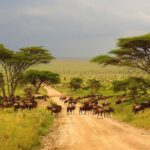
Day 1 starts with the drive into Tarangire National Park, where the tour positioning is clear: you’re going for the park’s baobab trees, its big-mammal action, and its bird variety, plus one of the country’s largest concentrations of elephants.
Tarangire is one of those parks where the scenery and the animals work together. The baobabs give you landmarks, and you don’t just “drive and hope.” You’re moving through a landscape that’s already visually distinctive, so wildlife sightings tend to feel more grounded and trackable. When the itinerary calls out elephants specifically, it’s telling you what the day is optimized for—so when you’re scanning across open ground, you’re not guessing what you came for.
The day is planned as a full wildlife block—about 6 hours—followed by transfer to camp for the night. That structure is smart. It gives you a solid morning and early afternoon window, then gets you off the road so you can reset before the crater’s early departure.
A practical tip: wear clothes you can layer. Morning can feel different from midday in safari country, and a long drive means you’ll want to adjust without changing your whole setup.
Overnight at Camp: Why This Stop Keeps Day 2 From Feeling Rushed
After your Tarangire game drive, you’ll be transferred to camp for overnight. Accommodation is included, along with dinner, breakfast (2), and lunch (2), plus unlimited drinking water.
What you should take from this, beyond the convenience, is pacing. Ngorongoro’s Day 2 starts around 06:00, so you’re not going to want a chaotic late-night plan. Sleeping at camp keeps the next day’s schedule realistic and reduces the risk of waking up too early and feeling wrecked before the crater drive even begins.
Also, because this tour includes meals, you avoid the common safari problem of hunting for food while you should be focused on sightings. You can keep your attention where it belongs: the drive.
One more note from real-world experience shared with Safari G.O.A.T.S: the way the driver handles road and off-road driving matters a lot on back-to-back days. One past customer praised Eddy for being a smooth driver both on road and off road, and that kind of comfort is more important than people think when you’re heading into an early crater morning.
Day 2 in Ngorongoro Crater: Unbroken Caldera Views and Predator Chances
Ngorongoro is the headline stop, and the tour leans into that with a Day 2 plan that centers on the crater game drive. You’ll head to the crater around 06:00, which lines up with the idea that the best viewing often comes early in the day.
The itinerary describes Ngorongoro as not only the largest unbroken caldera but also one of the new 7 natural wonders of Africa. You don’t need to memorize superlatives to understand why this matters. A caldera concentrates terrain and visibility. When animals gather, they tend to appear in a more “readable” way because you’re looking across a contained natural bowl rather than endless distance.
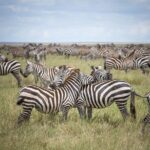
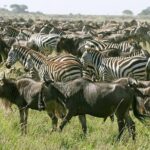
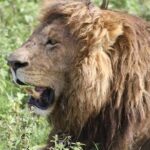
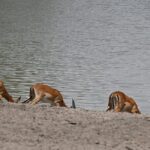
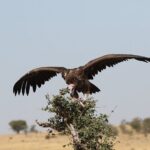
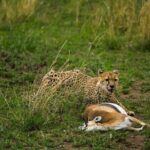
The animal list here is detailed, and it’s not just about “big animals.” You’ll have the chance to see herds of wildebeest and zebra, plus buffalo, eland, warthog, hippo, and giant African elephants. There’s also a predator angle built into the plan. The tour specifically names lions, hyenas, jackals, cheetahs, and the leopard—noting that leopard spotting can require a trained eye.
That predator note is useful for your mindset. If you’re expecting instant leopard sightings like a wildlife video, you’ll be disappointed. But if you understand that the hunt is part of the experience—scanning, waiting, responding when the guide spots movement—you’ll get more satisfaction from the drive.
Even the “water and bird” details are included: the crater area is noted for flamingos and hippos. That’s good because it means you’re not locked into only one type of viewing. When the day shifts from land animals to behavior near water, you’ll have something to watch.
The Day 2 driving time is also about 6 hours, so you get meaningful time in the crater rather than a quick pass.
A few more Arusha tours and experiences worth a look


Price and What It Really Buys at $550 Per Person
At $550 per person, you’re paying for more than the car. This tour includes key safari costs: accommodation during safari, dinner, breakfast and lunch, unlimited drinking water, and all fees and taxes. It also lists admission ticket free for both days, which is a big deal when you’re comparing safari packages.
What isn’t included is also clear: tipping and visa. That means your main “surprise” costs are limited. In practice, tipping is something you’ll likely decide based on how the guide and driver performed, and your visa is handled separately based on your nationality.
So is it good value? For me, it’s strongest if you want a straightforward, two-park plan with lodging and meals handled. If you prefer full DIY freedom—booking guides separately, arranging your own camp, and hunting down park fees—you might find cheaper options. But if you want everything packaged so the day runs, this price looks built for that.
The final value question comes down to expectations: you’re buying a fast, focused safari arc, not a slow wandering trip.
The Driver, the Car, and the Real-World Comfort Factor

Safari isn’t just about animals. It’s also about how the ride feels when visibility is low, roads get rough, or you’re moving off-road. One review highlighted Safari G.O.A.T.S’s owner/driver Eddy as a smooth driver both on road and off road, and mentioned the car was in pristine condition.
I take that as a sign of seriousness. When a driver is consistent, you’re less likely to feel beat up during long drives—especially when Day 2 begins at dawn after a prior day’s schedule. It also makes it easier for you to concentrate on spotting wildlife, since you’re not constantly bracing yourself.
Who This Tanzania Safari Works Best For

This tour fits best if you want a classic Tanzania hit list but you only have a short window. You should also like the idea of early mornings and a tight schedule. In particular, I think it’s a good match for:
- First-time safari visitors who want Tarangire + Ngorongoro without overcomplicating planning
- People who want a small-group feel (max 7)
- Anyone who cares about both elephants/baobabs (Tarangire) and crater-scale predator viewing (Ngorongoro)
- Short-trip travelers using Arusha/Moshi as a base and wanting an efficient 2-day plan
If you’re the type who wants to sleep in, stretch days out, and explore at your own pace, you might feel pushed. That’s not a flaw in the safari—it’s just the nature of a two-park sprint.
Should You Book Safari G.O.A.T.S for Tarangire and Ngorongoro?
I’d book this if your priority is a well-packaged 2-day safari that covers Tarangire’s elephant-and-baobab charm and Ngorongoro’s caldera-based viewing, with meals and lodging already taken care of. The included unlimited drinking water, the small group size, and the early-day schedule all point toward a smoother experience.
Before you click confirm, I’d do two quick checks. First, confirm your pickup time around Arusha/Moshi (because you’ll see both 7:30am and 8:00am referenced). Second, be clear on tipping expectations in your own budget. Once you’re set on those, this is the kind of safari plan that makes your limited Tanzania time feel purposeful.
FAQ
What parks does the 2-day safari visit?
You’ll visit Tarangire National Park on Day 1 and Ngorongoro Crater / Ngorongoro Conservation Area on Day 2.
What time does pickup happen in Arusha or Moshi?
The tour indicates an early start, with pickup referenced around 7:30am and 8:00am. Your exact pickup time should be confirmed when you receive booking confirmation.
How long is the safari?
It’s listed as 2 days (approx.), with about 6 hours of safari time noted for each day.
How many people are in the group?
This experience has a maximum group size of 7 travelers.
Is the safari ticket cost included?
The itinerary notes admission ticket free for both days, and the package also includes all fees and taxes.
What’s included in the price?
Included are accommodation during safari, dinner, breakfast (2), lunch (2), unlimited drinking water, and all fees and taxes.
What is not included?
The tour does not include tipping or visa.
Can I cancel for a full refund?
Yes. You can cancel up to 24 hours in advance for a full refund, as long as you meet the cutoff based on the experience’s local time.
How will I get my ticket?
The tour offers a mobile ticket. Confirmation is received at the time of booking.