REVIEW · ARUSHA
Day 1 Arusha – Lake Manyara National Park
Book on Viator →Operated by Tan Spirit Safari · Bookable on Viator
Lake Manyara is the kind of park that surprises you fast, especially when you start your day with flamingos and end it with the chance of tree-climbing lions. I like how this trip balances two styles of safari watching: feathered bird life along the water, and proper game sightings in the woodland and open areas.
Two things I particularly liked: you ride in a 4×4 safari vehicle with park fees handled, and you get AMREF Flying Doctors insurance during the day trip. One thing to consider is that wildlife and sightings depend on conditions and luck, and the experience requires good weather—so the day works best when you stay flexible.
In This Review
- Key highlights you’ll actually feel on the ground
- Arusha to Lake Manyara: why the timing matters
- The birdlife focus: flamingos and the water’s nonstop show
- Game drive expectations: elephants, monkeys, giraffes, and the big surprises
- Where Maasai traditional life fits into the day
- How the 4×4 safari vehicle changes the experience
- Picnic lunch: fueling your afternoon wildlife chase
- Meals, water, and what you should plan to pay for
- AMREF Flying Doctors insurance: the practical safety value
- Price and value: what $235.90 per person really covers
- Comfort and group style: private tour means calmer decision-making
- Should you book the Arusha–Lake Manyara safari day?
- FAQ
- What does the trip include?
- Where does the experience start?
- How long is the experience?
- Is this a private tour?
- What is not included in the price?
- What happens if weather is bad?
Key highlights you’ll actually feel on the ground

- Early pickup from Arusha means more daylight in the park and less wasted time
- Lake Manyara birds: flamingos, pelicans, cormorants, and lots more for birdwatching
- Big-game chances in wooded areas, with the famous tree-climbing lion possibility
- Picnic lunch timing that keeps the day moving without turning it into a long slog
- A private group setup in your own vehicle for a calmer, easier safari rhythm
- AMREF Flying Doctors coverage during the day trip for extra peace of mind
Arusha to Lake Manyara: why the timing matters

Your day starts with early pickup from your hotel in Arusha. From there, you drive into Lake Manyara National Park, a Great Rift Valley park that wraps around the northwest bank and includes part of the alkaline Lake Manyara itself. That mix of habitats matters because you’re not just looking at one kind of scenery—you’re moving between water, woodland, and open ground, which is exactly where wildlife behavior changes.
Practically, starting early helps you do two things you care about on safari: first, it gives you more time when animals are still active; second, it keeps the drive-and-wait cycle shorter. Even if the day feels packed, the format is straightforward: drive in, spend focused time on the game drive, stop for lunch, then head back to Arusha.
You can also read our reviews of more tours and experiences in Arusha.
The birdlife focus: flamingos and the water’s nonstop show

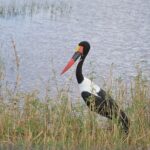
Lake Manyara is often described through its birds, and for good reason. This park is known for flamingos, pelicans, and cormorants, and it also hosts a few hundred other bird species. If you’re the type who enjoys spotting details—feathers, flight patterns, feeding behavior—this is a genuinely rewarding place to slow down.
Here’s what I like about that emphasis: birds give you momentum even when big-game sightings are slower. Waterbirds can be active in short bursts, and once you find the right stretch of shoreline or the right view into the right habitat, you’ll be rewarded quickly. That also helps families and mixed groups, because not everyone has to be laser-focused on finding one specific animal to have a great day.
If ornithology is your thing, bring the basics: binoculars if you have them, and a small note-taking habit for bird names you’re learning on the go. Even without specialist gear, watching how birds respond to the water and the wind is part of the fun.
Game drive expectations: elephants, monkeys, giraffes, and the big surprises

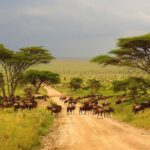
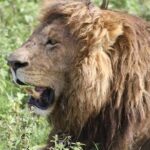
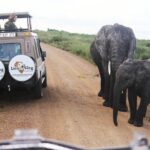
After the birding energy, the day shifts into big game and primates. You can expect the park to hold elephants in the wooded regions, and if conditions line up, you might see the famous tree-climbing lions that Lake Manyara has long been associated with. That last part is the excitement factor. It’s not something you can schedule, but it’s exactly the kind of safari detail that makes this park worth a stop.
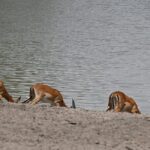
Beyond the headline predators, the park commonly offers other sightings: baboons and vervet monkeys in and around forested areas, giraffes nibbling at fresh leaves, and antelopes browsing for shoots in more open spots. The result is that you’re not gambling on one outcome. You’re watching a whole system—predators, herbivores, and primates all using different zones of the park.
A quick reality check though: sightings are never guaranteed. What you can control is your mindset and your movement style. Stay ready for quick animal appearances, listen closely to your driver’s guidance, and don’t rush through the viewing points—wildlife here rewards patience.
Where Maasai traditional life fits into the day
This experience also includes time to experience Maasai traditional life. The specifics aren’t broken down in detail here, so I’d treat it as a cultural add-on that gives context to the region rather than a long, structured cultural workshop.
Still, this is one of the best ways to avoid a safari that feels like you only saw animals and nothing else. When you add a cultural moment, you start to understand how people in the area connect to the land you’re driving through. If culture is important to you, ask your guide what the cultural stop includes and how much time you’ll have—then you can plan your questions and expectations.
How the 4×4 safari vehicle changes the experience

This tour uses a 4×4 safari vehicle, which matters for two reasons. First, it helps you get into and around different parts of the park where roads and tracks can vary with terrain. Second, it makes the day feel more like a safari and less like a sightseeing bus.
Because this is set up as a private tour/activity for your group, you also gain a practical advantage: you can move at your pace. If someone wants more time watching birds, you’re not forced to follow a rigid group schedule. If you’re focused on the chance of lions, the driver can spend more time where sightings look promising.
The reviews around the guide-driver experience also back this up. The name that keeps coming up is Wilson Lucas—praised for being professional, handling details smoothly, and staying on the hunt across different parks. While your day here is Lake Manyara, that kind of guiding style tends to translate into better decisions on where to stop, when to reposition, and how to manage expectations.
Picnic lunch: fueling your afternoon wildlife chase
After your game and wildlife watching, the day includes a picnic lunch. I like this format because it keeps your safari rhythm. Instead of trekking back to a lodge for a long sit-down meal, you get a break without losing half the day.
Pack your habits for a picnic day: keep water handy, wear something comfortable for getting in and out of the vehicle, and keep sunscreen and a hat accessible. The tour includes mineral water, which is a solid baseline, but safari days can still feel warm and dusty depending on the season.
The lunch stop is also a good moment to reset your eyes. After lunch you’ll often spot animals you missed earlier—either because your viewing area changes or because the light shifts and behavior changes with the day.
Meals, water, and what you should plan to pay for
The included meals and mineral water help you travel lighter. You won’t have to budget for basic sustenance during the day trip, and the park fees are included too, which removes a layer of uncertainty.
What isn’t included is also important:
- Alcoholic and soft drinks are not included
- Personal spending for souvenirs is on you
- Travel insurance and visa fees aren’t included
- Flights aren’t included
If you know you want soda or beer during the day, bring a plan for it ahead of time. And if you tend to buy small gifts when you’re excited (totally understandable), set aside some cash just for that. It keeps your mind on the safari instead of on the wallet.
AMREF Flying Doctors insurance: the practical safety value
One of the more reassuring inclusions is Flying Doctors insurance (AMREF) during the day trip. Even if you never need it, this is the kind of coverage that makes a long day in the bush feel less stressful.
I treat this as part of value, not part of marketing. Safari days can involve remote areas and long drives, so having AMREF coverage for the time you’re actually out in the field is a meaningful safety net. It doesn’t replace travel insurance for your whole trip, but it’s a useful layer while you’re doing this specific experience.
Price and value: what $235.90 per person really covers
At $235.90 per person, this trip is priced like a proper safari day rather than a budget transfer with animals. The value comes from what’s included:
- Transportation in a 4×4 safari vehicle
- All national park fees
- Meals according to the itinerary and mineral water
- Pickup offered
- Flying Doctors insurance during the day trip
When those items are bundled, you avoid the common safari pain point: nickel-and-diming for park entry, then suddenly realizing you still need to pay separately for transport, guide service, and food. Here, the structure is more “all set” so you can focus on the day.
Also, private setup matters for value. If you can fit this into your plans as a group, the private format can feel worth it because it gives you control over pace and stops—especially on a wildlife day where every minute spent in the right spot counts.
One more reality note: this experience is often booked far in advance (on average, about 162 days). If you’re traveling during a busy window, lock it in early so you don’t end up with only weaker options.
Comfort and group style: private tour means calmer decision-making
This is a private tour/activity, so only your group participates. That may sound like a luxury detail, but it’s actually a quality-of-experience issue.
In a private setup:
- You can ask more questions without feeling rushed
- Your guide can tailor the viewing time
- Repositioning decisions are easier when there’s no crowd pressure
- The safari becomes about your pace, not a checklist
Most travelers can participate, which is helpful if you’re planning as a family or you have mixed fitness levels. Still, safari days involve driving and time outdoors, so wear shoes that handle uneven ground and bring layers for morning and afternoon temperature changes.
Should you book the Arusha–Lake Manyara safari day?
Book it if you want a smart first Tanzania safari day—one that covers birds and big game chances in the same drive, with the added bonus of a Maasai cultural moment. It’s also a good choice if you care about value because park fees, meals, transport, and AMREF coverage are already handled.
Hold off or ask more questions if you’re strictly chasing one animal only. This is a wildlife experience, and sightings depend on conditions and luck. If good weather isn’t lining up, there’s a chance the day adjusts, since the experience requires good weather.
If you do book, I’d plan your expectations like this: go in ready for flamingos and waterbirds first, then let the woodland bring the surprises—elephants, primates, giraffes, and the long-shot excitement of tree-climbing lions.
FAQ
What does the trip include?
It includes a day trip according to the itinerary, transportation in a 4×4 safari vehicle, all national park fees, Flying Doctors insurance (AMREF) during the day trip, and meals according to the itinerary plus mineral water.
Where does the experience start?
You’re picked up from your hotel in Arusha in the early morning.
How long is the experience?
The duration is listed as 2 days (approx.), based on the tour format provided.
Is this a private tour?
Yes. It’s set up as a private tour/activity, so only your group participates.
What is not included in the price?
Not included: personal spending money for souvenirs, alcoholic and soft drinks, travel insurance, visa fees, and flights.
What happens if weather is bad?
The experience requires good weather. If it’s canceled due to poor weather, you’ll be offered a different date or a full refund.