REVIEW · ARUSHA
5 Days Marangu Route Kilimanjaro Climbing
Book on Viator →Operated by Mountain Warriors Tours and Safaris · Bookable on Viator
Beds on Kilimanjaro make it real.
This 5-day Marangu Route climb (the classic Coca Cola trail) is built for people who want the summit challenge without the full-on camping setup. You sleep in mountain huts with solar lights, sponge mattresses, and pillows, plus you get proper meals and organized support all the way through.
I especially like the way Mountain Warriors runs things: professional, experienced guides who focus on safety and keep you moving at a pace that works. I also like the practical comforts—quality mess tents with table and chairs, clean purified drinking water, and the fact that park and rescue fees are handled up front. One thing to consider: Marangu is popular, and the “easy” part of the route can still feel big if you rush acclimatization, so you may want the option of a 6-day schedule if your body needs more time.
In This Review
- Key things you should know before you go
- Marangu’s hut comfort: what sleeping in communal bunk life really means
- Day 1: from Kilimanjaro National Park gate up to Mandara Hut
- Day 2: moorland walk to Horombo Hut and the above-the-clouds feeling
- Day 3: gradual climb to the Saddle, then Kibo Hut by midday
- Day 4: torchlight ascent to Gillman’s Point, optional Uhuru Peak
- Day 5: return through moorland to Mandara, then forest down to the gates
- Mountain Warriors and the human side of safety: guides, luggage help, and real meals
- Price and value: what you pay $1,730 for and what you still must handle
- Who should choose the Marangu 5 days (and who should pause)
- Should you book Mountain Warriors for the Marangu route?
- FAQ
- What time do the days start?
- Is this climb private?
- What sleeping setup do you get on the Marangu Route?
- What’s included in the $1,730 price?
- What isn’t included?
- Can I cancel and get a full refund?
Key things you should know before you go
- Hut-based sleeping: solar lights, communal bunks, and real mattresses (no camping chaos).
- Gasto’s team style: guides known for strong organization and staying on top of safety.
- Meal setup that’s not an afterthought: hot meals in mess tents with tables and chairs.
- Summit night timing: a very early start, torchlight ascent, then sunrise at Gillman’s Point.
- Scenery swings: forest to moorland to lunar desert, then back through greenery on descent.
- Value math: park fees, rescue fees, guides, and meals are included in the price.
Marangu’s hut comfort: what sleeping in communal bunk life really means
The Marangu Route is often called the Coca Cola trail for a reason: it’s the easiest and shortest way up Kilimanjaro to the summit compared to other routes. The big practical difference is sleep. Instead of camping, you’ll stay in huts at the campsites, with solar lights and beds made for actual rest.
In real terms, this helps you recover between walking days. Better sleep can mean better energy for the big push on summit day. The huts are communal, so you’ll share the space and the mood is more lodge-like than wilderness-like.
That’s the tradeoff. You may not get the same quiet, solitude vibe as on more rugged routes. Still, for many people, the comfort level makes the whole climb more doable and less stressful.
A few more Arusha tours and experiences worth a look
Day 1: from Kilimanjaro National Park gate up to Mandara Hut
You’ll start with a short drive from Arusha or Moshi to the Kilimanjaro National Park gate, which sits at about 1,830 m. After you handle entrance formalities, the climb begins right away through forest. This first day is designed to be manageable: you’ll walk roughly 3–5 hours to reach Mandara Hut at around 2,700 m.
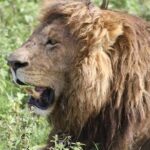
One of the best parts of Day 1 is that it doesn’t feel like you’re just grinding uphill. The forest is attractive and not fully road-like or overbuilt, and you’re in an area with plenty of wildlife—rich birdlife and monkeys are often seen around the huts. If you want to stretch your legs beyond the main trail, Maundi Crater is nearby and can make a great afternoon excursion.
A drawback to keep in mind: even early on, you’re working at altitude and still building your legs. So don’t treat Day 1 like a warm-up jog. Use it to settle into the rhythm and save your energy.
Day 2: moorland walk to Horombo Hut and the above-the-clouds feeling
Day 2 starts with a steep ascent through forest, then the path opens into grassy moorland. If the first day is all greenery, this is where the scenery starts changing fast. In clear weather, you can get good views of Kibo and Mawenzi peaks.
You’ll climb steadily through the moorland zone with giant heather and occasional groundsel. The walk takes about 4–6 hours, ending at Horombo Hut at roughly 3,720 m. This is also one of the days where sunrise and sunset can really steal the show—people often describe the feeling of being above the clouds.
The practical consideration here is pace. Moorland can make you feel like you’re walking through a wide-open world, but altitude doesn’t care about your mood. I’d keep the pace slow and steady rather than trying to “power through” early.
Day 3: gradual climb to the Saddle, then Kibo Hut by midday
Day 3 is about altitude education. The route climbs very gradually towards the Saddle between Mawenzi and Kibo, and the terrain shifts into scree and a more extreme high-altitude feel. You’ll notice a change from “walk in nature” to “walk in a volcanic, lunar zone,” and that mental shift matters when you’re saving energy for the summit push.
You’ll usually reach Kibo Hut (around 4,700 m) by midday after about 4–5 hours. After you arrive, the afternoon is free—time for rest, food, and letting the summit plan sink in. This is the day to focus on staying calm and preparing for an early night, because the next day starts in the dark and runs long.
The value of this setup is simple: you’re not just burning time. You’re giving your body a chance to settle at high altitude while you reduce decision-making stress before summit night.
Day 4: torchlight ascent to Gillman’s Point, optional Uhuru Peak
This is the big day, and it starts with a very early plan. You’ll begin the ascent by torchlight around 1 a.m., aiming to reach Gillman’s Point (about 5,685 m) by sunrise. The initial climb is steep over loose volcanic screen, so footing and pace become your best friends. Expect slow, steady zig-zags and a grind that takes about 5–6 hours.
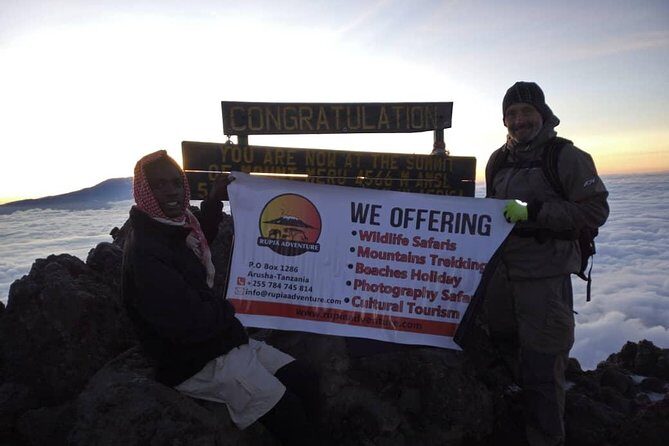
Once you reach Gillman’s Point, you rest and take in the sunrise. If you still have strength, there’s an optional round trip from Gillman’s along the crater rim to Uhuru Peak (about 5,896 m). That crater-rim push is about 3 hours round trip, passing near glaciers that still occupy much of the summit area.
After the summit (or after Gillman’s if you choose not to continue), the descent back to Horombo Hut is surprisingly fast, but the whole day is long. Walking time can run 11–15 hours from Kibo to Gillman’s Point and back as described in the schedule.
What I’d consider most here isn’t the distance. It’s your mental plan. You’ll want to be okay with slow steps, cold air, and focusing on the next checkpoint rather than the whole mountain at once.
Day 5: return through moorland to Mandara, then forest down to the gates
Day 5 is the recovery and contrast day. You retrace your steps with a pleasant moorland walk to Mandara, then you drop back into forest and continue to the national park gates. The walk is typically 5–6 hours total.
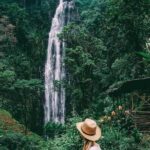
This is where Kilimanjaro surprises people. The summit day is stark and volcanic; the descent forest feels almost like a different planet. The greenery and lushness are a sharp contrast, and it helps you process what you just did.
You’ll likely feel tired, but it’s a good tired. You’re moving, not fighting altitude for the summit, and you’re closing the loop with a smoother finish.
Mountain Warriors and the human side of safety: guides, luggage help, and real meals
The best Kilimanjaro climbs aren’t only about altitude charts. They’re about how the team handles the details. Mountain Warriors Tours and Safaris runs this trip with professional, experienced mountain guides, and park and rescue fees are included. That matters because it signals the operation is built to handle the climb properly, not just “get you there.”
One name that stands out from their guide network is Gasto, also nicknamed the Kili King. People describe him as a Kilimanjaro expert with a strong safety mindset and a friendly style that keeps the group steady. That energy matters on long days—especially when you’re awake early and moving through darkness.
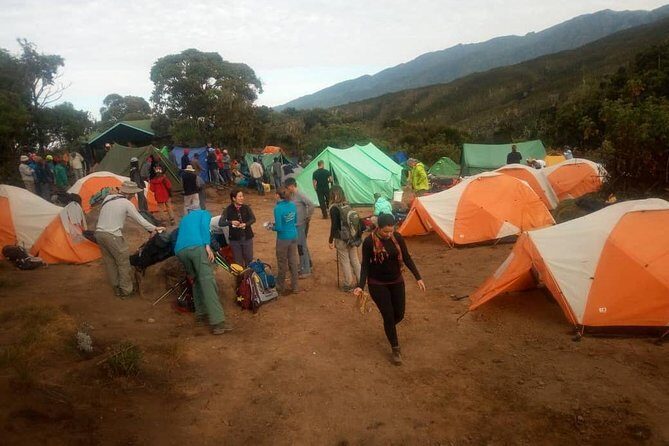
Food and camp comfort also get treated seriously. You’ll get all meals while on the mountain, and they’re served by quality mess tents with table and chairs. Clean, purified drinking water is included, too, which saves you from the headache of figuring out logistics at altitude.
If you like your adventure to still feel organized—like someone has already solved the problems before you arrive—this is the kind of operation that tends to work well.
Price and value: what you pay $1,730 for and what you still must handle
At $1,730 per person, this is not a bargain climb. But it also isn’t a bare-bones deal. Your price covers overnight stays in mountain huts, professional guides, all park fees and rescue fees, and all meals (breakfast, lunch, and dinner while on the mountain). It also includes airport transfers, quality mess tents with table and chairs, and clean purified drinking water.
What’s not included is also clear. You’ll need to plan for your Tanzania visa, tipping, and your person climbing gear.
Here’s the value angle in plain terms: when park fees, rescue coverage, meals, and hut stays are already handled, you reduce the number of surprises once you’re in Tanzania. Your remaining costs are more about personal requirements (visa, tips, and gear), which you can control ahead of time.
Who should choose the Marangu 5 days (and who should pause)
This climb fits best if you want a private group experience on a route known for easier conditions and shorter summit distance compared to other options. It also suits people with moderate physical fitness who want structure, guidance, and hut comfort instead of camping.
If you’re the kind of traveler who dislikes chaos, this trip’s setup with mess tents and included meals is likely a relief. You’re not only buying a route; you’re buying daily management: meals, water, huts, and guides.
If you’re very altitude-sensitive or you know acclimatization is usually slow for you, consider the option to extend to 6 days for better acclimatization. The route is usually done in 5 days, but adding time can give your body extra breathing room.
Also, keep in mind that the start time is 7:30 am, so your planning needs to be tight on Day 1.
Should you book Mountain Warriors for the Marangu route?
I’d book this if you want Kilimanjaro with hut comfort, included meals, and an experienced team that has a track record for organization and safety. The guide reputation—especially with Gasto—plus the way the climb is structured around rest days and summit timing makes it a strong match for people who want to focus on the climb, not the logistics.
I’d think twice if you strongly prefer solitude and wilderness quiet, since communal huts and a popular route mean you’ll likely share your experience more than on remote routes. And if your acclimatization tends to be tricky, plan for the possibility of adding that extra day.
FAQ
What time do the days start?
The start time is listed as 7:30 am for the experience.
Is this climb private?
Yes. It’s described as a private tour/activity, so only your group will participate.
What sleeping setup do you get on the Marangu Route?
You stay in mountain huts at the campsites, with solar lights and comfortable beds. The bunks are communal and include a sponge mattress and pillow.
What’s included in the $1,730 price?
The included items are overnight stays in mountain huts, professional mountain guides, all park fees and rescue fees, all meals on the mountain, quality mess tents with table and chairs, airport transfers, and clean purified drinking water.
What isn’t included?
Not included are your Tanzania visa, tips, and person climbing gear.
Can I cancel and get a full refund?
Yes. You can cancel up to 24 hours in advance for a full refund. If you cancel less than 24 hours before the experience start time, the amount paid is not refunded.