REVIEW · ARUSHA
7 Day Kilimanjaro Climb Lemosho Route & 2 Day Safari
Book on Viator →Operated by Signature Safari · Bookable on Viator
Kilimanjaro feels doable when the team is dialed in. This combo trip pairs the Lemosho climb with a 2-day safari after you come down, so your days don’t end at base camp. I like the idea of a route that’s pitched as workable for both first-timers and seasoned trekkers, with the added note that the team can handle a wide range of needs, including older travelers and some disability cases.
What I really love is the human support built into the experience. You’ll be trekking with guides such as Hassan, Sabastine, Anthony, and Hassani, plus a chef (Frank) and extra crew support like Innocent, and the common thread in their approach is steady encouragement and good problem-solving when the mountain gets rude. The second big win is the included meals—breakfast, lunch, and dinner—so you can focus on moving and recovering instead of worrying about food logistics.
My main caution is simple: sleeping bags aren’t included. The company says sleeping bags are available for rent, but you still need to plan for that cost and confirm sizing before you go.
In This Review
- Key things that stand out on this Kilimanjaro + safari package
- Lemosho + Safari: what you’re really booking
- Where you meet in Arusha (and why timing matters)
- 7 days on Kilimanjaro: the forest start and what it feels like
- Crew support: the part you’ll thank yourself for later
- Meals included: fuel strategy beats guesswork
- Gear reality check: the one item you must plan
- Pace, motivation, and the mountain mindset (pole pole works)
- Tarangire National Park: elephants and big wildlife energy
- Ngorongoro Crater: a classic Tanzania day after your hard work
- Small group size (max 10): why it changes the trip
- Price and value: is $2,228.58 worth it?
- Who should book this (and who should pause)
- Should you book Signature Safari’s Kilimanjaro + Safari combo?
- FAQ
- How long is the Kilimanjaro climb and safari?
- Where does the safari happen?
- Is pickup included?
- What meals are included during the climb?
- Are sleeping bags included?
- What fitness level do I need?
- What happens if weather is poor or plans change?
Key things that stand out on this Kilimanjaro + safari package
- Lemosho route: often viewed as a straightforward path on Kilimanjaro, suited to mixed experience levels
- A small group: maximum of 10 travelers, which usually means more hands-on attention
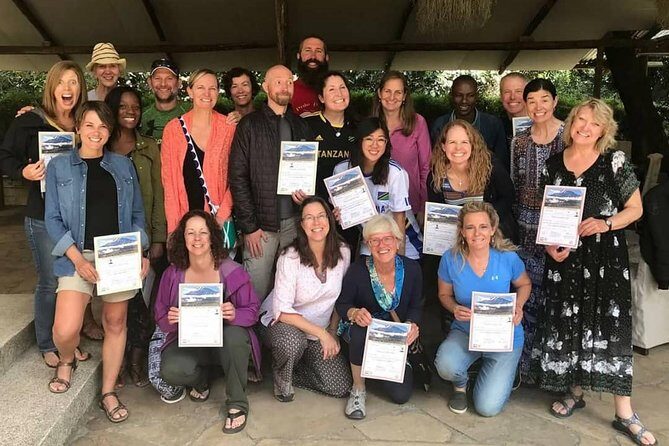
- Crew support you can name: guides like Hassan, Sabastine, Anthony, Hassani, plus chef Frank and support from Innocent
- Meals are covered: breakfast, lunch, and dinner included during the climb
- Safari payoff after trekking: Tarangire for big elephants, then Ngorongoro Crater for a classic Tanzania highlight
- Gear planning needed: sleeping bags are not included (rent is mentioned)
Lemosho + Safari: what you’re really booking
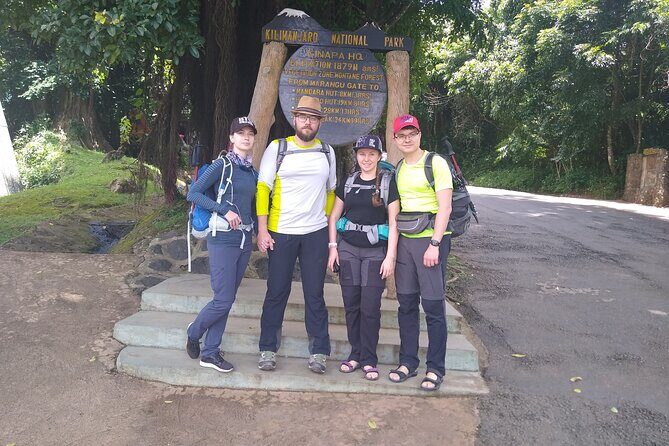
This is not just a mountain day. It’s a full arc: 7 days climbing Kilimanjaro via the Lemosho route, then 2 days safari in some of northern Tanzania’s most famous areas.
That structure matters because it changes the way you experience the trip. During the climb, you’re living on a tight schedule of walking, resting, and eating well. Then, once the hard work is done, the safari gives you a different kind of reward: wide-open driving days, dramatic scenery around Ngorongoro, and the chance to see big wildlife like elephants in Tarangire.
The value angle is also clearer when you look at what’s bundled. You’re paying for (1) park and trip fees, plus (2) meals on the climb, plus (3) a safari add-on after. That reduces the usual headache of piecing together two separate bookings.
A few more Arusha tours and experiences worth a look
Where you meet in Arusha (and why timing matters)
The trip starts in Arusha at Mvuli Hotel, Kundayo Rd. Pickup is offered, which is helpful, especially on travel days when you’re still figuring out where you’ll be in the morning.
The listed start time shows 12:00 am. That looks like midnight, and it might reflect a local pickup window rather than the moment you step onto the mountain trail. Either way, don’t treat the start time as gospel—confirm the actual pickup time with the operator after you book, so you’re not guessing with a head full of altitude anxiety.
Also note the practical bits that make logistics smoother: you get confirmation at booking and there’s a mobile ticket. That usually means less paper chasing.
7 days on Kilimanjaro: the forest start and what it feels like
The only specific “stop” detail you’re given is that you’ll be walking through the forest toward Mount Kilimanjaro. That’s a big deal, even without a day-by-day schedule, because a forest start tends to mean you begin in more buffered conditions—trees help with wind and temperature swings.
On a mountain like Kilimanjaro, the first days set your rhythm. You’ll want a pace that you can repeat for hours, not a sprint that forces you to pay for it later. The guide team’s style shows up in the mountain advice highlighted in past trips: you’ll hear pole pole (slowly, slowly) and reminders to drink water and stay positive. That’s not motivational fluff. On high-altitude treks, pacing and hydration are often the difference between feeling “tough but manageable” and feeling like you’re fighting your own legs.
Even if you don’t consider yourself a mountaineer, this is the kind of climb where support changes everything. Multiple trekkers have credited their guides with making the trek feel “easy” relative to what they expected—usually meaning the crew managed pace, comfort, and morale in real time.
Crew support: the part you’ll thank yourself for later
One reason this package earns a high rating is the cast of people you’ll be with day after day. Names show up repeatedly: Hassan, Sabastine, Anthony, Hassani, along with chef Frank and support staff like Innocent.
What this means for you in plain terms:
- You’re not just getting directions. You’re getting a team that watches how you’re doing.
- When someone is struggling, the crew’s job becomes lifting the room, not just walking in front.
- You’ll likely get frequent encouragement and simple trekking tactics, not vague “good luck” energy.
One standout detail from past climbers: on the long uphill push, the crew kept spirits up with singing and dancing so people wouldn’t fade. That kind of morale work matters. You don’t need hype all the time—you need it most when your body starts negotiating with your brain.
Also, the group size caps at 10 travelers. Smaller groups often mean less time waiting around and more attention for the people who need it.
Meals included: fuel strategy beats guesswork
Food is included on the climb: breakfast, lunch, and dinner. That’s a big quality-of-life factor because on multi-day hikes, the best schedule is the one you don’t have to constantly manage.
From what people describe, the meals are not just filling—they’re treated as part of the plan. Past trekkers highlight balanced, nutritious food and praise the chef’s work. On Kilimanjaro, your appetite can swing and your digestion can get weird. Having reliable meals lowers stress and makes it more likely you’ll keep eating when you’re tired.
Practical tip: if you’re the kind of person who likes a snack habit (tea biscuits, small bars, electrolyte packets), bring it—but don’t rely on it to replace what’s provided. Aim to eat the meals consistently so your energy stays steady.
A few more Arusha tours and experiences worth a look
Gear reality check: the one item you must plan
Your sleeping gear is the one clear missing piece. The listing notes that sleeping bags are available for rent, but they’re not included.
This is the kind of detail that can make or break your comfort. If you arrive without knowing whether you’ll have a bag lined up (or whether the rental fits your needs), you’ll lose time sorting it out right when you should be focused on acclimatization and rest.
So before you leave home, do two things:
- Confirm how sleeping-bag rental works and what’s included with it.
- Pack with the assumption that you might need to rent rather than receiving one automatically.
Pace, motivation, and the mountain mindset (pole pole works)
The most repeated trekking advice in the feedback is the same theme: pole pole, drink water, and keep a positive mindset. That’s also consistent with how successful summit attempts tend to look—not because people are stronger, but because they’re more consistent.
You’ll feel this on days when breathing gets slower and your body starts to count steps. The slower you go early, the more likely you are to still feel human later. If you’re a first-timer, this is especially important. You don’t need mountain experience, but you do need to respect how altitude punishes fast decisions.
Also keep your expectations grounded. This trip is for people with moderate physical fitness. Moderate doesn’t mean couch-to-summit with zero prep. It means you should be able to walk long periods and handle sustained effort without feeling completely wrecked.
Tarangire National Park: elephants and big wildlife energy
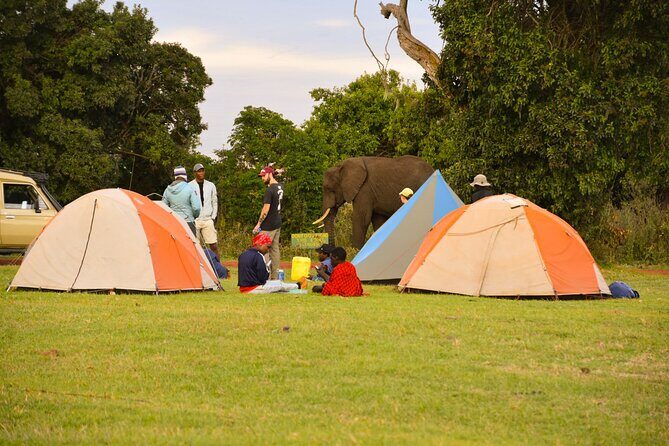
After the climb, you shift into safari mode. The safari starts in Tarangire National Park, known for big elephants. For many people, that’s the best kind of contrast: instead of climbing toward the sky, you’re watching the land at ground level—herds moving, dust in the light, and wildlife drama unfolding at a slower pace.
This two-day safari placement also makes sense emotionally. When you’ve just finished a major physical challenge, you often want to feel awe without the constant effort. Tarangire gives you that.
Ngorongoro Crater: a classic Tanzania day after your hard work
Then you move on to Ngorongoro Crater for another safari day. This is a well-known destination for a reason: it’s a stage that concentrates wildlife and scenery into a compact area.
From a “worth your time” viewpoint, pairing Ngorongoro with Tarangire is smart. One park leans hard into elephants and wide ecosystems; the other brings a more enclosed, dramatic feel. Together, they keep your safari from feeling repetitive.
Small group size (max 10): why it changes the trip
A maximum of 10 travelers is not a trivial detail. It affects:
- how smoothly pickup and transitions run
- how much your guide can notice you needing a slower pace
- whether you spend more time waiting or moving
On Kilimanjaro, those minutes add up. A smaller group can mean fewer bottlenecks on crowded parts of the route and a more personal vibe when you’re exhausted.
And for the safari portion, small groups can improve your sense of freedom. If you’re with fewer people, it’s easier for the drive to feel flexible when wildlife appears.
Price and value: is $2,228.58 worth it?
At $2,228.58 per person, this costs real money. But it’s not only a mountain climb. The total package includes:
- all fees and taxes
- meals on the climb (breakfast, lunch, dinner)
- pickup offered
- a 2-day safari in Tarangire and Ngorongoro
So you’re paying for logistics and staffing on two fronts: climbing support plus safari guiding. Where the value can slip is if you forget about the one obvious missing item—sleeping bags. If you budget for that rental and any personal gear you need, the math looks more balanced.
Also note a weird detail: the listed duration shows 30 minutes (approx.) even though the experience clearly involves a multi-day climb and safari. That’s a prompt to double-check the real schedule in writing after booking. Don’t assume the “duration” number is accurate.
Who should book this (and who should pause)
This trip is a strong match if you want:
- a structured Kilimanjaro climb that doesn’t leave you to figure everything out
- a built-in safari payoff right after the climb
- a small group and a crew that people consistently praise by name
- included meals during the climb
You should pause if:
- you don’t handle long walking days well and your “moderate fitness” might not be moderate in real life
- you’re uncomfortable planning gear rentals, since sleeping bags are not included
- you like ultra-clear schedules day-by-day and don’t want to confirm timing with the operator
Should you book Signature Safari’s Kilimanjaro + Safari combo?
If you’re dreaming of Kilimanjaro and you also want classic northern Tanzania wildlife right after, I think this combo is worth strong consideration. The biggest reasons are practical: small group size, meals included, and a guide/crew setup that gets praised for support and motivation (including names like Hassan, Sabastine, Anthony, Hassani, Frank, and Innocent). After you climb, the switch to Tarangire elephants plus Ngorongoro Crater is a smart way to keep your trip exciting without demanding more physical effort.
Just go in with two checks done: confirm the real timing around that listed 12:00 am start, and plan for sleeping-bag rental so you’re not scrambling on day one. If you can do that, you’re set up for a trip that’s both challenging and surprisingly well handled.
FAQ
How long is the Kilimanjaro climb and safari?
The experience combines a 7-day Kilimanjaro climb on the Lemosho route with a 2-day safari afterward.
Where does the safari happen?
The safari includes Tarangire National Park and the Ngorongoro Crater.
Is pickup included?
Pickup is offered, and the meeting point is Mvuli Hotel, Kundayo Rd, Arusha, Tanzania.
What meals are included during the climb?
The package includes breakfast, lunch, dinner, and also dinner is listed as included.
Are sleeping bags included?
Sleeping bags are not included, but they are available for rent.
What fitness level do I need?
The tour is described as suitable for travelers with a moderate physical fitness level.
What happens if weather is poor or plans change?
The experience requires good weather. If it’s canceled due to poor weather, you’ll be offered a different date or a full refund. You can cancel for a full refund up to 24 hours in advance.